
City · Germany
Koblenz
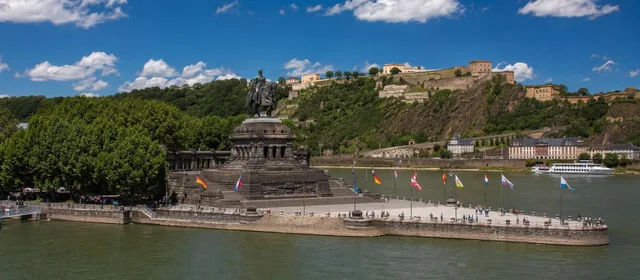
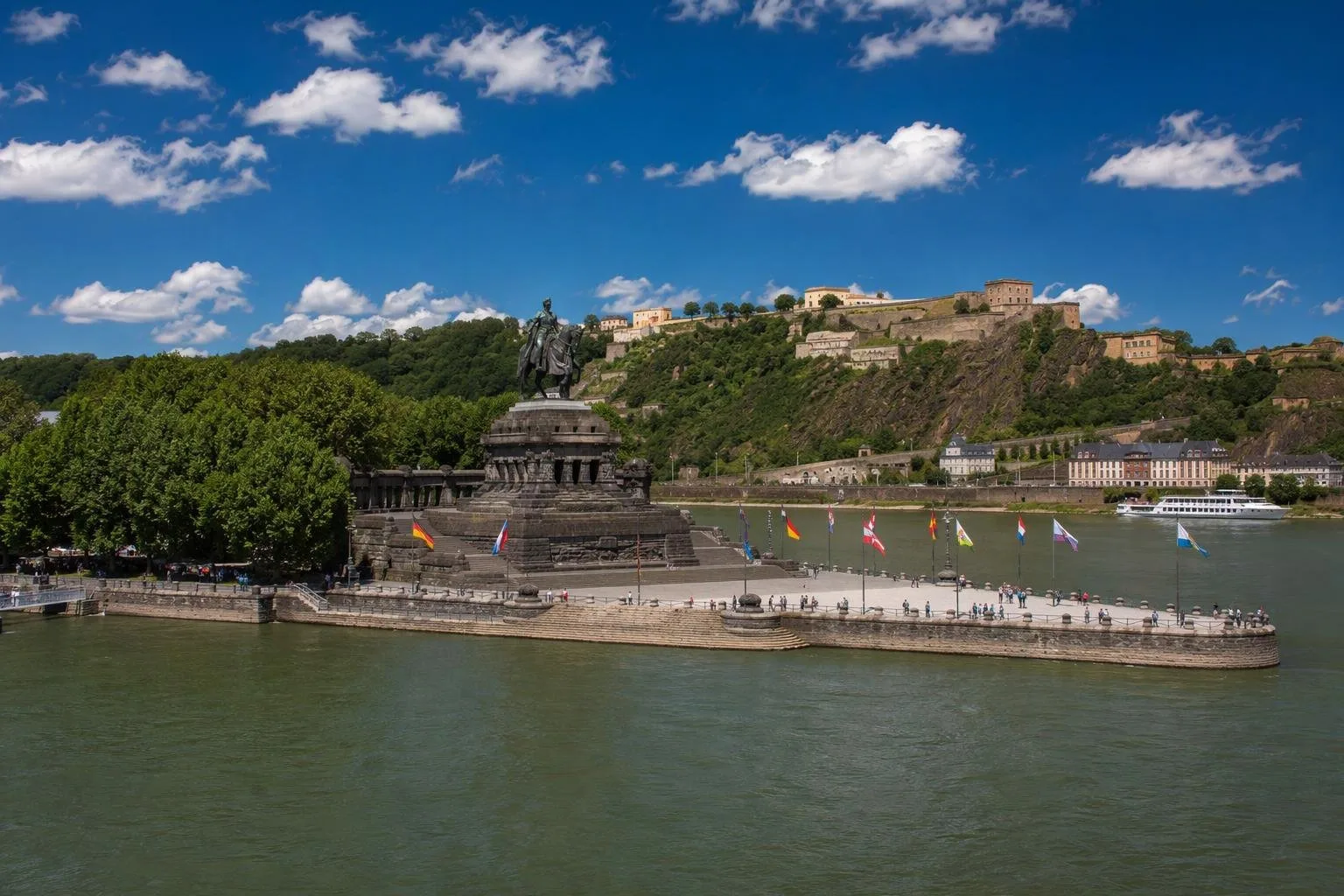
Koblenz is a Rhine-and-Moselle city in western Germany, centred on the Deutsches Eck headland where the Moselle joins the Rhine. Its compact core, riverfronts and Ehrenbreitstein Fortress make it a practical start or finish for the Moselle valley.
Start at the confluence
Koblenz takes its identity from water. At the Deutsches Eck, the Moselle enters the Rhine at a pointed riverside park crowned by the monumental equestrian statue of Emperor William I. This is the clearest place to understand the geography before continuing up the Moselle or into the Upper Middle Rhine Valley.
The historic centre lies immediately south of the headland. Use it as the walking base: the old town, Basilica of St Castor, Rhine embankment and cable-car valley station are close together. The riverside is open and exposed, so it is worth allowing for wind and rain even on an otherwise mild day.
See the city from Ehrenbreitstein
Ehrenbreitstein Fortress occupies the high right bank of the Rhine opposite the Deutsches Eck. Its plateau looks directly down on the confluence and across the old town; the fortress is also a cultural site with museums and changing events.
The Koblenz cable car crosses the Rhine between the riverfront near St Castor and the fortress. Its panoramic cabins are step-free and provide the most direct visual link between the two sides. Take it for the crossing and the view, rather than treating it merely as transport. The fortress lift from the Ehrenbreitstein district is another barrier-free route to the plateau.
Walk the useful core
Koblenz rewards a simple route rather than a checklist. Walk from Zentralplatz/Forum Confluentes through the old town to St Castor and the Deutsches Eck, then follow the Rhine promenade south past the Electoral Palace gardens. This joins the principal sights without backtracking.
For a shorter visit, concentrate on three points:
- Deutsches Eck for the river junction and monument.
- Old town and St Castor for the historic street pattern between the two rivers.
- Ehrenbreitstein Fortress for the full-city view.
River cruises leave from the waterfront and are a useful way to see the city’s banks and begin a Rhine or Moselle excursion.
Arrivals and local transport
Koblenz Hauptbahnhof has rail connections, but it is not beside the river junction. City buses connect the station and centre; Zentralplatz/Forum is the main urban interchange, while the Deutsches Eck/cable-car stop serves the waterfront. Most central sights are best handled on foot once you arrive.
Drivers should use central parking garages rather than trying to navigate the old-town lanes. Cyclists can follow the river corridors, and the cable car accepts bicycles, making a one-way crossing useful when combining the Rhine and Moselle routes.
Timing and access
Give Koblenz a full day if you want the old town, Deutsches Eck and fortress without rushing. Start at the headland in the morning, cross to Ehrenbreitstein when visibility is good, and leave the promenade for later light.
The cable car has seasonal operating periods and occasional maintenance closures. The outdoor headland remains the dependable fallback: it is free to enter and gives the essential view of both rivers.
From the magazine
Stories about Koblenz
Editorial stories linked directly to Koblenz.
No stories about Koblenz have been published yet.
Routes from our editors
Travel through Koblenz
Editorial routes connecting Koblenz with other countries, cities and hotspots.
No routes through Koblenz have been published yet.
More in Germany
Related hotspots
Other cities, nature areas and places within Germany.
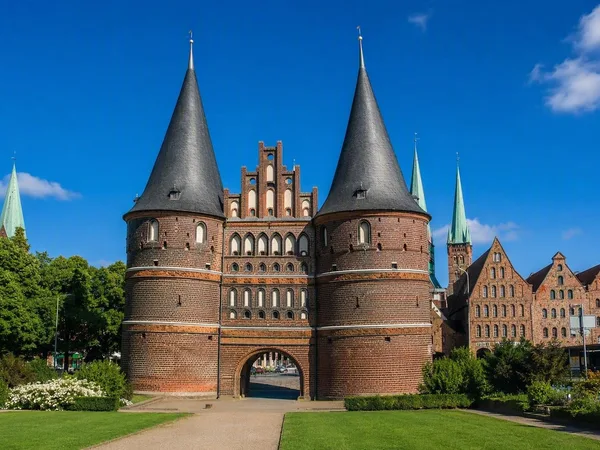
Lübeck
1 linked stories and routes
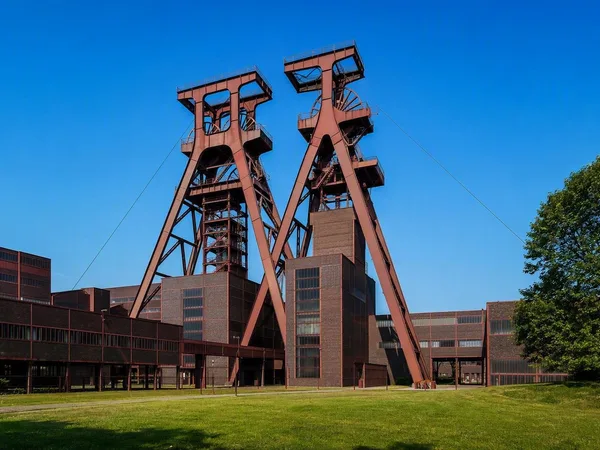
Essen
1 linked stories and routes
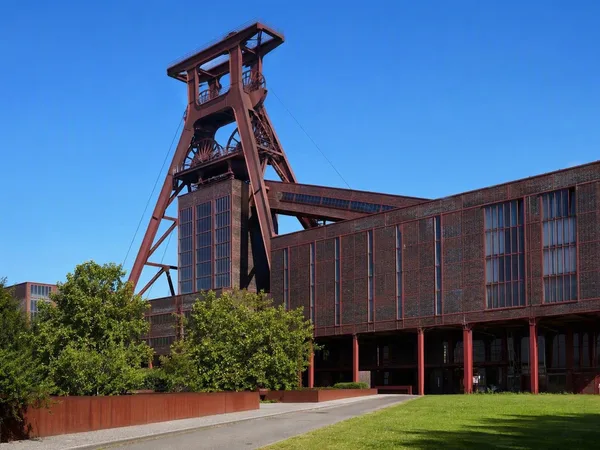
Zollverein
1 linked stories and routes
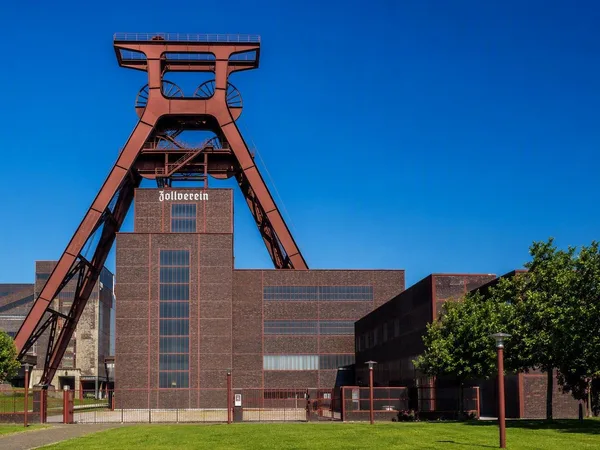
Ruhr
1 linked stories and routes
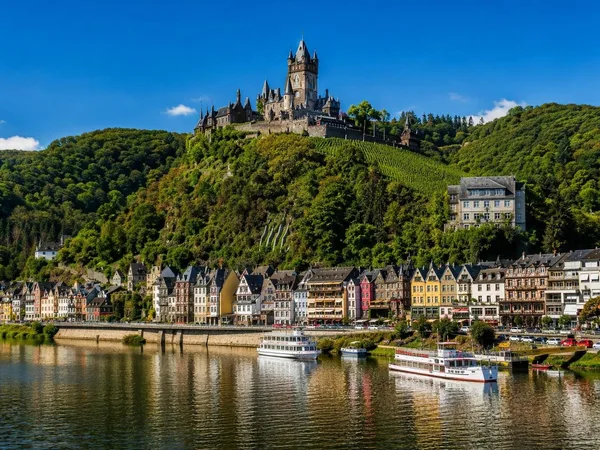
Cochem
1 linked stories and routes
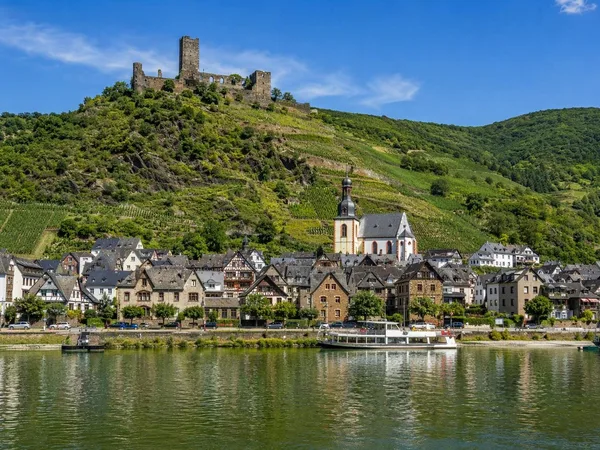
Beilstein, Moselle
1 linked stories and routes
Bernkastel-Kues
1 linked stories and routes
Trier
1 linked stories and routes