
Village · Germany
Beilstein, Moselle
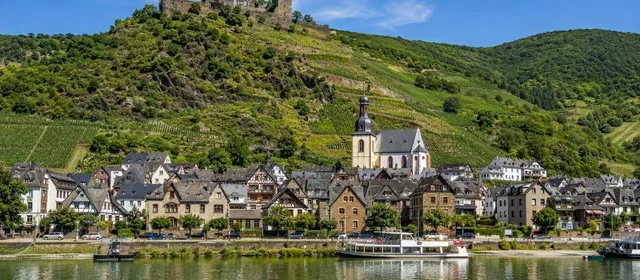
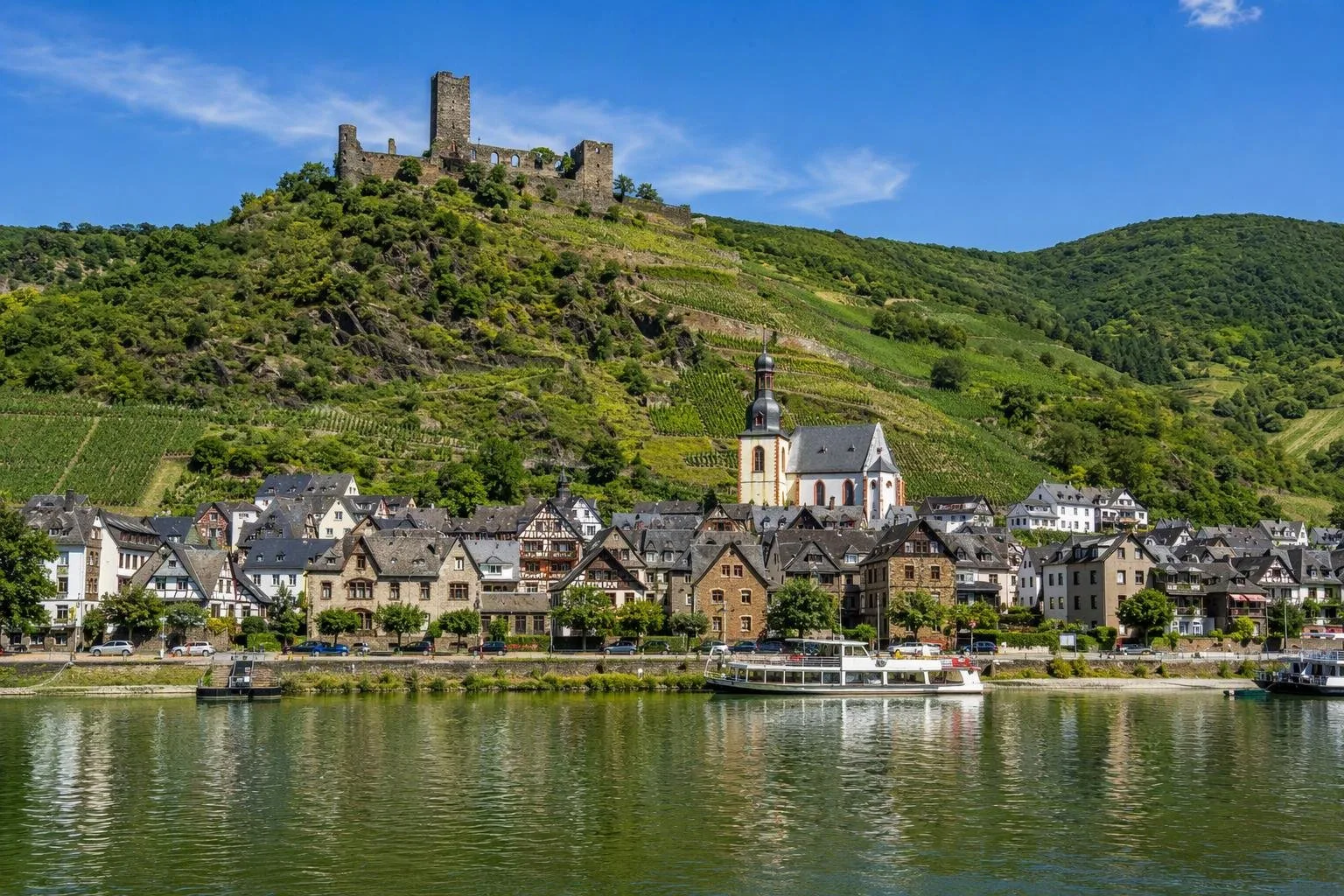
Beilstein is a small historic wine village on the Moselle in Rhineland-Palatinate, below the ruins of Burg Metternich. Its compact lanes, market square and baroque Carmelite church make it an easy stop between the river and the vineyards.
Orientation
Beilstein stands on the Moselle’s right bank in the Cochem-Zell district of Rhineland-Palatinate. The historic core sits tightly between the river and the slope beneath Burg Metternich. This is a place for a short, slow circuit rather than a long list of sights: the village is compact, and its medieval street pattern is still legible.
Start at the riverside, then work uphill through the old centre. The Marktplatz is the natural reference point, with the former parish church and the old tithe house. Remains of the town wall, gates and towers survive within the protected historic core.
Walk the old centre
The appeal is in the sequence of narrow streets, stone façades, slate roofs and small connecting stairways. Follow Bachstraße and the lanes around the market square, then take the Klostertreppe uphill.
Keep the walk focused:
- Marktplatz: the centre of the former walled settlement.
- St. Christopher’s: the former parish church on the square.
- Klostertreppe: the stepped route towards the monastery church.
- Weingasse and Alte Wehrstraße: lanes where the old defensive layout remains visible.
The village developed below the castle around 1300; much of the present streetscape took shape in the 17th and 18th centuries.
St. Joseph and Burg Metternich
Above the lanes, the former Carmelite monastery church of St. Joseph is Beilstein’s major interior. The Carmelite community arrived in 1636; construction of the church began in 1691. Inside, look for the baroque fittings, the 1738 Balthasar König organ and the Black Madonna, a focus of local pilgrimage.
Continue to Burg Metternich, the castle ruin on the spur above the village. French troops destroyed the castle in 1689. The site now provides the clearest view over Beilstein, its vineyard slopes and the Moselle valley; the tower and historic cellar add substance beyond the panorama.
Arriving and moving around
A riverside arrival works particularly well. Scheduled excursion boats link the Moselle settlements around Cochem and call at Beilstein in season. By road, park before committing to the historic lanes and explore on foot; the core is not designed for through-driving or large vehicles.
Cyclists can use the Moselle valley’s signed cycle network, then leave the bike by the river for the uphill village. Walkers on the Moselsteig can use Beilstein as the start or finish of the 13.5-kilometre stage to Cochem.
Useful timing
Give the village two to three hours if visiting the church and castle. The climb from the river is short but steep in places; wear shoes with grip on steps and uneven paving. Castle access is seasonal, with a winter closure, so plan the exterior walk as worthwhile on its own.
From the magazine
Stories about Beilstein, Moselle
Editorial stories linked directly to Beilstein, Moselle.
No stories about Beilstein, Moselle have been published yet.
Routes from our editors
Travel through Beilstein, Moselle
Editorial routes connecting Beilstein, Moselle with other countries, cities and hotspots.
No routes through Beilstein, Moselle have been published yet.
More in Germany
Related hotspots
Other cities, nature areas and places within Germany.
Lübeck
1 linked stories and routes
Essen
1 linked stories and routes
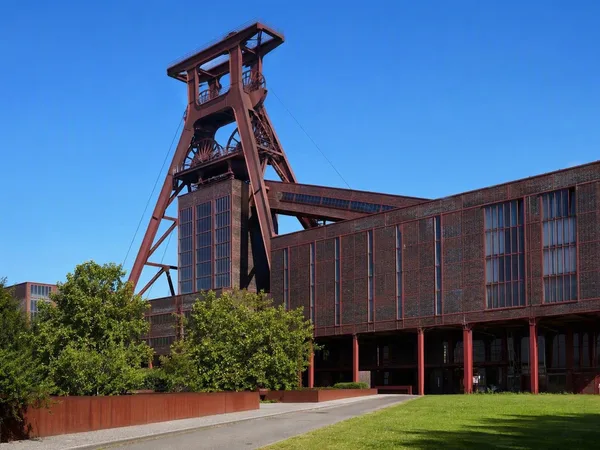
Zollverein
1 linked stories and routes
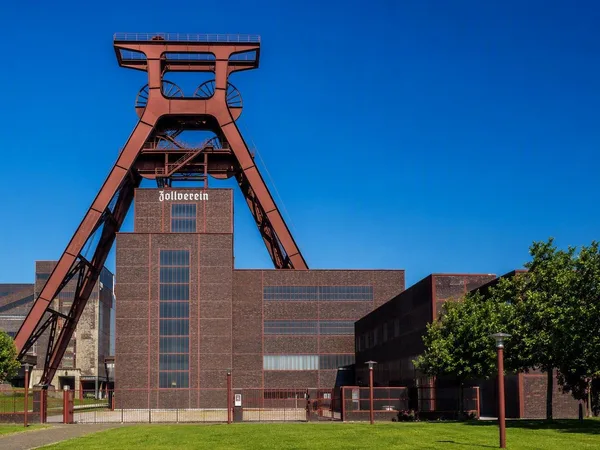
Ruhr
1 linked stories and routes
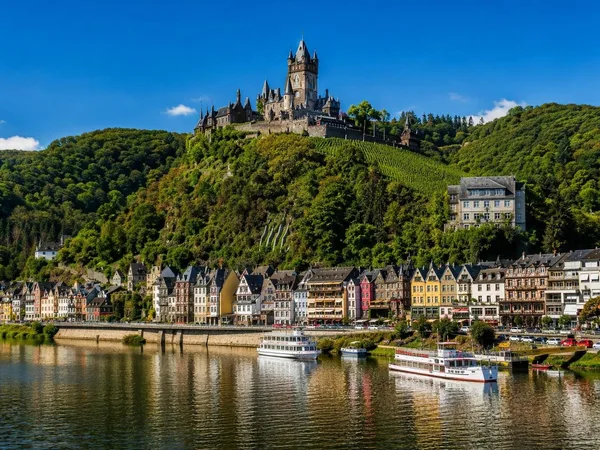
Cochem
1 linked stories and routes
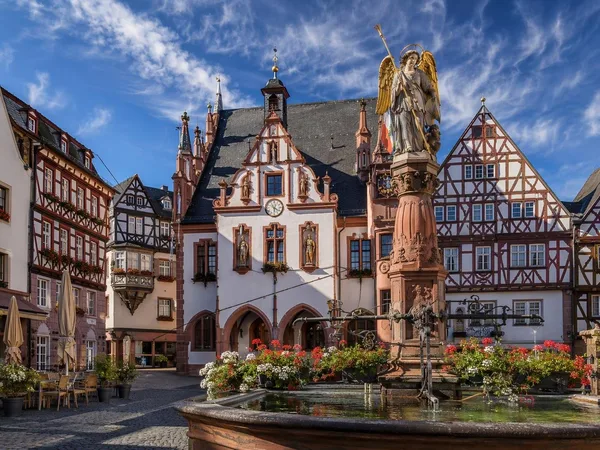
Bernkastel-Kues
1 linked stories and routes
Koblenz
1 linked stories and routes
Trier
1 linked stories and routes