
City · Germany
Trier
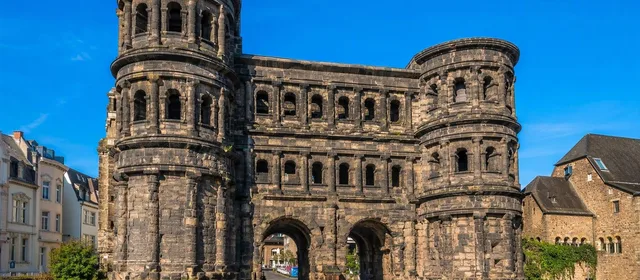
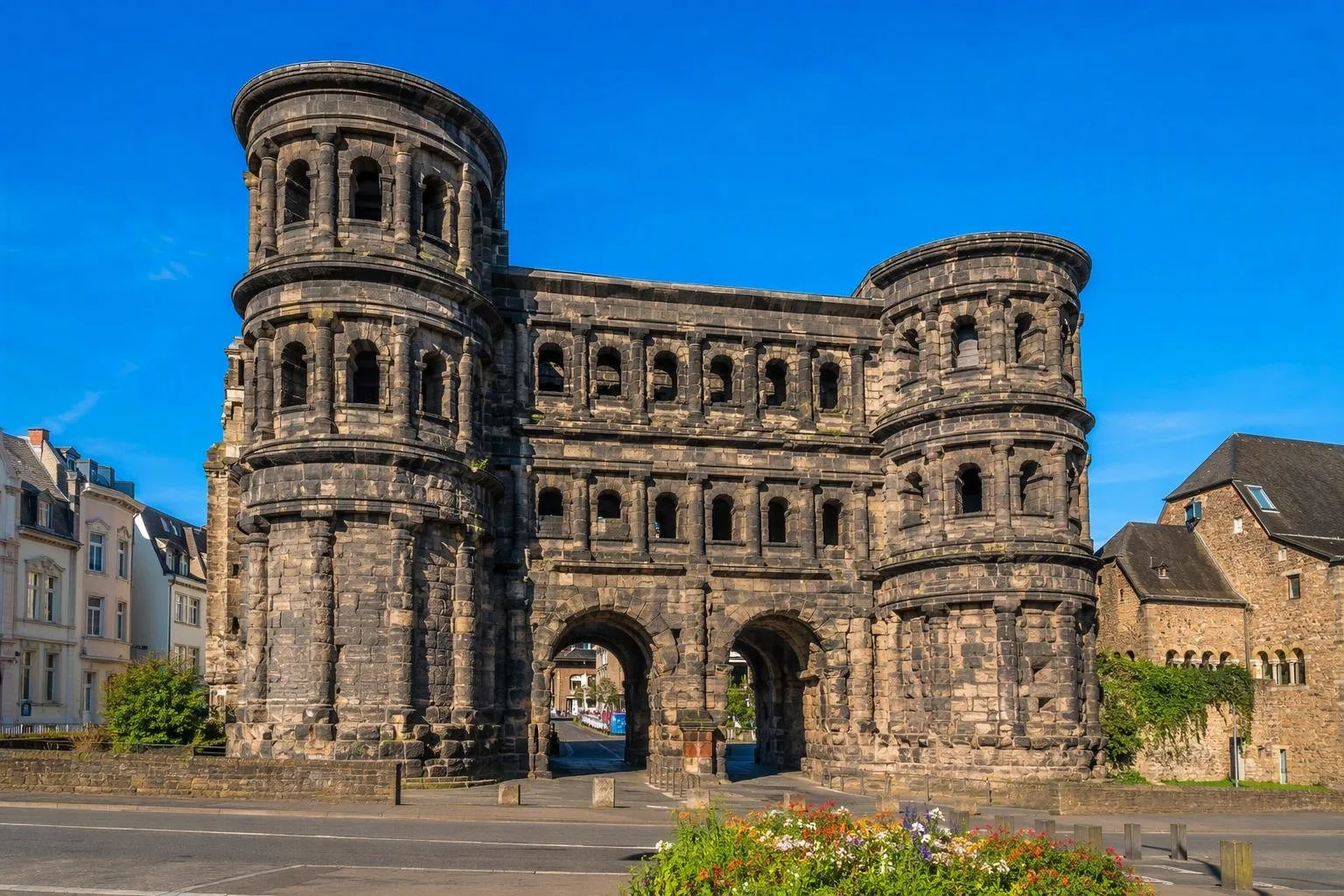
Trier is a city on the Moselle in Rhineland-Palatinate, western Germany, where major Roman monuments stand within a compact historic centre. The Porta Nigra, imperial baths, basilica, cathedral and Liebfrauenkirche form one UNESCO-listed ensemble.
Start with the Roman city
Trier began as the Roman settlement of Augusta Treverorum and became an imperial residence in the late third century. That status explains the scale of its surviving buildings: this was not a minor outpost, but an administrative centre of the western empire.
Start at the Porta Nigra, the northern gate of Roman Trier. Built from around AD 170, its darkened sandstone blocks, twin passages and upper chambers make it the best-preserved Roman city gate north of the Alps. The exterior is immediate and free to see; entry gives access to the interior levels and views over the old town.
Walk the heritage core
The principal sights are close enough to link on foot. From Porta Nigra, follow the pedestrian streets south through the historic centre.
- Hauptmarkt: the medieval market square and a useful pause between monuments.
- Trier Cathedral and Liebfrauenkirche: adjoining churches in the centre; the cathedral preserves a long sequence of building history, while Liebfrauenkirche is a major Gothic church.
- Aula Palatina (Constantine Basilica): the immense brick audience hall of the Roman emperors, now used as a Protestant church.
- Imperial Baths: substantial remains of a fourth-century bath complex, including underground passages.
- Amphitheatre: east of the centre, built into the slope of Petrisberg and part of the former city defences.
The Roman Bridge and Barbara Baths lie closer to the Moselle and suit a longer walking loop.
Use the city layout
Trier’s old town is best handled on foot; it is compact, with Porta Nigra at its northern edge and the cathedral, basilica and baths to the south and southeast. Wear shoes suitable for stone paving and stairs. The Porta Nigra’s upper levels require climbing, so the outside and nearby streets are the easier alternative for visitors with limited mobility.
Trier Hauptbahnhof is the main rail arrival point. The city is also reached by road from Koblenz, Saarbrücken and Luxembourg; once in the centre, avoid trying to drive between sights. The historic core is organised around pedestrian streets and public transport.
Make time for the Moselle setting
The Moselle runs west of the old town, while vineyard country begins beyond the urban edge. Trier works particularly well as the final stop after following the river upstream from Koblenz: the valley’s wine villages and castle views give way here to Roman masonry, churches and a proper city centre.
Allow a full day for the central monuments, or two days if adding the amphitheatre, baths, museums and a Moselle-side walk. Roman monument opening hours vary by season; arrive early if climbing the Porta Nigra is a priority.
From the magazine
Stories about Trier
Editorial stories linked directly to Trier.
No stories about Trier have been published yet.
Routes from our editors
Travel through Trier
Editorial routes connecting Trier with other countries, cities and hotspots.
No routes through Trier have been published yet.
More in Germany
Related hotspots
Other cities, nature areas and places within Germany.
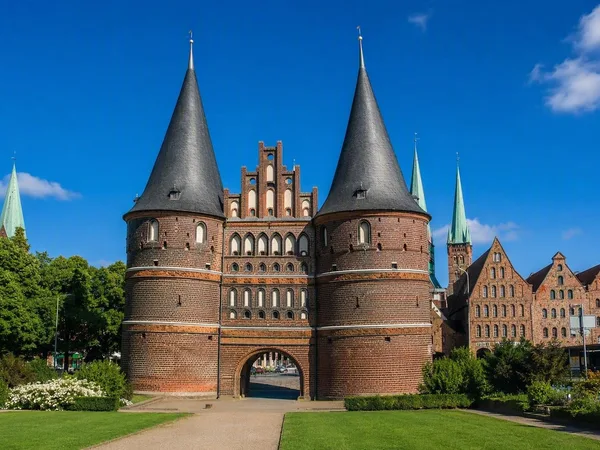
Lübeck
1 linked stories and routes
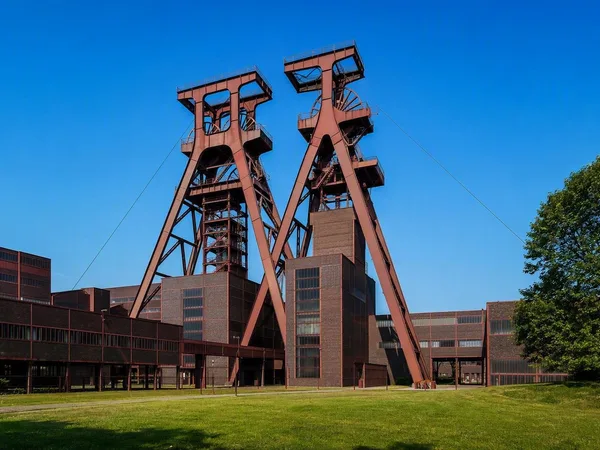
Essen
1 linked stories and routes
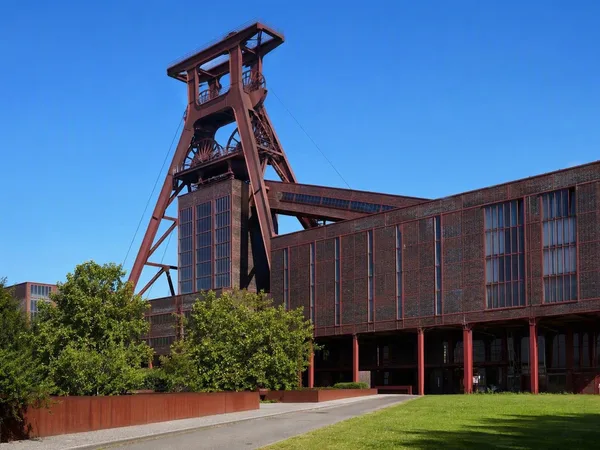
Zollverein
1 linked stories and routes
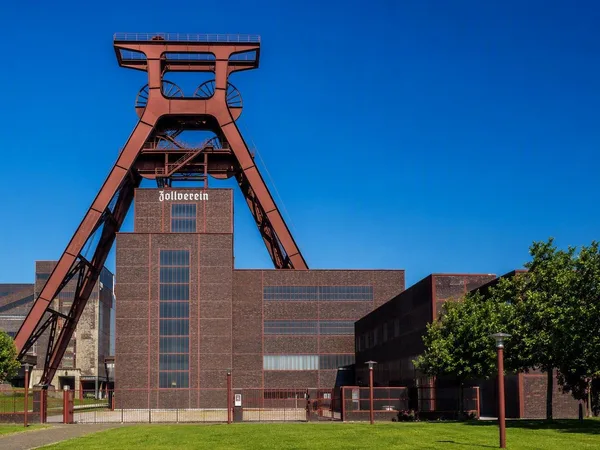
Ruhr
1 linked stories and routes
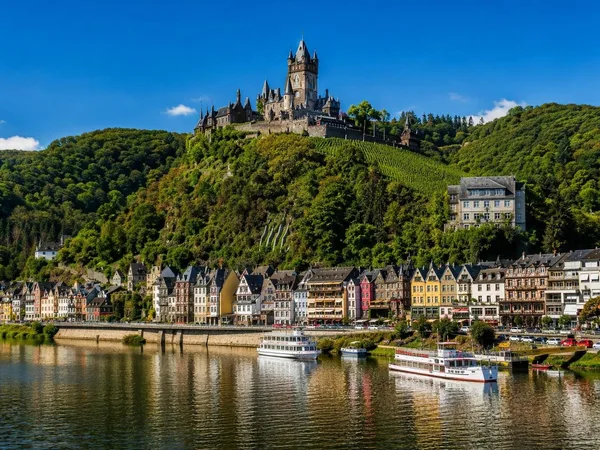
Cochem
1 linked stories and routes
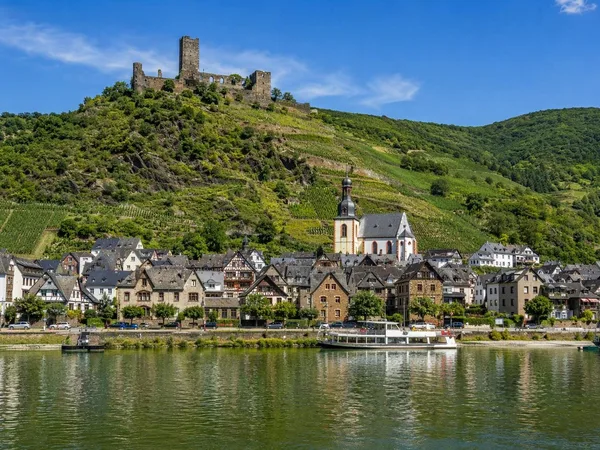
Beilstein, Moselle
1 linked stories and routes
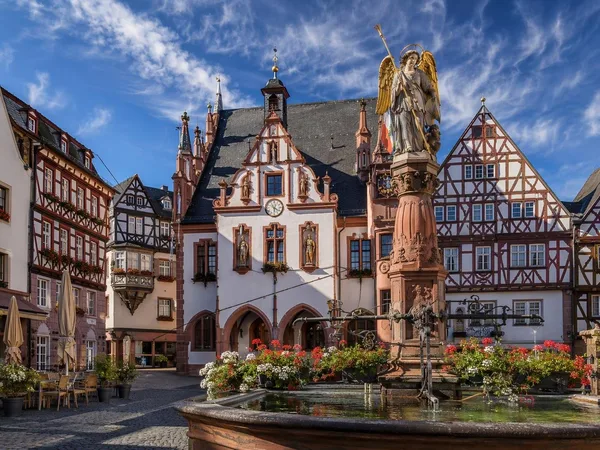
Bernkastel-Kues
1 linked stories and routes
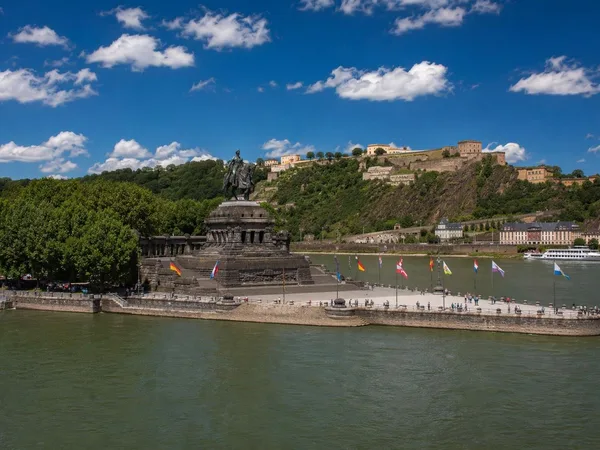
Koblenz
1 linked stories and routes