Germany

River valleys, old towns and restless cities

Germany

Medieval trading towns, experimental cities and vineyard-lined rivers sit within a few hours of one another.

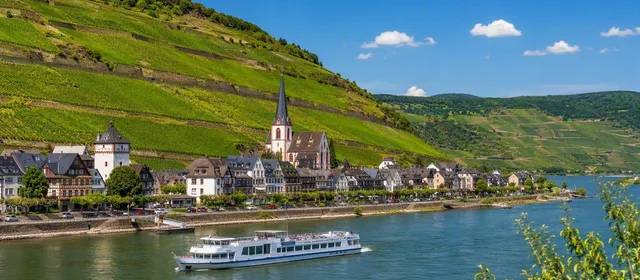
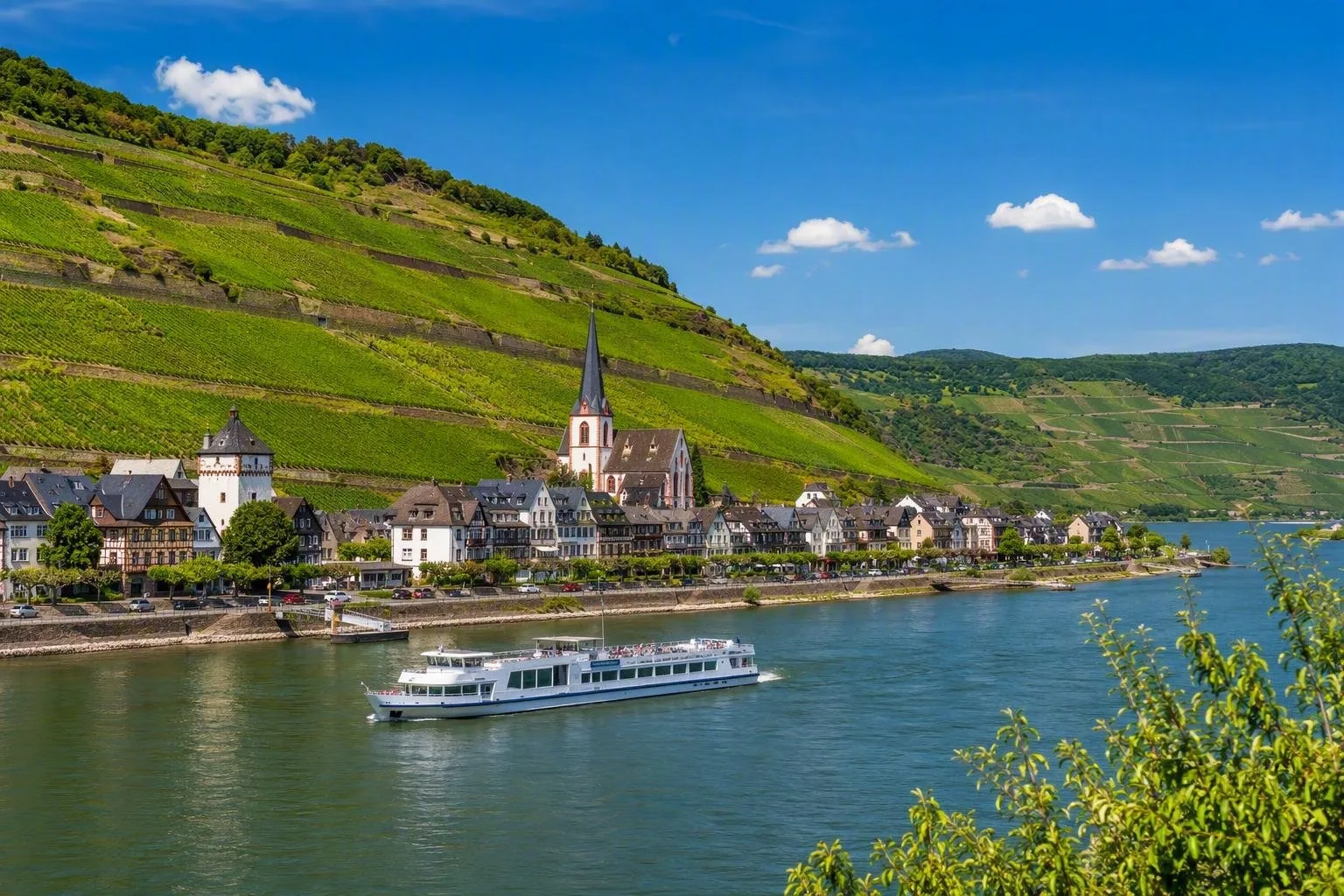
Germany is worth a closer look because each region keeps its own habits, building styles and table. Berlin puts galleries and clubs in former industrial spaces, while the city centre holds royal palaces, major museums and the rebuilt Reichstag. On the Rhine, vineyards climb steep slopes above small villages, castle ruins and passing riverboats. South of Munich, lakes and painted Bavarian towns lead towards the Alps. Centuries of separate kingdoms, free cities and trading centres left marks that fast trains have not erased.

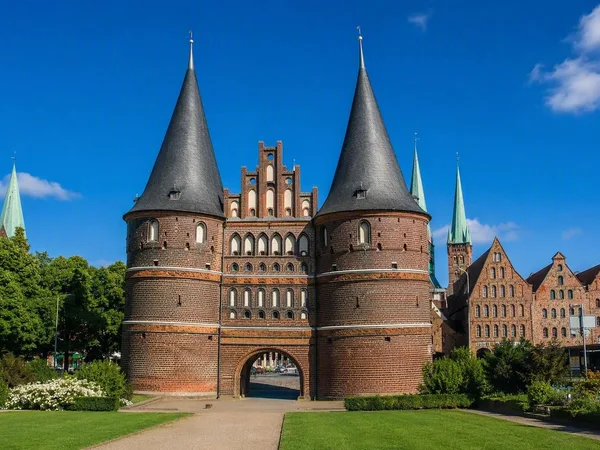
The past takes a different shape from place to place. Lübeck’s brick churches and warehouses recall Hanseatic merchants. In Weimar, the homes of Goethe and Schiller sit near the Bauhaus Museum. Nuremberg pairs its medieval walls with sites that record the Nazi regime and the post-war trials. In Berlin, sections of the Wall and the memorials around it trace the years of division.

Regional cooking makes the differences plain. Southern bakeries sell pretzels, while northern shelves hold dense rye loaves. Winemakers along the Moselle and Rhine fill local cellars, and Franconia is known for its squat Bocksbeutel bottles. In winter, Christmas markets take over old squares. In summer, people meet in beer gardens, swim in lakes and cycle beside rivers. Leave room for smaller towns between the big names, and Germany gives you plenty of reasons to linger.

When to go

Best time to travel

Monthly values are indicative average maximum temperatures for Berlin. Coastal areas, uplands, river valleys and the Alpine south can differ meaningfully. Monthly values are indicative average maximum temperatures for Berlin. Coastal areas, uplands, river valleys and the Alpine south can differ meaningfully.

jan3°C feb5°C mar9°C apr14°C may19°C jun22°C jul24°C aug24°C sep19°C oct14°C nov8°C dec4°C

Weather in the capital

Practical Germany

On every country page we show the current weather for the capital.

Berlin
Morning24°Cpartly cloudy
Afternoon28°Cclear
Evening33°Cdrizzle
today33°C / 23°Chigh and low

Current forecast by Open-Meteo

Getting around

Intercity trains link the main cities. S-Bahn, U-Bahn, trams and buses cover urban areas, while regional trains reach many smaller towns. Rural services can be less frequent.

Money

ATMs are widely available. Many businesses accept cards, but small shops, bakeries and cafés may prefer cash or set a minimum card payment.

Where to stay

Options include city hotels, hostels, family-run pensions, farm stays and holiday apartments. Book early for major trade fairs, festivals and popular summer destinations.

Before you leave

Worth knowing

A practical starting point for your trip. Check current conditions and local information before you leave.

01

Official language

German is the official language.

02

Calling code

Germany’s international calling code is +49.

03

Driving side

Traffic drives on the right, and drivers normally pass on the left.

04

Autobahn conventions

Some Autobahn sections have no general speed limit, but posted limits always apply. Keep right except when passing. Where no limit is posted, 130 km/h is the recommended maximum.

05

Rail ticket validation

Digital and long-distance tickets usually need no validation. Some local paper tickets must be stamped before boarding; check the ticket and platform signs.

06

Cycling conventions

Use marked cycle lanes where required and obey bicycle traffic lights. Keep cycle lanes clear when walking or waiting to cross.

07

Sunday closures

Most shops close on Sundays. Stations, airports, petrol stations and some bakeries are common exceptions.

08

Tipping customs

In restaurants, people often round up or add about 5–10% for good service. Tell the server the total you want to pay.

09

Meal times

Lunch commonly runs from noon to 2pm, while dinner often starts around 6pm. Kitchens in smaller towns may close earlier than those in large cities.

10

Payment preferences

Cash remains useful, especially in smaller businesses. Card and contactless payments are common but not universal.

11

Bottle deposits

Many drink containers carry a Pfand deposit. Return them through a supermarket machine or at a participating shop, then redeem the receipt.

12

Quiet hours

Local and building rules often limit noise at night and on Sundays. Apartment buildings may also post a midday quiet period.

Cities and hotspots

Places worth saving

From city to nature reserve: places with stories, facts and tips.