
City · Mexico
Guadalajara
Guadalajara is the capital of Jalisco in western Mexico, with a compact historic core of plazas, civic buildings, murals and markets. It is also the city where Luis Barragán trained and developed his early residential architecture.
Start in the historic centre
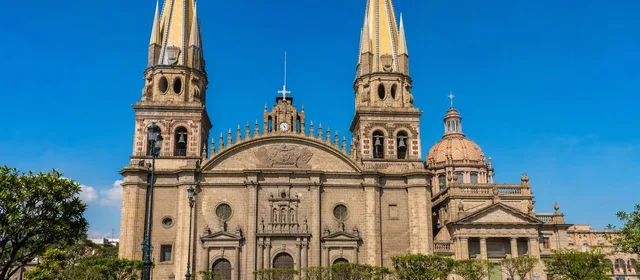
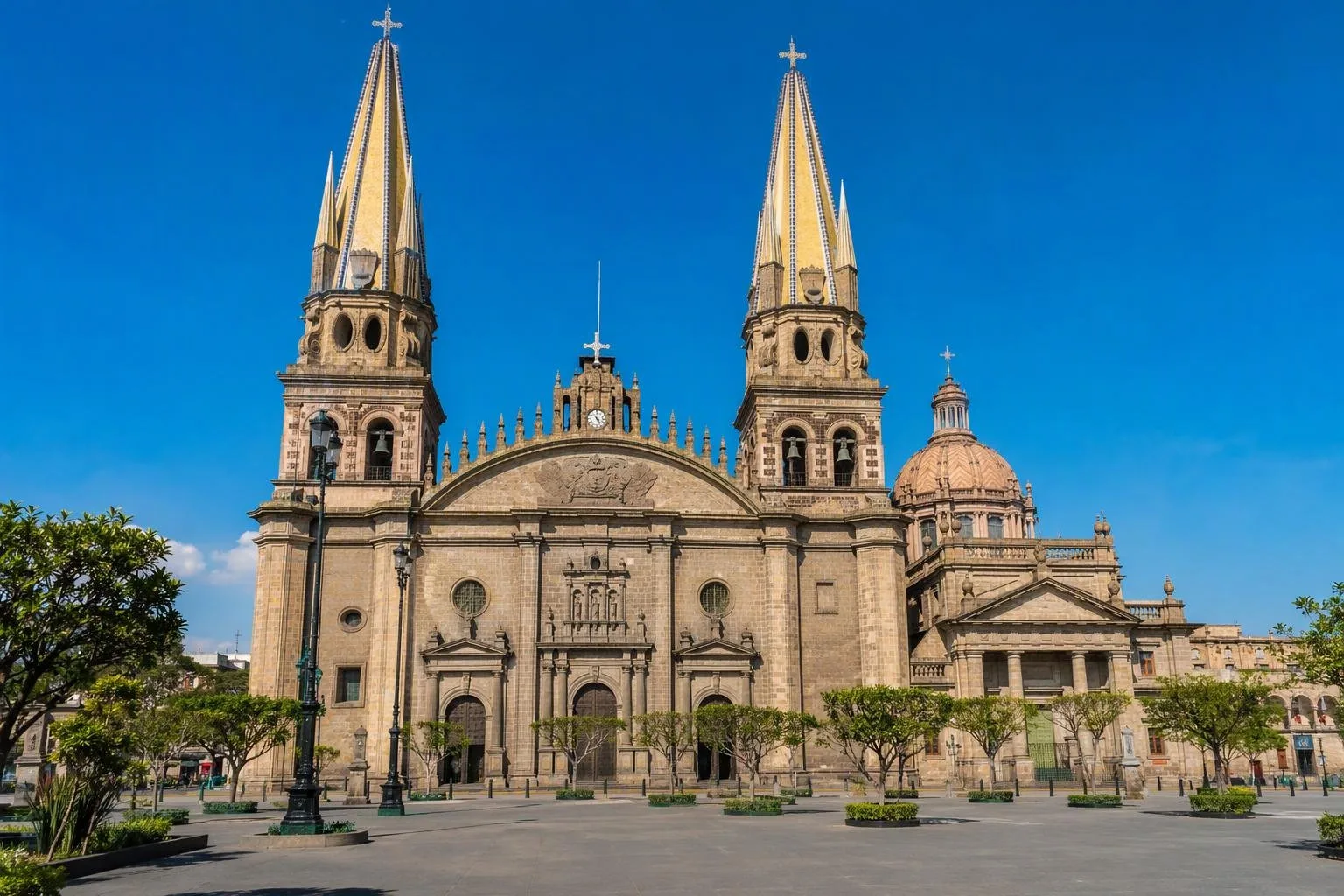
Guadalajara’s centre is best understood on foot. The Metropolitan Cathedral anchors the Cruz de Plazas, a sequence of public squares that also includes Plaza de Armas, Plaza de la Liberación and the Rotunda of Illustrious Jalisco Citizens. The cathedral was built from the 16th to the 18th centuries; its distinctive twin towers dominate the central skyline.
Walk from the cathedral to the neoclassical Teatro Degollado, inaugurated in 1866 and still used for opera, dance, theatre and concerts. Nearby, the Government Palace holds José Clemente Orozco murals. These are not quick photo stops: allow time to look closely at the architecture and paintings.
Make time for Hospicio Cabañas
East of the core, Hospicio Cabañas is the city’s essential art-and-architecture visit. The early-19th-century complex was built to shelter and care for people in need, including orphans and older people. Its low-scale plan is organised around courtyards, creating a deliberate rhythm of covered passages, open space and chapels.
The chapel contains Orozco’s mural cycle, painted in 1936–39, including The Man of Fire. Give the site a separate block of time rather than squeezing it into a fast circuit of the centre. It is a World Heritage property for both its social-purpose architecture and its murals.
Barragán’s Guadalajara
Luis Barragán was born in Guadalajara, trained here as a civil engineer and made early work in the city before moving to Mexico City in 1936. For a direct encounter with that period, visit Casa ITESO Clavigero in Colonia Americana, originally the González Luna house.
Barragán designed it in 1928–29. The house already shows concerns that mattered throughout his career: light, textured surfaces, gardens, large volumes and carefully separated private and social spaces. It now operates as a cultural venue; its address is José Guadalupe Zuno 2083. The house is open free of charge, with guided visits available in Spanish and English.
Food and neighbourhood scale
For a practical local meal, look for tortas ahogadas—salted birote bread filled with carnitas and served with chilli sauce—or carne en su jugo, beef with beans and bacon in broth. San Juan de Dios, officially Mercado Libertad, is the major covered market near Hospicio Cabañas and a useful stop for everyday food and market scale.
Colonia Americana provides the contrast to the historic core: galleries, cafés, restaurants and cultural spaces. Treat it as a separate walk, not an extension of the cathedral circuit.
Getting around
Keep the central sights to a walking day. Guadalajara Centro station on the light-rail network sits beneath Plaza de Armas, making it a useful arrival point for the historic centre. Use public transport or a taxi/ride-hail for Colonia Americana and other longer cross-city trips. Tequila, Tlaquepaque and Tonalá are separate destinations, not stops to tack onto a short city-centre walk.
From the magazine
Stories about Guadalajara
Editorial stories linked directly to Guadalajara.
No stories about Guadalajara have been published yet.
Routes from our editors
Travel through Guadalajara
Editorial routes connecting Guadalajara with other countries, cities and hotspots.
No routes through Guadalajara have been published yet.
More in Mexico
Related hotspots
Other cities, nature areas and places within Mexico.
Mexico City
4 linked stories and routes
La Merced
1 linked stories and routes
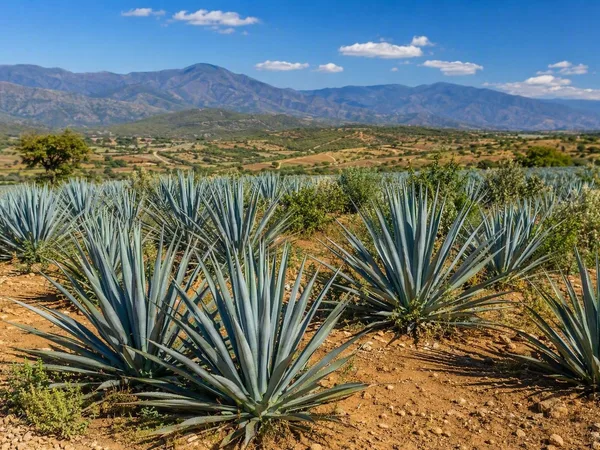
Oaxaca
1 linked stories and routes
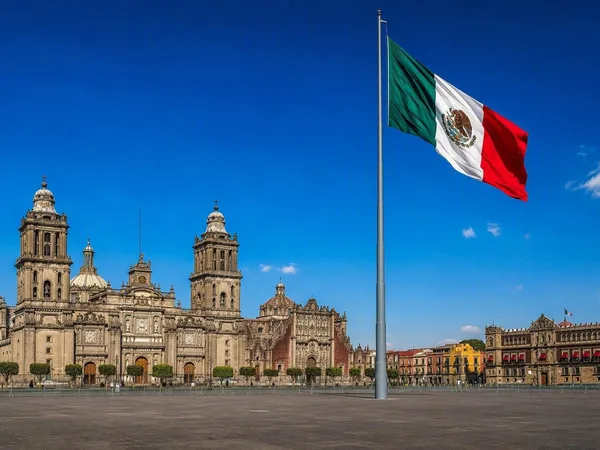
The Zócalo, Mexico City
1 linked stories and routes
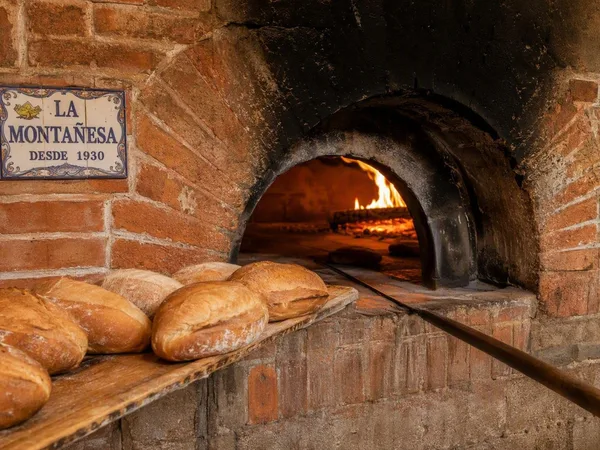
Tlalpan, Mexico City
1 linked stories and routes
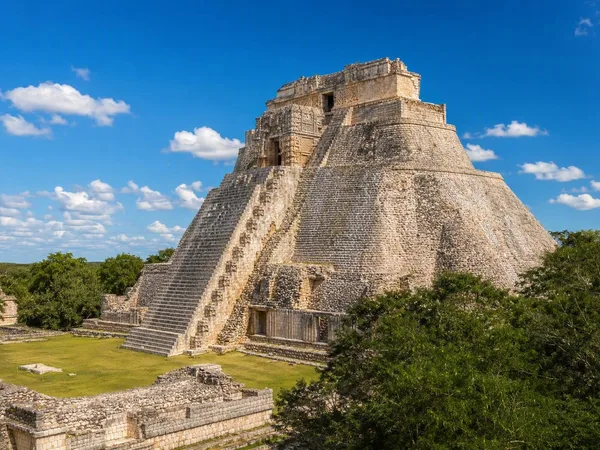
Yucatán
1 linked stories and routes
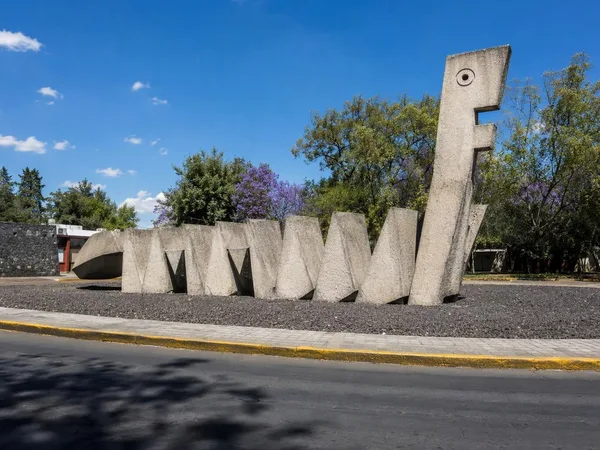
Jardines del Pedregal
1 linked stories and routes
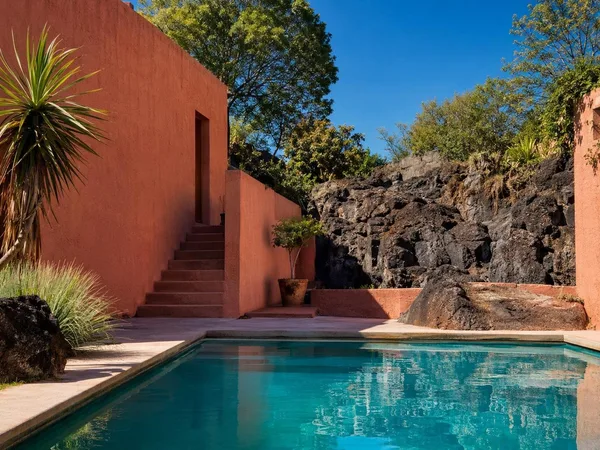
Casa Pedregal
1 linked stories and routes
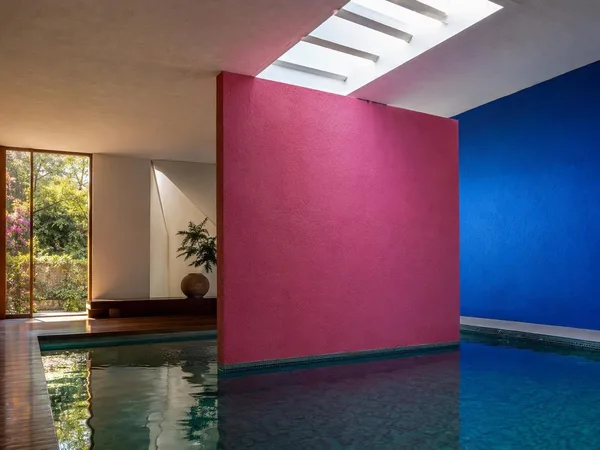
Casa Gilardi
1 linked stories and routes
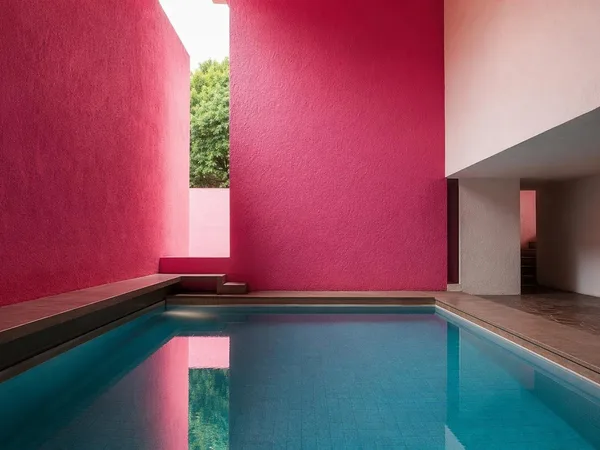
San Miguel Chapultepec
1 linked stories and routes
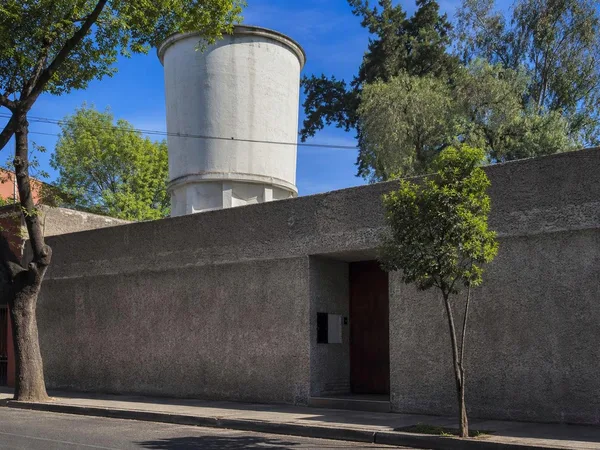
Tacubaya, Mexico City
1 linked stories and routes
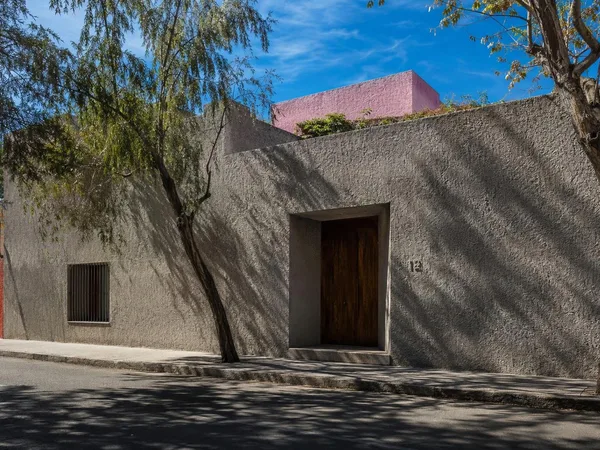
Casa Luis Barragán
1 linked stories and routes
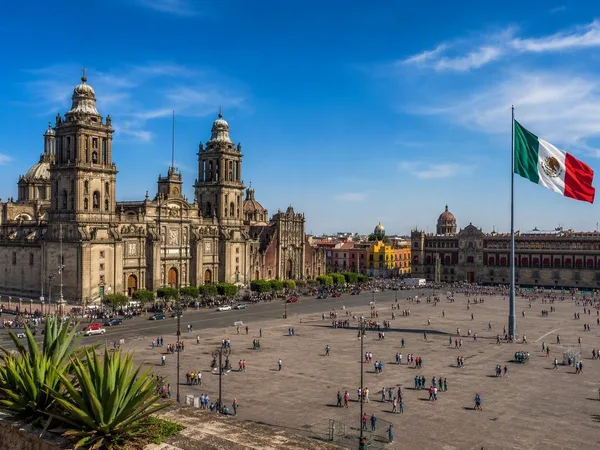
Centro Histórico
0 linked stories and routes
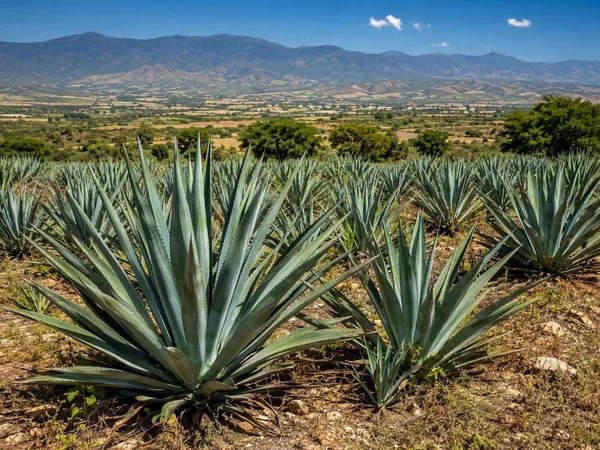
Central Valleys of Oaxaca
0 linked stories and routes
Sierra Sur, Oaxaca
0 linked stories and routes