
Nature area · South Korea
Gwangnaru
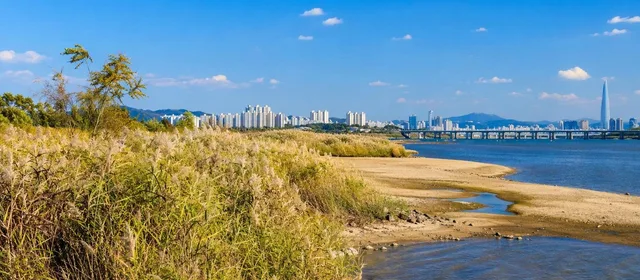
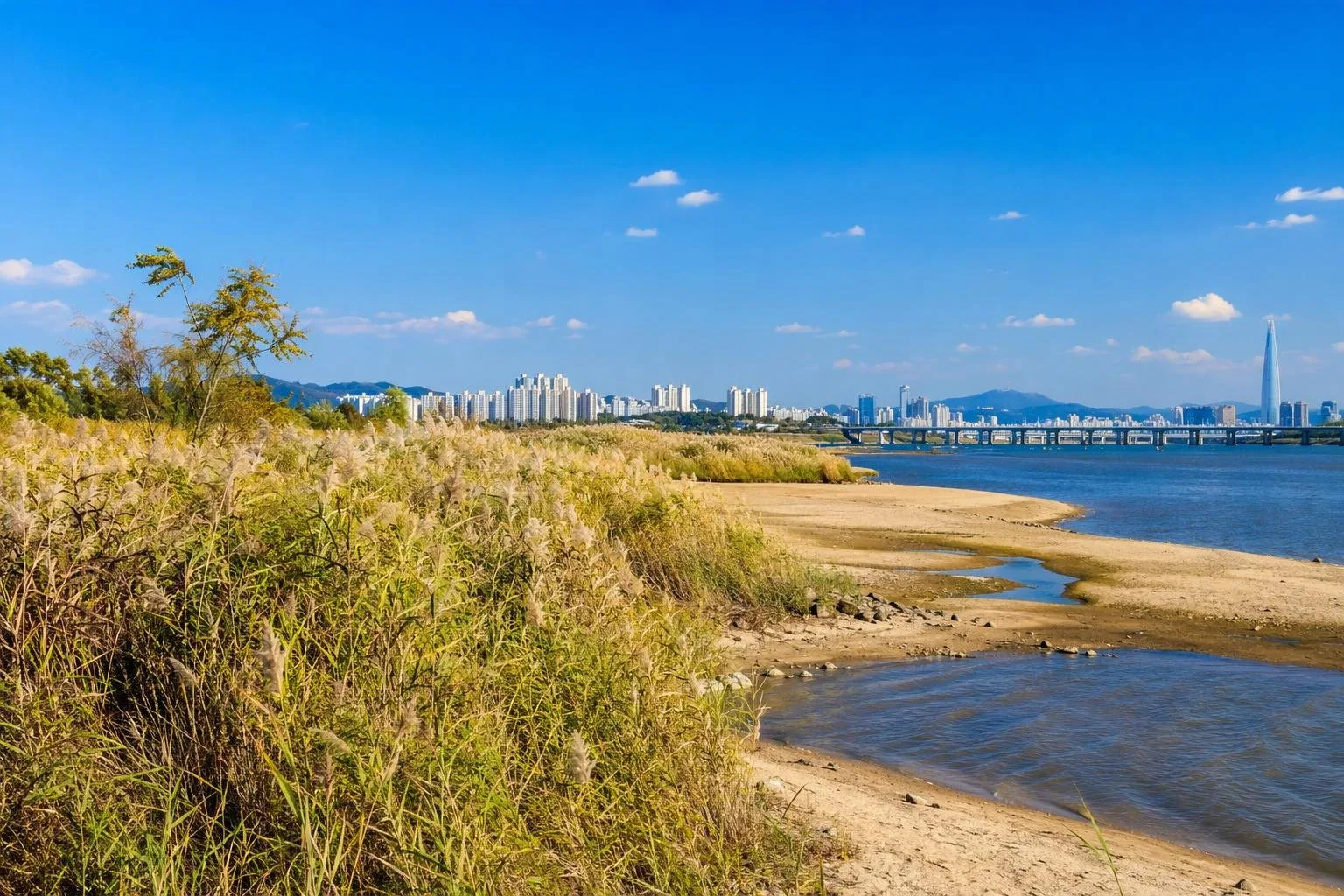
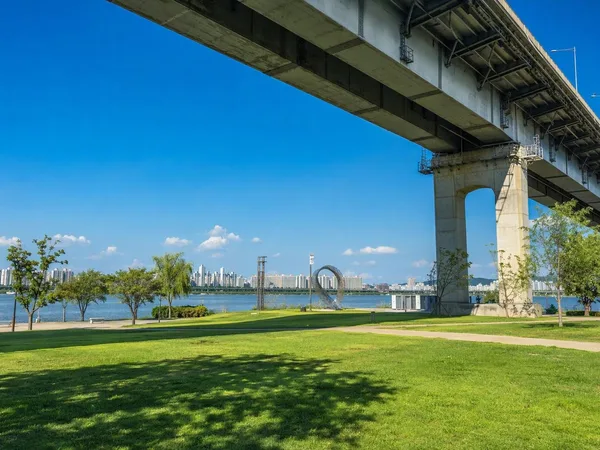
Gwangnaru is the eastern Han River landscape of Seoul, between Gangdongdaegyo and Jamsil Railway Bridge. Its sandbanks and long reed beds make it the city’s most natural-looking riverside park section.
What Gwangnaru is
Gwangnaru is the broad eastern stretch of Gwangnaru Hangang Park in Gangdong-gu, Seoul. It runs beside the Han River between Gangdongdaegyo Bridge and Jamsil Railway Bridge, combining river paths, sports grounds and ecological riverbank.
Its defining feature is not a monument but the river itself: silt carried downstream has formed sandy flats, while extensive reed beds line the shore. Achasan rises on the north side of the river, giving this part of Seoul a more open, less built-up river view.
Reed beds, sandbanks and birds
Walk the riverside paths for the park’s core landscape: reeds, shallow water and sandbanks rather than waterfront cafés or cruise piers. The reed fields extend for up to 2 km along the bank and are especially striking when the stems turn silver in autumn.
This is a water-source protection area and an important bird habitat. Keep to established paths around ecological areas; the point is to watch the riverbank without treating it as a beach. Amsa Ecological Park lies within the wider Gwangnaru riverside area and adds managed habitat beside the reeds.
Moving along the river
Gwangnaru is well suited to a long, level walk or bike ride. The park has a 7.9 km bicycle route network, with sections shared by cyclists and pedestrians. Walkers should keep right and remain alert where paths are shared.
For a built viewpoint, head west toward Gwangjin Bridge 8th Avenue, an observatory built beneath Gwangjin Bridge. Its glass walls and floor look directly over the river and toward the surrounding bridges and banks.
The park also contains a bicycle park, playing fields, courts, playgrounds, convenience stores, toilets and parking. These facilities are spread out: choose the entrance closest to the part of the river you want to see rather than expecting a compact central park.
Getting there
The practical rail access points are Cheonho Station on lines 5 and 8, and Amsa Station on line 8. From Amsa Station Exit 4, use the riverside entrance toward the park; Cheonho gives access to the western end.
The main address is 83-106 Seonsa-ro, Amsa-dong, Gangdong-gu. The park is open year-round and admission is free. Four parking areas serve the site, but public transport is simpler for a one-way riverside walk.
Water and site rules
Do not enter the river. Boating and water-leisure activities are prohibited in Gwangnaru’s protected water-source zone; fishing is also prohibited in designated areas. These restrictions are central to the protected riverside habitat.
Cyclists and personal-mobility users must use designated cycle routes and give pedestrians priority. Drones are not generally permitted across Hangang parks; the designated Gwangnaru Drone Park is the exception, with its own operating rules and reservation requirements.
From the magazine
Stories about Gwangnaru
Editorial stories linked directly to Gwangnaru.
No stories about Gwangnaru have been published yet.
Routes from our editors
Travel through Gwangnaru
Editorial routes connecting Gwangnaru with other countries, cities and hotspots.
No routes through Gwangnaru have been published yet.
More in South Korea
Related hotspots
Other cities, nature areas and places within South Korea.
Busan
3 linked stories and routes
Seoul
2 linked stories and routes

Jagalchi Market
1 linked stories and routes
Nampo-dong
1 linked stories and routes
Yeongdo Island
1 linked stories and routes
Jeju
1 linked stories and routes
Seogwipo
1 linked stories and routes
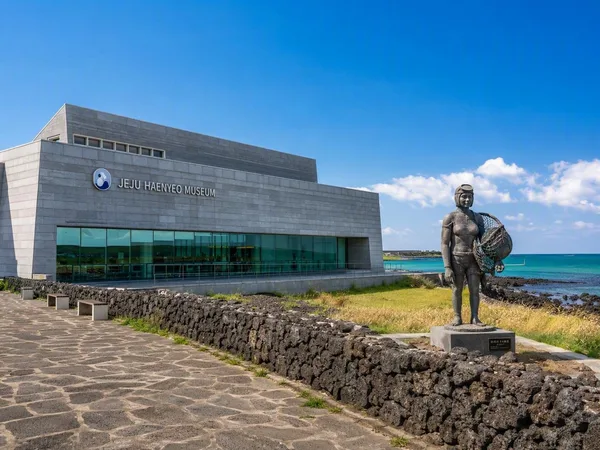
Gujwa
1 linked stories and routes
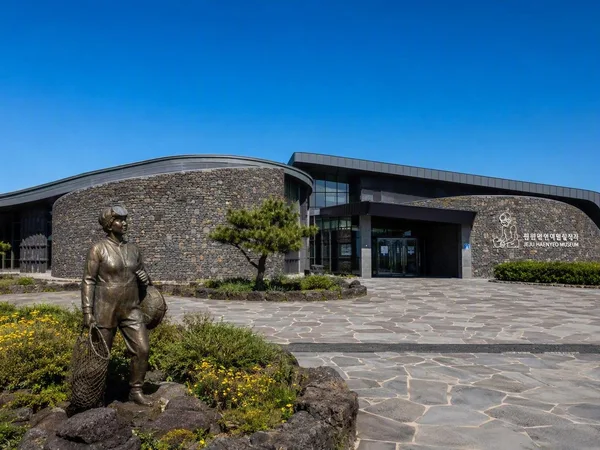
Jeju Haenyeo Museum
1 linked stories and routes
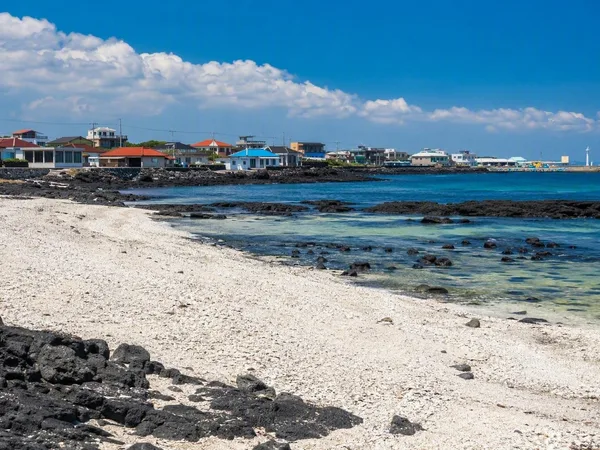
Sehwa, Jeju
1 linked stories and routes
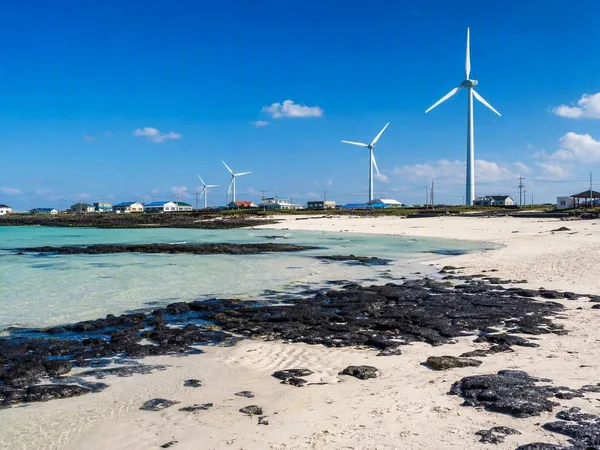
Gimnyeong
1 linked stories and routes
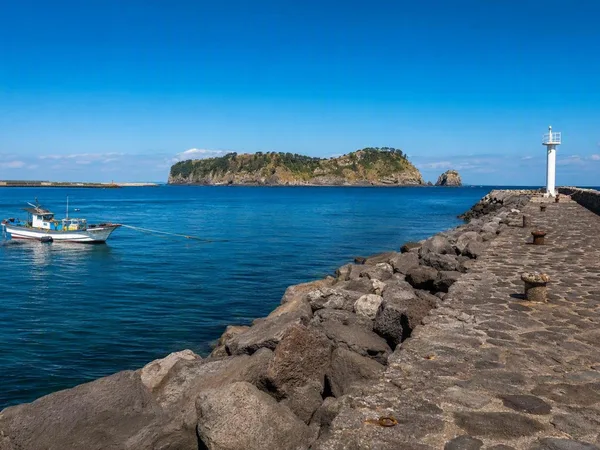
Beophwan
1 linked stories and routes
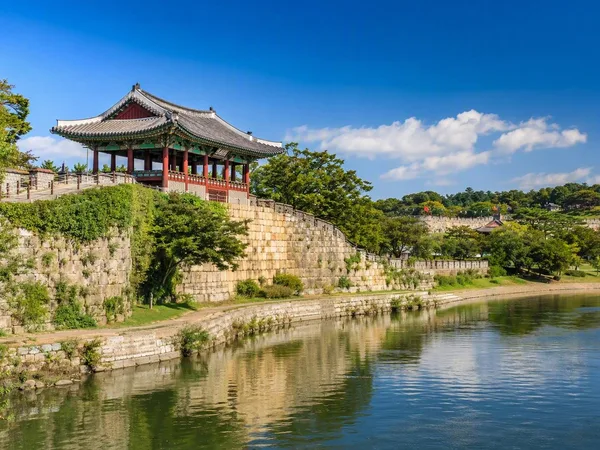
Jinju
1 linked stories and routes
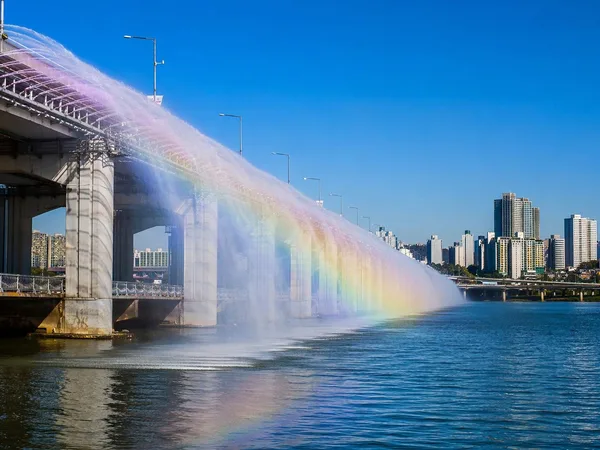
Banpo, Seoul
1 linked stories and routes
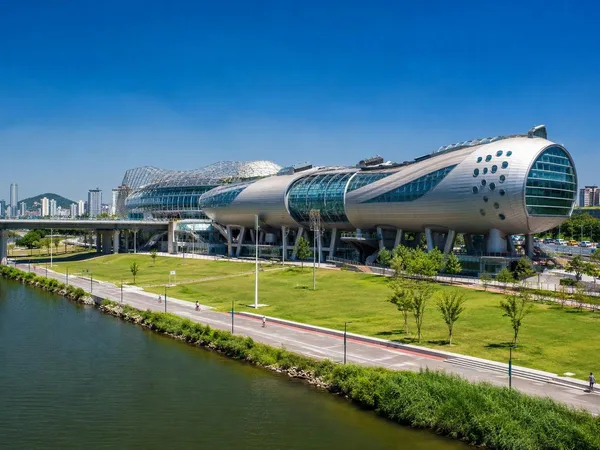
Ttukseom Hangang Park
1 linked stories and routes
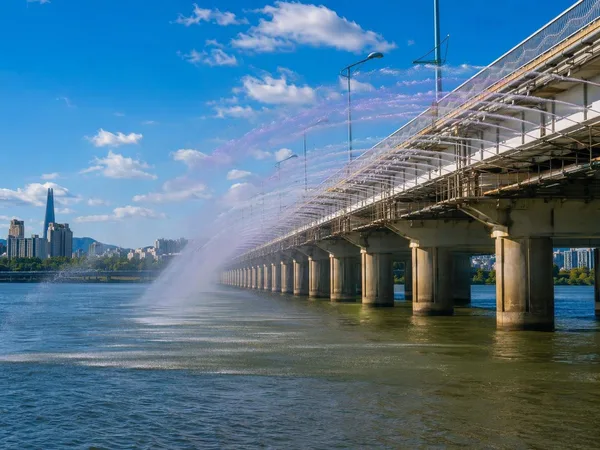
Hangang River, Seoul
1 linked stories and routes
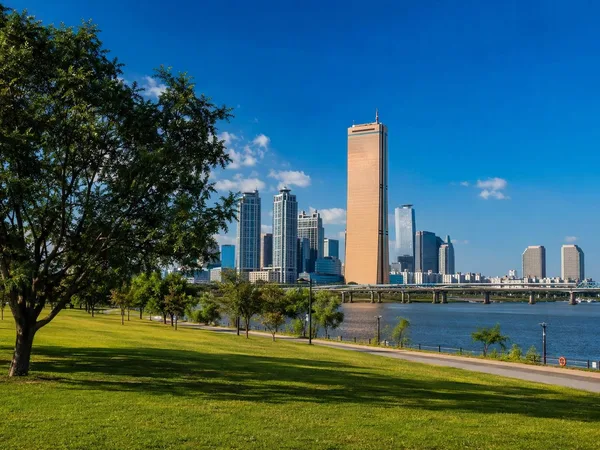
Yeouido
1 linked stories and routes
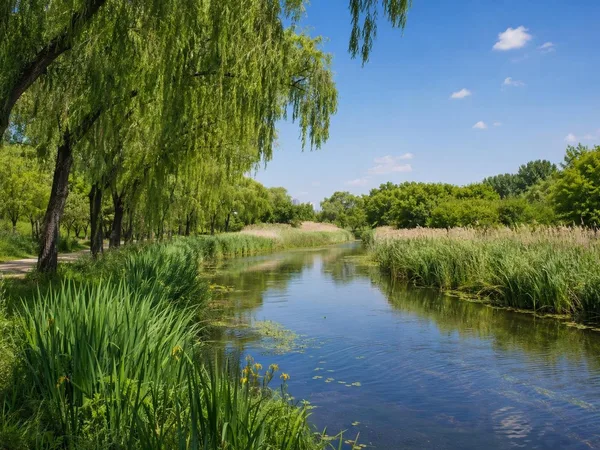
Saetgang Ecological Park, Yeouido
1 linked stories and routes
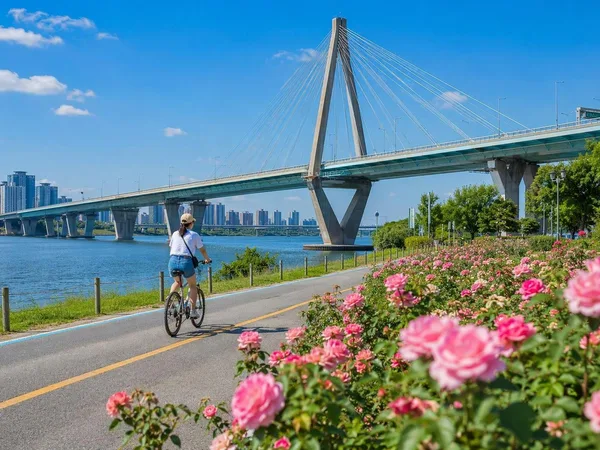
Yanghwa Hangang Park
1 linked stories and routes
Nodeul Island
1 linked stories and routes