
Sight · Jordan
Temple of Hercules
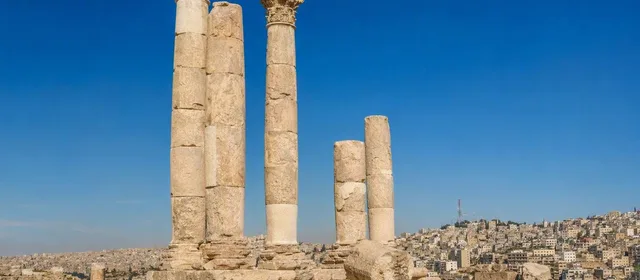
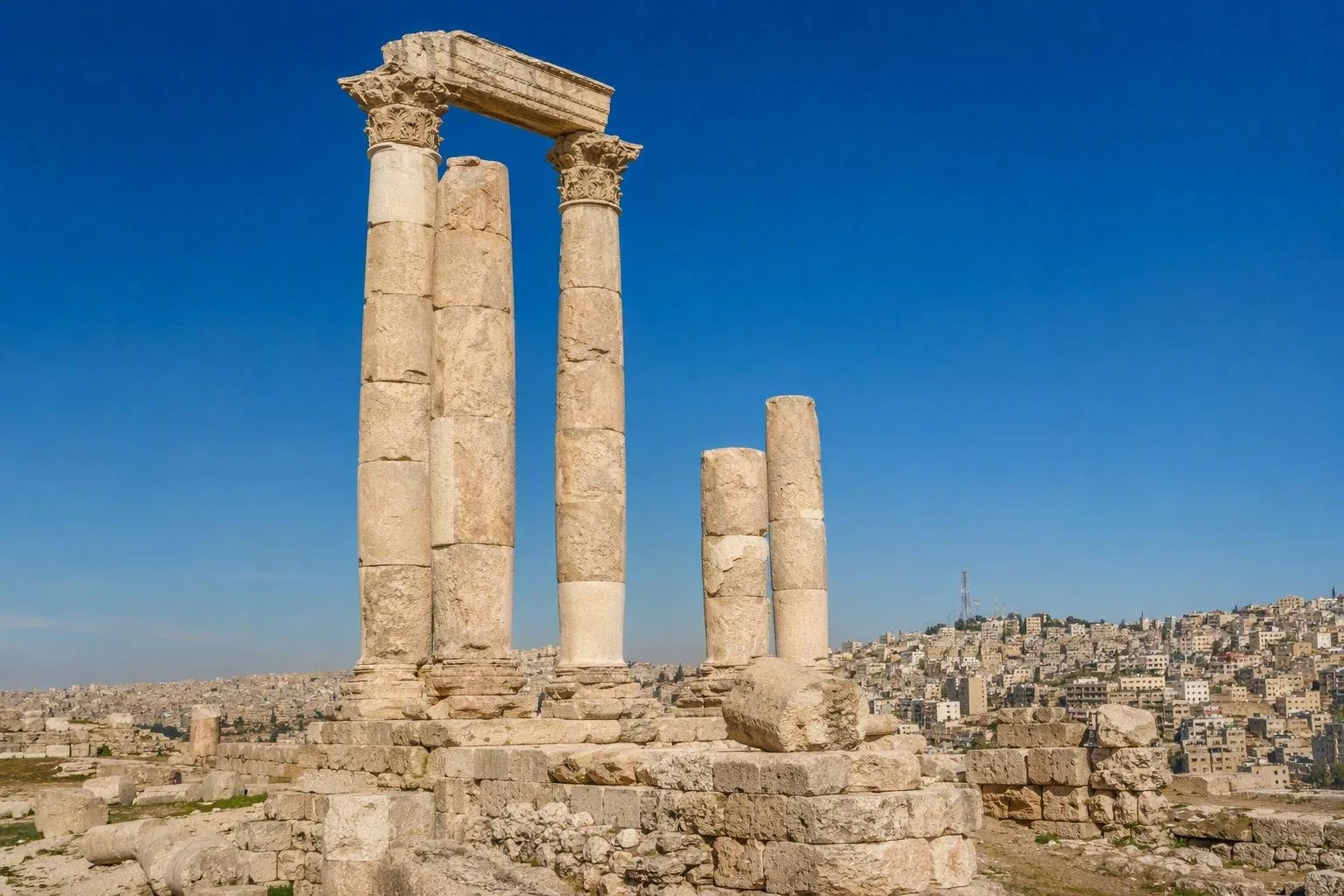
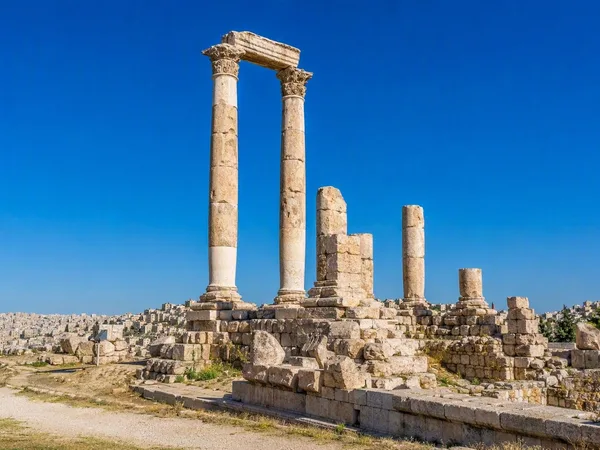
The Temple of Hercules is a monumental Roman sanctuary on the middle terrace of Amman Citadel, high above downtown Amman, Jordan. Its restored columns are the Citadel’s most legible Roman landmark.
What you are seeing
The building popularly called the Temple of Hercules is more cautiously known as the Great Temple of Amman. It was built when Amman was Roman Philadelphia, during the governorship of Geminius Marcianus in AD 161–166. The identification with Hercules is widespread but not conclusive, so treat the familiar name as a useful label rather than a settled fact.
The temple stands on the Citadel’s middle terrace inside a colonnaded sacred precinct, or temenos. Its east-facing façade was aligned with the city below; a monumental stair once connected the precinct to Roman Philadelphia.
Read the architecture
Start at the podium. It measures 43 by 27 metres and carried a six-column front, making the scale easier to grasp than the fragmentary remains initially suggest. Including their bases, the columns reached 13.5 metres. Each was assembled from five or six stone drums, with individual drums weighing up to 11 tonnes.
Look for these elements:
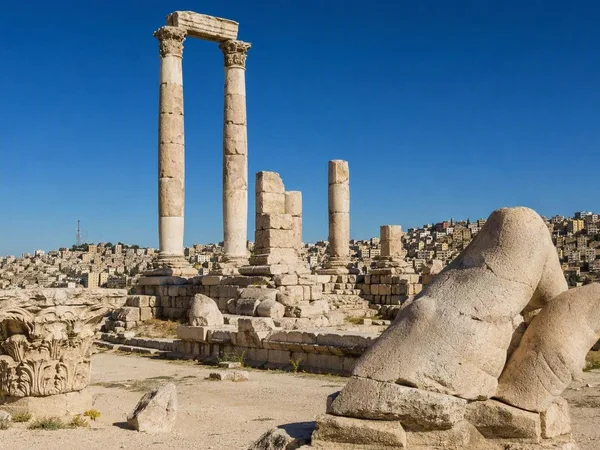
- The restored columns and architrave: three columns were partially re-erected in the 1990s, with an architrave block reset above them. They establish the original height and frontality of the temple.
- Low blocks and column fragments: these mark the larger footprint more clearly than they recreate a complete building.
- The eastern orientation: face outward from the façade to understand how the temple addressed the Roman city in the valley.
Archaeological evidence suggests that columns planned for the sides may never have been completed. Much of the surviving stone was also reused long before the present-day restoration.
The colossal fragments
Near the temple are a giant marble hand and elbow, remains of a statue estimated at roughly 13 metres high. They are often linked to Hercules and give the popular temple name its visual force. The statue’s identity is not certain, however; the fragments are more securely evidence of the sanctuary’s extraordinary intended scale.
Do not rush past the hand for the columns alone. The contrast between a human-sized visitor, the marble fragments and the column drums makes the Roman building programme immediately comprehensible.
Visit within the Citadel
The temple is not a separate ticketed monument: enter it as part of Jabal al-Qal'a (Amman Citadel). It is a short walk from the Citadel entrance and close to the Jordan Archaeological Museum. Allow time to circle the podium rather than viewing it only from the main approach.
The ground is exposed and uneven, with loose stone and archaeological remains underfoot. Wear shoes with grip, carry water in warm weather and avoid treating the masonry as climbing equipment. Early morning gives clearer light on the east-facing façade; later in the day, the columns work well against the cityscape below.
Place it in Amman
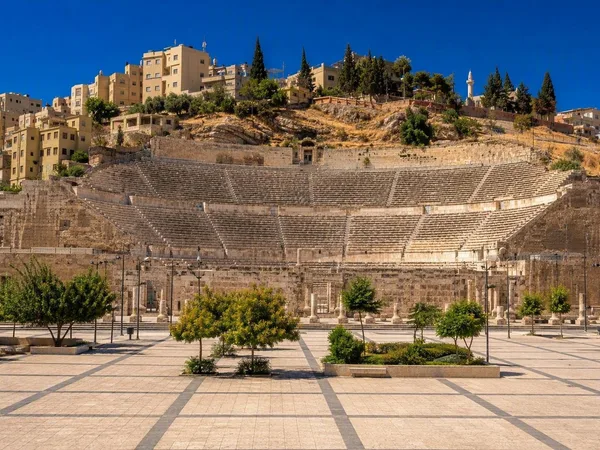
The temple is one layer of a hill occupied across many periods, but its position explains its Roman purpose: a major sanctuary set above the civic centre. From the terrace, look south across Downtown toward the Roman Theatre. That sightline connects the elevated sacred precinct with the public monuments of ancient Philadelphia, while today’s dense city fills the valley between them.
From the magazine
Stories about Temple of Hercules
Editorial stories linked directly to Temple of Hercules.
No stories about Temple of Hercules have been published yet.
Routes from our editors
Travel through Temple of Hercules
Editorial routes connecting Temple of Hercules with other countries, cities and hotspots.
No routes through Temple of Hercules have been published yet.
More in Jordan
Related hotspots
Other cities, nature areas and places within Jordan.
Amman
5 linked stories and routes
Al-Balad
4 linked stories and routes
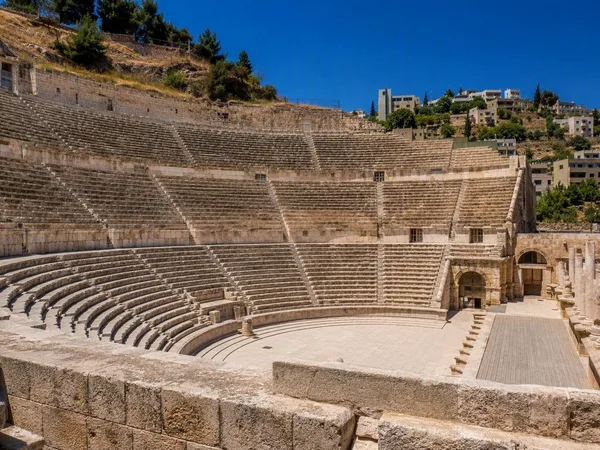
Roman Theatre, Amman
4 linked stories and routes
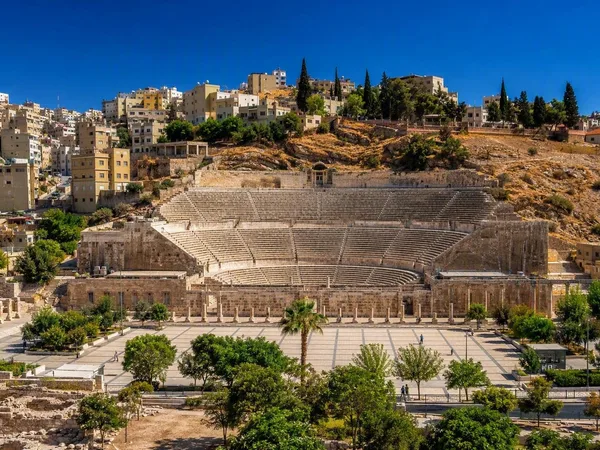
Wadi Amman
3 linked stories and routes
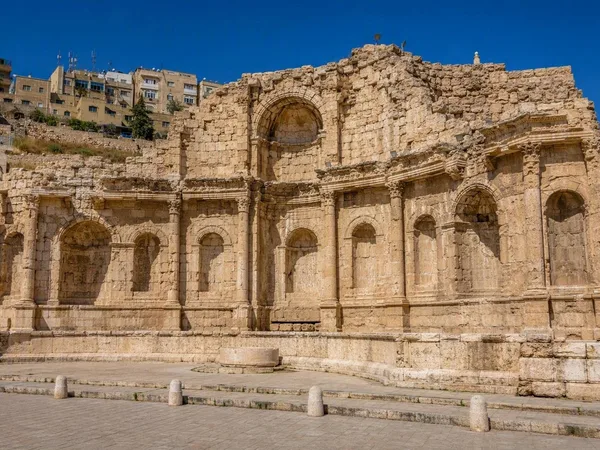
Roman Nymphaeum
3 linked stories and routes
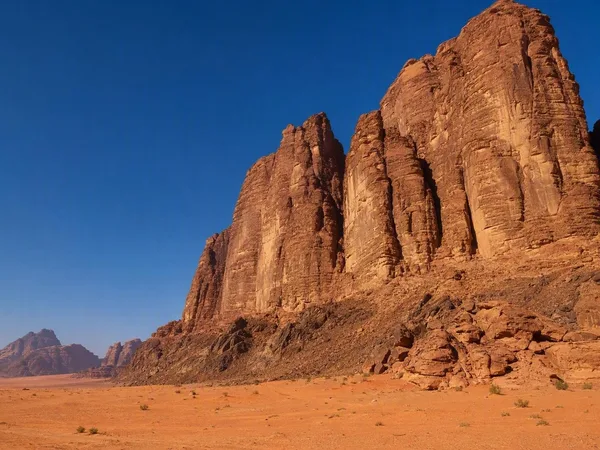
Wadi Rum
3 linked stories and routes
Jabal al-Qal'a (Amman Citadel)
3 linked stories and routes
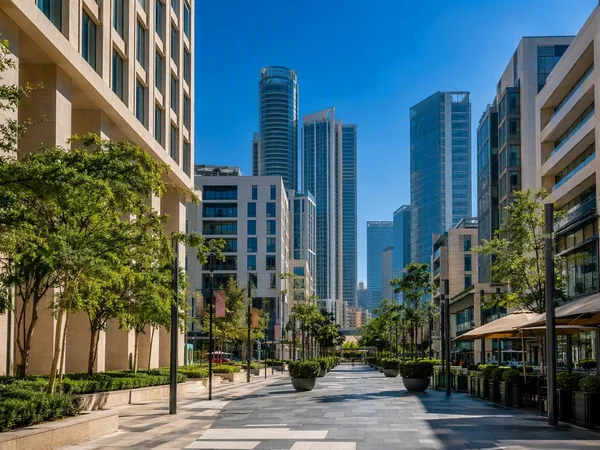
Abdali
2 linked stories and routes
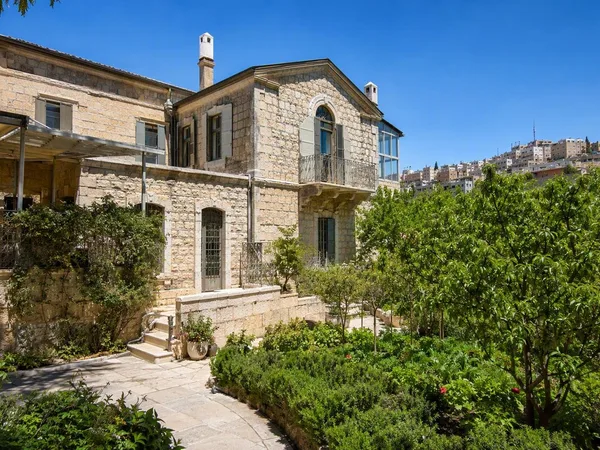
Jabal al-Weibdeh
2 linked stories and routes
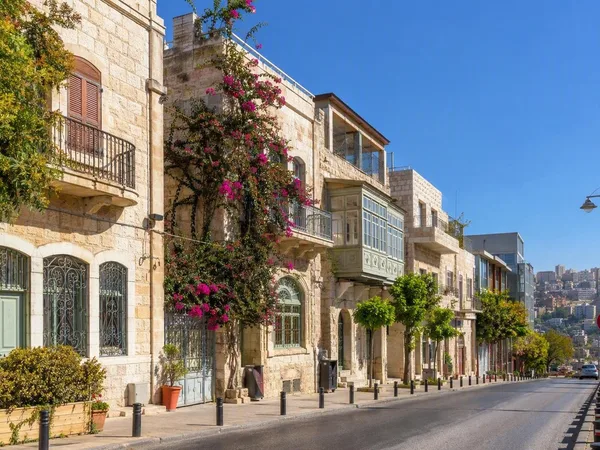
Jabal Amman
1 linked stories and routes
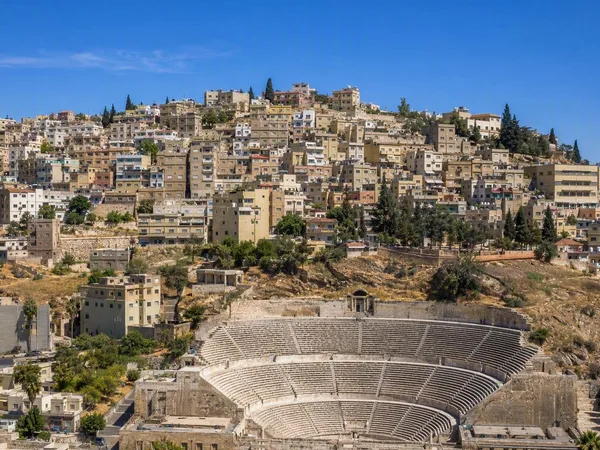
Jabal al-Jawfa, Amman
1 linked stories and routes
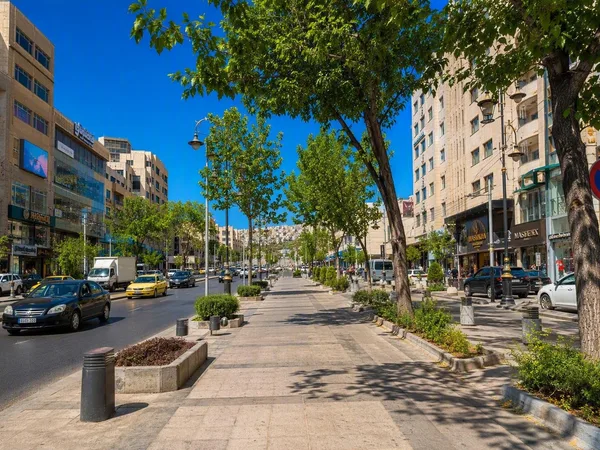
Jabal Hussein, Amman
1 linked stories and routes
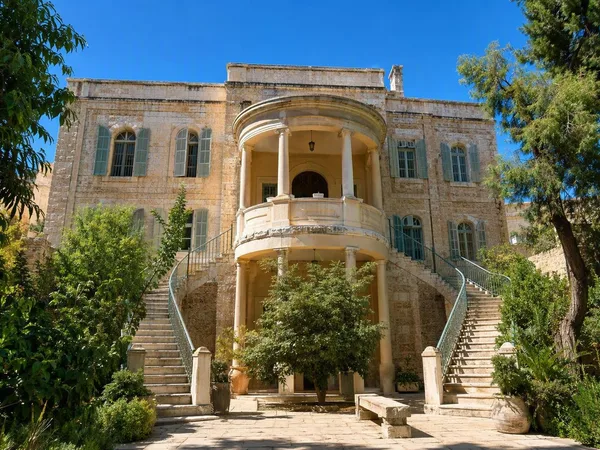
Darat al-Funun
1 linked stories and routes
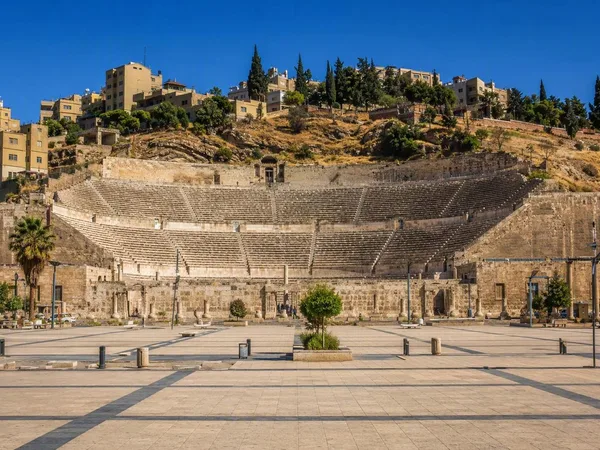
Hashemite Plaza
1 linked stories and routes
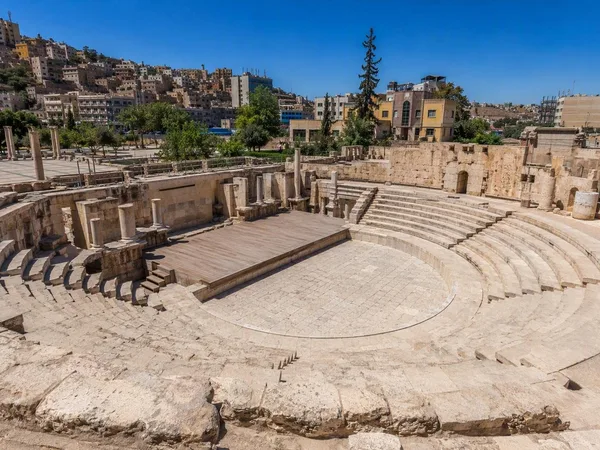
Odeon, Amman
1 linked stories and routes
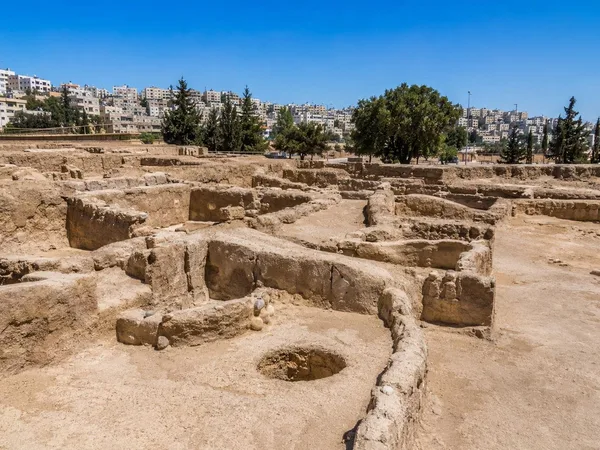
‘Ayn Ghazal
1 linked stories and routes
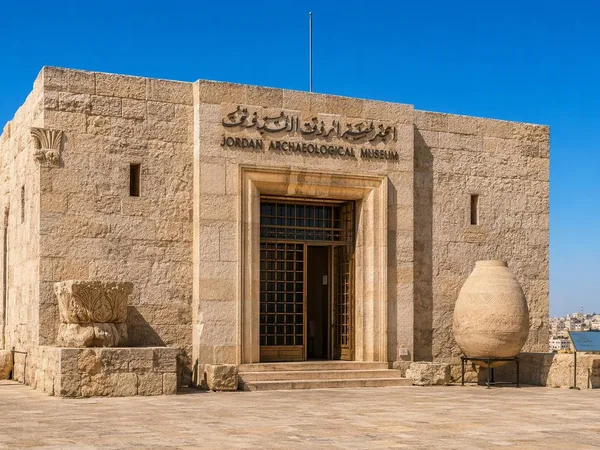
Jordan Archaeological Museum
1 linked stories and routes
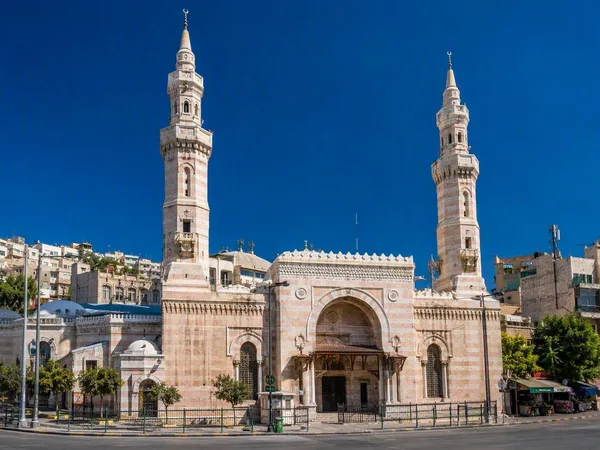
Husseini Mosque
0 linked stories and routes
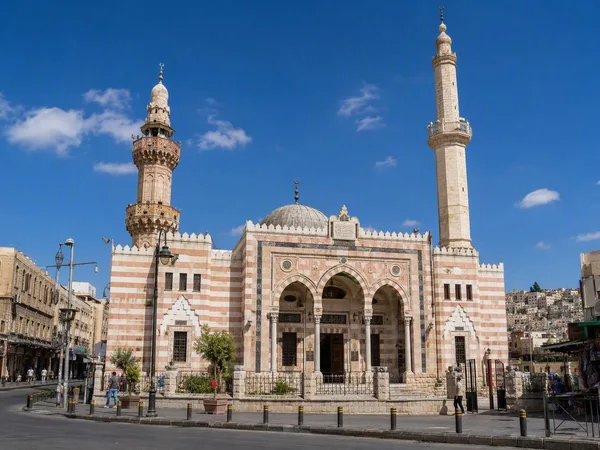
Husseini Mosque
0 linked stories and routes