
Sight · Jordan
‘Ayn Ghazal
‘Ayn Ghazal is a major Neolithic archaeological site on the outskirts of Amman, Jordan, beside Wadi Zarqa. Occupied from roughly 7250 to 5000 BCE, it is known for its extraordinary lime-plaster human figures.
Orientation
‘Ayn Ghazal lies on the edge of Wadi Zarqa in metropolitan Amman, near the road corridor to Zarqa. Its name refers to a nearby spring: ‘Ayn means spring. The setting is now thoroughly urban, but this was once a large, long-lived village in a landscape that supported cultivation, herding and hunting.
The site was exposed during road construction in 1974. Excavations from 1982 to 1998, followed by later emergency work, documented an occupation spanning more than two millennia.
Why it matters
This is a key site for understanding the Pre-Pottery Neolithic: the era when communities in the Levant were building permanent settlements and producing food before pottery became standard.
At its height, ‘Ayn Ghazal covered roughly 15 hectares, placing it among the largest known Neolithic settlements in the Near East. Residents cultivated crops, hunted and foraged, and herded sheep and goats. Excavations also recorded changing house forms, stone-tool technologies, plaster work and animal husbandry.
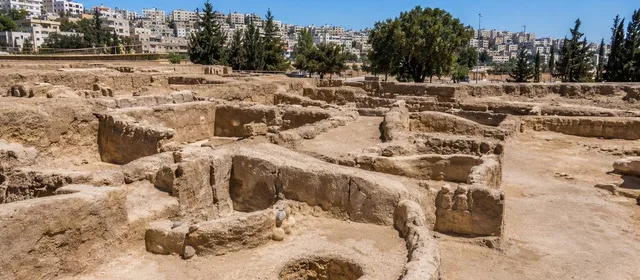
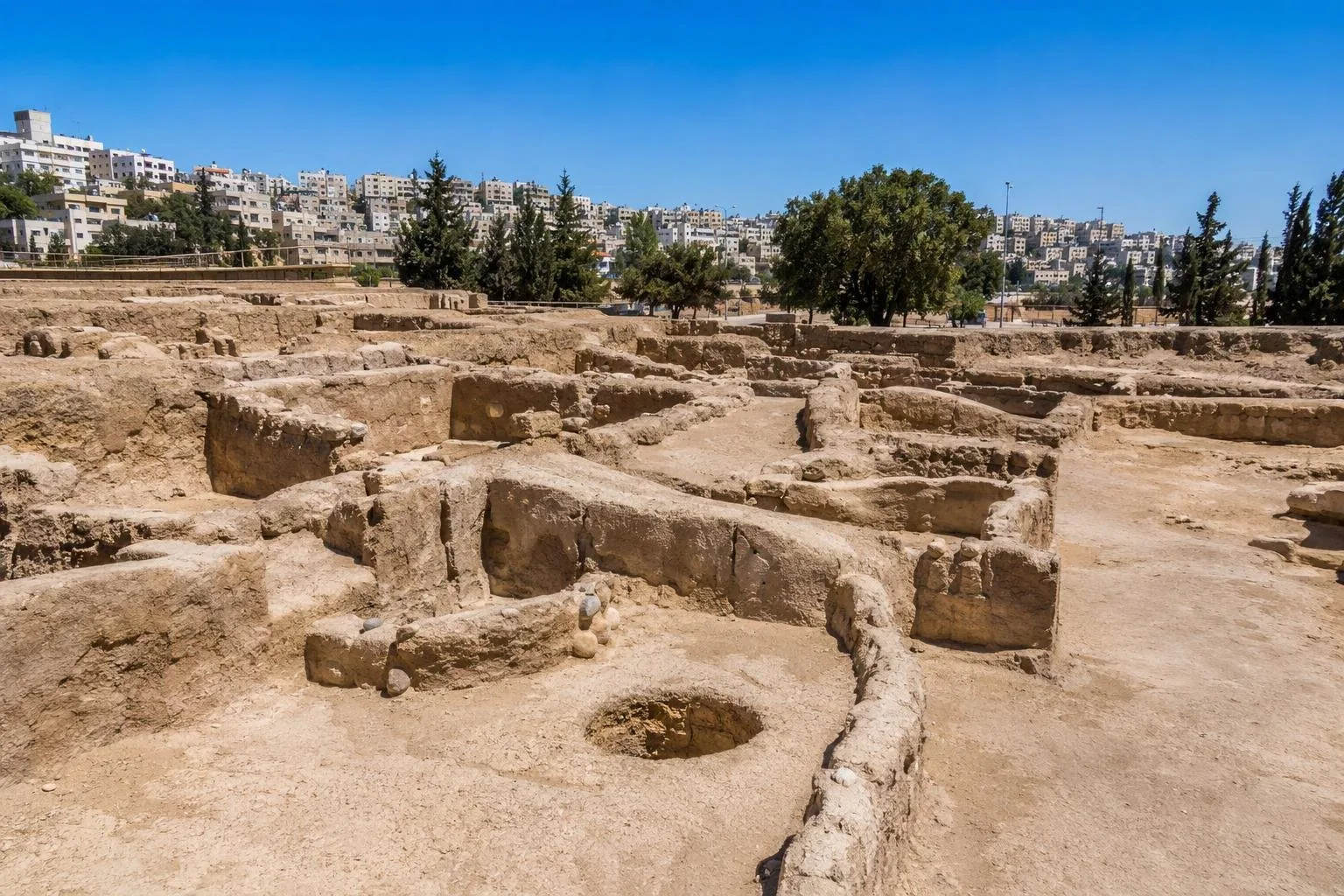
The physical remains are important, but do not expect monumental ruins. This is an archaeological landscape of excavated domestic structures and buried layers, not a reconstructed ancient town.
The plaster figures
The defining finds are the lime-plaster human statues and busts buried beneath house floors between about 7200 and 6500 BCE. Built around reed cores, the figures have large faces and striking eyes detailed with bitumen; some busts have two heads.
Their precise meaning is unresolved. What is secure is their technical ambition and deliberate deposition. Along with clay figurines and evidence of burials beneath house floors, they show that household life and ritual were closely connected here.
The statues are not displayed in situ. See examples in Amman museum collections, especially the Jordan Museum, to understand the discoveries before or after locating the site.
Reading the settlement
Look past the modern roads and buildings around the site. ‘Ayn Ghazal records the practical work behind settled life: maintaining houses, growing crops, managing animals and making lime plaster. That plaster required significant knowledge and fuel, while the village’s scale required coordination across many households.
The settlement changed over time rather than remaining a fixed model of an “early village.” Its long sequence captures shifts in architecture, subsistence and ritual through the Neolithic.
Essential approach
Road construction and continuing urban expansion have made conservation a central issue at ‘Ayn Ghazal. Do not climb on exposed archaeology, remove material or treat the place as an unsupervised ruin. The most rewarding visit pairs the location with the museum-held objects: the site supplies the landscape and context; the statues supply the human scale.
From the magazine
Stories about ‘Ayn Ghazal
Editorial stories linked directly to ‘Ayn Ghazal.
No stories about ‘Ayn Ghazal have been published yet.
Routes from our editors
Travel through ‘Ayn Ghazal
Editorial routes connecting ‘Ayn Ghazal with other countries, cities and hotspots.
No routes through ‘Ayn Ghazal have been published yet.
More in Jordan
Related hotspots
Other cities, nature areas and places within Jordan.
Amman
5 linked stories and routes
Al-Balad
4 linked stories and routes
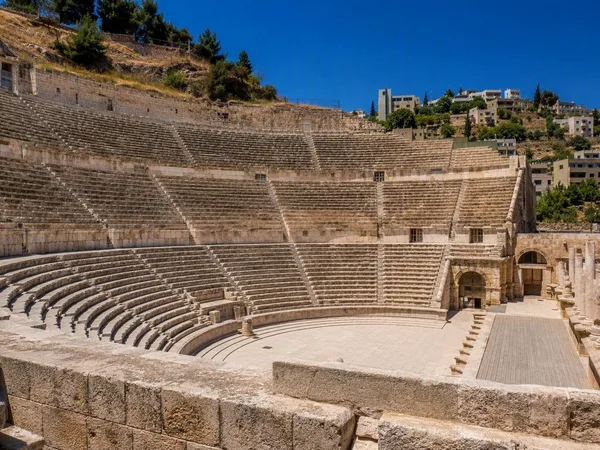
Roman Theatre, Amman
4 linked stories and routes
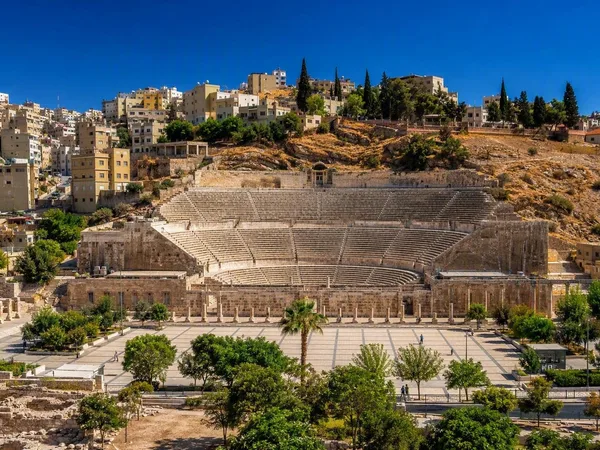
Wadi Amman
3 linked stories and routes
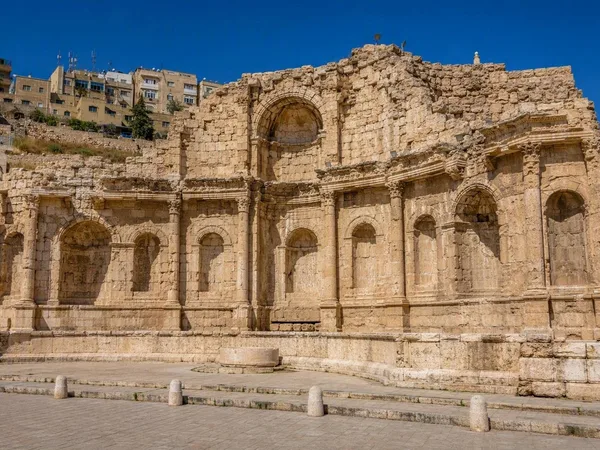
Roman Nymphaeum
3 linked stories and routes
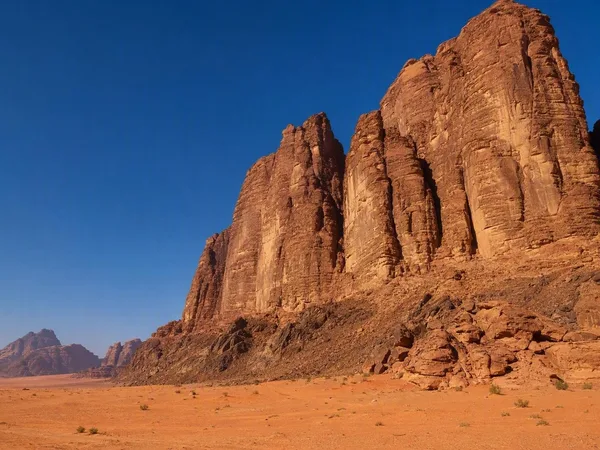
Wadi Rum
3 linked stories and routes
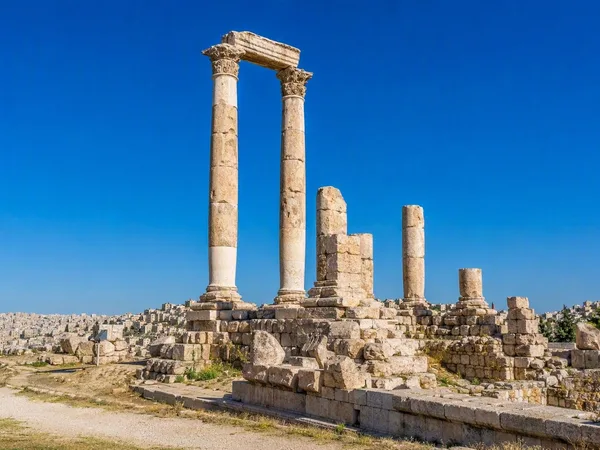
Jabal al-Qal'a (Amman Citadel)
3 linked stories and routes
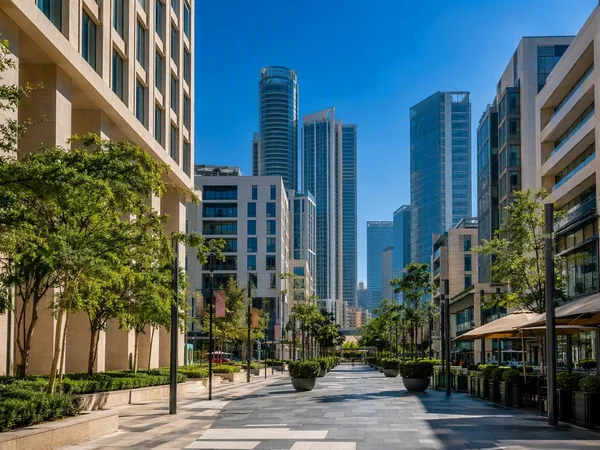
Abdali
2 linked stories and routes
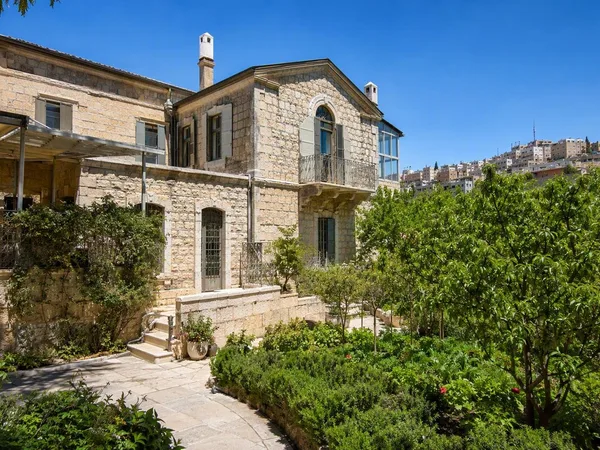
Jabal al-Weibdeh
2 linked stories and routes
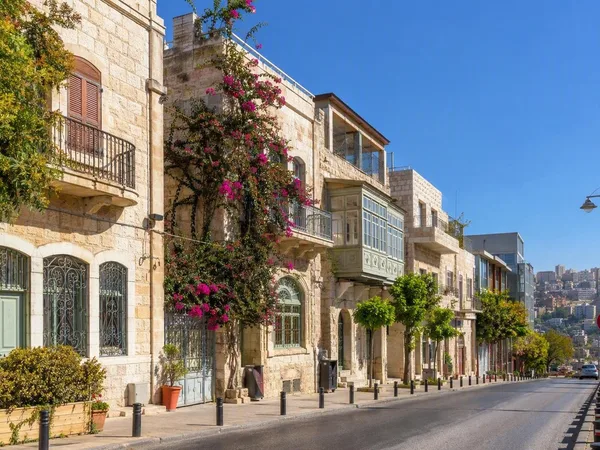
Jabal Amman
1 linked stories and routes
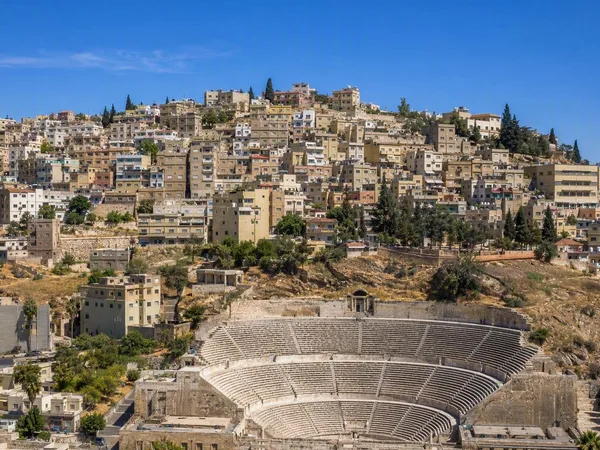
Jabal al-Jawfa, Amman
1 linked stories and routes
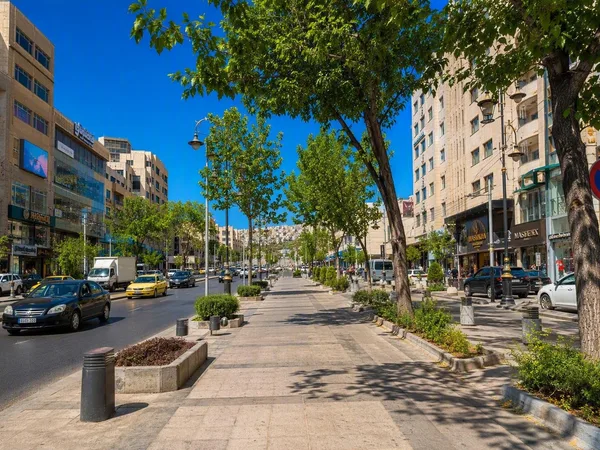
Jabal Hussein, Amman
1 linked stories and routes
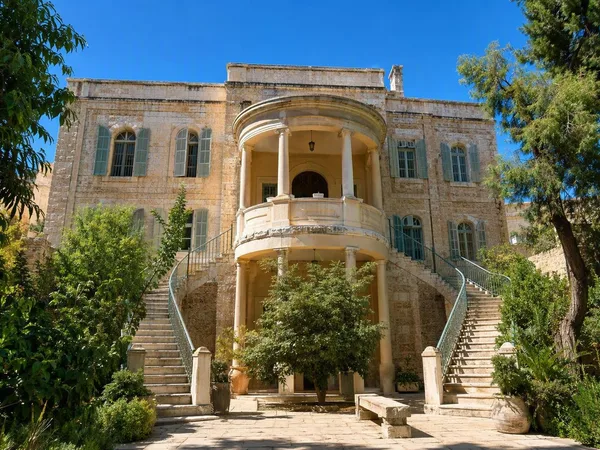
Darat al-Funun
1 linked stories and routes
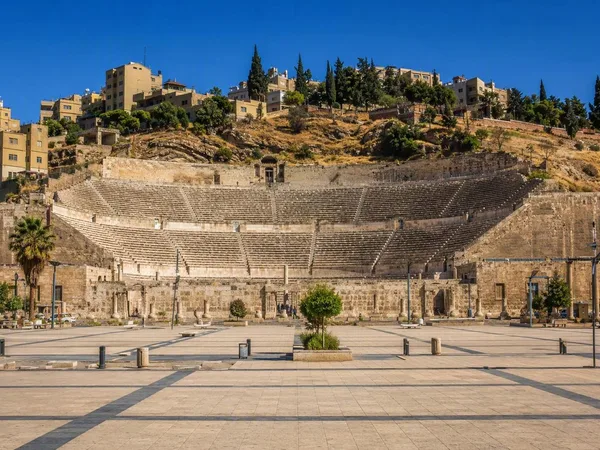
Hashemite Plaza
1 linked stories and routes
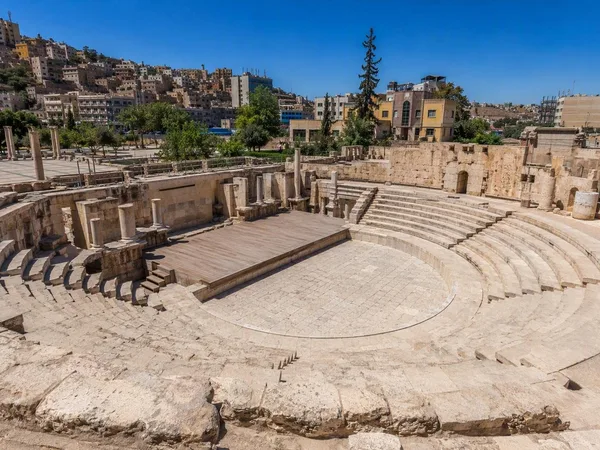
Odeon, Amman
1 linked stories and routes
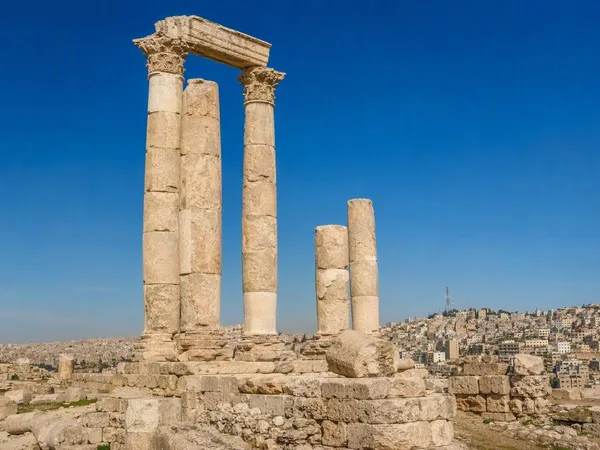
Temple of Hercules
1 linked stories and routes
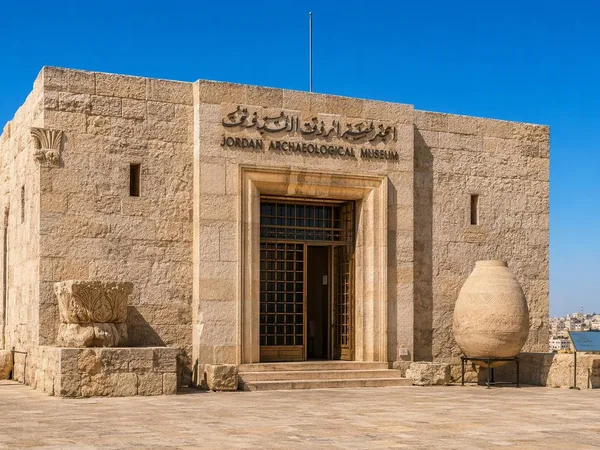
Jordan Archaeological Museum
1 linked stories and routes
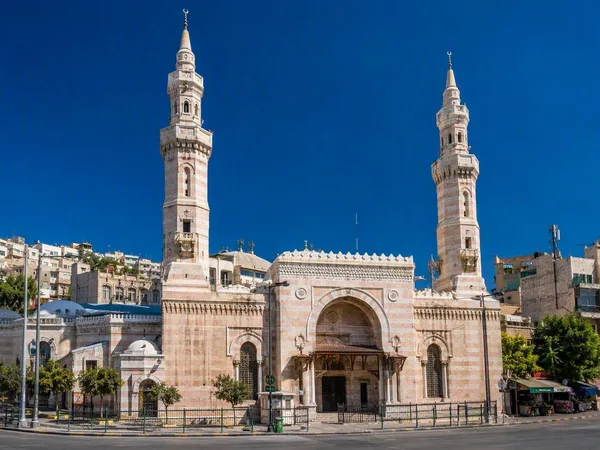
Husseini Mosque
0 linked stories and routes
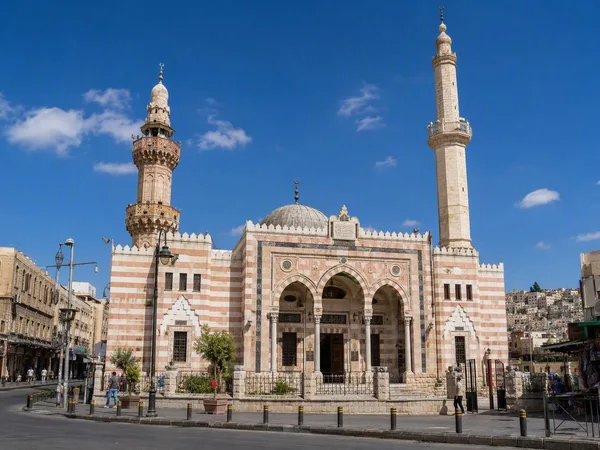
Husseini Mosque
0 linked stories and routes