
Sight · Iran
Shams-ol-Emareh
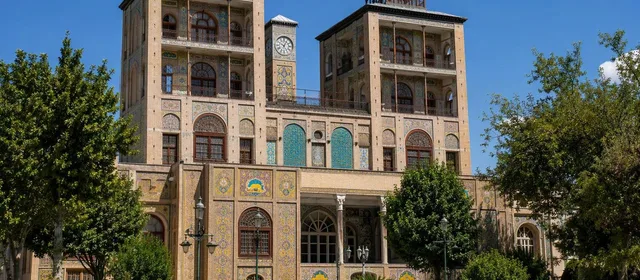
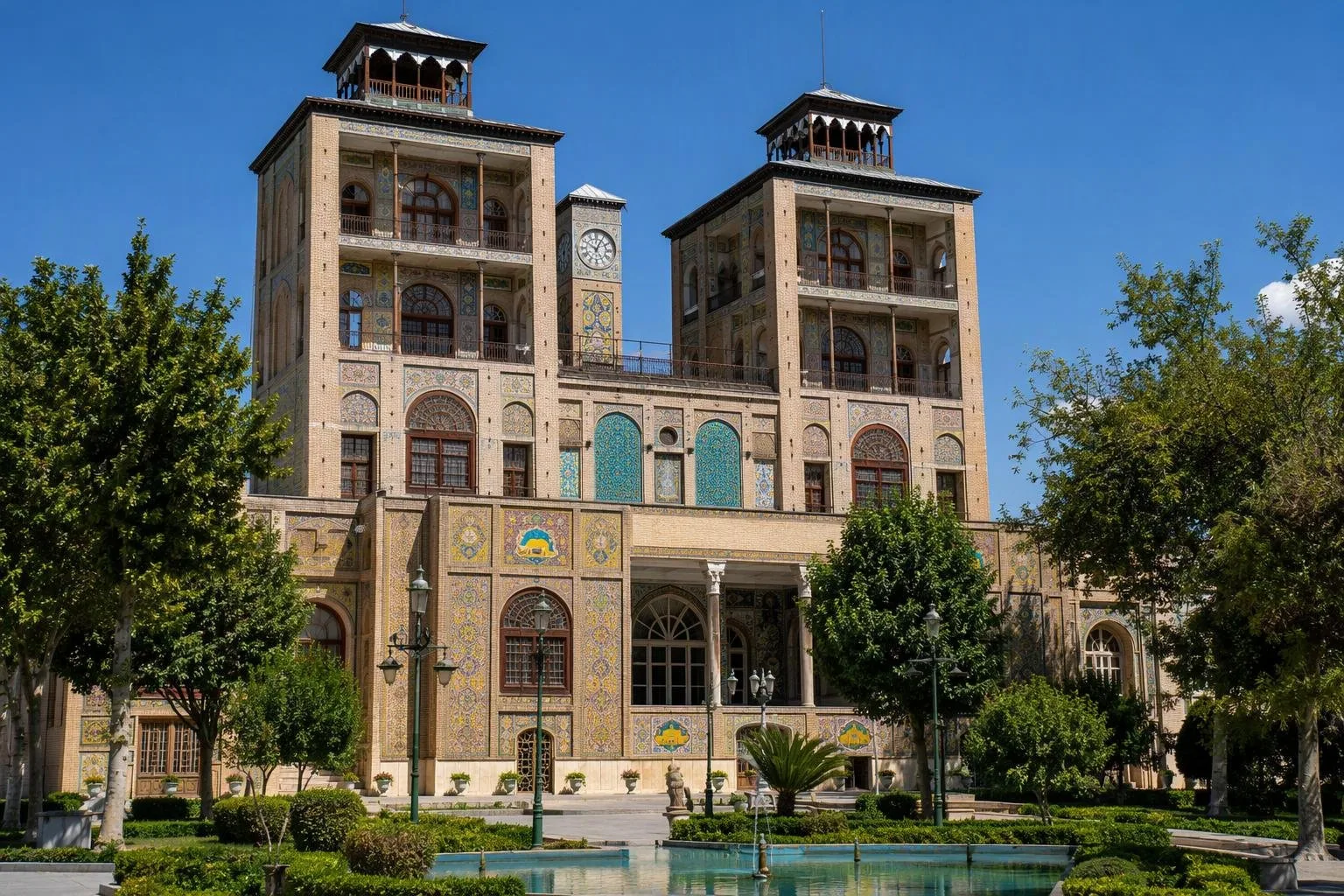
Shams-ol-Emareh is the five-storey Qajar tower-palace on the east side of Golestan Palace in historic central Tehran. Built in 1865–1867, it made height, tilework and imported construction technology into a statement of royal power.
Orientation
Shams-ol-Emareh—“Edifice of the Sun”—stands within the walled Golestan Palace complex in central Tehran. It is a distinct palace building, not a name for the whole complex: look for the tall, paired towers on the garden’s eastern side.
Built for Naser al-Din Shah between 1865 and 1867, the five-storey structure was once Tehran’s tallest building. Its height was purposeful. The Shah received guests on the roof to look across the capital, while the towers framed views towards the mountains.
Read the building from outside
The façade is best understood as a deliberate hybrid. Its strong vertical profile and outward-looking towers draw on European models, but its layout and decorative vocabulary remain Persian.
Look closely at:
- The twin towers: the building’s unmistakable silhouette and original viewing platform.
- Arched windows and balconies: repeated openings that emphasize height rather than the low, inward-facing profile of many palace buildings.
- Seven-colour tilework: Qajar tiles carry floral decoration alongside images informed by European landscapes and architecture.
- Cast iron: upper-storey columns use cast iron, placing new structural technology behind an emphatically Iranian surface.
That combination is the point: this is neither a European imitation nor a conventional Persian pavilion, but a Qajar experiment in making modernity visible.
Mirrors, stucco and rooms
The lower level includes a porch and reception spaces. Mirror work, or ayeneh-kari, catches light in small fragments; it appears with plasterwork in the veranda, entrance, reception room and southern chamber. Rectangular, oval and round mirror pieces sit within geometric patterns and raised vegetal motifs.
Do not rush past the interior details in pursuit of the towers. The building’s visual force comes from the contrast between its public, city-facing exterior and finely worked rooms at garden level.
Place it in Golestan Palace
Approach Shams-ol-Emareh through the palace garden rather than treating it as an isolated street landmark. The enclosing walls, paths, planted ground and pools establish a protected royal precinct; the tower deliberately breaks that enclosure by looking over the city.
A useful viewing sequence is simple: first take in the full height of the towers from the garden axis, then move close enough to read the tiles, windows and iron-supported upper levels. Keep the visit focused on this eastern building; Golestan’s other halls and museums are separate structures with their own interiors and collections.
Essential context
Golestan Palace is a World Heritage-listed Qajar complex built around a garden with pools and planted areas. Shams-ol-Emareh is one of its key surviving palace structures and its clearest architectural expression of the era’s Persian-European exchange.
From the magazine
Stories about Shams-ol-Emareh
Editorial stories linked directly to Shams-ol-Emareh.
No stories about Shams-ol-Emareh have been published yet.
Routes from our editors
Travel through Shams-ol-Emareh
Editorial routes connecting Shams-ol-Emareh with other countries, cities and hotspots.
No routes through Shams-ol-Emareh have been published yet.
More in Iran
Related hotspots
Other cities, nature areas and places within Iran.
Tehran
2 linked stories and routes
Yazd
1 linked stories and routes
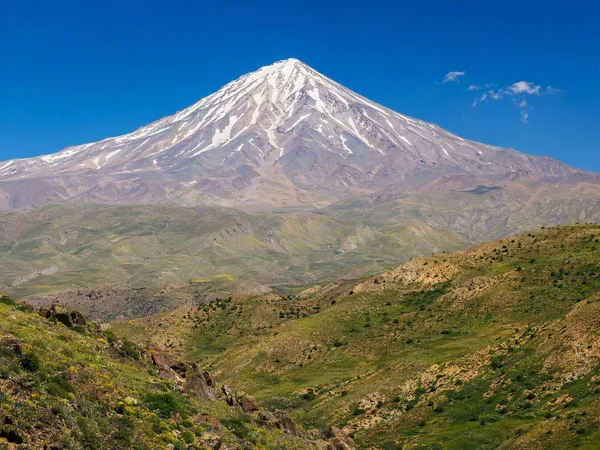
Alborz Mountains
1 linked stories and routes
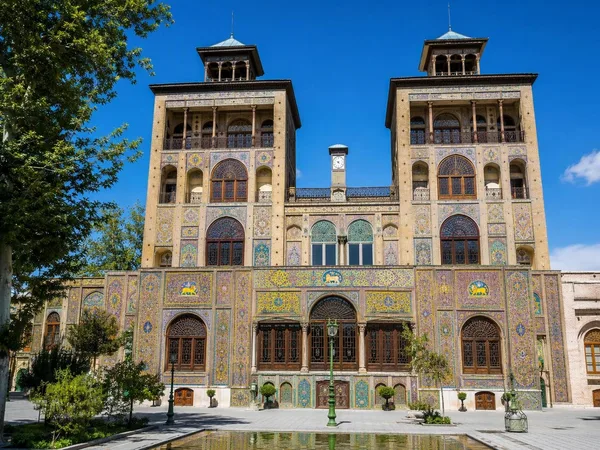
Golestan Palace
1 linked stories and routes
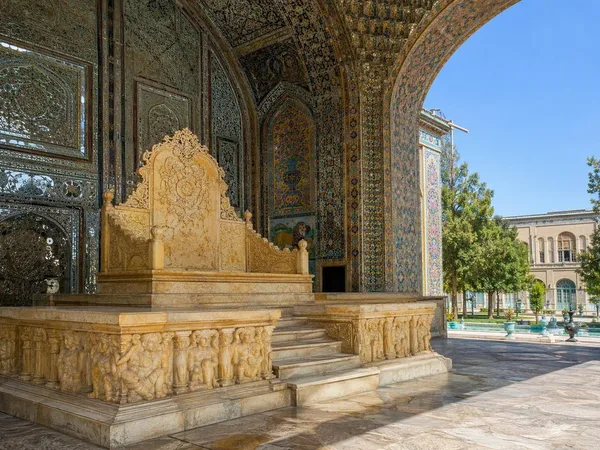
Marble Throne
1 linked stories and routes
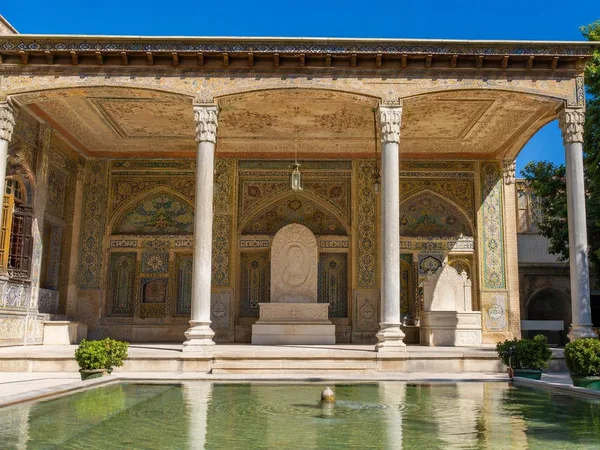
Karim-Khani pavilion (Khalvat-e Karim Khani)
1 linked stories and routes
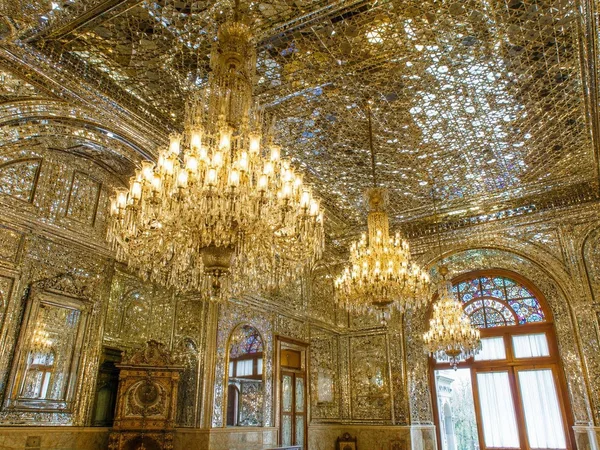
Brilliant Hall (Talar-e Brelian), Golestan Palace
1 linked stories and routes
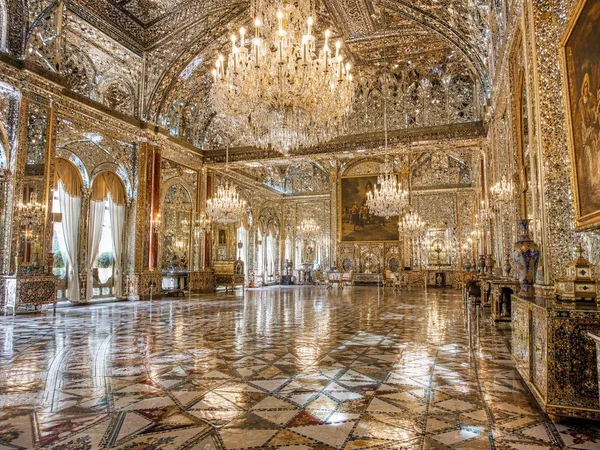
Talar-e Salam
1 linked stories and routes