
Sight · Iran
Golestan Palace
Golestan Palace is Tehran’s former Qajar royal complex, enclosed within the historic core of the Iranian capital. Its garden, tiled façades and ceremonial rooms show how Persian court arts absorbed European ideas in the 19th century.
Orientation
Golestan Palace stands in central Tehran, on the site of the former walled royal citadel. It is not one single palace but a compact, walled complex: key buildings and museum rooms face a shared garden of paths, planting and pools.
The site took its defining form under the Qajar dynasty after Tehran became the capital in the late 18th century. Most of the conspicuous decoration—painted tiles, mirror mosaics, carved plaster and richly furnished reception spaces—dates from the 19th century. The complex has been a UNESCO World Heritage site since 2013.
Read the architecture
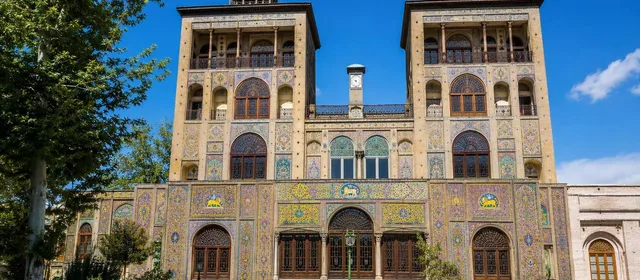
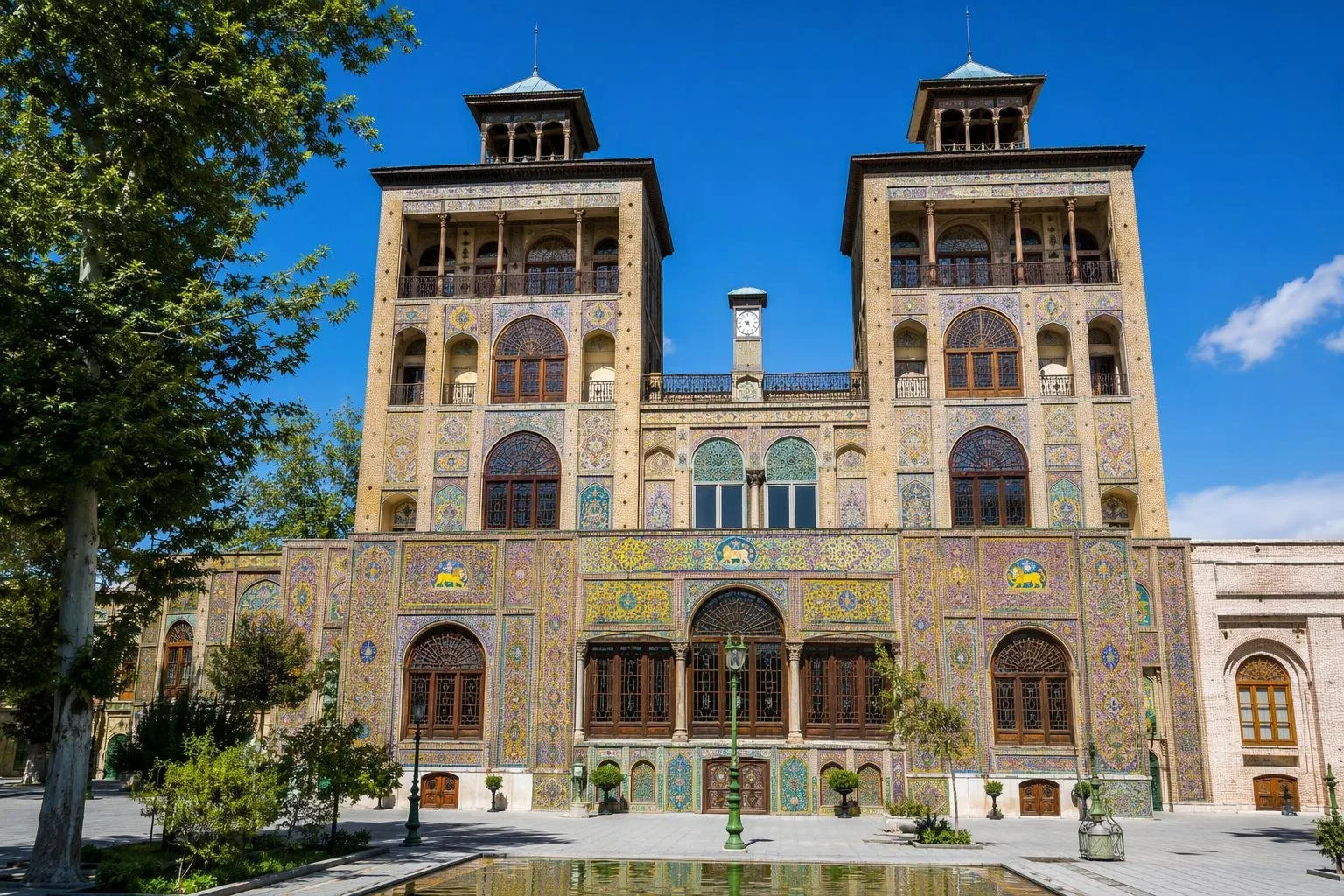
Golestan matters because it does not treat European influence as a separate style. Qajar builders combined it with Persian forms, crafts and court ritual. Look for figurative tile panels alongside floral decoration, and for European-inspired motifs embedded in Iranian façades and interiors.
The garden is the useful way to orient yourself. It links buildings added and altered in different periods, rather than imposing one symmetrical palace plan. Pause at the pools to read the sequence of façades before entering the rooms.
Essential buildings
- Marble Throne Veranda (Takht-e Marmar): An open ceremonial iwan and one of the complex’s oldest surviving structures. Its yellow-marble throne, made for Fath Ali Shah in 1806, is supported by carved human figures.
- Shams-ol-Emareh: The palace’s most immediately recognisable structure, built in 1865–67. Its twin-tower silhouette and tiled exterior made it a deliberate statement of height, display and new architectural ambition.
- Mirror Hall: A compact reception room defined by ayeneh-kari, the fine-cut mirror work that breaks light across walls and ceiling.
- Salam Hall and museum spaces: These preserve the palace’s role as a setting for royal display, with paintings, objects and gifts associated with the court.
Visiting the complex
Enter from the Arg Square/15 Khordad Street side of old Tehran. Panzdah-e Khordad station on Metro Line 1 is a short walk away; Imam Khomeini station is another practical option. The surrounding area is in a traffic-restricted central district, so the metro is usually simpler than driving.
Allow time for both the garden and interiors. Access is ticketed, and individual buildings may have separate admission or temporary closures. Start outdoors, then choose the rooms that matter most to you; the Marble Throne, Shams-ol-Emareh and mirror-work halls give the clearest overview. Photography rules can differ between interiors, so follow notices at each entrance.
From the magazine
Stories about Golestan Palace
Editorial stories linked directly to Golestan Palace.
No stories about Golestan Palace have been published yet.
Routes from our editors
Travel through Golestan Palace
Editorial routes connecting Golestan Palace with other countries, cities and hotspots.
No routes through Golestan Palace have been published yet.
More in Iran
Related hotspots
Other cities, nature areas and places within Iran.
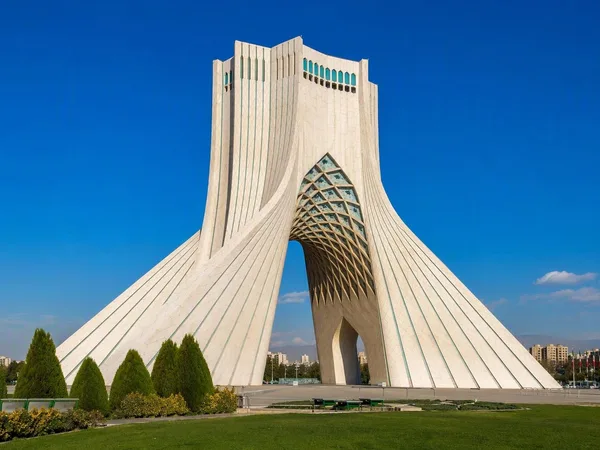
Tehran
2 linked stories and routes
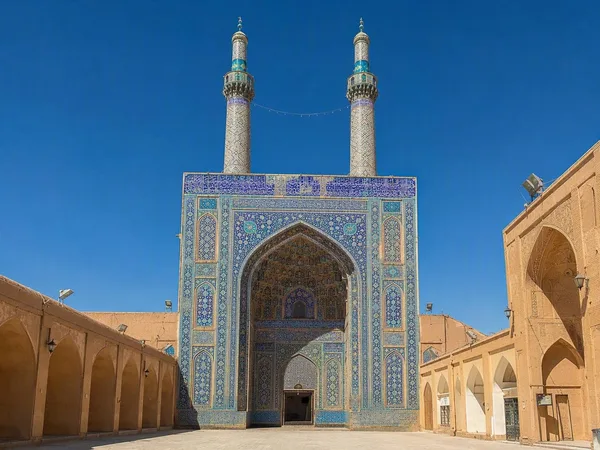
Yazd
1 linked stories and routes
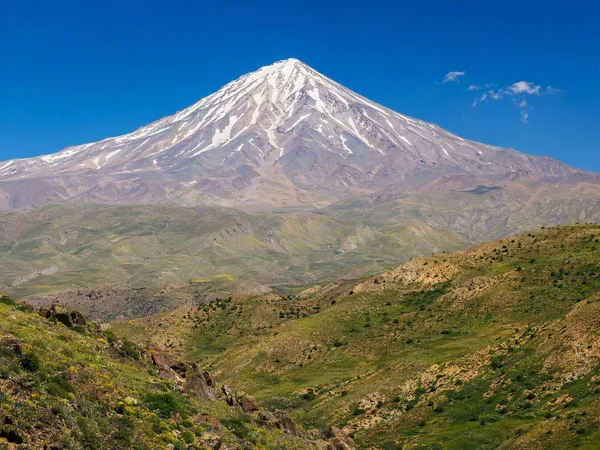
Alborz Mountains
1 linked stories and routes
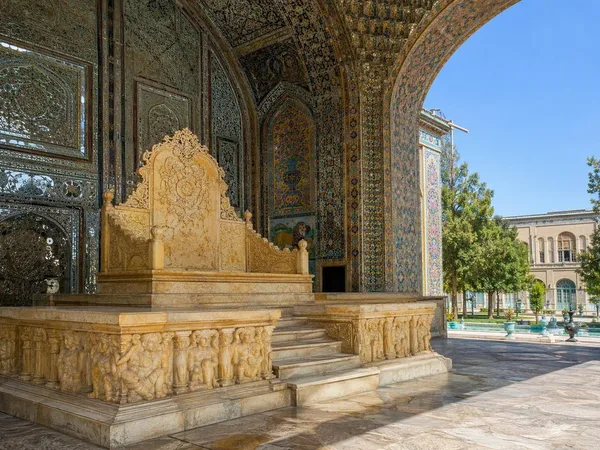
Marble Throne
1 linked stories and routes
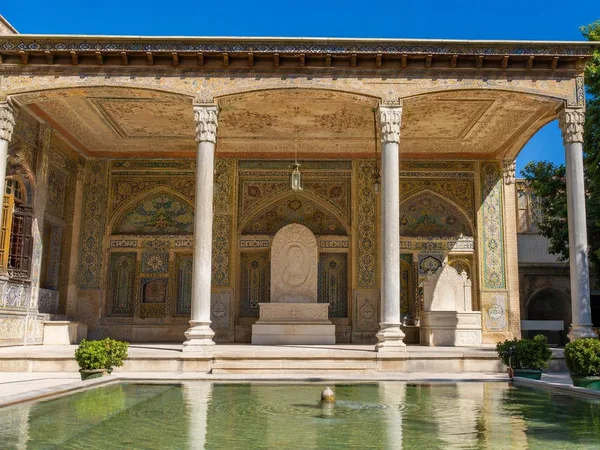
Karim-Khani pavilion (Khalvat-e Karim Khani)
1 linked stories and routes
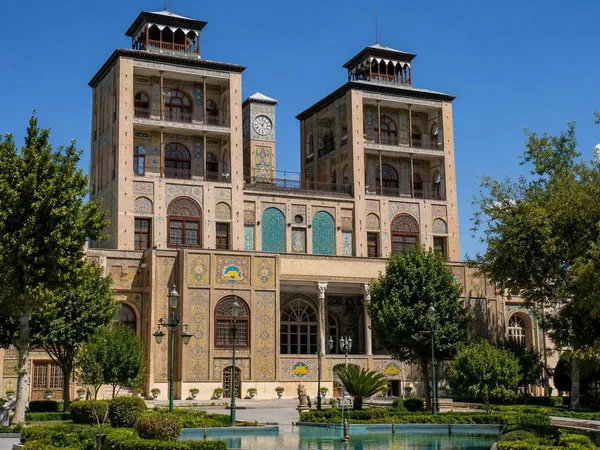
Shams-ol-Emareh
1 linked stories and routes
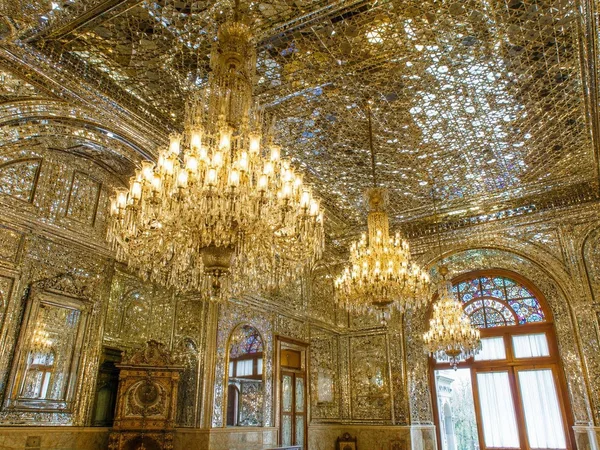
Brilliant Hall (Talar-e Brelian), Golestan Palace
1 linked stories and routes
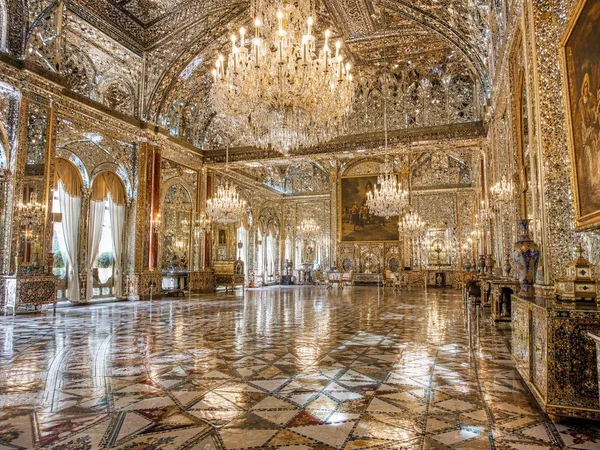
Talar-e Salam
1 linked stories and routes