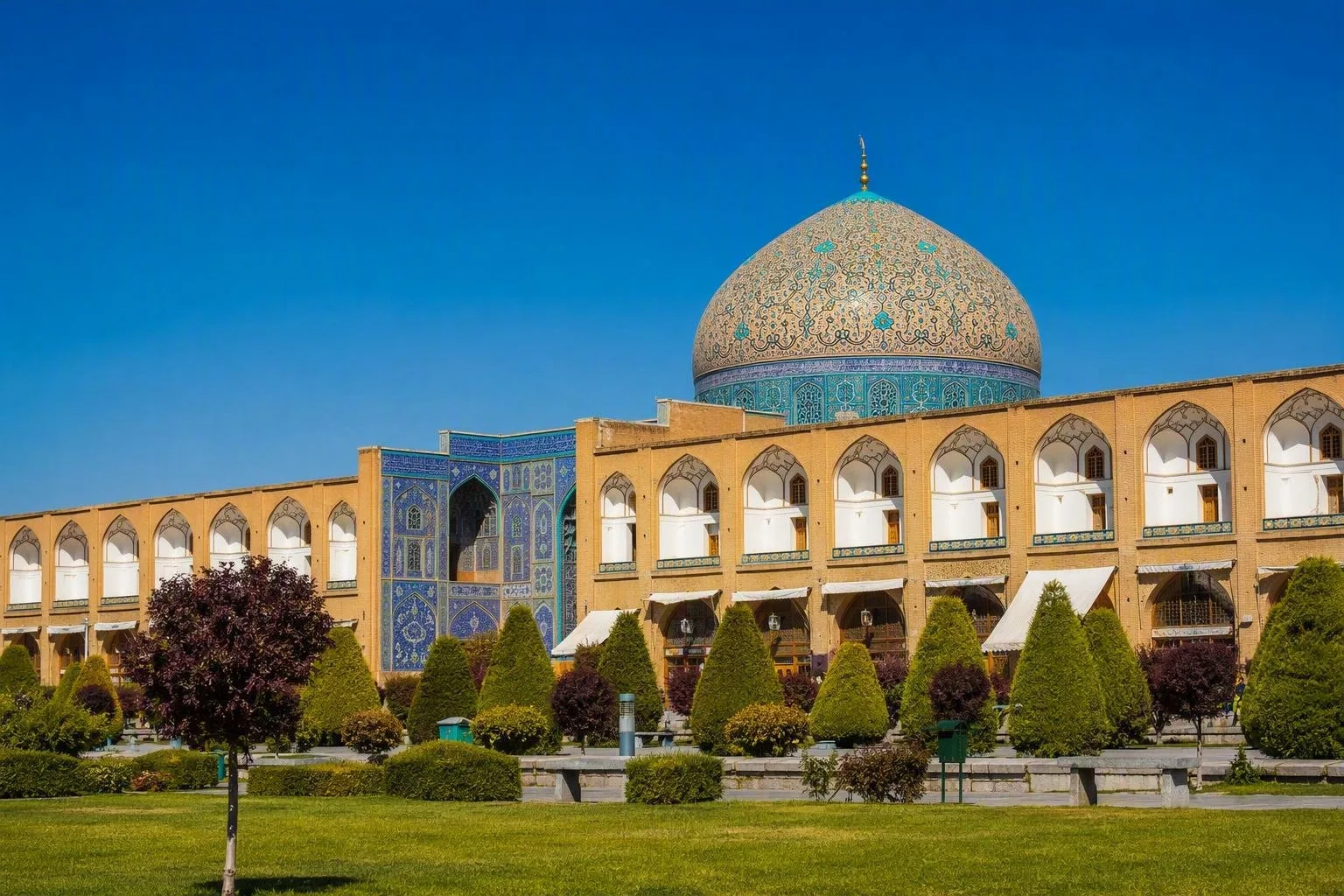
Look beyond the turquoise dome of Sheikh Lotfollah Mosque in Isfahan and Iran grows much larger. Tehran sits below the Alborz Mountains, while salt flats and dunes spread across the central plateau. In Yazd, wind towers catch moving air and qanats carry water underground through the dry city. North of the mountains, wooded slopes run down to the Caspian Sea. For centuries, these different landscapes determined where people settled, farmed and traded between Central Asia, the Caucasus, Mesopotamia and the Persian Gulf.
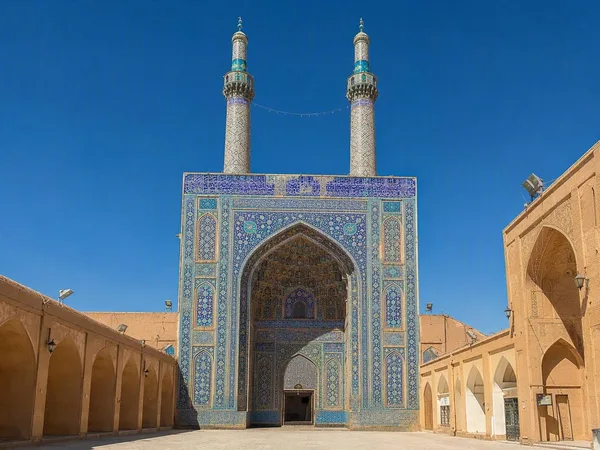
Iran’s history shows clearly in its buildings and streets. At Persepolis, stone reliefs show delegations bringing gifts to the Achaemenid court. In Isfahan, Safavid rulers laid out Naqsh-e Jahan Square with mosques, a palace and a covered bazaar around it. Shiraz is known for its gardens and its place in Persian poetry, while nearby farms grow table grapes.
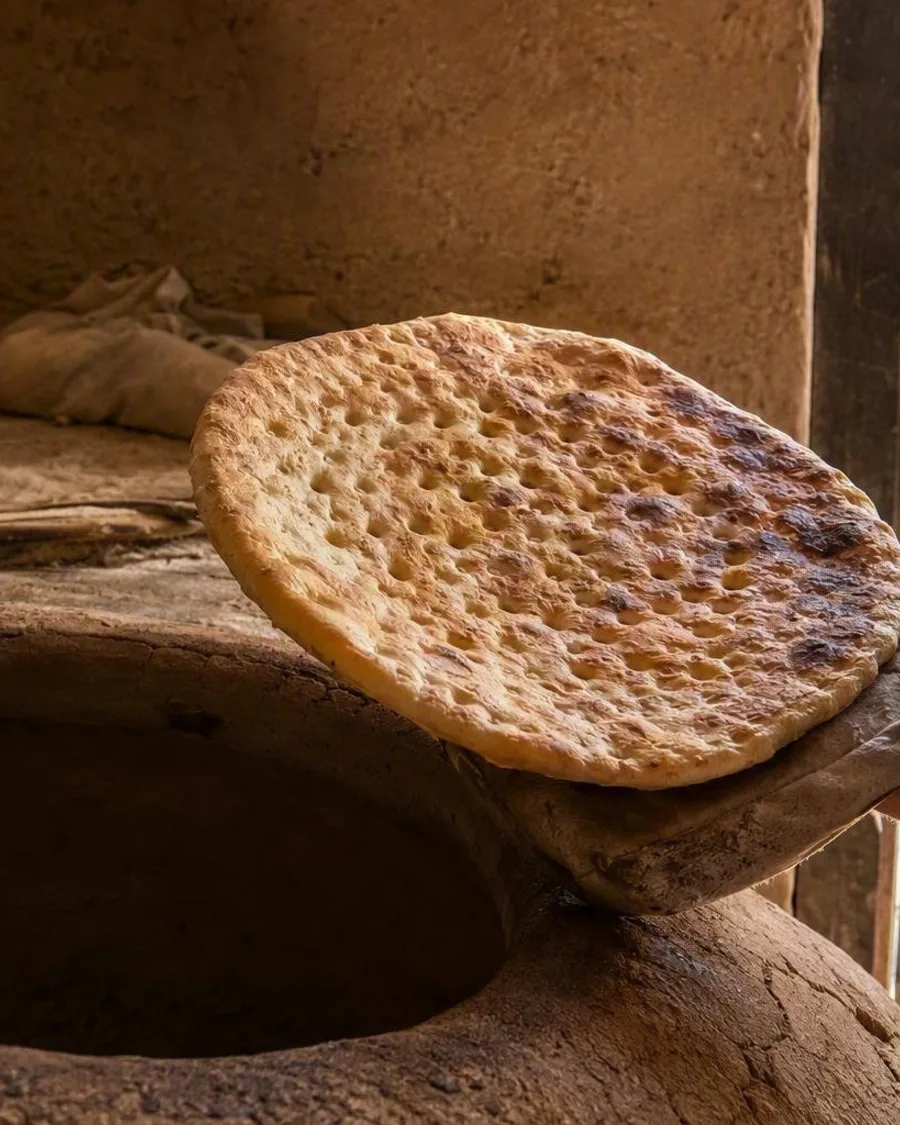
Food changes from region to region. Cooks serve saffron rice, herb stews, grilled kebabs, pomegranate sauces and warm flatbread. Tea often stretches out a conversation. In bazaars, spice sellers, metalworkers, carpet merchants and local shoppers still work side by side. Take time in the cities as well as at the major sites, and Iran offers layers of old craft, religious architecture and everyday urban life.