
City · Hungary
Budapest
Budapest, Hungary’s capital, spans the Danube between hilly Buda and flat Pest. Its riverbanks, Castle Quarter and Andrássy Avenue form a World Heritage cityscape of grand civic buildings, thermal baths and working public transport.
Read the city by its two banks
The Danube is Budapest’s organising line. Buda, on the west bank, is hilly and built around Castle Hill; Pest, on the east bank, is flatter, denser and home to Parliament, the central avenues and the Jewish Quarter. Crossing the river is not a detour: it is how the city makes sense.
The World Heritage area joins the Danube banks with the Buda Castle Quarter and Andrássy Avenue. Give each side its own block of time rather than trying to collect every landmark in a single circuit.
Start with the riverfront
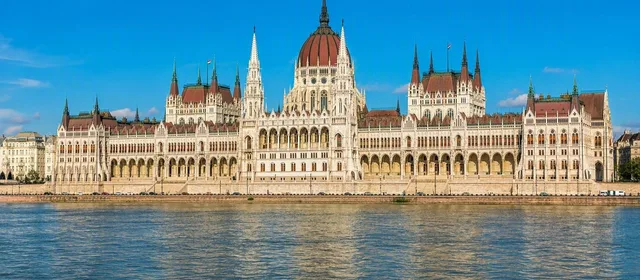
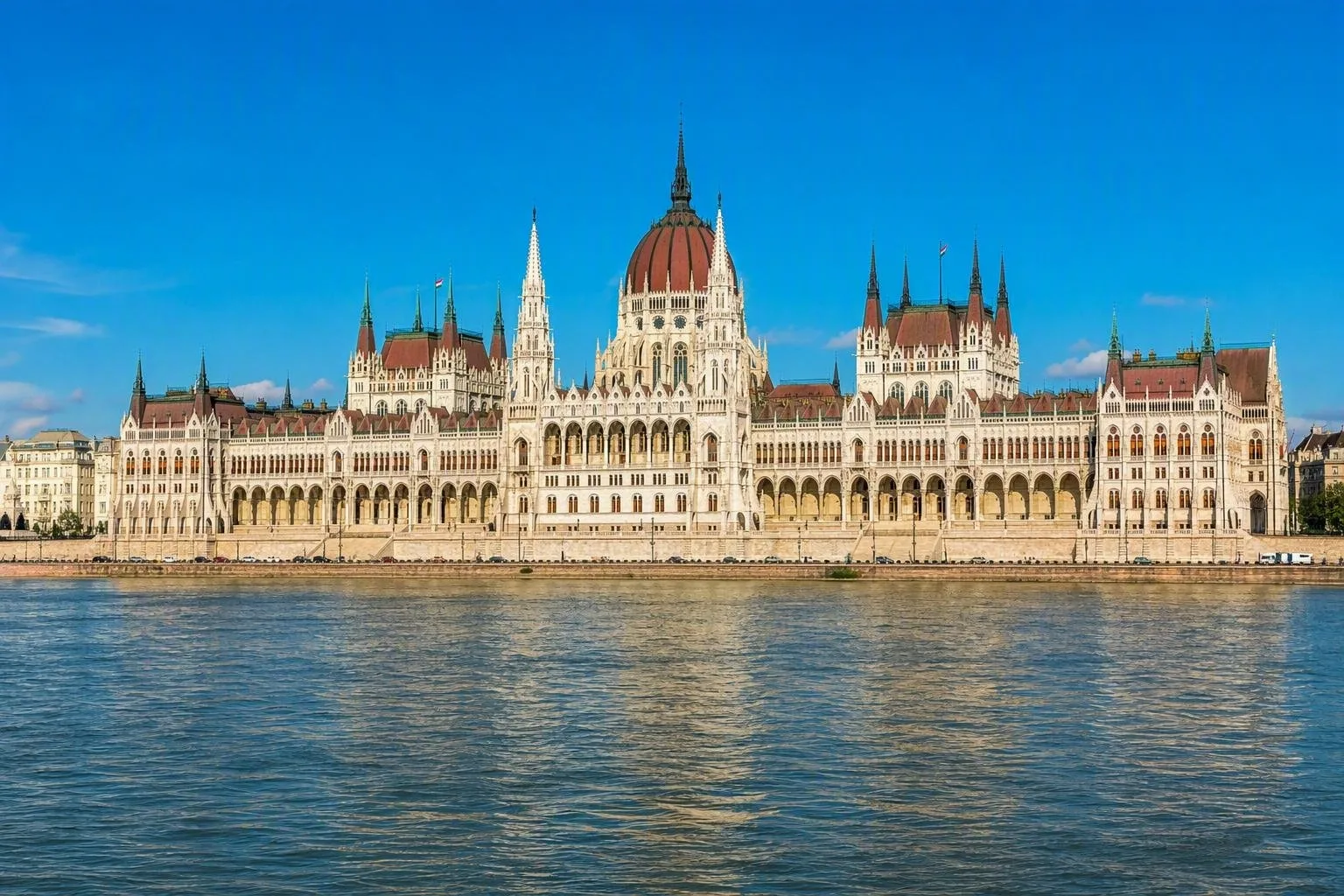
Walk the Pest embankment between Parliament and Vigadó tér to see the city’s essential axis. The neo-Gothic Hungarian Parliament dominates Kossuth Lajos tér; nearby, the iron Shoes on the Danube Bank memorial requires a quiet, respectful stop. Continue south past the Chain Bridge and the Danube Promenade.
For the most efficient moving overview, take tram 2 south from Jászai Mari tér. The line follows the Pest bank via Parliament, Kossuth Lajos tér, Széchenyi István tér, Vigadó tér and Fővám tér to Közvágóhíd. Sit on the river side for the view across to Castle Hill.
Go up to Castle Hill
Cross the Chain Bridge to the Buda side, then walk uphill or use the funicular from Clark Ádám tér. The Castle District is best treated as streets and viewpoints first, museums second.
- Buda Castle: the former royal complex now contains the Hungarian National Gallery and the Budapest History Museum.
- Matthias Church and Fisherman’s Bastion: stand together at the northern end of the hill; the terraces look directly across the Danube to Parliament.
- Practical footing: cobbles, slopes and stairs are part of the route. Wear shoes that can handle them.
Pest beyond the river
Use Pest for its 19th-century city fabric. Andrássy Avenue runs from the centre toward Heroes’ Square and City Park; the M1 Millennium Underground runs beneath it. At the park end, pair Heroes’ Square with the Széchenyi thermal baths.
The Great Market Hall at Fővám tér works well after the tram ride or before crossing Liberty Bridge. In District VII, the Dohány Street Synagogue and the surrounding Jewish Quarter combine religious heritage, memorial spaces, cafés and evening venues. Keep the synagogue and memorial areas distinct from the nightlife streets.
Transport and timing
Budapest’s metro, tram and bus network makes long cross-city walks unnecessary. Buy the appropriate BKK ticket or travel pass before boarding and follow the validation rules for the ticket type. Use BudapestGO for live routing and disruption information.
Central Pest is highly walkable; reserve public transport for City Park, the hills and longer riverfront distances. Visit Castle Hill early for clearer space on the narrow streets. Tram 2 is useful in daylight for detail and after dark for the illuminated Parliament and bridges.
From the magazine
Stories about Budapest
Editorial stories linked directly to Budapest.
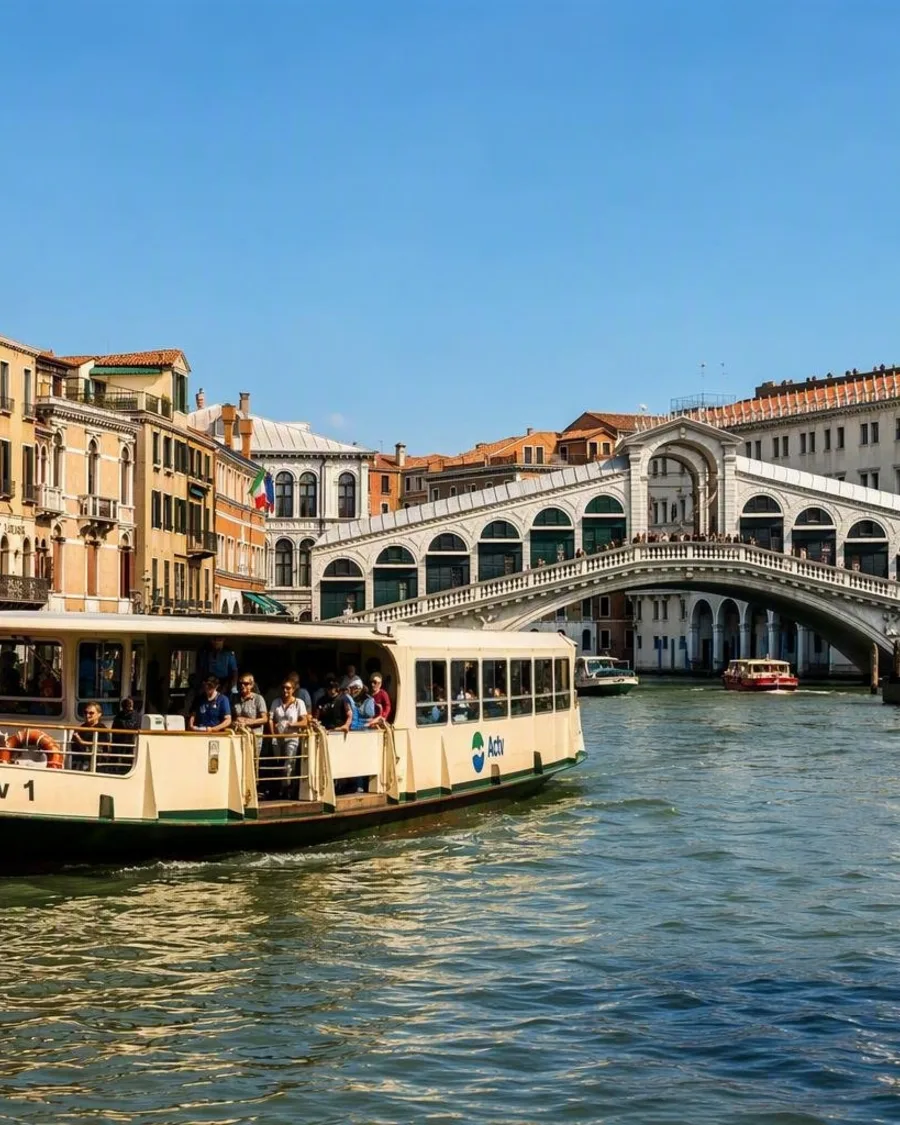
The 10 Cities Best Understood from the Water
A fine skyline is not enough. In these ten cities, a ferry or small boat reveals how trade, terrain, buildings and daily travel grew around a river, canal or bay.
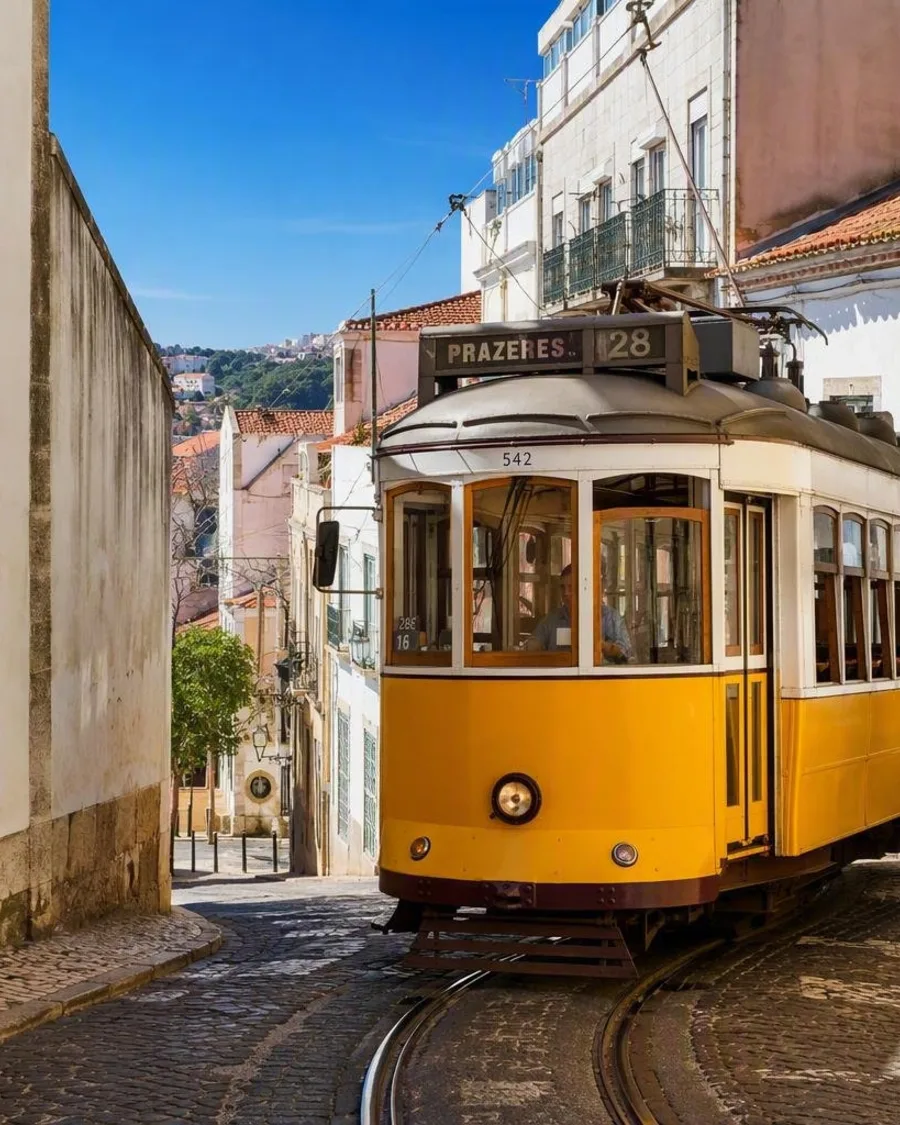
Eight European cities best read from a tram window
A good tram route does more than join landmarks. It follows the grades, quays and street plans that shaped a city, then leaves enough time to see them from a seat by the window. These eight rides turn everyday public transport into a clear route through the urban grain.
Routes from our editors
Travel through Budapest
Editorial routes connecting Budapest with other countries, cities and hotspots.
No routes through Budapest have been published yet.
More in Hungary
Related hotspots
Other cities, nature areas and places within Hungary.
There are no other hotspots in Hungary yet.