
Town · Sri Lanka
Pita Kotte
Pita Kotte is the southern approach to historic Sri Jayewardenepura Kotte, where surviving moats reveal how the medieval capital defended its only major land entrance. It is an urban neighbourhood, not a preserved fort complex.
Why Pita Kotte matters
Pita Kotte marks the outer side of the former Kotte fortress. The city’s natural water and mud defences covered much of its perimeter; the southern side needed engineered protection and controlled access. The principal land pass lay here, north of today’s Pita Kotte Junction.
This is a place to read a vanished capital through terrain rather than grand ruins. The walls, gates and bastions have largely gone, but the surviving cuts in the ground show the scale of the defensive line.
The outer moat
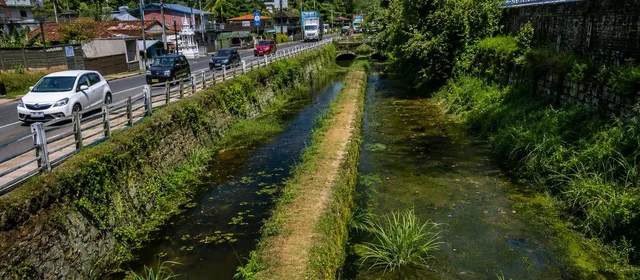
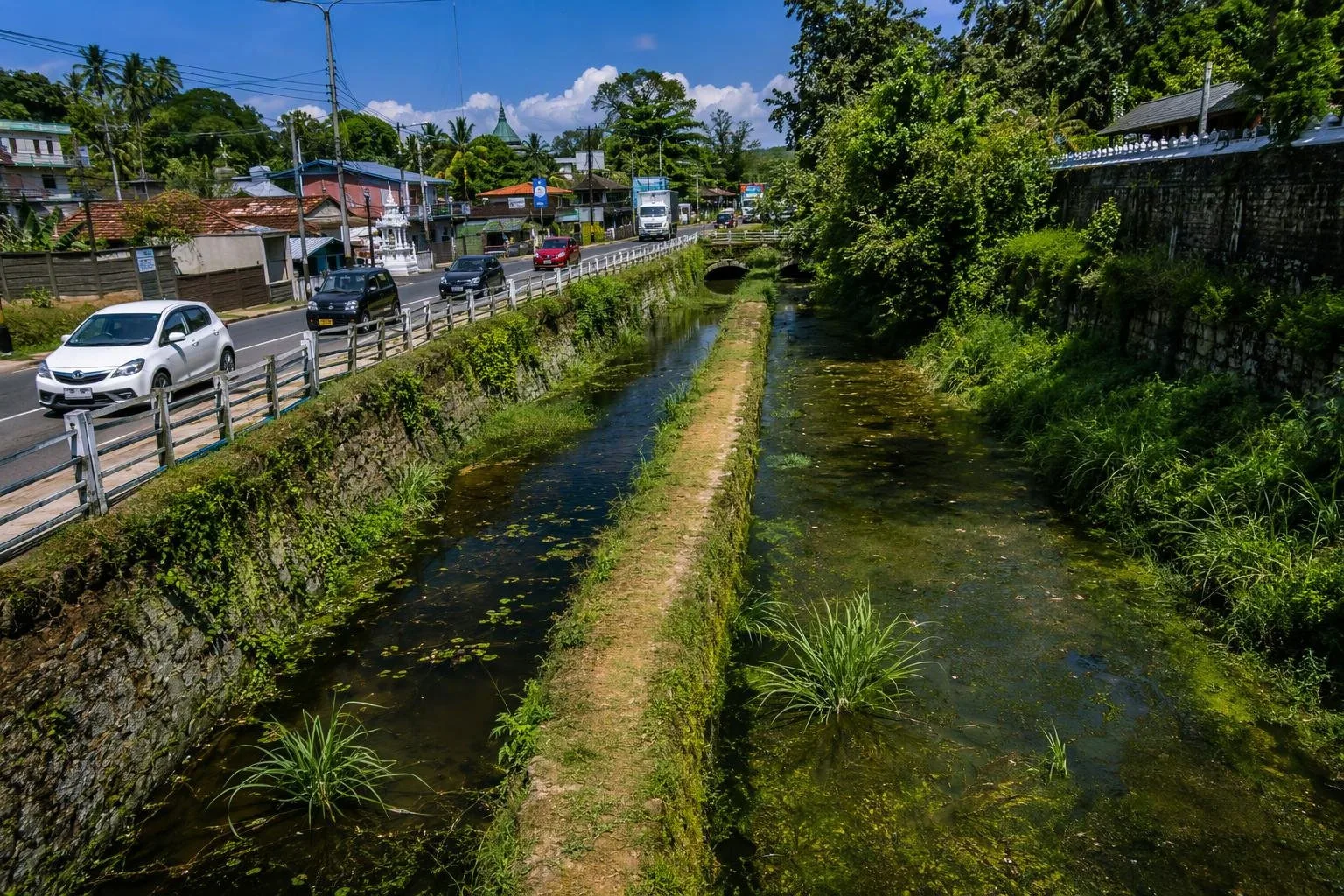
Near the junction, Kotte Road runs between two deep, vegetated sections of the outer moat. They are the clearest physical trace of the old approach: the modern road occupies the corridor that once led through the land entrance.
The moat was part of an outer defensive system that guarded the southern approach. Historic accounts describe a roughly 200-foot-wide land pass, with moats on either side and fortifications at the entrance. Do not expect a continuous archaeological park: later roads and buildings have broken up the remains.
Best way to see it: pause at the roadside sections near Sirikotha and look across both sides of the road. The contrast between traffic, low ground and dense planting makes the former defensive geography legible.
Archaeology at Ananda Sastralaya
Within Ananda Sastralaya in Pita Kotte, excavations exposed structures cut into living laterite below ground level. They include a tall rectangular chamber, a small stupa-like structure, steps and a carved makara arch.
The site is protected, but it is within a school compound. Treat it as an archaeological location rather than a walk-in tunnel attraction. Excavation did not establish the popularly repeated claim of an open underground passage; the visible remains are more securely described as laterite-cut structures of uncertain original function.
Kotte Rajamaha Viharaya
Near Pita Kotte Junction on Kotte Road, Kotte Rajamaha Viharaya provides the area’s living religious counterpart. The temple traces its foundations to the Kotte period and retains older fragments alongside later buildings, including stupa remains and stonework.
The temple is open daily. Wear clothing that covers shoulders and knees, remove shoes before entering shrine spaces, and keep photography discreet. There is no fixed admission charge; donations are customary.
Getting around
Pita Kotte is part of the continuous Colombo–Kotte urban area. Use a taxi, tuk-tuk or ride-hailing car to link the moat, temple and other dispersed Kotte sites; walking is practical only for short stretches because of traffic and the fragmented layout.
Start at Pita Kotte Junction for the moat, then continue to the temple. Keep out of fenced excavation areas and private land: the fortifications survive in scattered pockets, not along a signed heritage trail.
From the magazine
Stories about Pita Kotte
Editorial stories linked directly to Pita Kotte.
No stories about Pita Kotte have been published yet.
Routes from our editors
Travel through Pita Kotte
Editorial routes connecting Pita Kotte with other countries, cities and hotspots.
No routes through Pita Kotte have been published yet.
More in Sri Lanka
Related hotspots
Other cities, nature areas and places within Sri Lanka.
Jaffna
3 linked stories and routes
Colombo
3 linked stories and routes
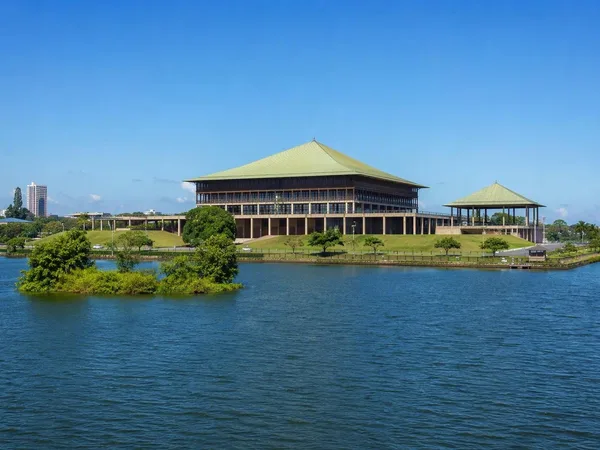
Sri Jayewardenepura Kotte
2 linked stories and routes
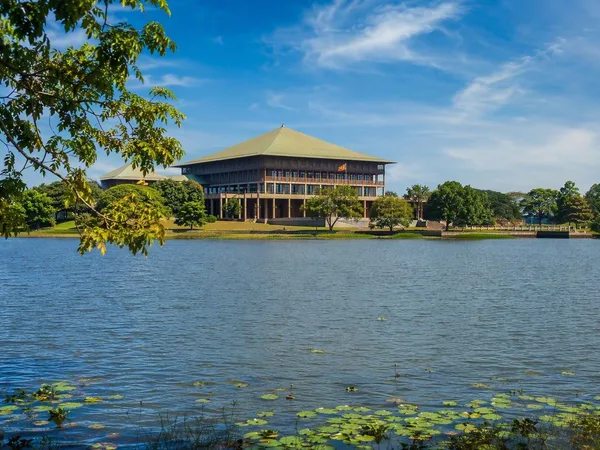
Diyawanna Oya
2 linked stories and routes
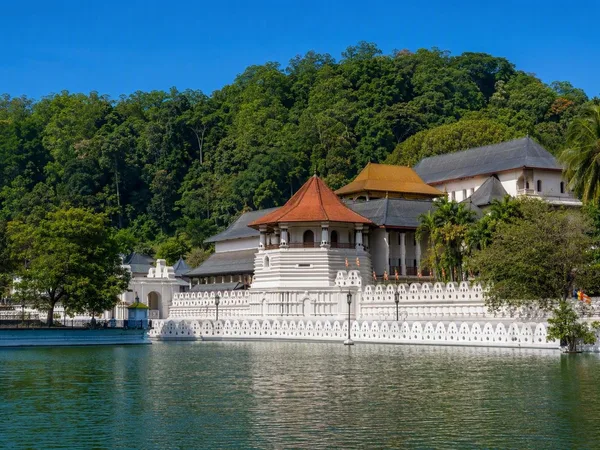
Kandy
1 linked stories and routes
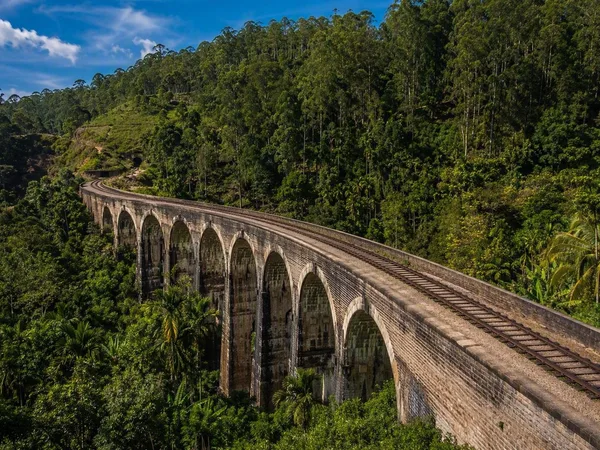
Ella
1 linked stories and routes
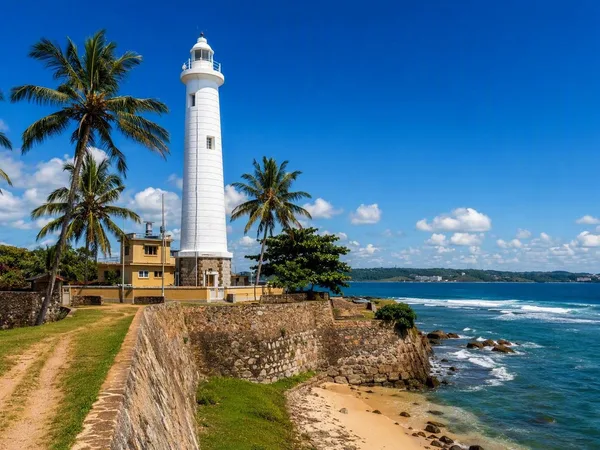
Galle
1 linked stories and routes
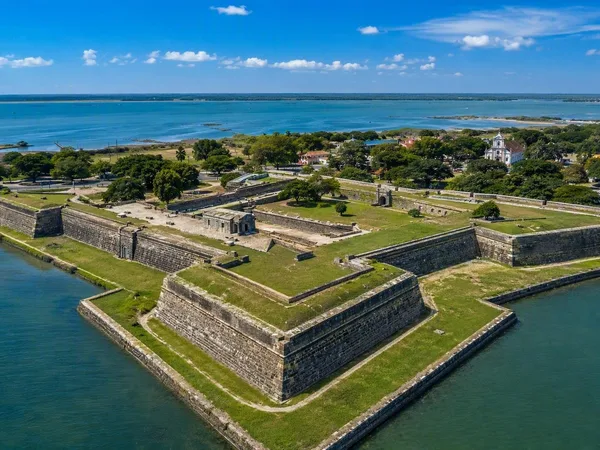
Jaffna Peninsula
1 linked stories and routes
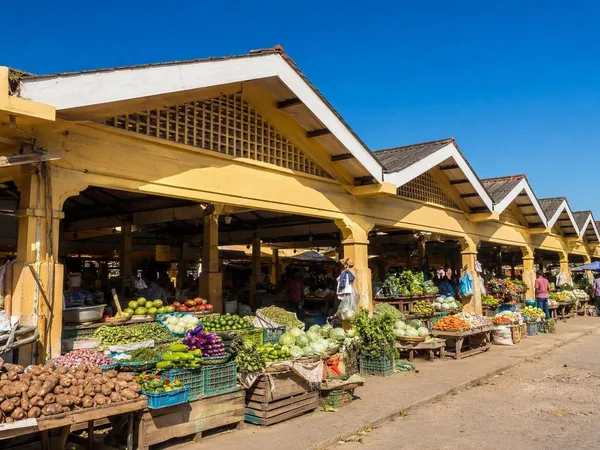
Jaffna Municipal Market
1 linked stories and routes
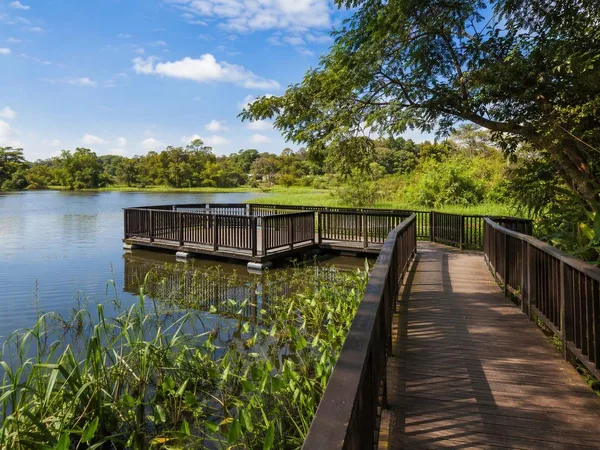
Beddagana Wetland Park
1 linked stories and routes
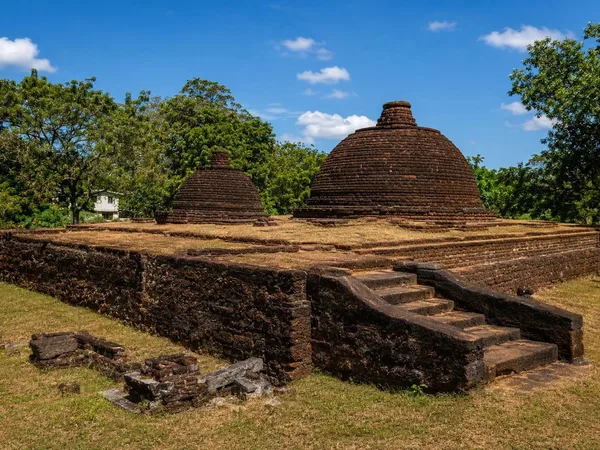
Veherakanda, Beddagana
1 linked stories and routes
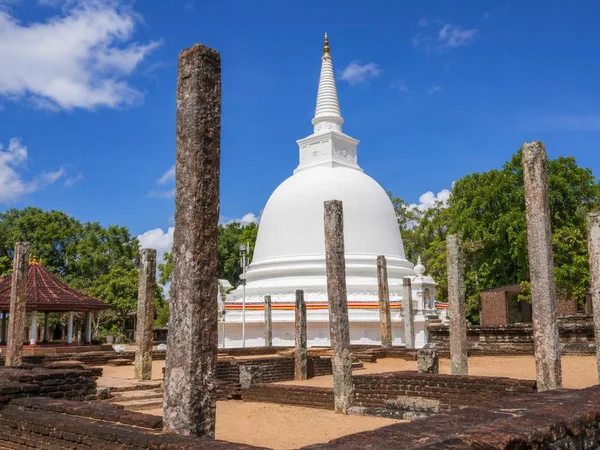
Kotte Raja Maha Vihara
1 linked stories and routes
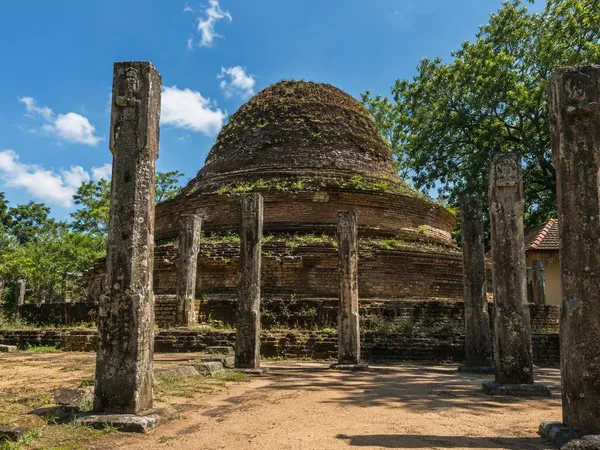
Kotte Rajamaha Vihara
1 linked stories and routes
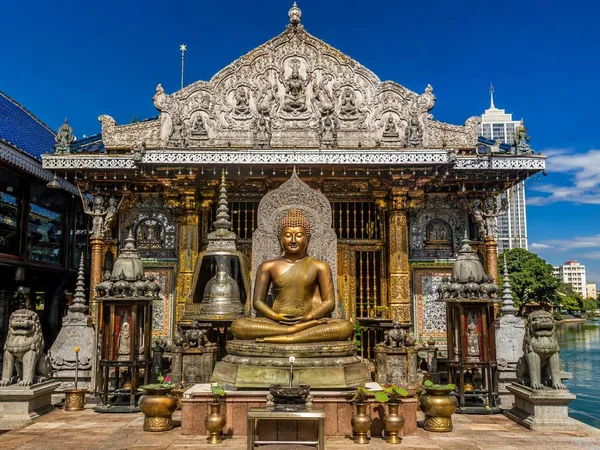
Gangaramaya Temple
1 linked stories and routes
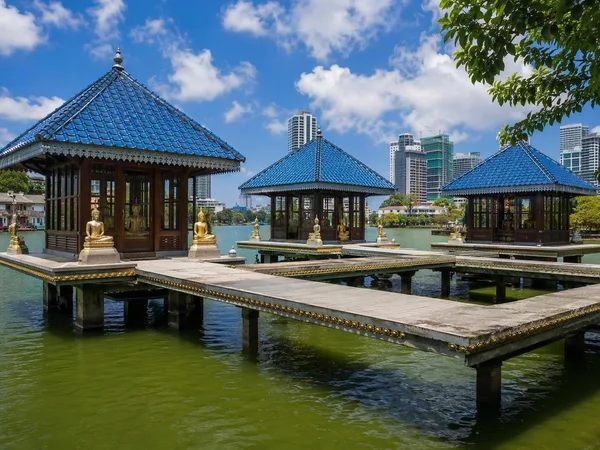
Seema Malaka
1 linked stories and routes
Number 11
1 linked stories and routes
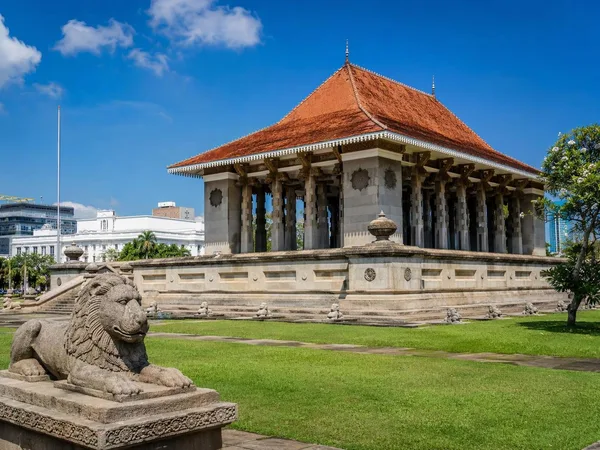
Cinnamon Gardens, Colombo
1 linked stories and routes