
Neighbourhood · Sri Lanka
Cinnamon Gardens, Colombo
Cinnamon Gardens, also known as Colombo 7, is Colombo’s institutional and residential quarter, east of the city centre. Its former cinnamon plantations gave way to museums, parks, schools, diplomatic compounds and Independence Square.
Orientation
Cinnamon Gardens is a quiet, green counterweight to the commercial centre of Colombo. The district grew from cinnamon cultivation in the late 18th century, then became a low-rise quarter of large houses, civic buildings, schools and sports grounds. It remains a working residential and diplomatic area rather than a single enclosed attraction.
Use Independence Square, Viharamahadevi Park and the Colombo National Museum as the main public anchors. The streets between them reveal the area’s character: mature trees, walls, older villas, institutional architecture and cricket grounds.
Start at Independence Square
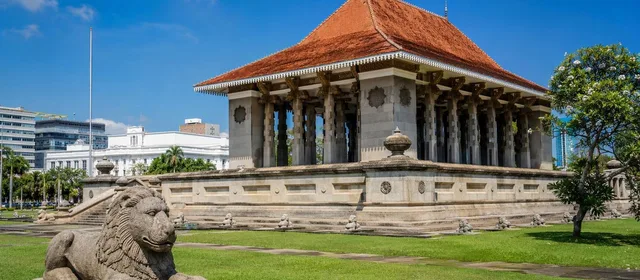
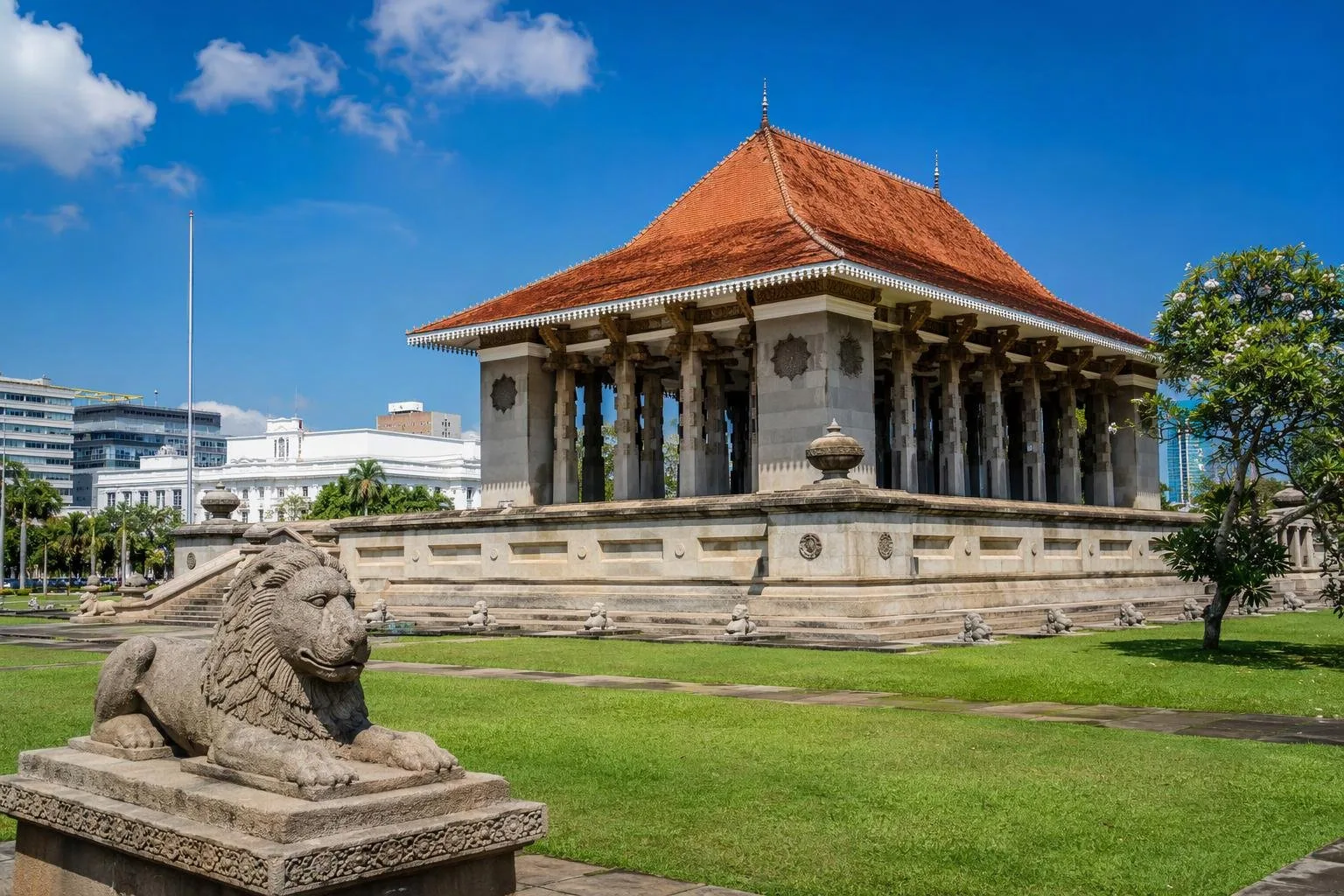
Independence Square is the district’s clearest landmark. Its open-pillared Independence Memorial Hall commemorates Sri Lanka’s return to self-rule on 4 February 1948, at the site of the formal ceremony. The hall deliberately recalls the Kandyan royal audience hall, the Magul Maduwa.
Walk the lawns and paths around the memorial, then look for the statue of D. S. Senanayake, Sri Lanka’s first prime minister. The Independence Memorial Museum is beneath the hall. The surrounding green area has security, parking and public facilities.
Access note: National Independence Day ceremonies take place here around 4 February; expect controlled access and altered movement through the square.
Museum and park circuit
The Colombo National Museum, on Sir Marcus Fernando Mawatha, opened in 1877 in an Italian-style building. Its ground-floor galleries follow Sri Lankan history in sequence; upper galleries are arranged by theme. Give it time if you want a national overview rather than a quick architectural stop.
Next door, Viharamahadevi Park is Colombo’s oldest and largest public park. It faces the colonial-era Town Hall and has landscaped walks, ponds, fountains, a Buddha image, a suspension bridge and a children’s section. It is a useful shaded break between museum and memorial.
Streets, architecture and access
Independence Avenue is the most legible route through Cinnamon Gardens. It runs past national institutions and the Colombo Cricket Club toward the memorial. Nearby, the former government buildings at Arcade Independence Square have been adapted for shops and cafés.
Much of the neighbourhood is private: homes, embassies, schools and clubs are not visitor sights. Treat the area as a walking district, not an invitation to enter compounds or photograph guarded buildings closely. A tuk-tuk is useful for linking the museum, park and square when heat or rain makes walking less appealing.
Timing
Go early for the museum and park, then return to Independence Square late in the afternoon for cooler walking conditions. The National Museum closes on public holidays; its galleries and opening times can change. March to May is the park’s flowering period, before the monsoon.
From the magazine
Stories about Cinnamon Gardens, Colombo
Editorial stories linked directly to Cinnamon Gardens, Colombo.
No stories about Cinnamon Gardens, Colombo have been published yet.
Routes from our editors
Travel through Cinnamon Gardens, Colombo
Editorial routes connecting Cinnamon Gardens, Colombo with other countries, cities and hotspots.
No routes through Cinnamon Gardens, Colombo have been published yet.
More in Sri Lanka
Related hotspots
Other cities, nature areas and places within Sri Lanka.
Jaffna
3 linked stories and routes
Colombo
3 linked stories and routes
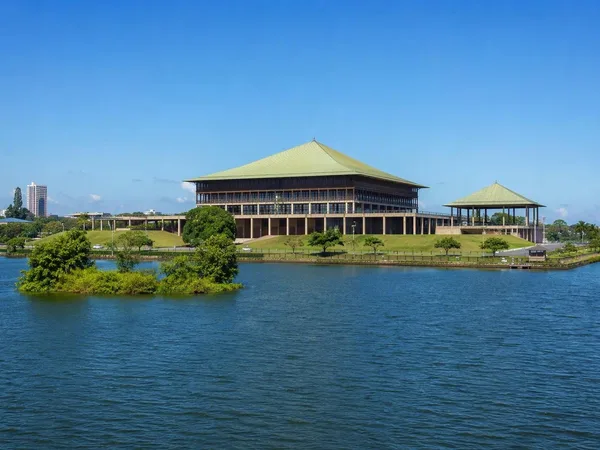
Sri Jayewardenepura Kotte
2 linked stories and routes
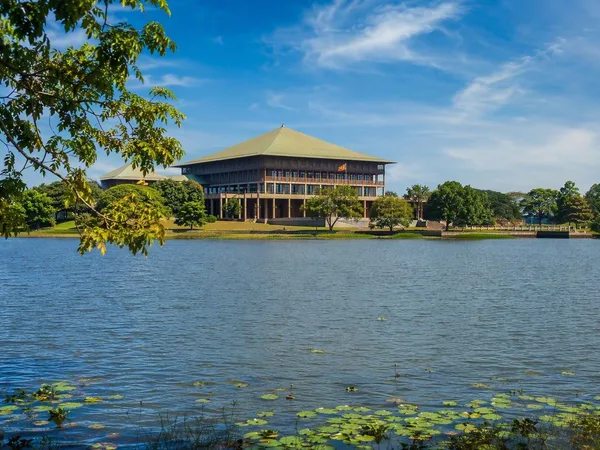
Diyawanna Oya
2 linked stories and routes
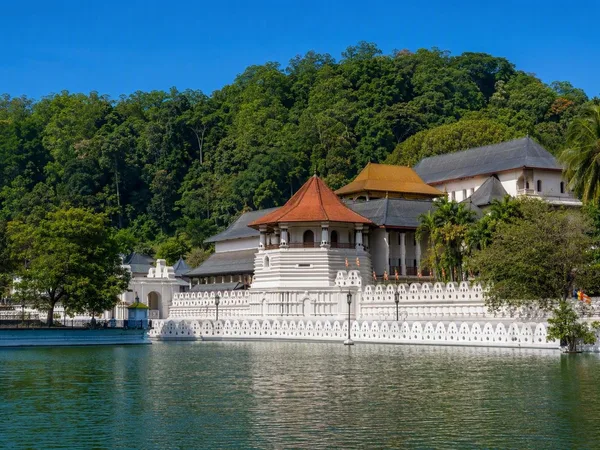
Kandy
1 linked stories and routes
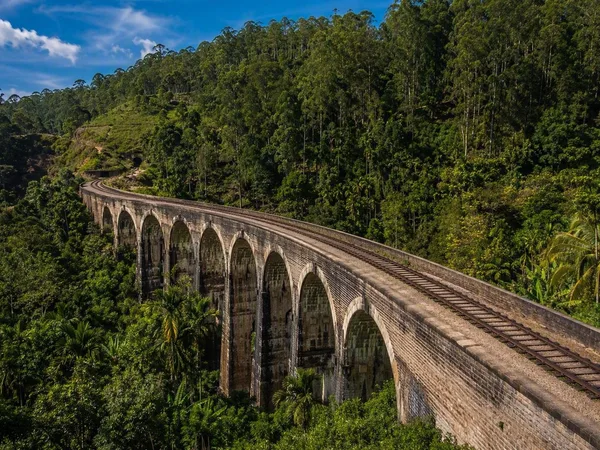
Ella
1 linked stories and routes
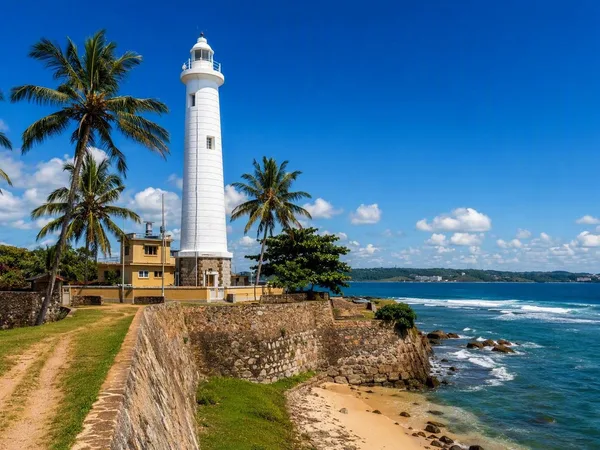
Galle
1 linked stories and routes
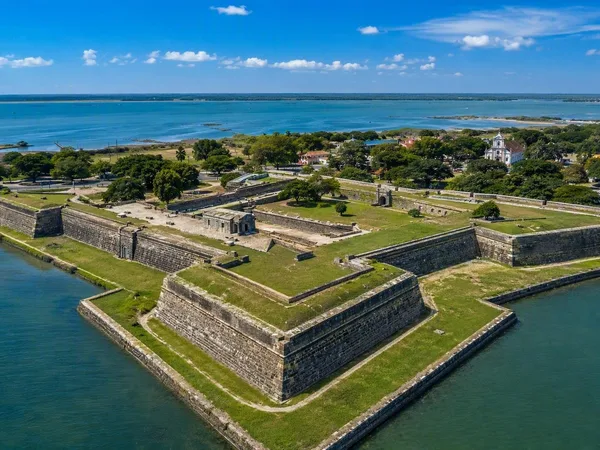
Jaffna Peninsula
1 linked stories and routes
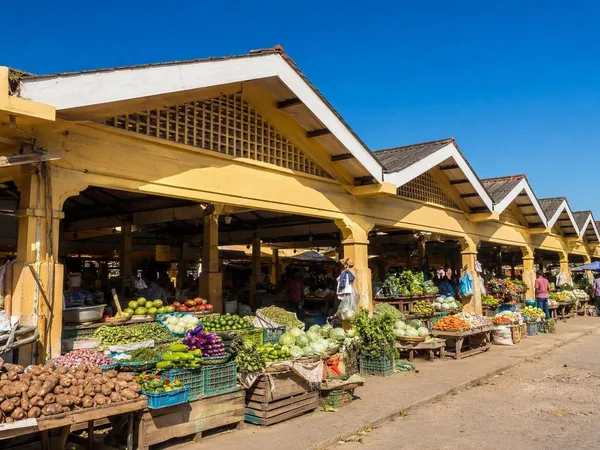
Jaffna Municipal Market
1 linked stories and routes
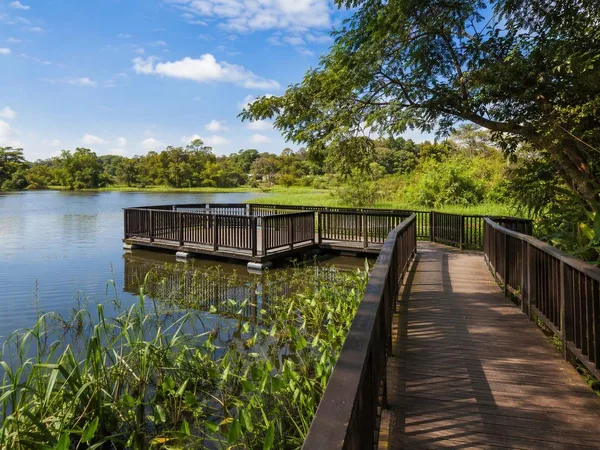
Beddagana Wetland Park
1 linked stories and routes
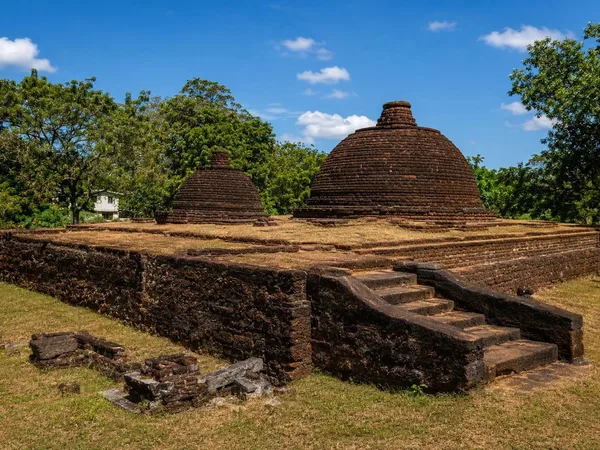
Veherakanda, Beddagana
1 linked stories and routes
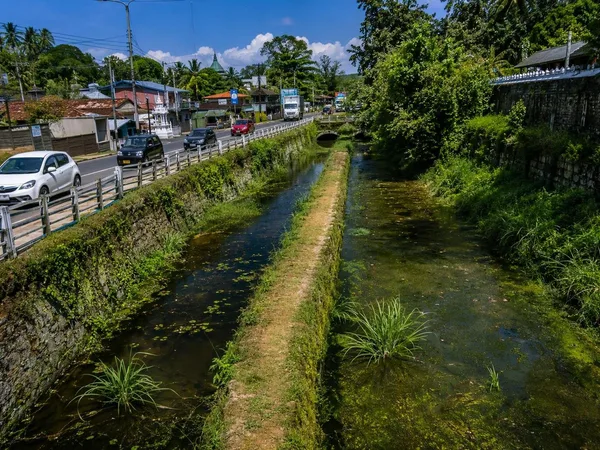
Pita Kotte
1 linked stories and routes
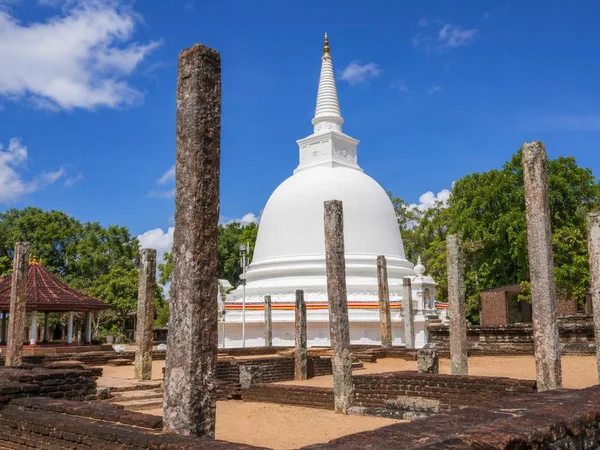
Kotte Raja Maha Vihara
1 linked stories and routes
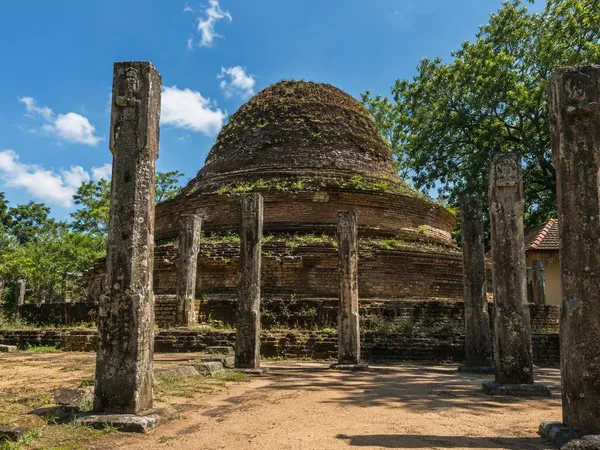
Kotte Rajamaha Vihara
1 linked stories and routes
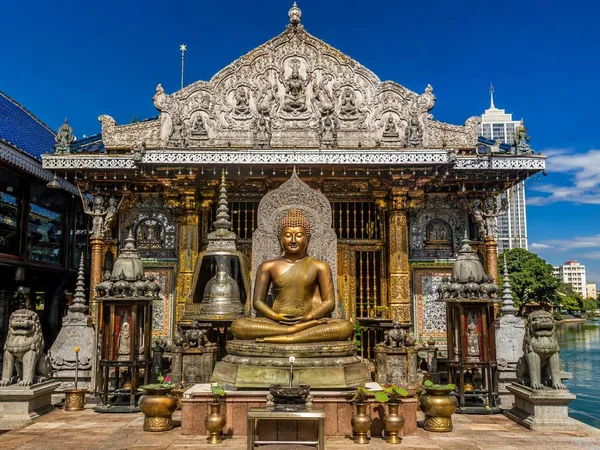
Gangaramaya Temple
1 linked stories and routes
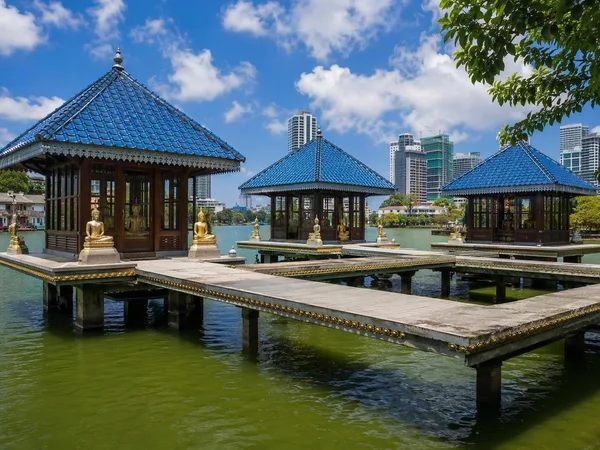
Seema Malaka
1 linked stories and routes
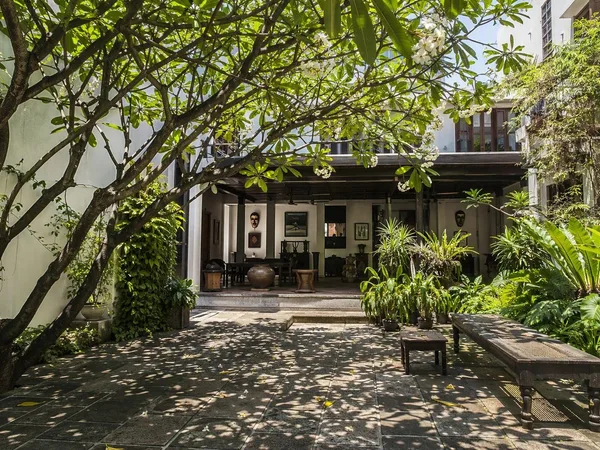
Number 11
1 linked stories and routes