
Neighbourhood · Singapore
Civic District
Singapore’s Civic District is the historic government and cultural quarter between the Singapore River, Fort Canning, Bras Basah Road and the Padang. Its colonial-era civic buildings now hold major museums, performance venues and public monuments.
Start with the civic core
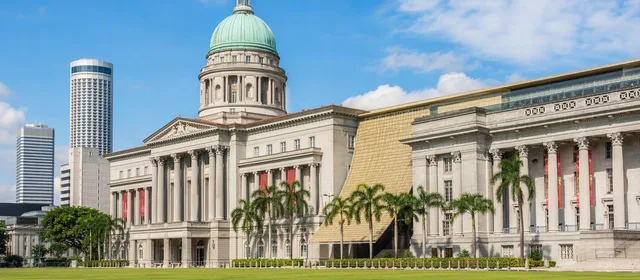
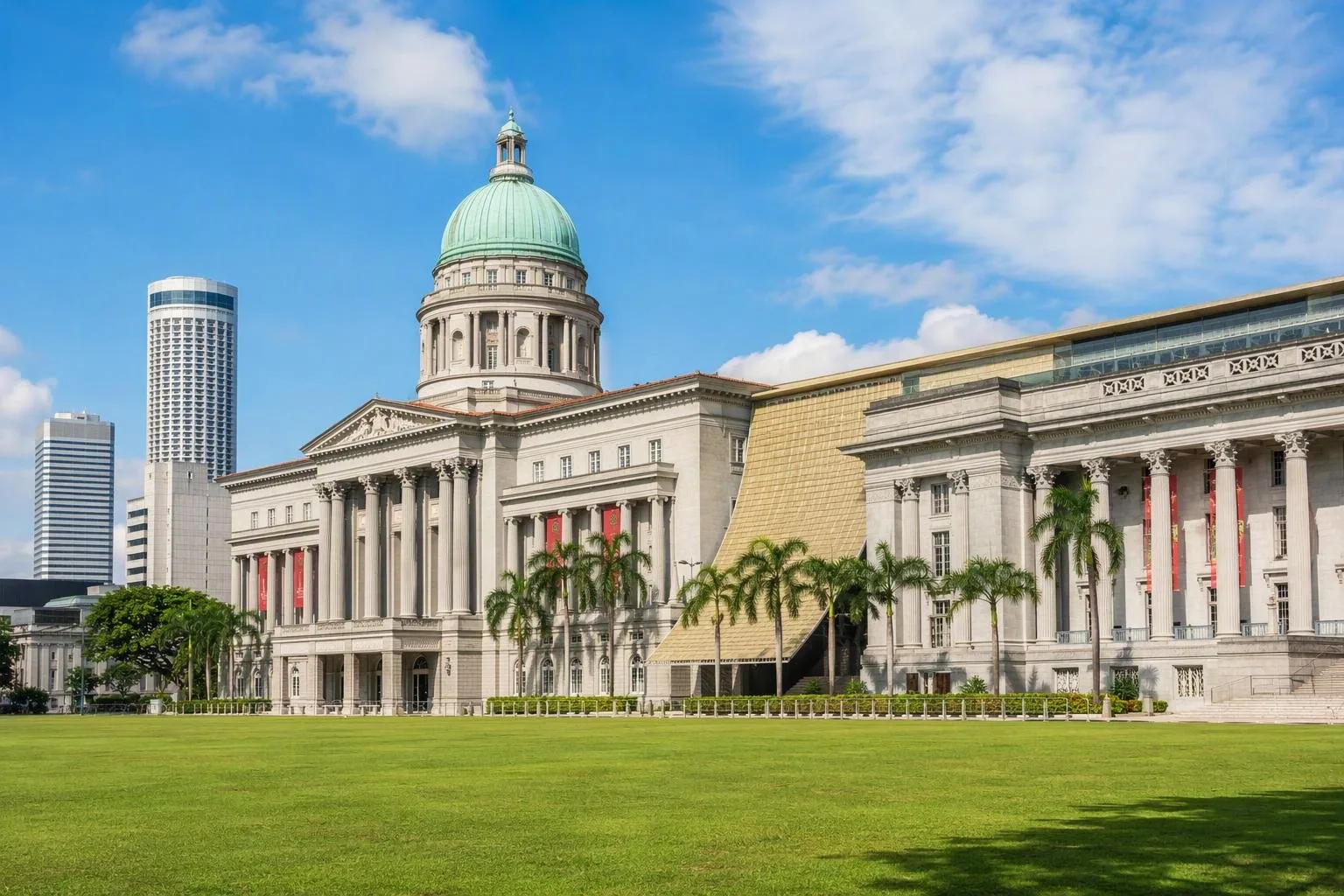
The Civic District is not a single attraction but a compact historic quarter. The Padang—an open field near the river mouth—anchors the main cluster. Around it stand the former City Hall and former Supreme Court, now combined as the National Gallery Singapore; St Andrew’s Cathedral; Victoria Theatre and Concert Hall; and the former Parliament House, now The Arts House.
This was the centre of colonial administration after 1819, but the district’s story reaches further back: the north bank of the Singapore River formed part of the earlier Temasek settlement. The same streets later witnessed the 1945 Japanese surrender, political rallies and milestones on Singapore’s road to self-government and independence.
What to see on foot
Start at the Padang and National Gallery. The former City Hall was completed in 1929; the neighbouring former Supreme Court, crowned by its distinctive green dome, followed in 1939. The buildings are as significant as the art inside.
Continue towards Empress Place for a riverside sequence:
- The Arts House occupies Singapore’s former Parliament House, an early courthouse and government building.
- Victoria Theatre and Concert Hall consists of two historic buildings joined by a 54-metre clock tower.
- Asian Civilisations Museum occupies the former Empress Place Building, completed in 1867 as a courthouse before later government uses.
- Cavenagh Bridge is a pedestrian crossing over the Singapore River; Anderson Bridge nearby was built in 1909 to replace it for traffic.
Parks, monuments and the waterfront
Cross or follow the river edge towards Esplanade Park. The park contains the Cenotaph, the Lim Bo Seng Memorial and the Tan Kim Seng Fountain; the nearby Civilian War Memorial commemorates civilians who died during the Japanese Occupation.
The waterfront makes a useful link between the Civic District, Boat Quay and Marina Bay. Keep the river on one side and the heritage buildings on the other for the clearest sense of the district’s former division between commercial river activity and civic administration.
Getting around
MRT: City Hall is the most useful station for the Padang, National Gallery and cathedral. Esplanade is convenient for the park and waterfront.
Walking: Treat the district as a walk rather than a checklist. The official self-guided Monument Trail through Empress Place, Esplanade Park and War Memorial Park is 1.5 km and takes about 45 minutes at an easy pace. The broader heritage routes range from a 550-metre, 30-minute introduction to a 2.2-km, 90-minute walk.
Most exterior sights and parks are freely accessible. Museums, galleries and performance venues have their own admission and programme arrangements.
From the magazine
Stories about Civic District
Editorial stories linked directly to Civic District.
No stories about Civic District have been published yet.
Routes from our editors
Travel through Civic District
Editorial routes connecting Civic District with other countries, cities and hotspots.
No routes through Civic District have been published yet.
More in Singapore
Related hotspots
Other cities, nature areas and places within Singapore.
Boat Quay
1 linked stories and routes
Marina Bay
1 linked stories and routes
Singapore River
1 linked stories and routes
Clarke Quay
1 linked stories and routes
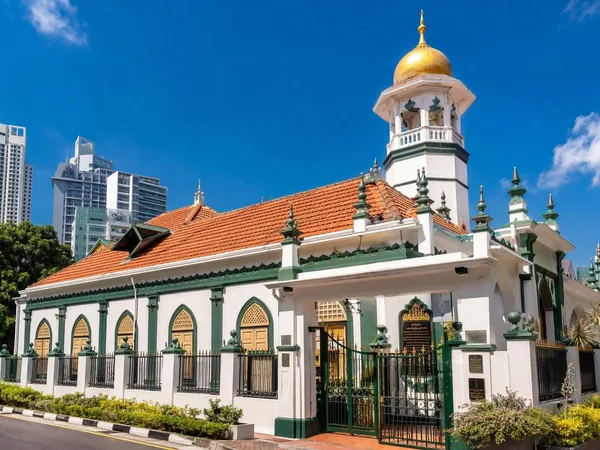
Kampong Melaka, Clarke Quay
1 linked stories and routes
Geylang Serai Market & Food Centre
1 linked stories and routes
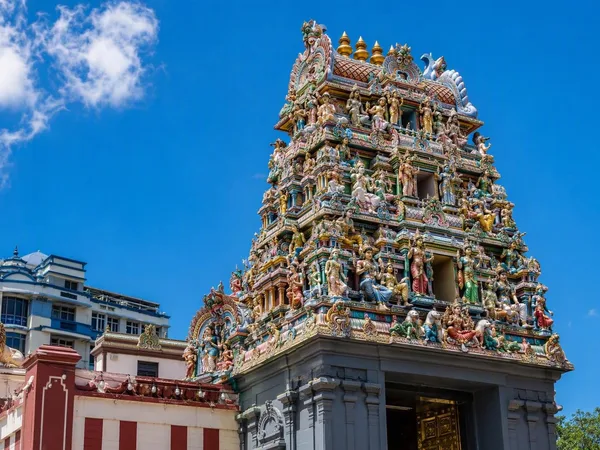
Little India, Singapore
1 linked stories and routes
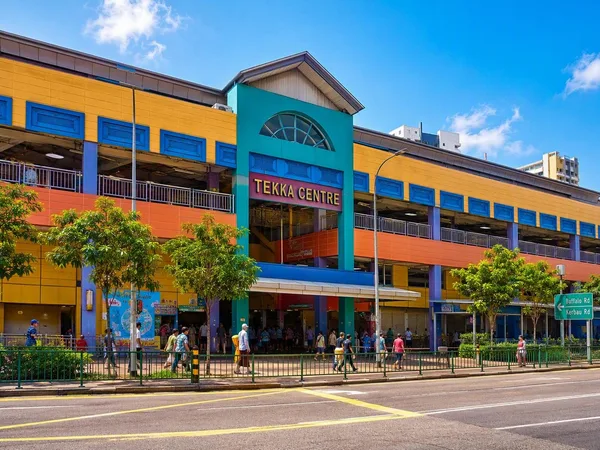
Tekka Centre
1 linked stories and routes
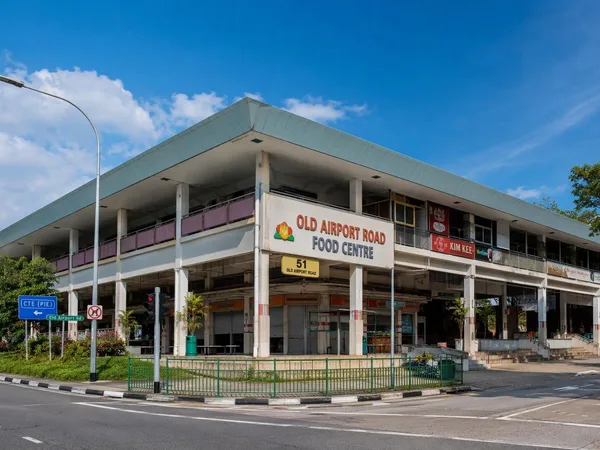
Old Airport Road Food Centre
1 linked stories and routes
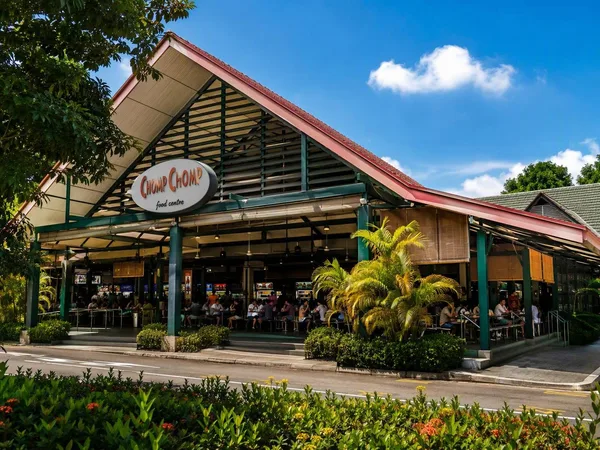
Serangoon Gardens
1 linked stories and routes
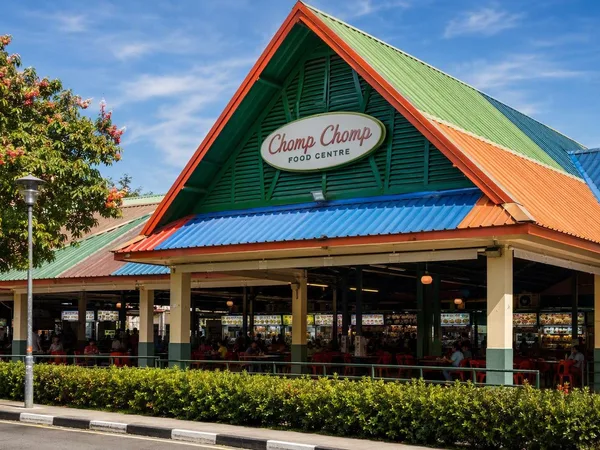
Chomp Chomp Food Centre
1 linked stories and routes