
City · Mongolia
Ulaanbaatar
Ulaanbaatar is Mongolia’s capital, set in the Tuul River valley beneath Bogd Khan Uul. It is the country’s essential urban stop for Buddhist sites, national history and onward transport.
Read the city
Ulaanbaatar began in 1639 as a mobile Buddhist monastic settlement and took its permanent position in the Tuul Valley in 1778. It became the capital in 1924. Today, Soviet-era apartment blocks, glass towers and sprawling ger districts share a high, mountain-rimmed basin.
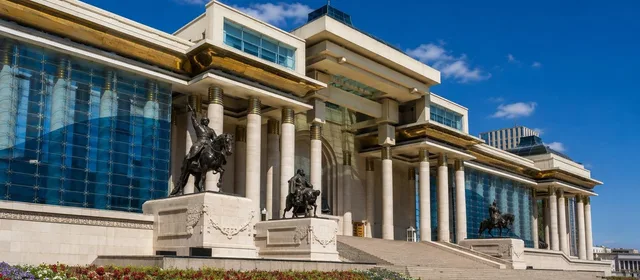
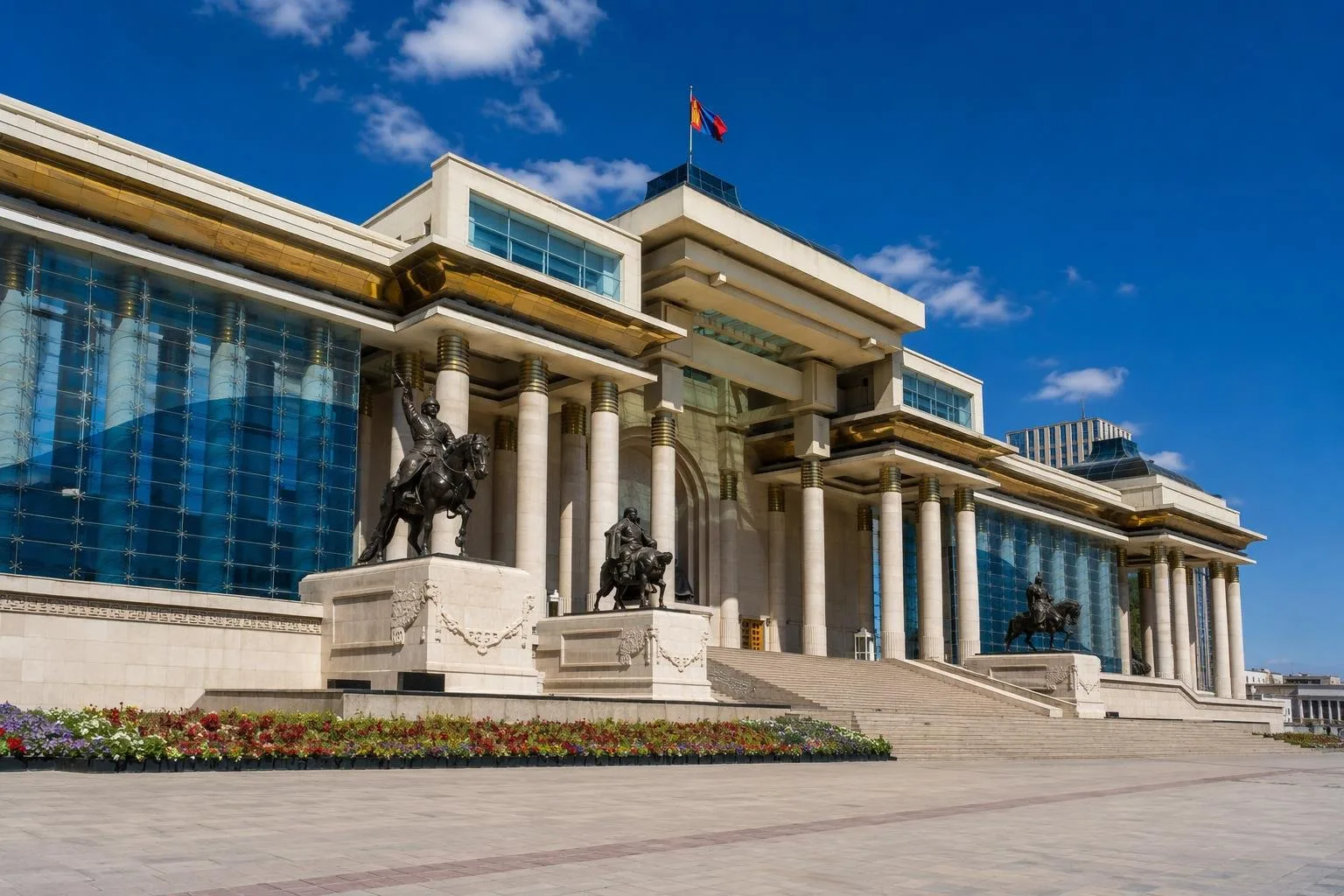
Use Sükhbaatar Square as your reference point. The open civic square is framed by the Government Palace, whose colonnade holds the seated Chinggis Khaan monument. The National Museum of Mongolia and the State Opera and Ballet Theatre are close by, making this the most efficient area to explore on foot.
Buddhist and royal Ulaanbaatar
Gandantegchinlen Monastery, usually shortened to Gandan, is the city’s principal working monastery. Its Migjid Janraisig temple contains a 26-metre statue of the bodhisattva of compassion. Arrive in the morning if you want to hear prayers; dress conservatively, keep voices low and follow photography rules inside halls.
For a more compact historical complex, visit the Choijin Lama Temple Museum. Its early-20th-century temples preserve Buddhist sculpture, paintings and ceremonial masks. South of the centre, the Bogd Khaan Palace Museum was the winter residence of Mongolia’s last theocratic ruler; its temples, royal belongings and diplomatic gifts put the final years of the old capital into focus.
History and views
The National Museum of Mongolia is the strongest general introduction before travelling elsewhere in the country. Its displays cover archaeology, the Mongol Empire, religious culture, nomadic life and the modern state.
For the city’s physical scale, head to Zaisan Memorial on the southern side of the Tuul Valley. The Soviet-era circular monument has mosaic panels; the real reason to go is the view across the urban basin towards the surrounding hills. Combine it with the Bogd Khaan Palace rather than treating it as a central-city walk.
Moving around
The central core—square, museums, shops and cafés—works well on foot. Beyond it, use public buses or a registered taxi or ride-hailing service. Traffic can be slow at weekday peaks, so do not plan tight cross-city connections.
Chinggis Khaan International Airport and Ulaanbaatar railway station make the capital Mongolia’s main transport hub. It is also the practical base for arranging travel beyond the city, but the Chinggis Khaan Equestrian Statue and Gorkhi-Terelj National Park are separate day trips, not city sights.
Seasons and essential caution
June through September offers the most workable weather for walking and excursions. Naadam, Mongolia’s national festival, runs from 11 to 13 July; the capital hosts the formal opening and gets considerably busier.
Winter is severe. Coal heating and temperature inversions can produce serious air pollution, especially in ger-district areas. Bring proper cold-weather layers, allow indoor breaks, and reduce extended outdoor time when air quality is poor.
From the magazine
Stories about Ulaanbaatar
Editorial stories linked directly to Ulaanbaatar.
No stories about Ulaanbaatar have been published yet.
Routes from our editors
Travel through Ulaanbaatar
Editorial routes connecting Ulaanbaatar with other countries, cities and hotspots.
No routes through Ulaanbaatar have been published yet.
More in Mongolia
Related hotspots
Other cities, nature areas and places within Mongolia.
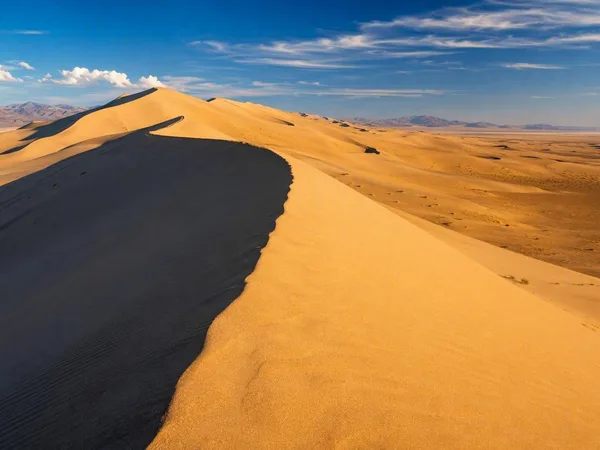
Gobi, Mongolia
1 linked stories and routes
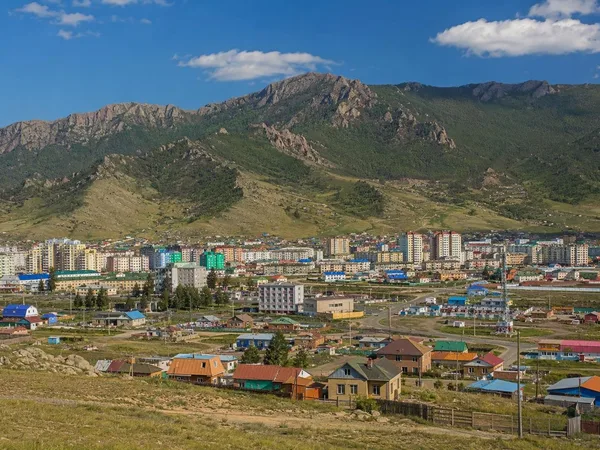
Zuunmod
1 linked stories and routes
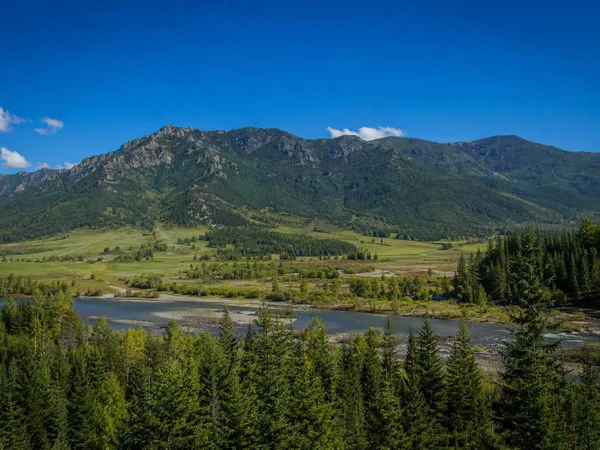
Bogd Khan Uul
1 linked stories and routes
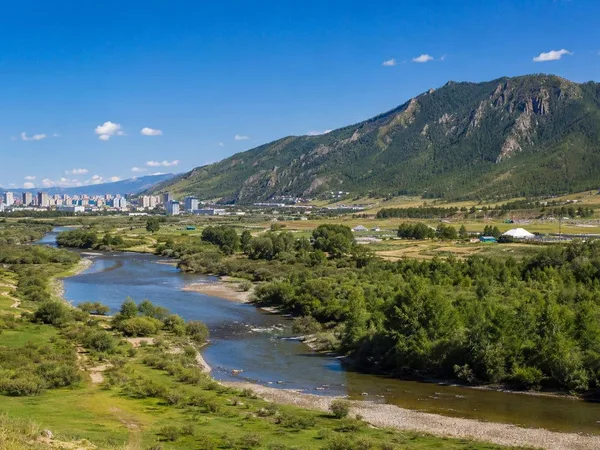
Tuul Valley
1 linked stories and routes
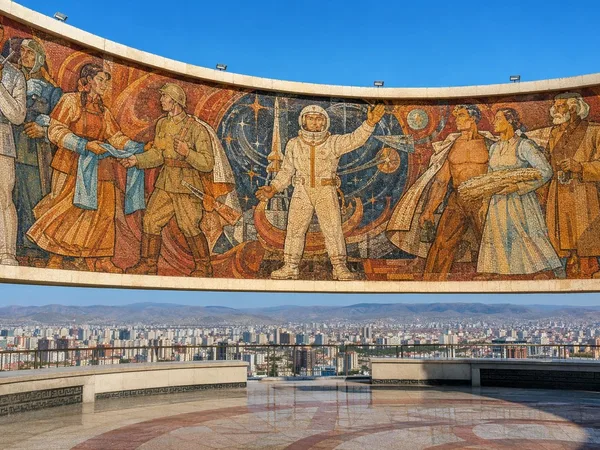
Zaisan, Ulaanbaatar
1 linked stories and routes
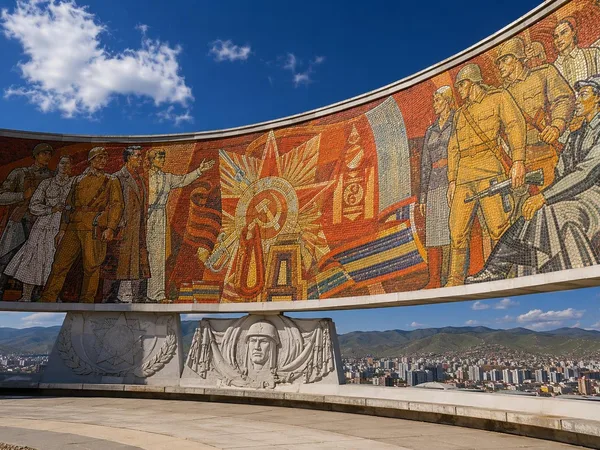
Zaisan Memorial Hill
1 linked stories and routes
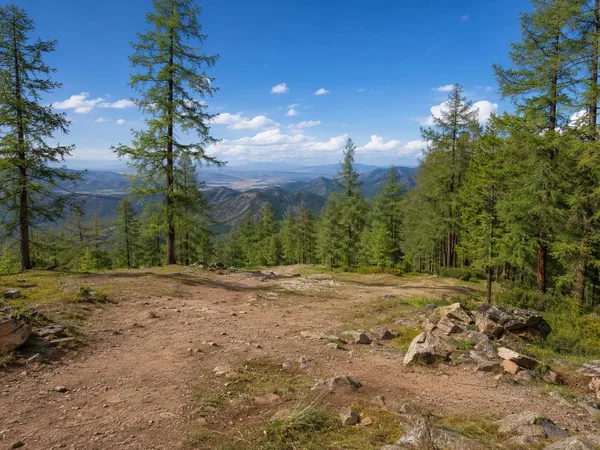
Dugui Tsagaan
1 linked stories and routes
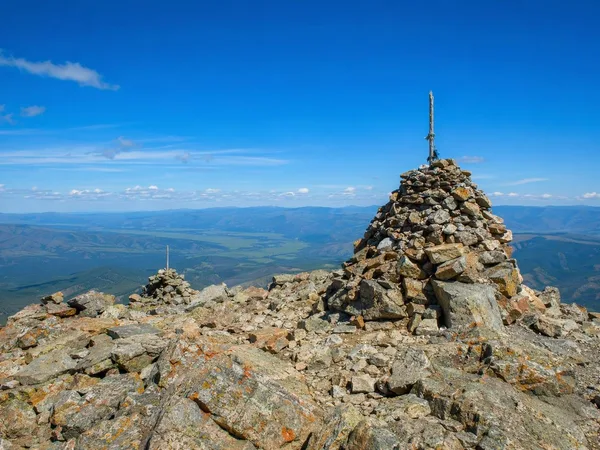
Tsetsee Gun
1 linked stories and routes
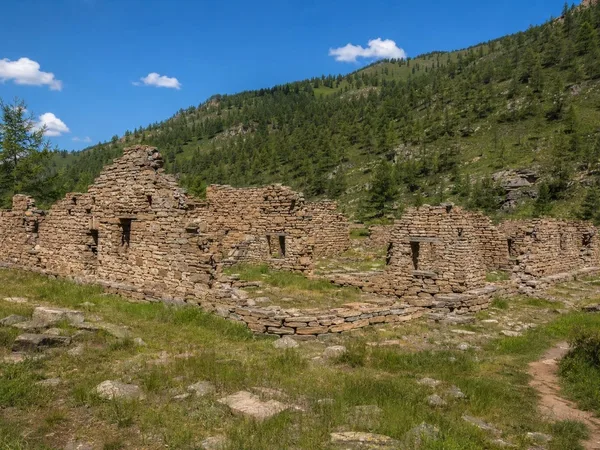
Manzushir Monastery
1 linked stories and routes