
Nature area · Mongolia
Tuul Valley
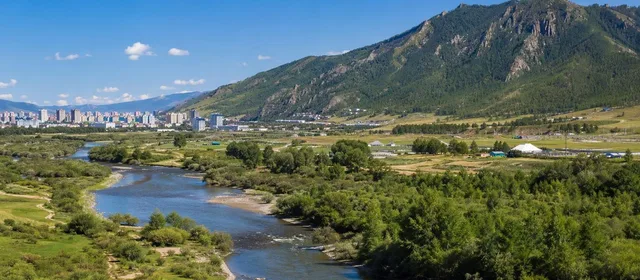
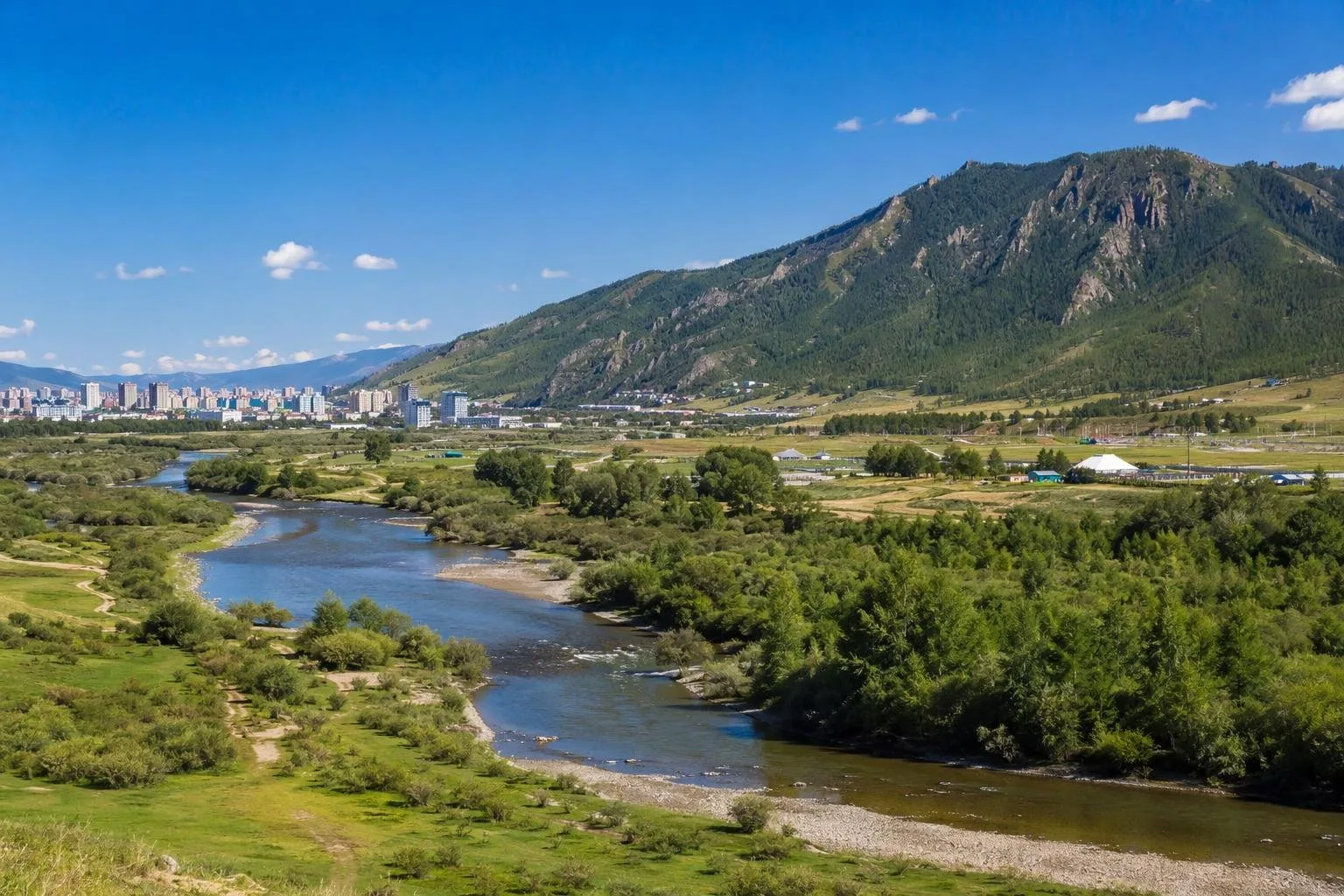
Tuul Valley is the broad river valley through southern Ulaanbaatar, Mongolia, lying between the capital and the protected slopes of Bogd Khan Uul. It is the city’s key geographical frame: urban development on the valley floor, mountain forest immediately to the south.
Orientation
Tuul Valley follows the Tuul River through Ulaanbaatar’s southern side. Here, the river corridor and built-up valley floor sit below Bogd Khan Uul, the long mountain ridge that defines the skyline to the south. This is not a single enclosed park or a self-contained trail destination; it is the landscape that connects the city, river and mountain.
Use it to understand Ulaanbaatar’s setting. From the city-facing foothills and viewpoints, the flat, densely developed valley is spread below, while the river runs between the urban area and Bogd Khan Uul.
What to look for
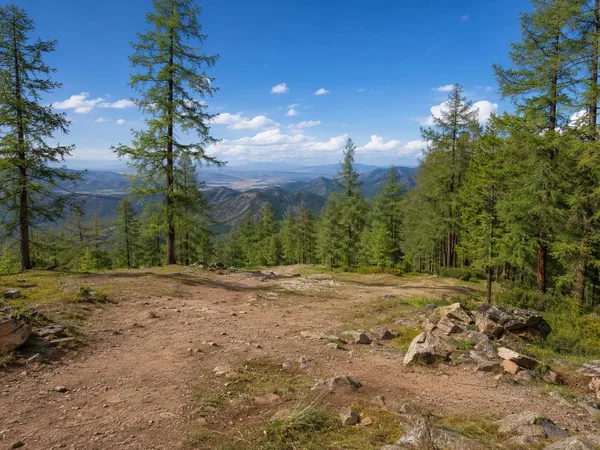
The valley is most legible from the northern side of Bogd Khan Uul. Its forested slopes are cut by small valleys and ridges, so the city disappears and returns as you gain height.
- Tuul River: the river runs through the southern part of Ulaanbaatar and is central to the valley’s form.
- Bogd Khan Uul: immediately south of the valley, its northern slopes carry dense conifer forest; the southern side is markedly rockier and more open.
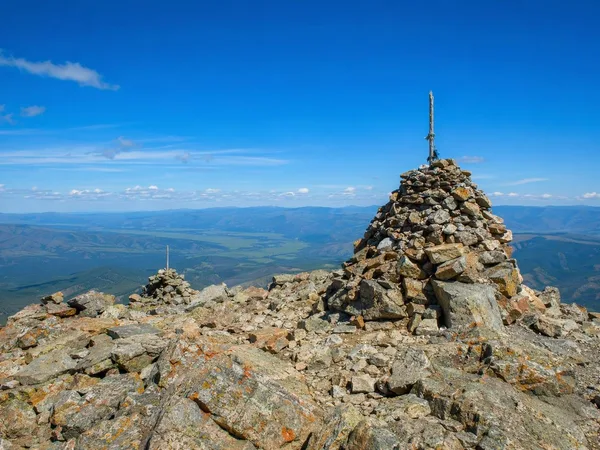
- Tsetsee Gun: the mountain’s highest summit reaches 2,268 metres. It is the prominent high point above the valley.
- The city edge: development meets the mountain foothills abruptly, making the contrast between urban basin and protected forest unusually clear.
Bogd Khan Uul access
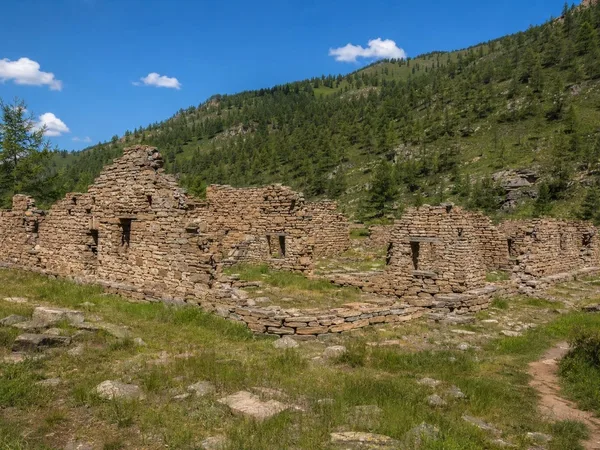
The practical way to experience Tuul Valley from above is through the access points around Bogd Khan Uul. Zaisan and Nukht are on the Ulaanbaatar side; Manzushir Monastery is on the southern side near Zuunmod. The mountain is a strictly protected area and a UNESCO biosphere reserve, so treat it as protected terrain rather than an urban park.
Tsetsee Gun is reached on foot from mountain trailheads. The Manzushir approach combines the forested setting with monastery remains; the northern approaches give the more direct city-and-valley outlook. Entry arrangements can apply at official access points.
Timing and conditions
Summer and early autumn give the clearest access to mountain paths and the strongest contrast between river corridor, city and forest. Conditions change fast on exposed ground: carry water, a windproof layer and proper footwear. Snow and ice make upper routes substantially more serious outside the warm season.
The Tuul is a working urban river, not a designated swimming venue in Ulaanbaatar. Keep riverside visits to paths and public spaces, and do not treat the water as suitable for recreation.
Respect a protected sacred landscape
Bogd Khan Uul has been revered and protected for centuries; formal protection dates to 1778. Stay on established routes where available, take all rubbish out, and do not disturb plants, wildlife or religious sites. The value of the Tuul Valley lies precisely in this close, fragile meeting of capital city, river and protected mountain.
From the magazine
Stories about Tuul Valley
Editorial stories linked directly to Tuul Valley.
No stories about Tuul Valley have been published yet.
Routes from our editors
Travel through Tuul Valley
Editorial routes connecting Tuul Valley with other countries, cities and hotspots.
No routes through Tuul Valley have been published yet.
More in Mongolia
Related hotspots
Other cities, nature areas and places within Mongolia.
Gobi, Mongolia
1 linked stories and routes
Zuunmod
1 linked stories and routes
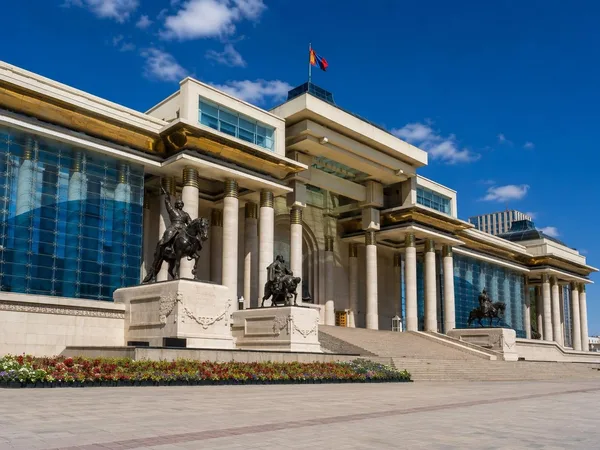
Ulaanbaatar
1 linked stories and routes
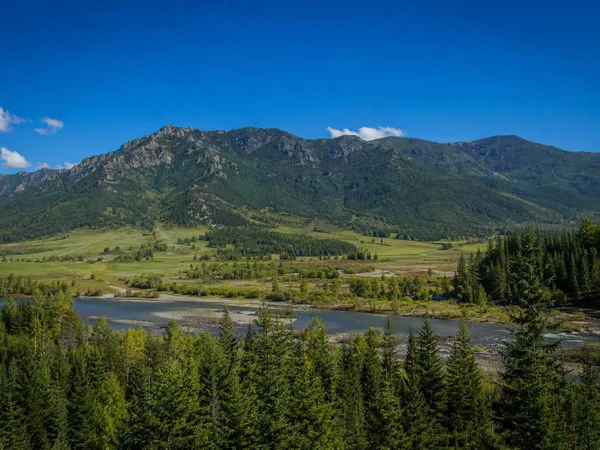
Bogd Khan Uul
1 linked stories and routes
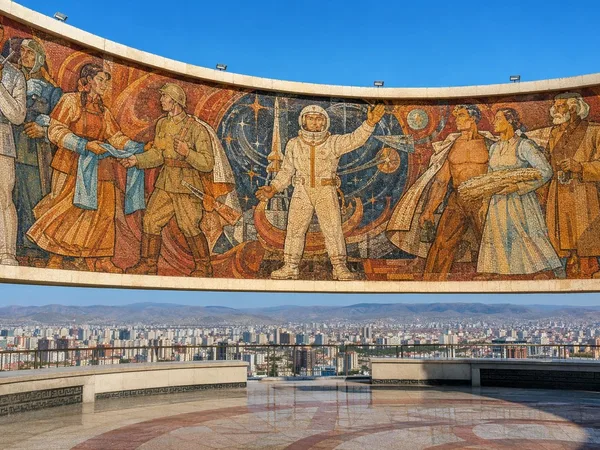
Zaisan, Ulaanbaatar
1 linked stories and routes
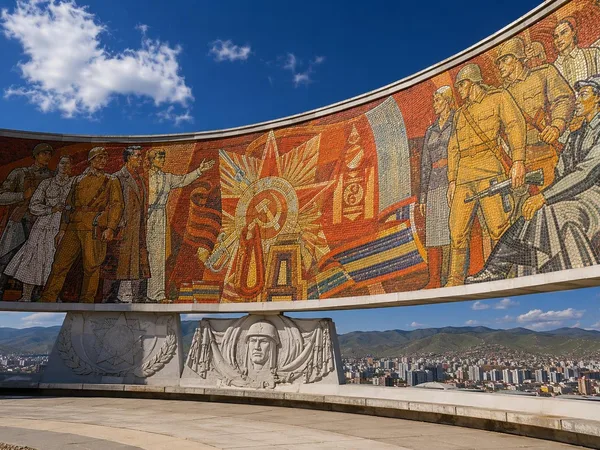
Zaisan Memorial Hill
1 linked stories and routes
Dugui Tsagaan
1 linked stories and routes
Tsetsee Gun
1 linked stories and routes
Manzushir Monastery
1 linked stories and routes