
Mountain · Mongolia
Bogd Khan Uul
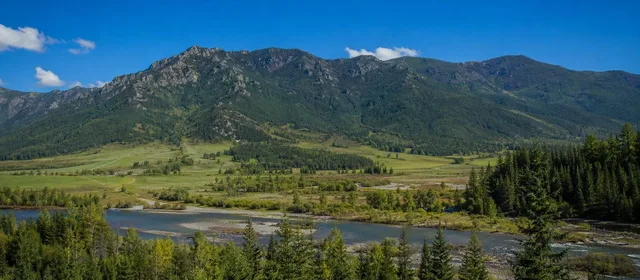
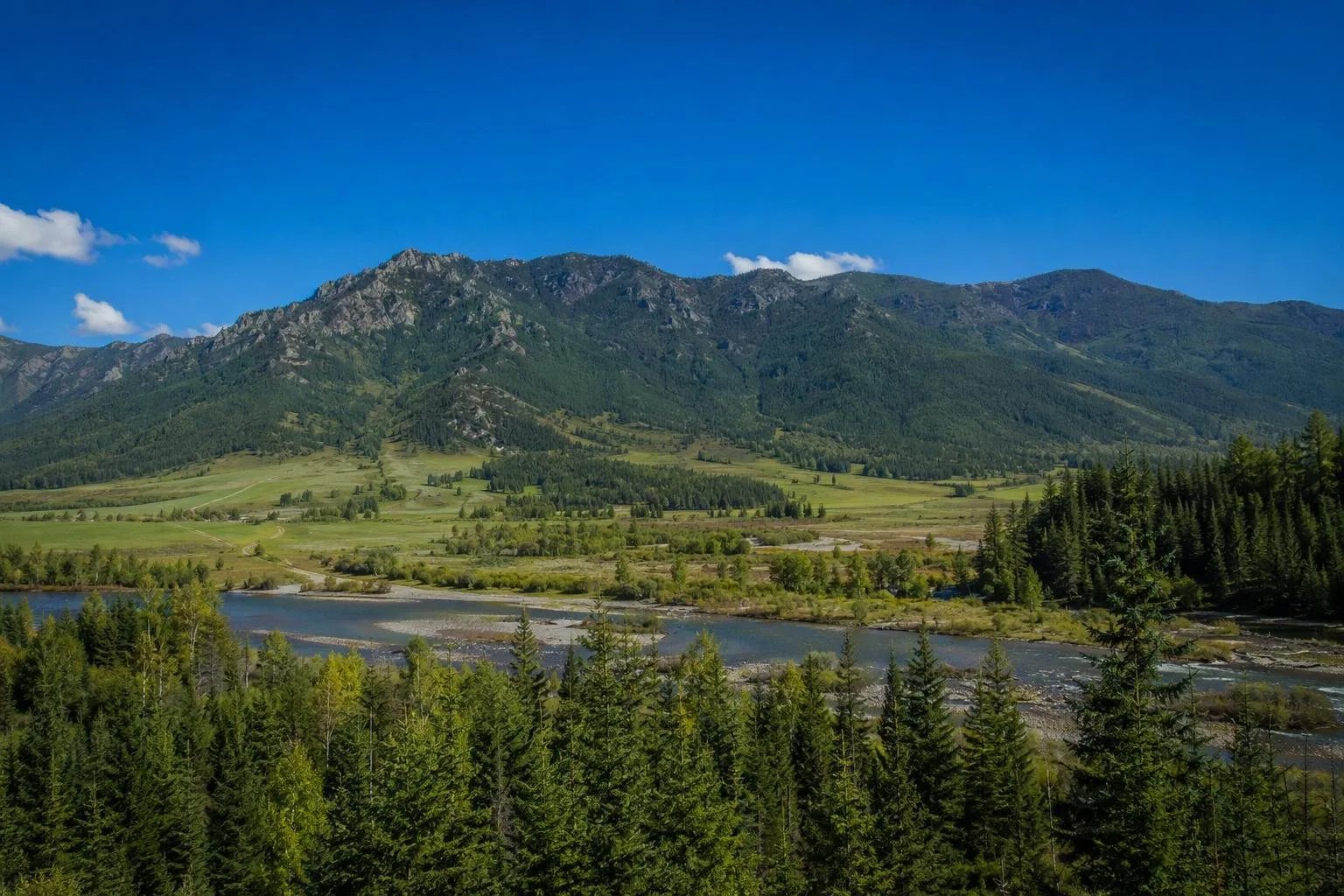
Bogd Khan Uul is the sacred, protected mountain immediately south of Ulaanbaatar, Mongolia. Its forested northern slopes rise directly above the Tuul Valley, while the drier southern side leads towards Zuunmod and Manzushir Monastery.
Orientation
Bogd Khan Uul forms Ulaanbaatar’s southern skyline, with the Tuul River and the city’s built-up valley at its northern foot. It is part of the Khentii Mountains and the centrepiece of a UNESCO biosphere reserve designated in 1996. The mountain is not remote wilderness: its trails, valleys and viewpoints begin close to the capital, but it remains a protected cultural and natural landscape.
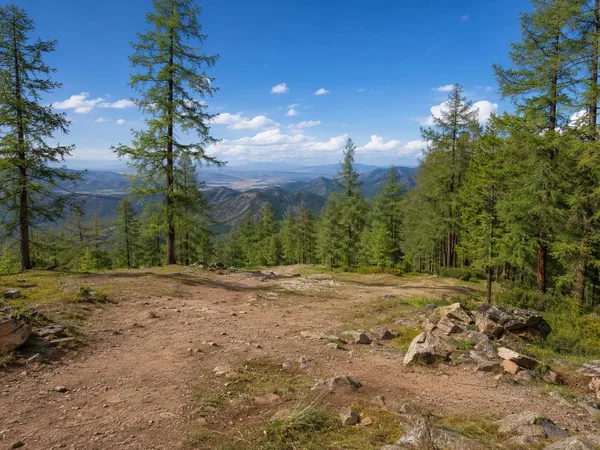
The contrast between slopes is the key to reading the mountain. The cooler northern side carries dense conifer forest; the sunnier southern side is notably rockier and more open. Grassland, taiga vegetation, alpine ground and bare rock occur across the reserve. Look for larch, birch and pine in the forest belt rather than expecting uninterrupted steppe.
Walks and viewpoints
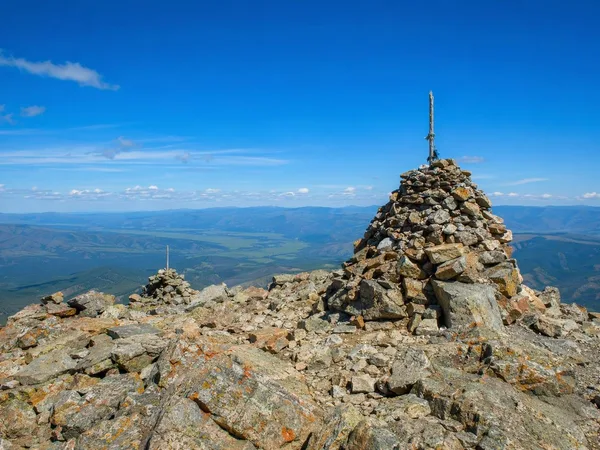
Tsetsee Gun Peak is the mountain’s high point, at roughly 2,260 metres. It is the principal summit objective, with the city and Tuul Valley to the north and the southern forest-steppe landscape beyond the ridge.
Zaisan Hill is the fast option for a broad geographic view rather than a mountain hike. Its long staircase climbs to a Soviet-era memorial with a circular ceramic mosaic. From here, Ulaanbaatar fills the valley below and Bogd Khan Uul begins immediately behind the southern districts.
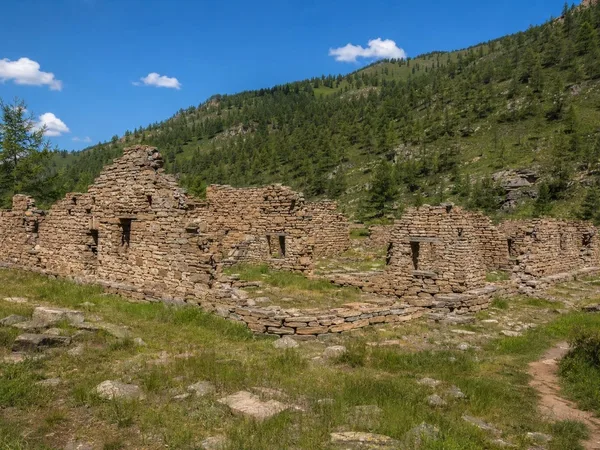
For a more cultural route, approach from the south via Manzushir Monastery, near Zuunmod. Founded in 1733 and largely destroyed in 1937, the complex now consists of ruins, a restored museum building, Buddhist images and inscriptions on nearby rock, and a large bronze cooking cauldron dated 1726. It makes a useful starting point for shorter forest walks as well as longer mountain routes.
A sacred protected mountain
Bogd Khan Uul has been revered as a holy mountain since at least the twelfth and thirteenth centuries, when hunting and logging were prohibited. It was formally sanctified and protected in 1778. That long tradition explains why the mountain matters as more than Ulaanbaatar’s recreation ground.
Wildlife includes musk deer, roe deer, sable and Arctic hare, though sightings are never guaranteed. Treat wildlife as wildlife: keep distance, stay quiet and do not feed animals.
Access and ground rules
Use established access points on the Ulaanbaatar side, including Zaisan and Nukht, or the Manzushir approach from the south. A taxi or private vehicle is the practical way to reach the southern trailhead; routes from the city side are easier to combine with urban sightseeing.
- Wear proper footwear: paths can be steep, uneven and rocky.
- Carry water and food; facilities are limited once away from the urban edge.
- Stay on marked or established routes, take all litter out and do not damage trees, rock art, cairns or monastery remains.
- Conditions change sharply with season. Summer is the simplest walking period; snow and severe cold make winter outings a serious undertaking.
From the magazine
Stories about Bogd Khan Uul
Editorial stories linked directly to Bogd Khan Uul.
No stories about Bogd Khan Uul have been published yet.
Routes from our editors
Travel through Bogd Khan Uul
Editorial routes connecting Bogd Khan Uul with other countries, cities and hotspots.
No routes through Bogd Khan Uul have been published yet.
More in Mongolia
Related hotspots
Other cities, nature areas and places within Mongolia.
Gobi, Mongolia
1 linked stories and routes
Zuunmod
1 linked stories and routes
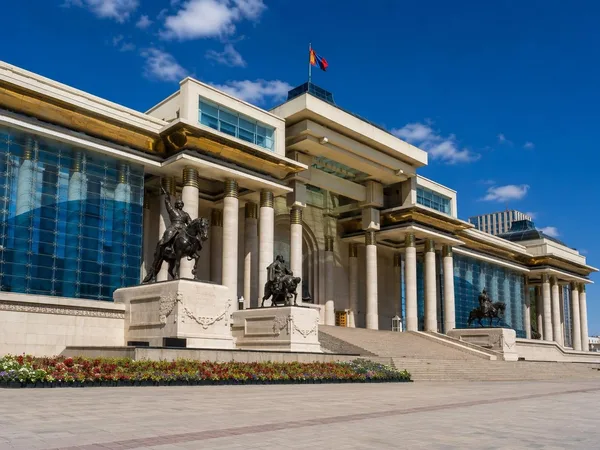
Ulaanbaatar
1 linked stories and routes
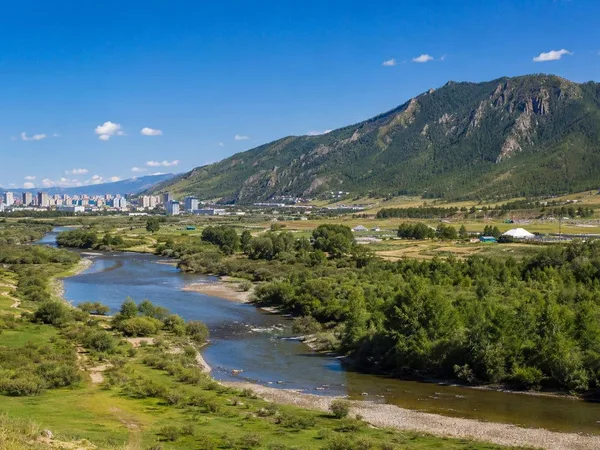
Tuul Valley
1 linked stories and routes
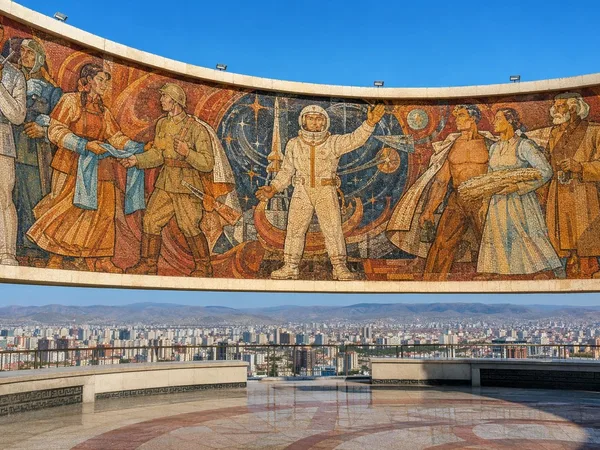
Zaisan, Ulaanbaatar
1 linked stories and routes
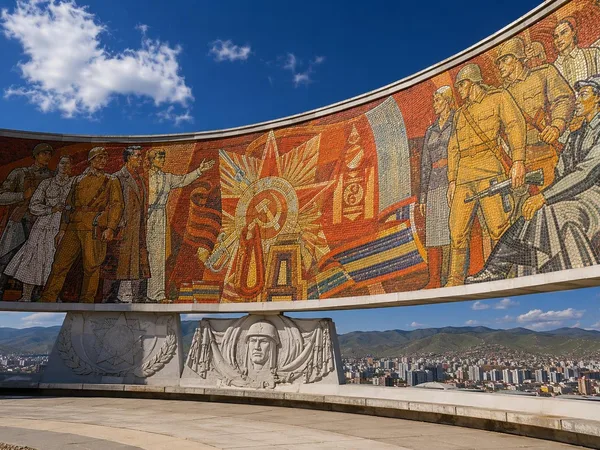
Zaisan Memorial Hill
1 linked stories and routes
Dugui Tsagaan
1 linked stories and routes
Tsetsee Gun
1 linked stories and routes
Manzushir Monastery
1 linked stories and routes