
City · Laos
Vientiane
Vientiane, Laos’s capital, sits on the Mekong opposite Thailand. It is a compact city of national Buddhist monuments, temple compounds, food markets and a riverside that comes into its own late in the day.
Get oriented
Vientiane spreads across the Lao bank of the Mekong, with Thailand on the far shore. The riverfront, the historic centre and the principal temples are close enough to combine on foot; Pha That Luang lies farther northeast. The city is the national capital, but its scale remains low-rise and manageable.
Start with the river and work inland through the older central streets. The broad Lane Xang Avenue provides a useful east–west axis, running past Patuxai toward the stupa precinct.
Essential landmarks
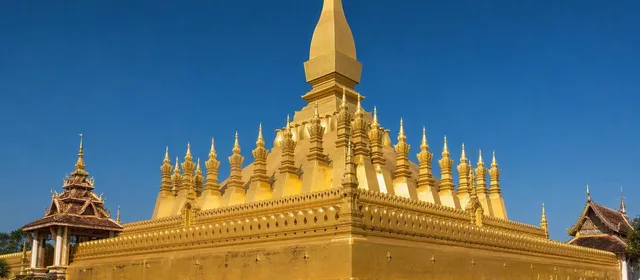
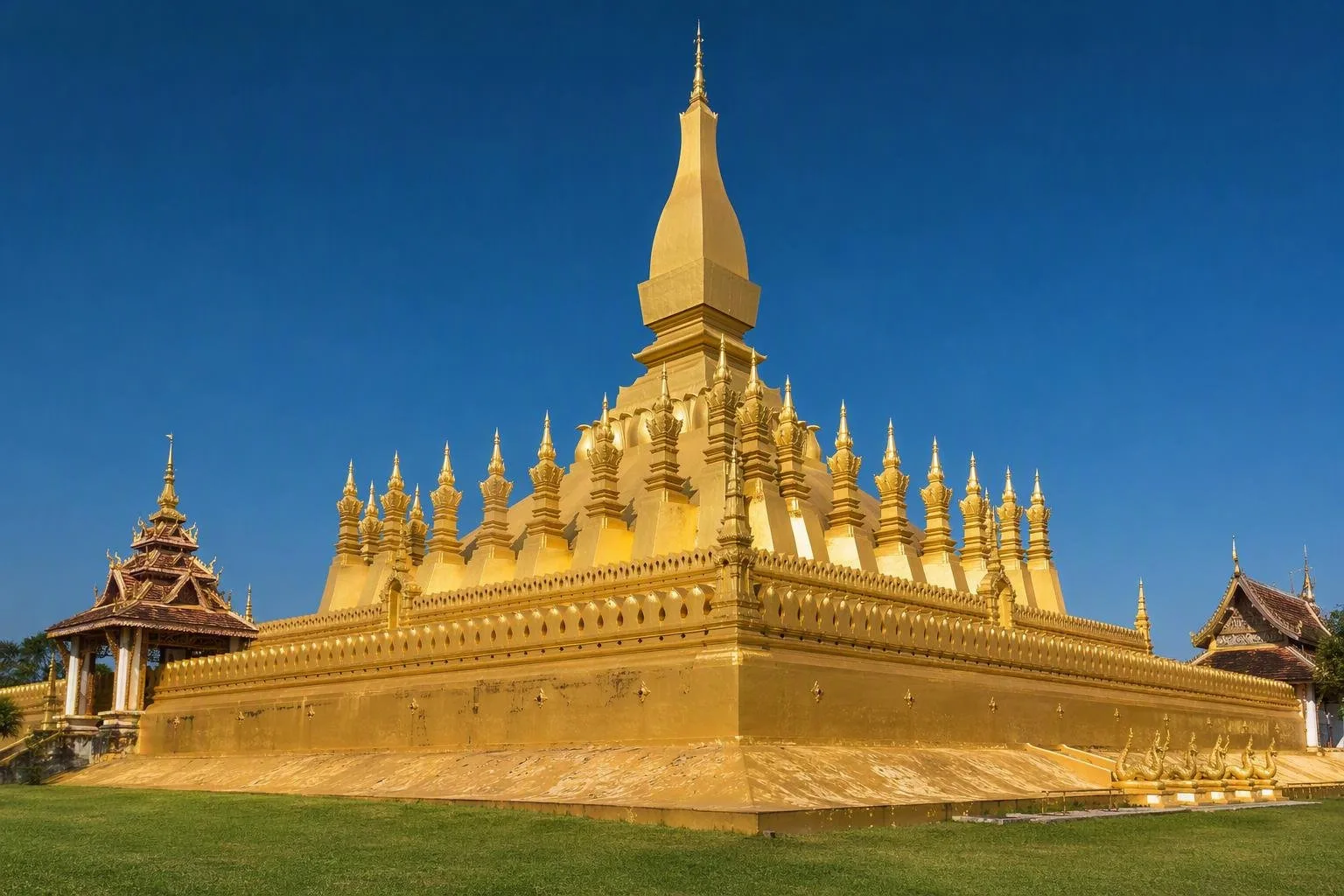
Pha That Luang is the defining landmark: a gilded Buddhist stupa rebuilt in 1566 when King Setthathirath established his capital here. Its 45-metre spire, stepped base and ring of smaller stupas make it the clearest expression of Lao national and religious identity.
In the centre, pair two temple sites:
- Wat Si Saket has a cloister lined with thousands of small Buddha images. Built in 1818, it is the city’s oldest surviving temple.
- Haw Phra Kaew, opposite, was once the royal temple for the Emerald Buddha and now presents Buddhist art in a former sacred setting.
- Patuxai is the concrete Victory Gate on Lane Xang Avenue. Its triumphal-arch form is finished with Lao mythological ornament; climb only if the interior is open and stairs suit you.
Eat like Vientiane
Sticky rice, or khao niew, is the foundation of a Lao meal. It arrives in a small woven basket and is eaten by hand with grilled meat, vegetables, chilli dips and salads.
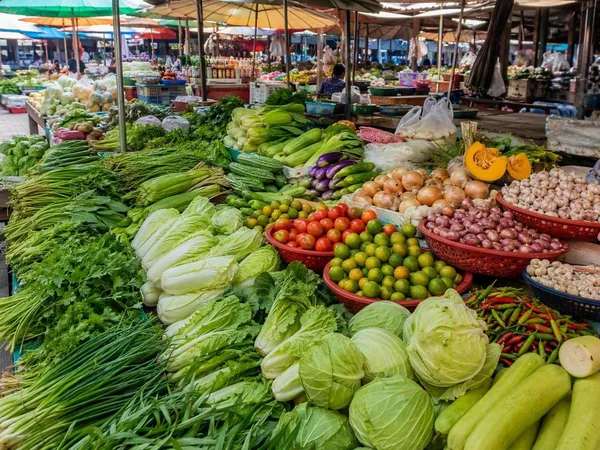
Order laab for a direct introduction to the city’s food: finely chopped meat, fish or mushrooms dressed with lime, chilli, herbs and roasted sticky-rice powder. Padaek, the strong, thick fermented-fish seasoning, gives many Lao dishes their salty depth. At Khua Din Market, look for fresh produce, fish, herbs and prepared food rather than souvenir shopping.
Move around efficiently
Central Vientiane is largely flat. Walk the historic core in the morning, then use a tuk-tuk, taxi or ride-hailing car for Pha That Luang, Patuxai and longer cross-city hops. Agree a tuk-tuk fare before departure. Wattay International Airport is west of the centre, while buses and local connections gather around the Talat Sao area.
Timing and temple conduct
Walk early or late: midday heat is persistent, especially from March to May. The wetter months bring heavy showers, often later in the day. November to February is generally the most comfortable period for exploring on foot.
At active temples, cover shoulders and knees, remove shoes where required, and avoid pointing feet toward Buddha images. The annual That Luang festival, around the full moon of the twelfth lunar month, brings major religious observances and crowds to the stupa precinct.
From the magazine
Stories about Vientiane
Editorial stories linked directly to Vientiane.
No stories about Vientiane have been published yet.
Routes from our editors
Travel through Vientiane
Editorial routes connecting Vientiane with other countries, cities and hotspots.
No routes through Vientiane have been published yet.
More in Laos
Related hotspots
Other cities, nature areas and places within Laos.
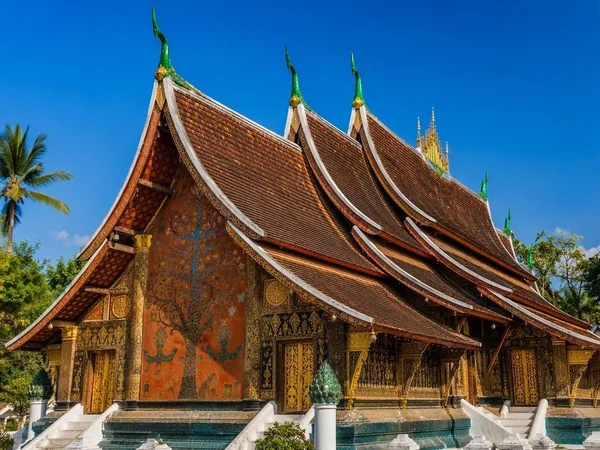
Luang Prabang
2 linked stories and routes
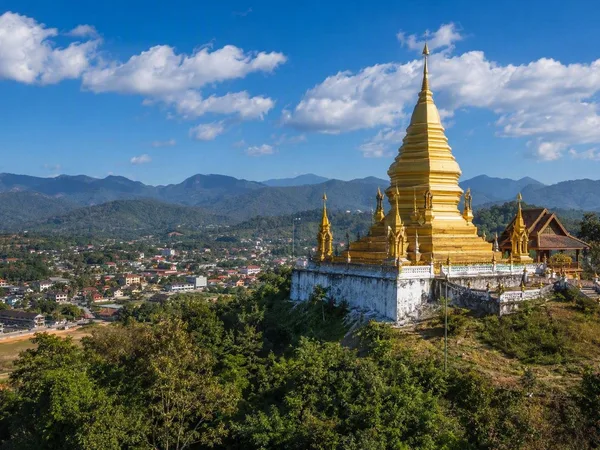
Luang Namtha
1 linked stories and routes
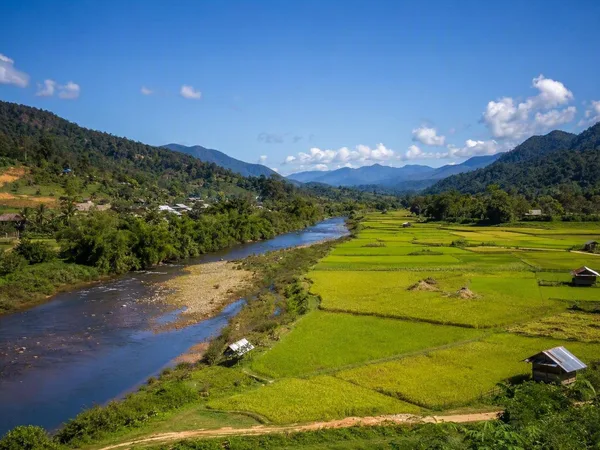
Nam Tha Valley
1 linked stories and routes
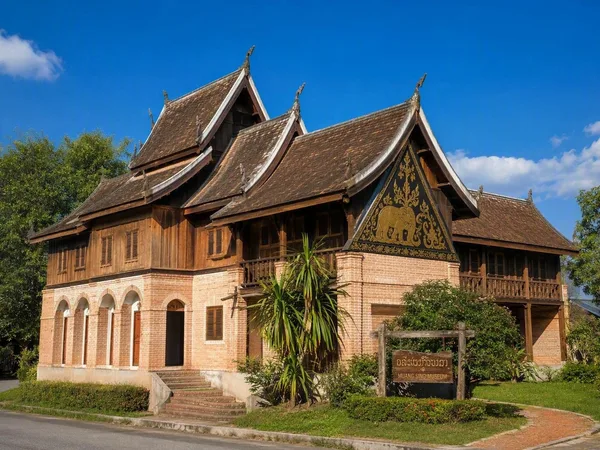
Muang Sing
1 linked stories and routes
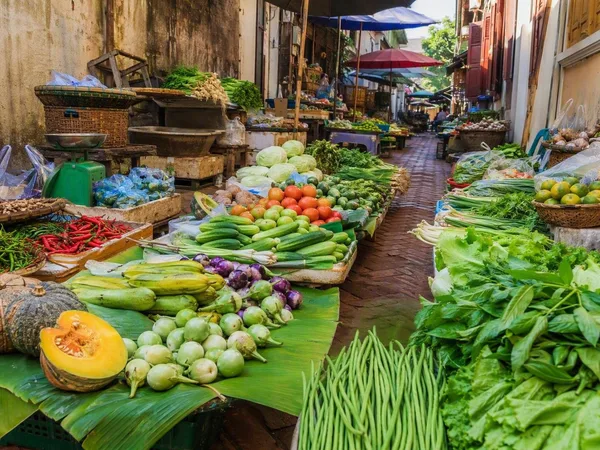
Talad Sao Morning Market
1 linked stories and routes
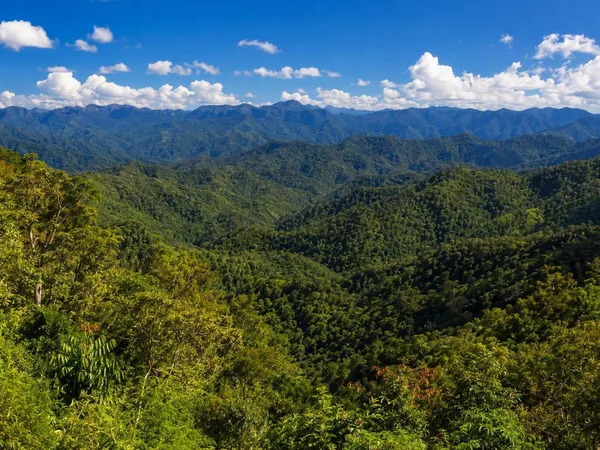
Luang Namtha province
1 linked stories and routes
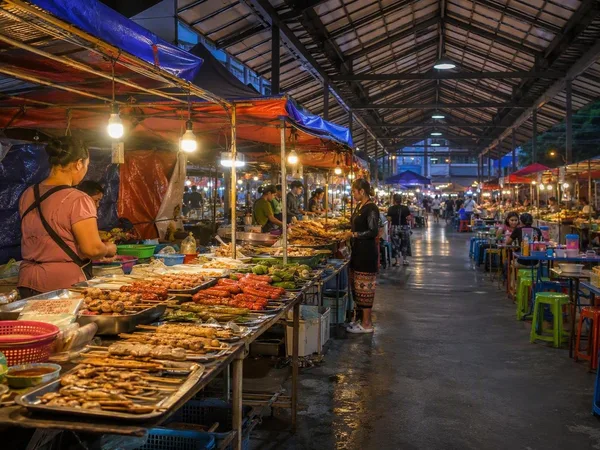
Luang Namtha Night Market
1 linked stories and routes
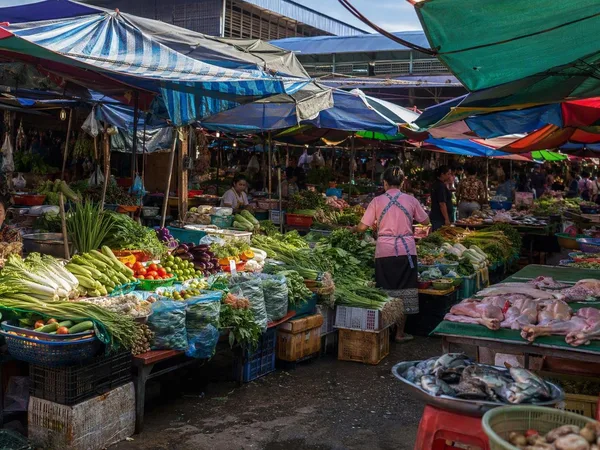
Khua Din Morning Market
1 linked stories and routes
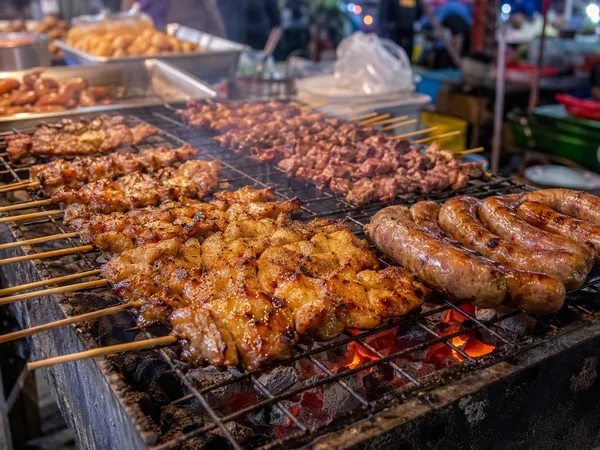
Ban Anou Night Market
1 linked stories and routes
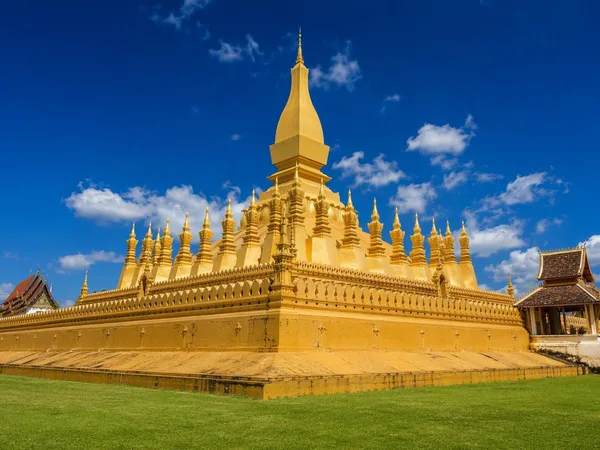
Pha That Luang
1 linked stories and routes
Luang Namtha Market
0 linked stories and routes