
Town · Laos
Muang Sing
Muang Sing is a small district town in far northwestern Laos, in the mountain-ringed valley of Luang Namtha Province near the Chinese and Myanmar borders. It is a useful base for Tai Lue culture, an early-morning market and guided visits to surrounding villages.
Orientation
Muang Sing sits about 60 km northwest of Luang Namtha town, at the centre of a mountainous border district. The compact town is straightforward to cover on foot; the wider valley is where its cultural landscape begins. Tai Lue, Tai Neua and Akha communities are central to local life, alongside Tai Dam, Hmong and Yao Mien communities.
The town itself is quiet and functional rather than built around a single landmark. Use it as a base for the market, temples and museum, then make day trips into the valley by bicycle, tuk-tuk or with a local guide.
Start in the town centre
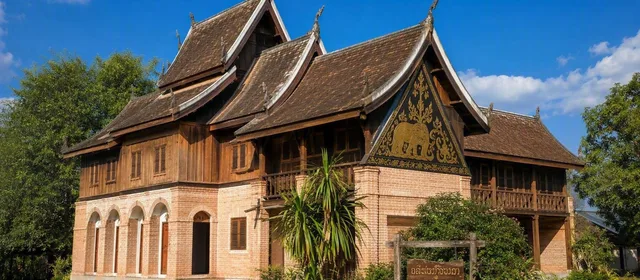
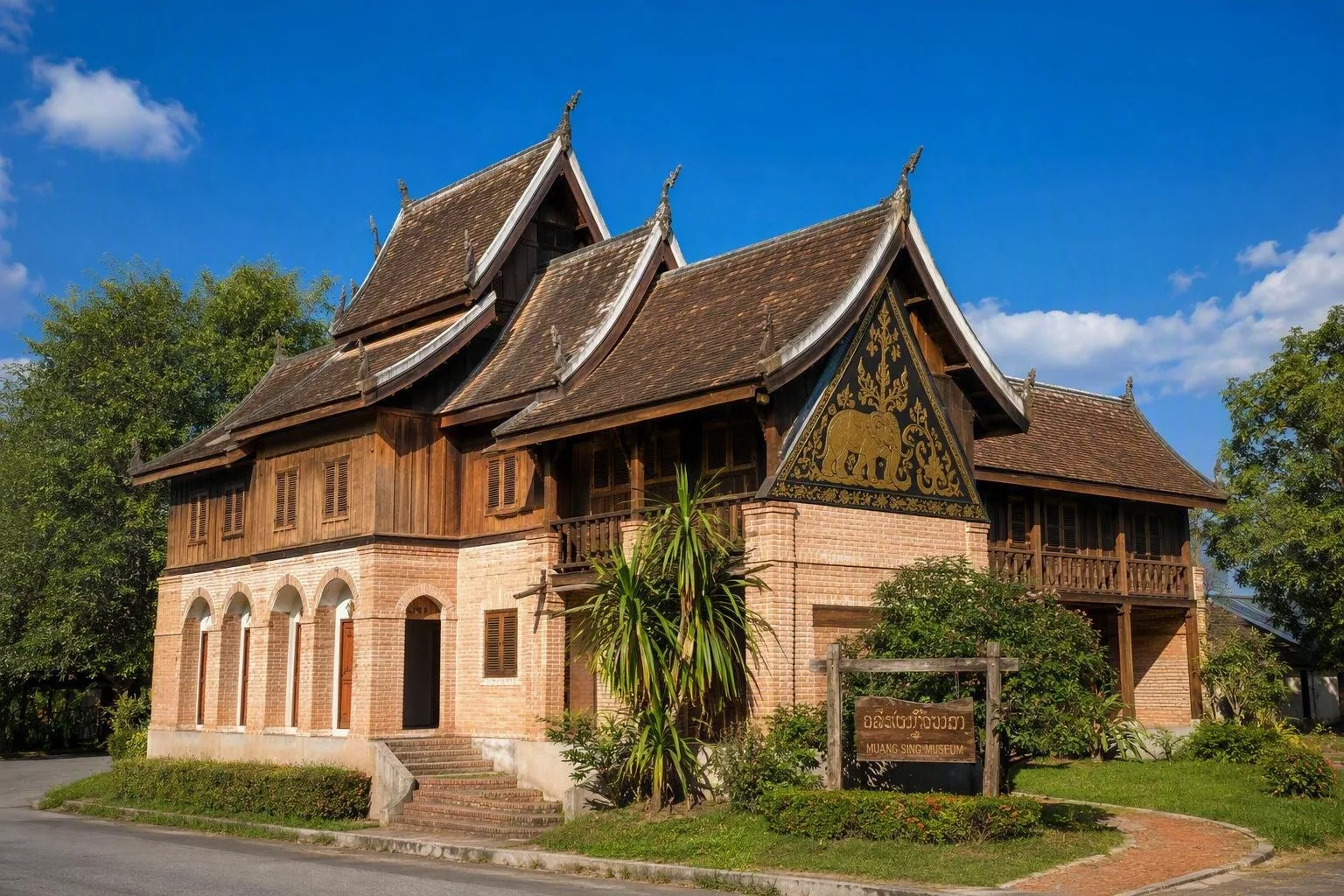
Muang Sing Museum is the best first stop. The former residence of Phanya Sekong is a wood-and-brick building in a Tai Lue style, with displays of local tools, cultural objects and historic religious pieces. It opens Monday to Friday, 9:00–11:30 and 13:30–15:30; admission is charged.
Nearby, Wat Luang is the principal temple in town. Wat Namkeo Luang, on the Xiengkok road, has a substantial monk residence; Wat Xieng In and Wat Xieng Lae are within walking distance. Dress modestly in temple grounds and remove shoes before entering buildings where required.
The old French fort is still occupied by the Lao Army, so view it only from public areas. Parts of the former town wall and moat survive, but they are fragmentary.
Market and local food
Go to Muang Sing Market early, ideally around 07:00–08:00. Sellers arrive from the surrounding villages with vegetables, fruit, meat, foraged goods and handicrafts. This is the practical place to see the district’s food economy in action, not a night-market attraction.
Look for:
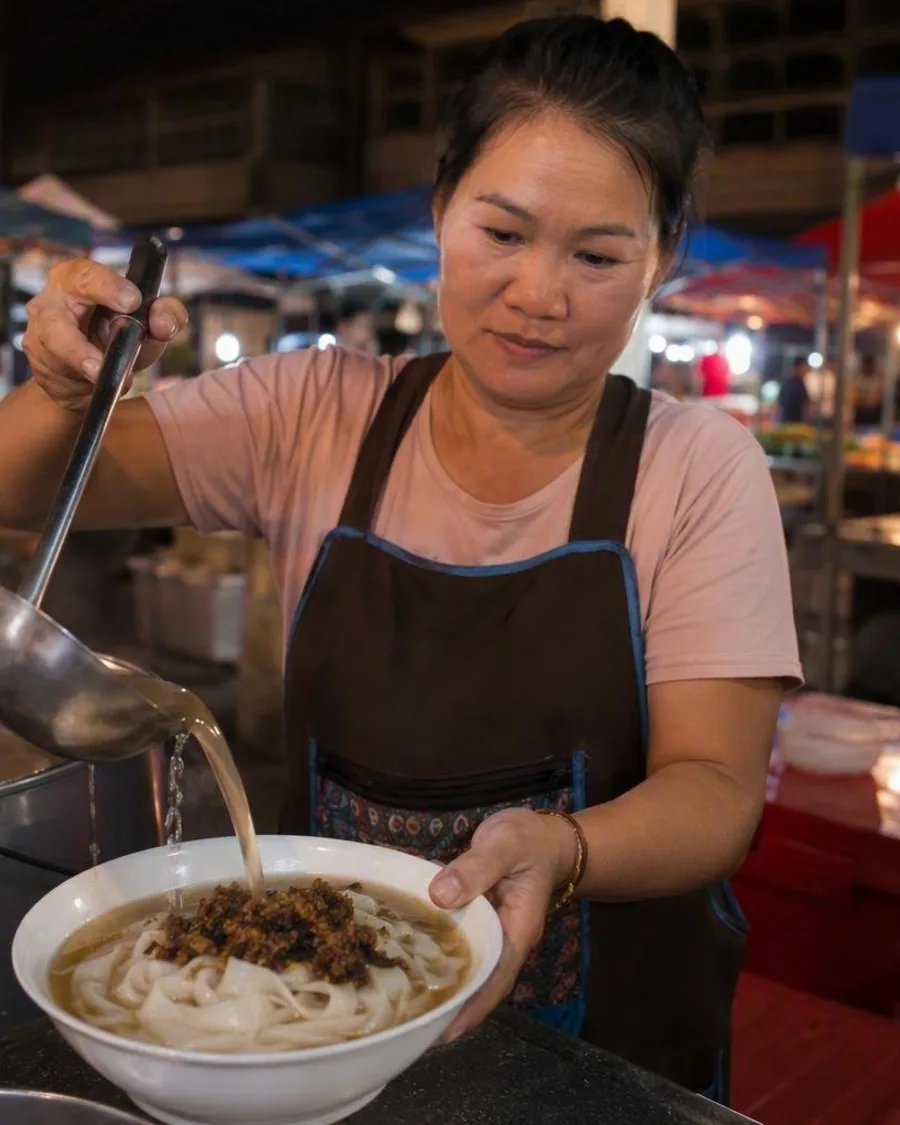
- Khao soi: soft rice noodles in broth with a savoury pork and fermented-soybean topping. This is the Lao version, not the coconut curry noodle dish associated with northern Thailand.
- Fermented soybean paste, local sweets and sticky-rice-and-coconut snacks.
- Tai Dam and Tai Lue textiles, sold alongside everyday goods.
Villages, crafts and respectful visits
The roads around town reach several villages, but a guide adds context and helps ensure that visits benefit hosts. Ban Siliheung is known for khao soi rice noodles; Ban Nongbuea and Ban Xieng Yun for Tai Dam weaving; Ban Nammai and Ban Phoudontan for Yao handicrafts; and Ban Koum for lao lao rice-spirit distilling.
Ask before photographing people, houses, looms or religious objects. Remove shoes when invited inside a home. Do not enter a village path marked off for a ceremony.
Timing
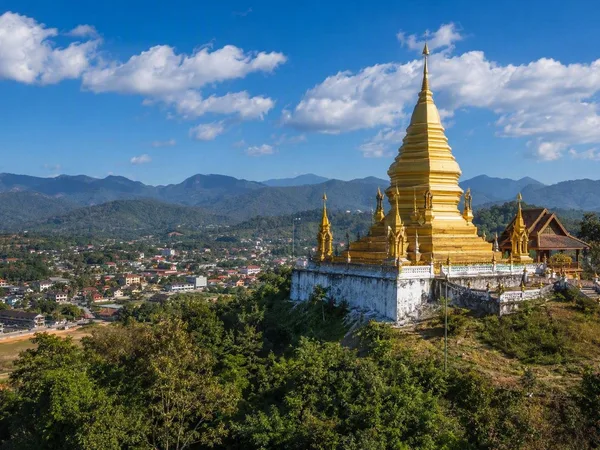
November to February is cool and dry, with notably cold mornings and evenings. March and April are the hottest months. Rain falls mainly from May to September, when rural roads and walking conditions can be less reliable. The annual Boun That Xieng Tung festival takes place at the full moon of the 12th lunar month, generally in late October or early November, at the stupa 5.5 km outside town.
From the magazine
Stories about Muang Sing
Editorial stories linked directly to Muang Sing.
Routes from our editors
Travel through Muang Sing
Editorial routes connecting Muang Sing with other countries, cities and hotspots.
No routes through Muang Sing have been published yet.
More in Laos
Related hotspots
Other cities, nature areas and places within Laos.
Luang Namtha
1 linked stories and routes
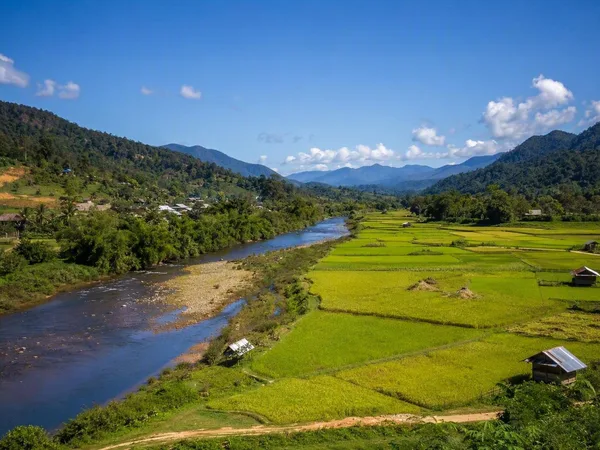
Nam Tha Valley
1 linked stories and routes
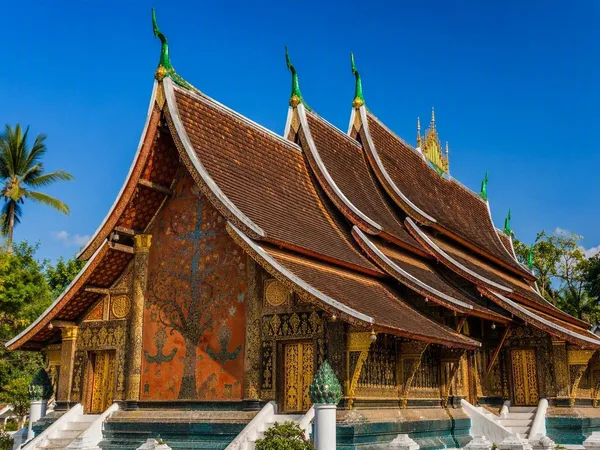
Luang Prabang
1 linked stories and routes
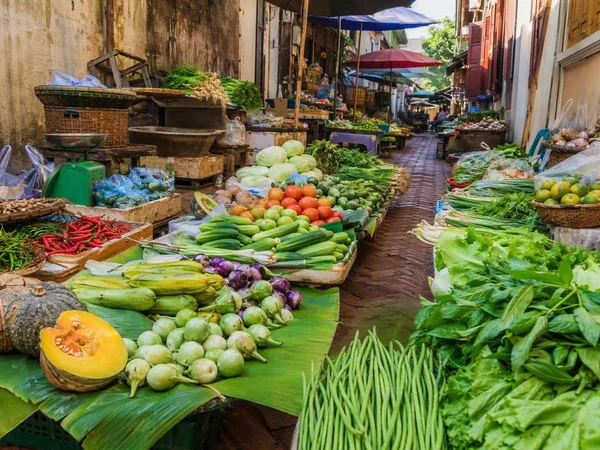
Talad Sao Morning Market
1 linked stories and routes
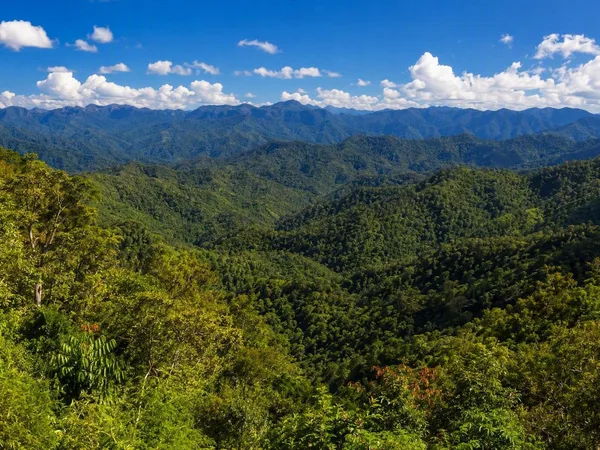
Luang Namtha province
1 linked stories and routes
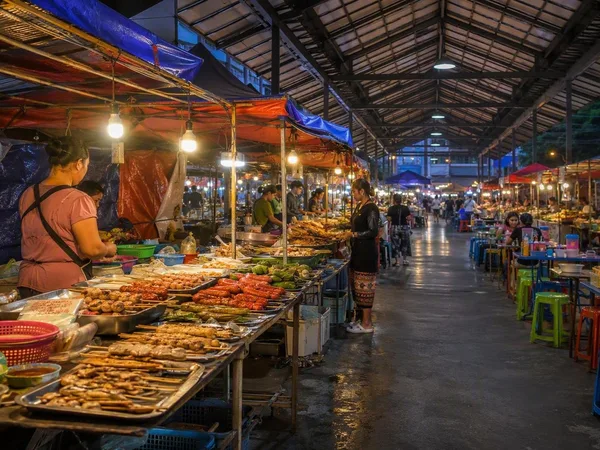
Luang Namtha Night Market
1 linked stories and routes
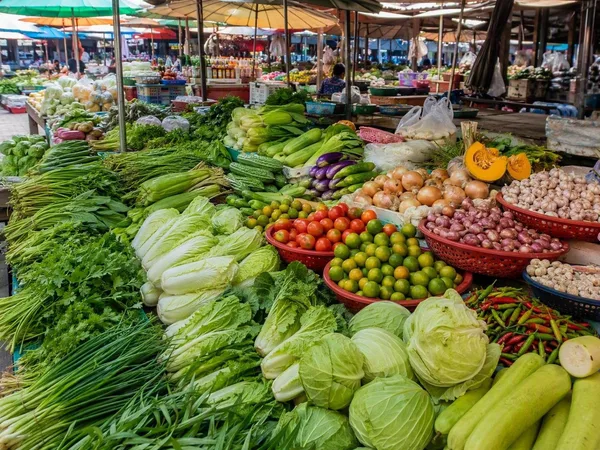
Luang Namtha Market
0 linked stories and routes