
City · Laos
Luang Prabang
Luang Prabang is a historic city in northern Laos, set on the peninsula where the Mekong and Nam Khan rivers meet. Its World Heritage townscape combines Buddhist monasteries, Lao wooden houses and colonial-era streets.
Get your bearings
The historic core occupies a narrow peninsula between the Mekong and the Nam Khan. This is the city’s working map: the rivers frame it, Mount Phousi rises near its centre, and temples, former royal buildings and old residential lanes fill the ground between.
Luang Prabang was the royal and religious centre of Laos for centuries. Its protected townscape is valued for the close fit of traditional Lao urban fabric with 19th- and 20th-century colonial buildings—not for isolated monuments. Walk it slowly rather than treating the old town as a checklist.
Read the townscape
Look for the contrast in materials and scale. Traditional houses are largely wooden; colonial-era buildings are typically one or two storeys in brick, often with balconies and timber detail. Temples anchor older village areas, while the main streets and riverside carry the colonial layer.
Start with these landmarks:
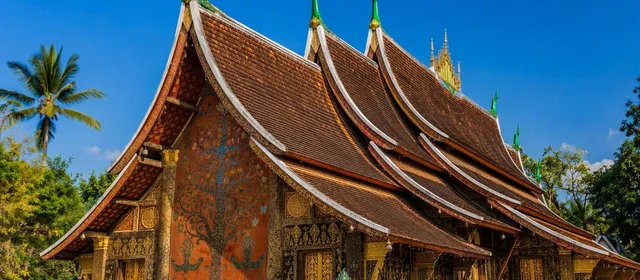
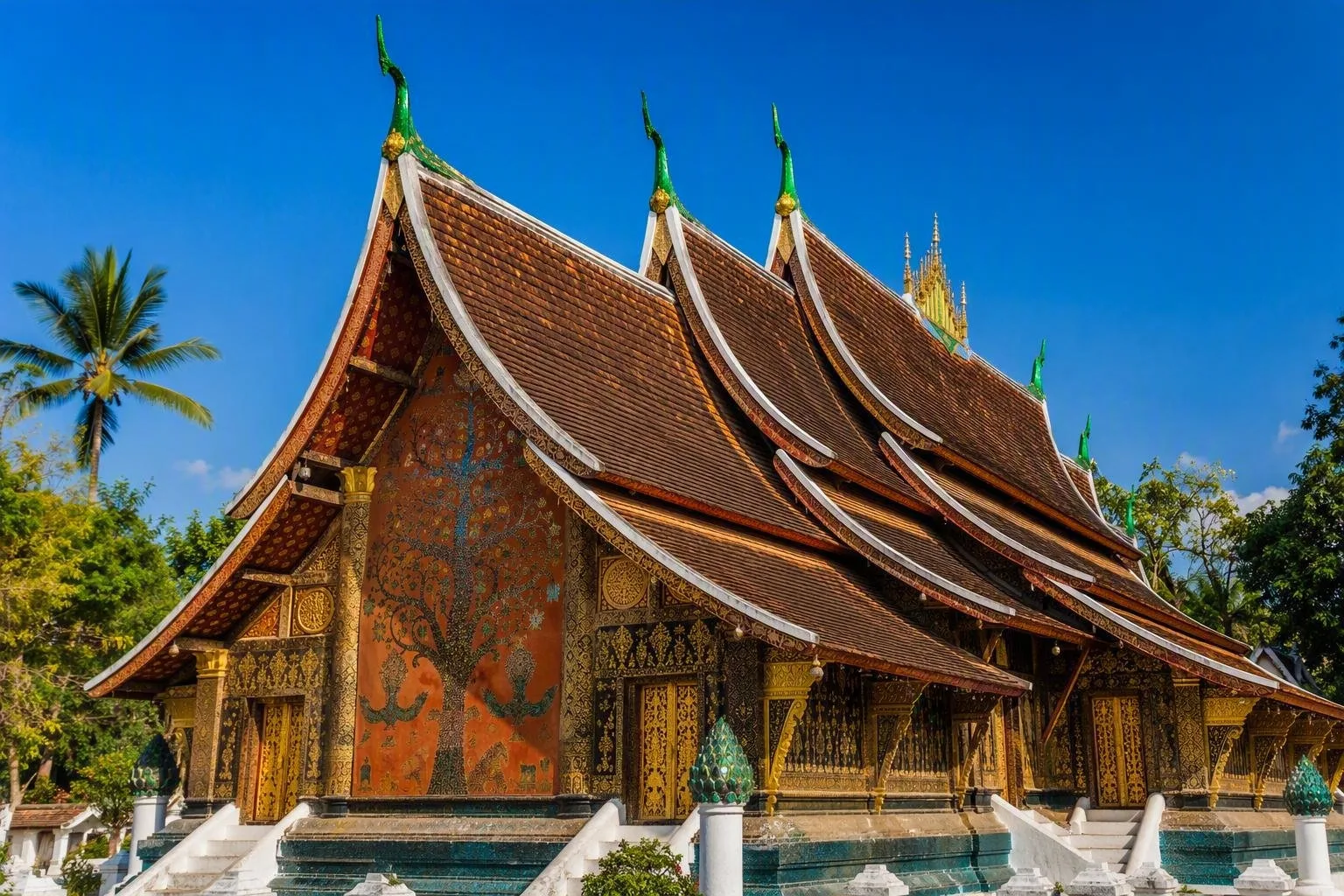
- Wat Xieng Thong: at the northern end of the peninsula, a 16th-century temple complex with a sweeping, low roof and rich decoration.
- Mount Phousi: the central hill and the clearest place to understand the peninsula and its two rivers.
- Royal Palace area: a useful point for the former royal centre and the transition between the old town’s principal streets.
Temples and morning alms
Luang Prabang’s monasteries are active religious places. Dress conservatively when entering temple grounds, remove shoes where required, and keep voices low.
The monks’ morning alms round is a religious practice, not a performance. Watch without blocking the route or pressing close for photographs. If you make an offering, follow local guidance and do not improvise the ritual.
Eat the local version
Order khao soi for a distinctly Lao bowl, not the coconut curry associated with northern Thailand. Luang Prabang’s version uses soft rice noodles and a clear broth, finished with a savoury minced-pork, tomato and fermented-soybean mixture. It is usually a morning or early-lunch dish; noodle stalls may finish before midday.
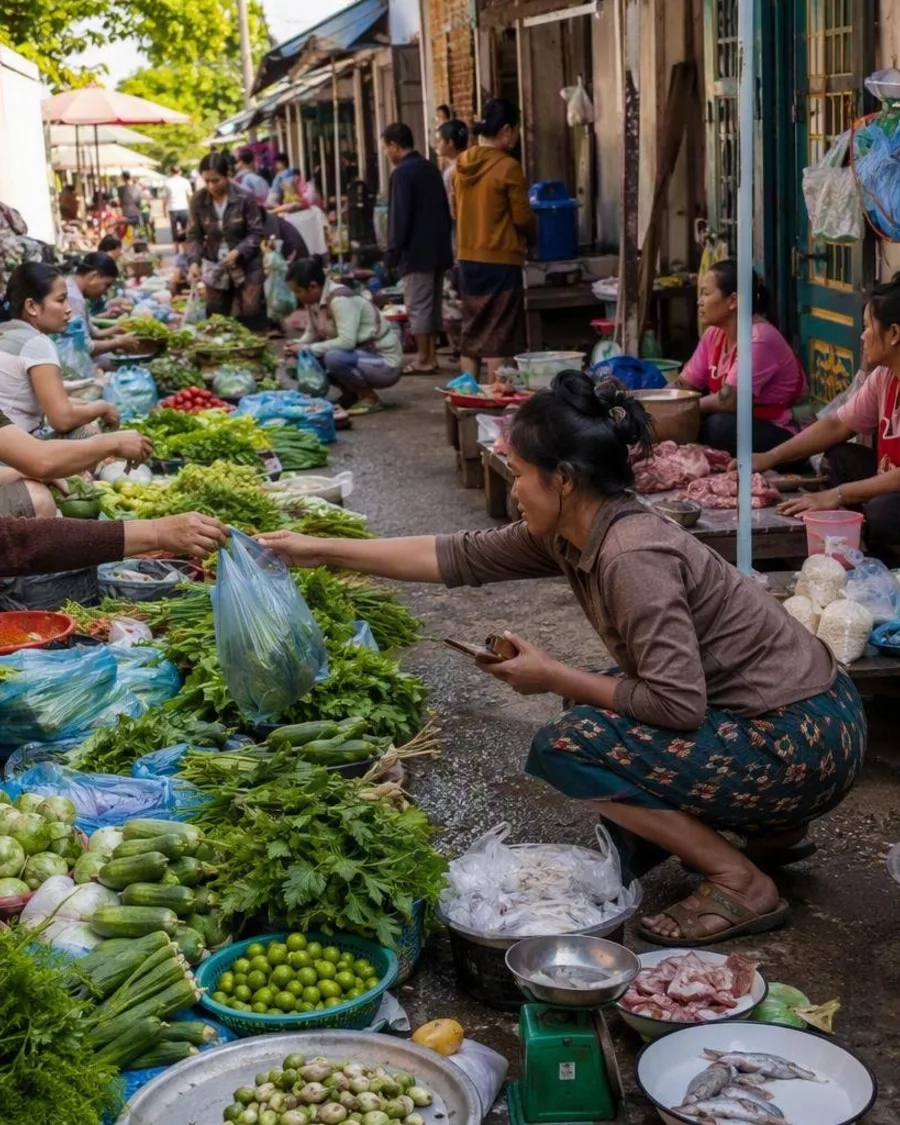
Also look for or lam, the local herb stew, and crisp kaipen, Mekong riverweed commonly served with jeow bong chilli paste. Morning markets show the ingredients behind the city’s cooking; evening food stalls are better for grilled items and snacks.
Moving through the city
The old-town peninsula is compact and best covered on foot. Use a bicycle or tuk-tuk for sites beyond the core and for the climb or heat around Mount Phousi. Luang Prabang International Airport serves the city, while the railway station and long-distance road links sit outside the historic centre.
Allow time to walk the riverbanks as well as the main streets. The setting—the two rivers, wetland pockets and surrounding hills—is part of the protected city, not merely its backdrop.
From the magazine
Stories about Luang Prabang
Editorial stories linked directly to Luang Prabang.
Routes from our editors
Travel through Luang Prabang
Editorial routes connecting Luang Prabang with other countries, cities and hotspots.
No routes through Luang Prabang have been published yet.
More in Laos
Related hotspots
Other cities, nature areas and places within Laos.
Luang Namtha
1 linked stories and routes
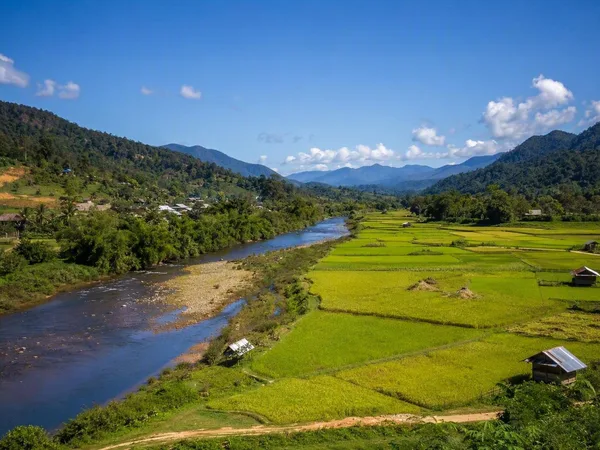
Nam Tha Valley
1 linked stories and routes
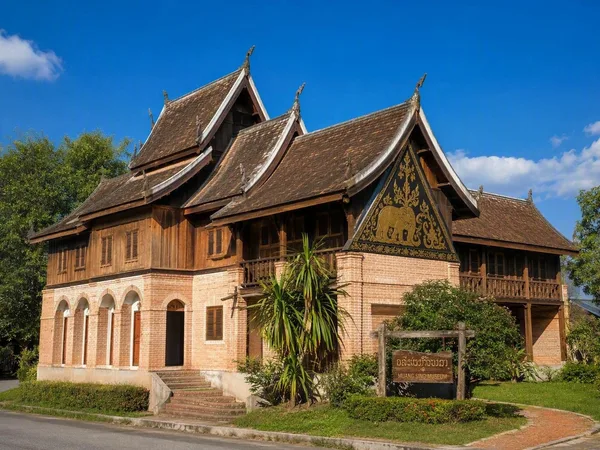
Muang Sing
1 linked stories and routes
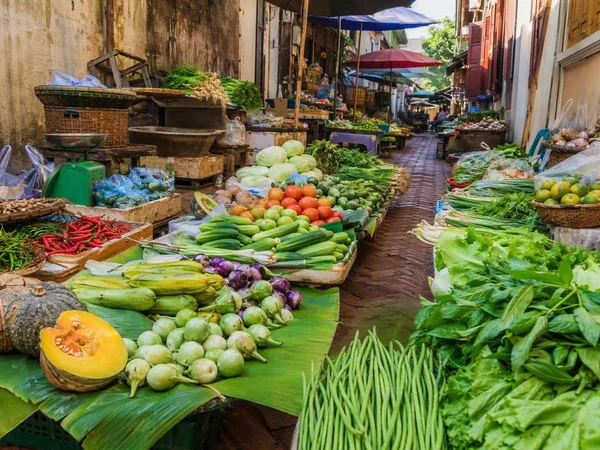
Talad Sao Morning Market
1 linked stories and routes
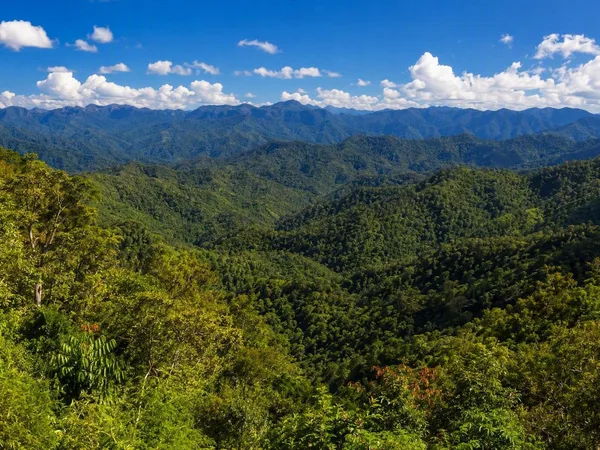
Luang Namtha province
1 linked stories and routes
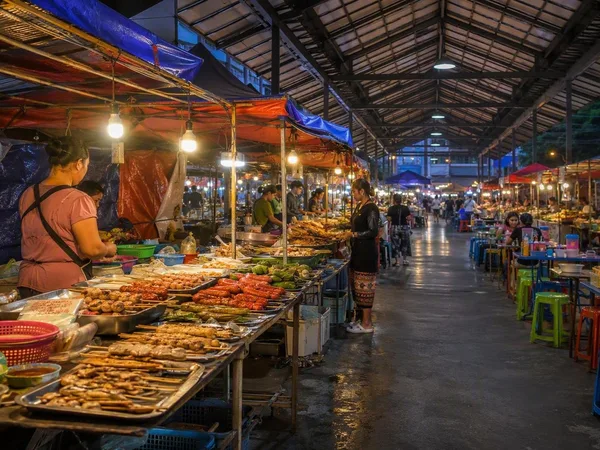
Luang Namtha Night Market
1 linked stories and routes
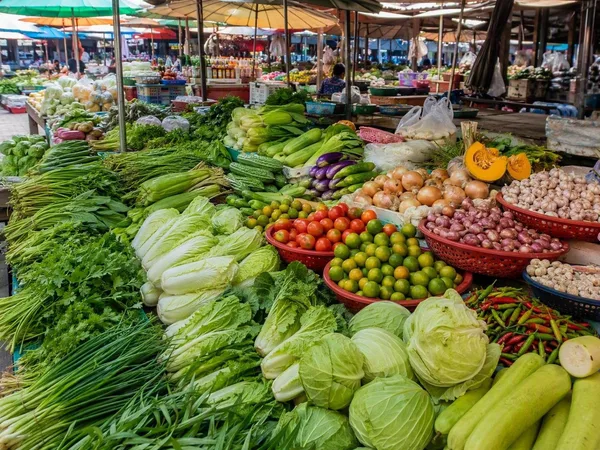
Luang Namtha Market
0 linked stories and routes