
Neighbourhood · Georgia
Abanotubani, Tbilisi
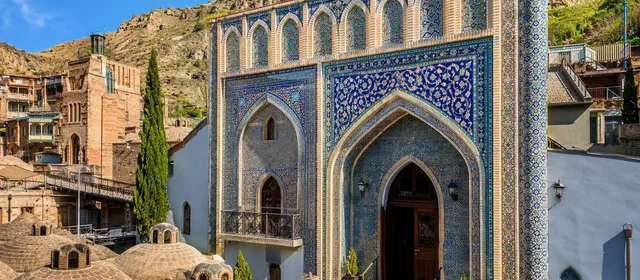
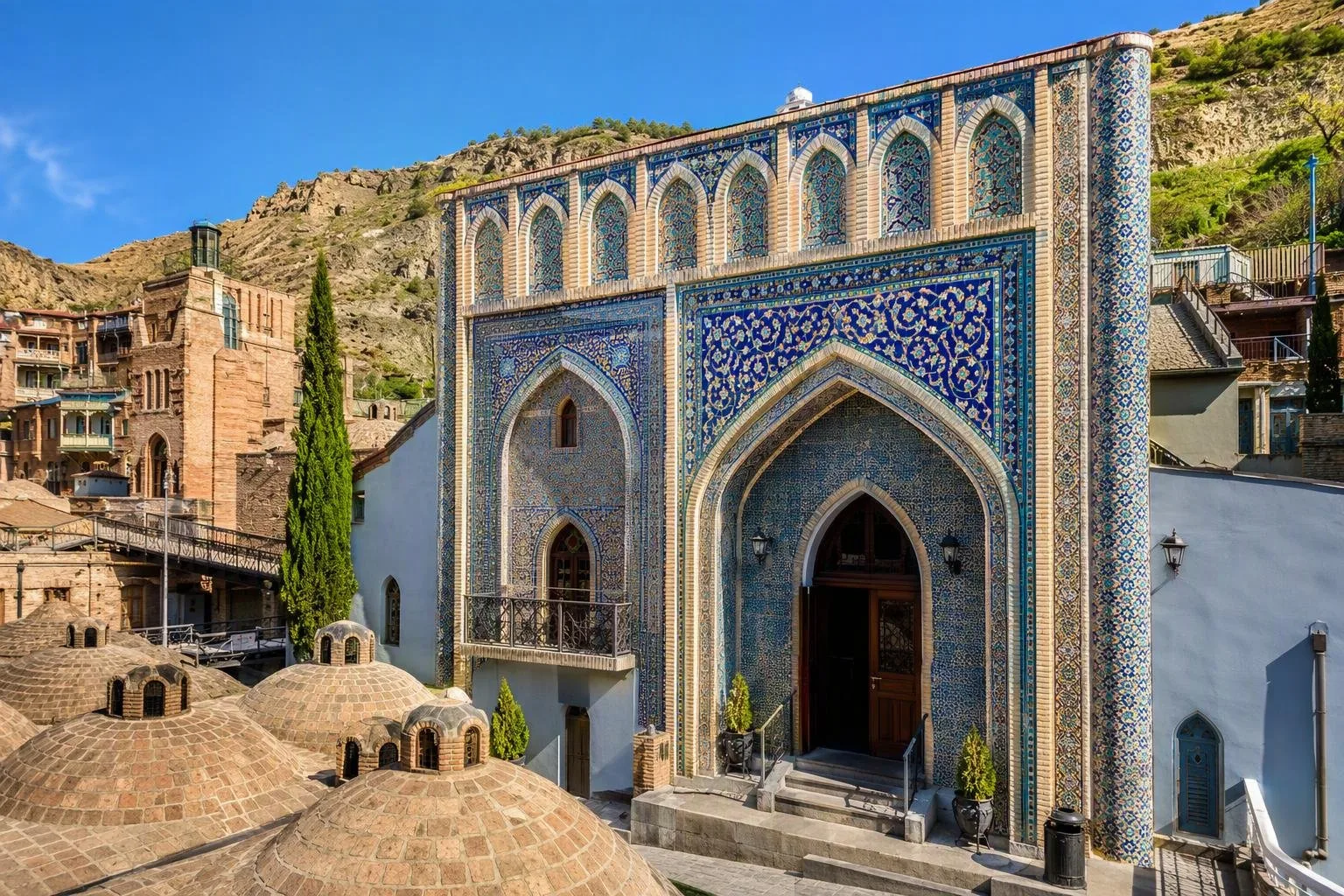
Abanotubani is Tbilisi’s historic sulphur-bath quarter, below Narikala Fortress in the Old Town. Its low brick domes cover working bathhouses supplied by natural hot springs.
Orientation
Abanotubani—literally the “bath district”—occupies the southeastern edge of Tbilisi’s Old Town, at the foot of Narikala Fortress. The quarter is compact: Abano Street, the bath domes and the entrance to the Leghvtakhevi gorge are all within an easy walk.
This is the place tied to Tbilisi’s foundation legend: King Vakhtang Gorgasali is said to have discovered the hot springs here while hunting. The city name derives from tbili, Georgian for “warm.” Whatever the legend’s details, the springs and bath culture remain central to the district.
Read the streetscape
Look down rather than up. The low, rounded brick domes are roofs over semi-underground bathing halls, with small openings that admit light and release steam. They are the defining image of Abanotubani.
The standout building is Chreli Abano, also called the Orbeliani Baths or Colourful Bath. Its blue Persian-style tile façade, pointed arches and ornamental detailing sharply contrast with the plain brick bathhouses around it. It is a landmark worth seeing even if you do not bathe.
From the baths, continue into Leghvtakhevi Gorge for the short walk towards the waterfall, or take the uphill route towards Narikala.
Using the sulphur baths
The water is naturally warm and sulphurous; the characteristic mineral smell is part of the experience. Bathhouses generally offer two formats:
- Communal halls: shared and normally gender-separated; the most direct, low-cost option.
- Private rooms: hired by the hour for your group, usually with a pool, changing space and shower. Facilities and prices vary widely.
A kisi is the traditional firm exfoliating scrub performed by an attendant with a coarse mitt. It is an extra service, not a gentle spa treatment. State your preference clearly if you want lighter pressure.
Do not treat the bath as a medical service. Soak in short spells, cool down between them and drink water. Leave the pool if you feel dizzy or unwell.
Practical approach
The district itself is free to explore. From central Old Town, walk via Meidan Square; from Avlabari Metro, cross the river and walk downhill. A taxi is more practical than driving: streets are narrow and parking is limited.
For a bath visit, bring flip-flops, water, a towel or confirm rental, and swimwear if you prefer it. Rules on swimwear and nudity differ between communal and private facilities, so ask at reception. Do not photograph other bathers.
Private rooms at the best-known bathhouses fill first on weekend evenings. A weekday morning is the straightforward choice for a quieter session and better light on the domes.
From the magazine
Stories about Abanotubani, Tbilisi
Editorial stories linked directly to Abanotubani, Tbilisi.
No stories about Abanotubani, Tbilisi have been published yet.
Routes from our editors
Travel through Abanotubani, Tbilisi
Editorial routes connecting Abanotubani, Tbilisi with other countries, cities and hotspots.
No routes through Abanotubani, Tbilisi have been published yet.
More in Georgia
Related hotspots
Other cities, nature areas and places within Georgia.
Tbilisi
5 linked stories and routes
Chughureti, Tbilisi
2 linked stories and routes
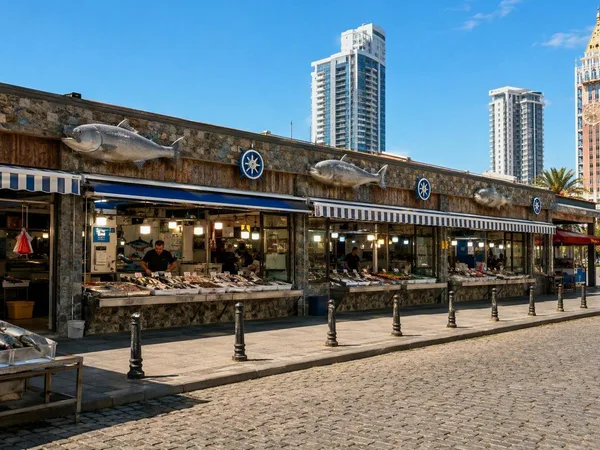
Batumi
1 linked stories and routes
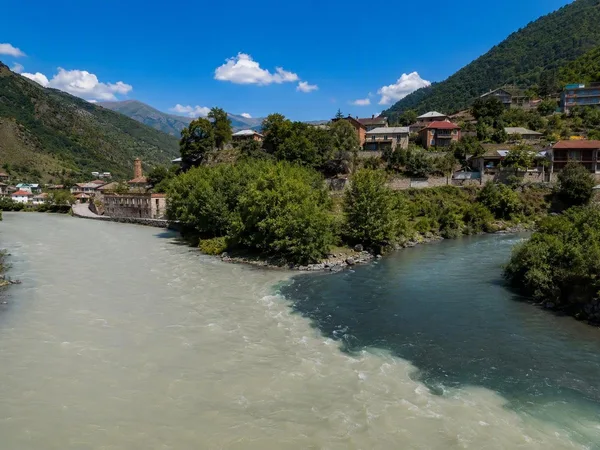
Mtiuleti
1 linked stories and routes
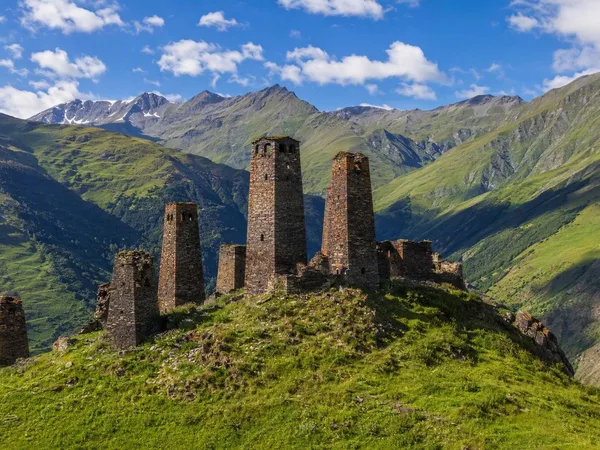
Tusheti
1 linked stories and routes
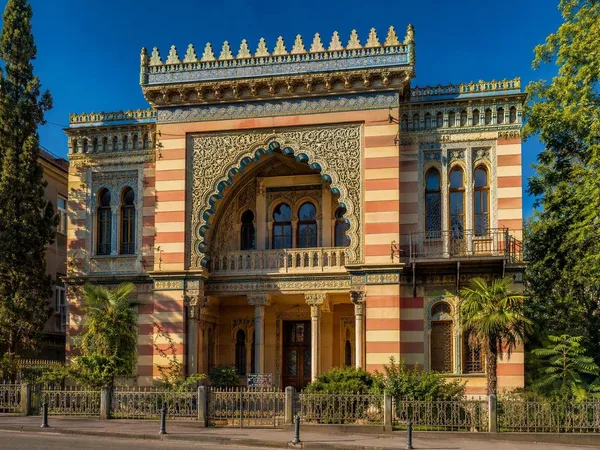
Sololaki, Tbilisi
1 linked stories and routes
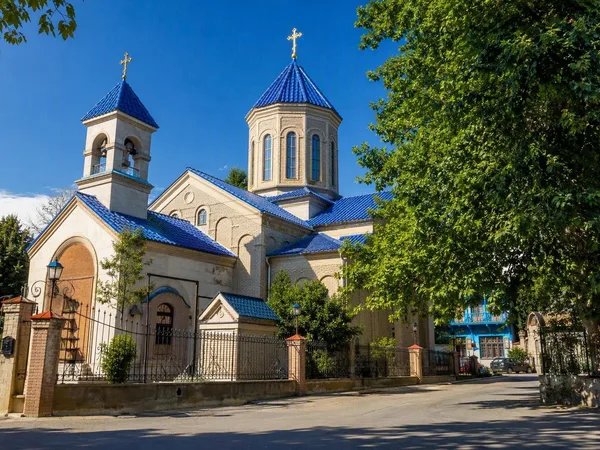
Vera, Tbilisi
1 linked stories and routes
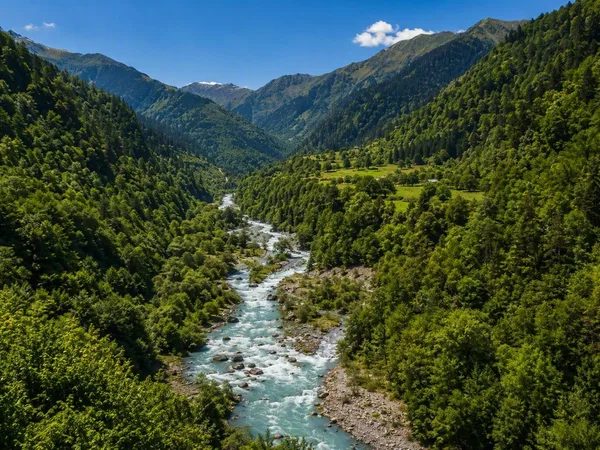
Pshavi
1 linked stories and routes
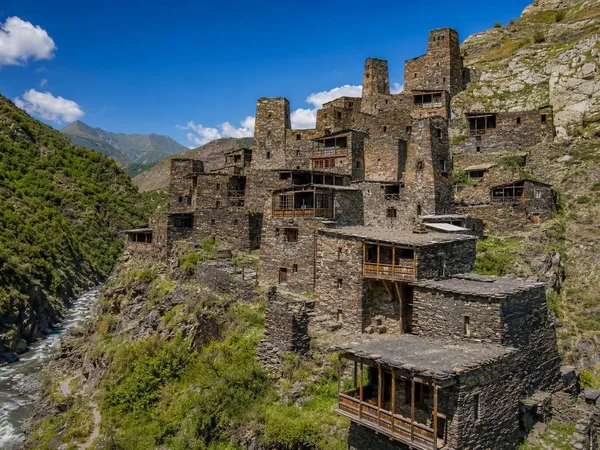
Khevsureti
1 linked stories and routes
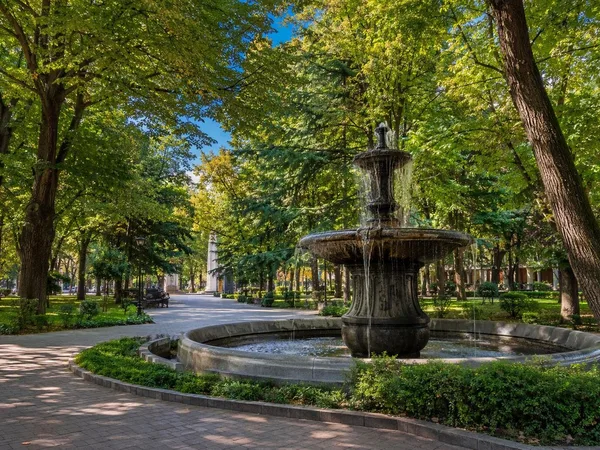
9 April Park
1 linked stories and routes
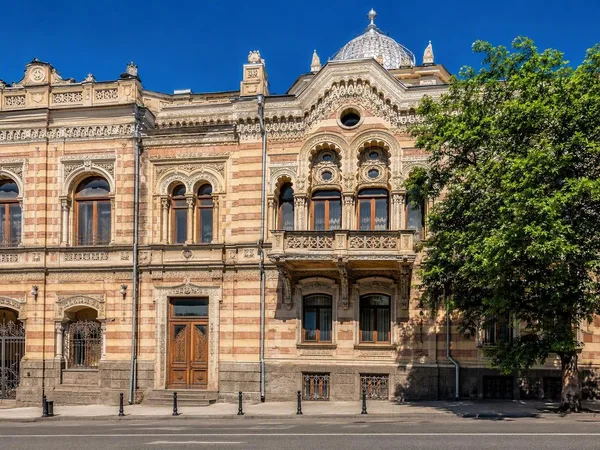
Orbeliantubani
1 linked stories and routes
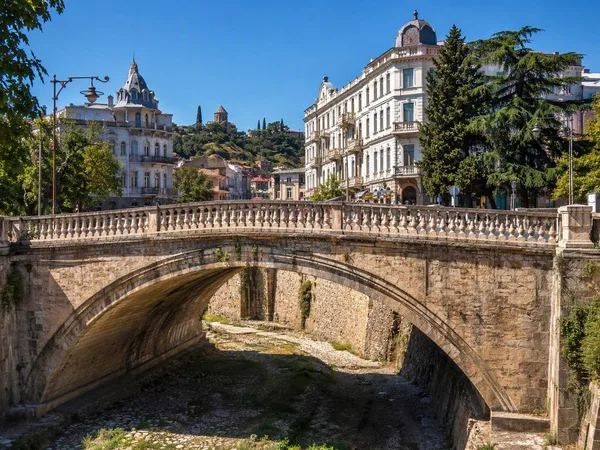
Dry Bridge
1 linked stories and routes
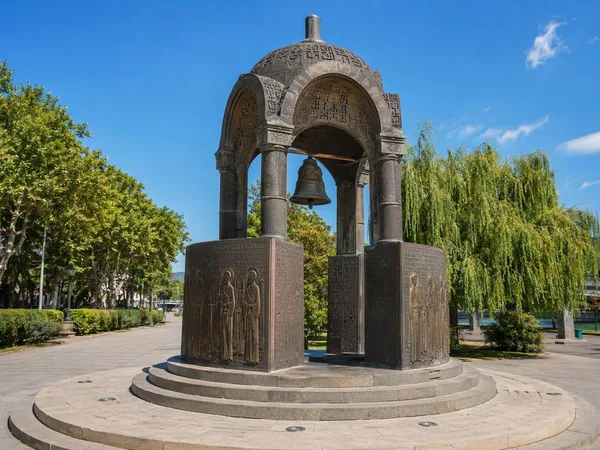
Dedaena Park
1 linked stories and routes