
Sight · Georgia
Dry Bridge
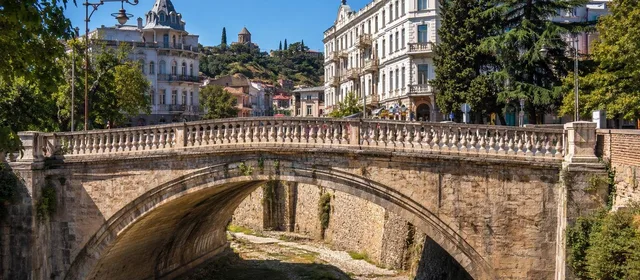
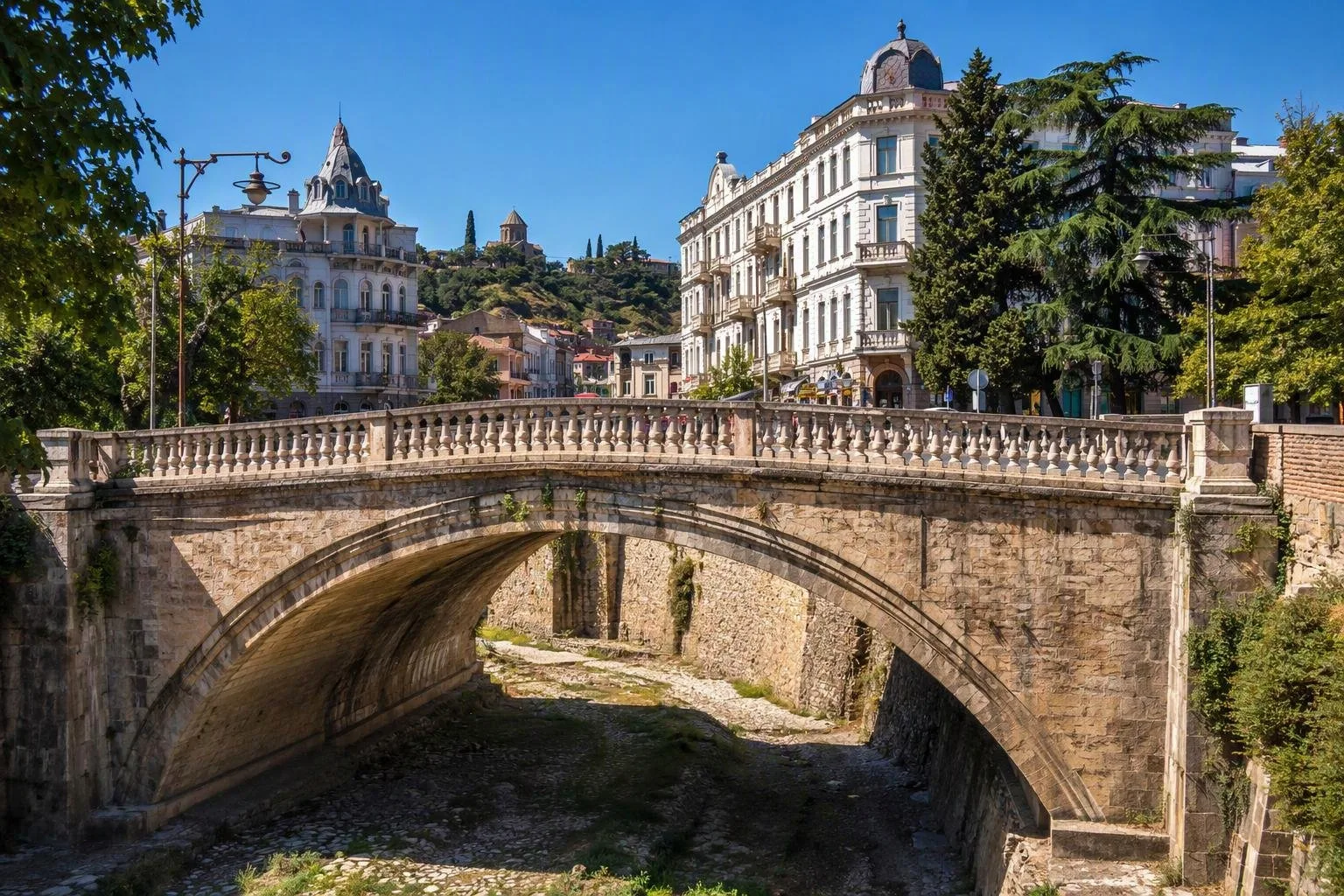
Dry Bridge, or Mshrali Khidi, is an 1851 bridge in central Tbilisi and the setting for the city’s best-known open-air flea market. It stands beside the Mtkvari in the historic Orbeliantubani district, a short walk from Freedom Square.
What it is
Dry Bridge is a nineteenth-century stone bridge whose name is literal: no water runs beneath it. Giovanni Scudieri designed the bridge in 1851 to link an island in the Mtkvari with the river’s right bank. In 1933, river works consolidated the Mtkvari into one channel and replaced the former channel beneath the bridge with a road. The Georgian name, Mshrali Khidi, means “Dry Bridge.”
Today, the bridge and nearby paths form the setting for Tbilisi’s principal flea market. The historic structure is worth noticing, but the market is the reason most visitors come.
The market layout
There is no formal row of permanent stalls. Sellers use folding tables, blankets, racks and the pavement around the bridge and adjoining parkland. Displays change daily, so treat it as a browse rather than a targeted shopping stop.
Common finds include:
- Soviet medals, pins, posters and household objects
- Vintage cameras, watches, records, books and coins
- Porcelain, cutlery, jewellery, rugs and small antiques
- Paintings and handmade work by Georgian artists and makers
The mix is uneven by nature. A genuine period object can sit beside a modern reproduction or a newly made souvenir.
How to browse well
Walk the full length before buying. Comparable badges, cameras and ceramics often appear at several tables, while paintings are usually sold directly by their makers. Examine condition closely: operate a camera shutter, inspect metal marks and ask whether an item is old, repaired or reproduced.
Prices are negotiated individually. Start by asking the price, make a measured counteroffer and keep the exchange courteous. Cash in Georgian lari is the practical payment method; small notes make a purchase easier. Serious buyers of older icons, manuscripts, rare coins or other potentially significant cultural objects should establish export requirements before committing.
Timing and access
The market is outdoors and free to enter. Vendors generally gather daily from about 11:00 to 18:00, but attendance is informal and rain can reduce the market sharply. Saturday and Sunday mornings bring the broadest selection; weekdays are quieter and thinner.
From Freedom Square, walk north through Orbeliantubani and Atoneli Street toward the river; allow roughly 10–15 minutes. The site is on mostly level central-city streets, but the market surface can be uneven and busy. Keep bags close in the densest weekend crowds.
Nearby context
Dry Bridge sits at the river end of Orbeliantubani, between 9 April Garden and Dedaena Park. The former Grand and London hotel buildings on Atoneli Street frame the bridge’s historic setting. Pair the market with these streets and parks rather than treating it as an isolated shopping stop.
From the magazine
Stories about Dry Bridge
Editorial stories linked directly to Dry Bridge.
No stories about Dry Bridge have been published yet.
Routes from our editors
Travel through Dry Bridge
Editorial routes connecting Dry Bridge with other countries, cities and hotspots.
No routes through Dry Bridge have been published yet.
More in Georgia
Related hotspots
Other cities, nature areas and places within Georgia.
Tbilisi
5 linked stories and routes
Chughureti, Tbilisi
2 linked stories and routes
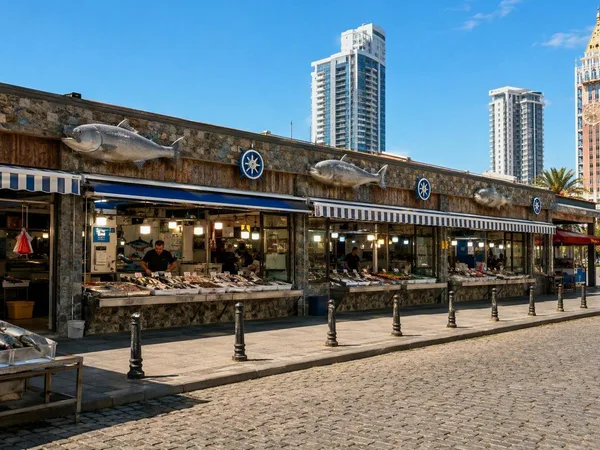
Batumi
1 linked stories and routes
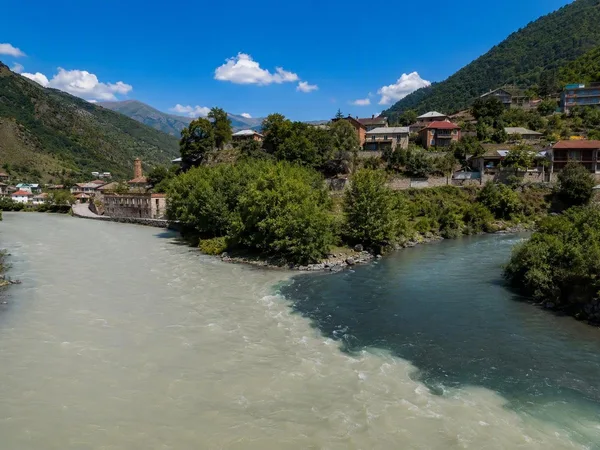
Mtiuleti
1 linked stories and routes
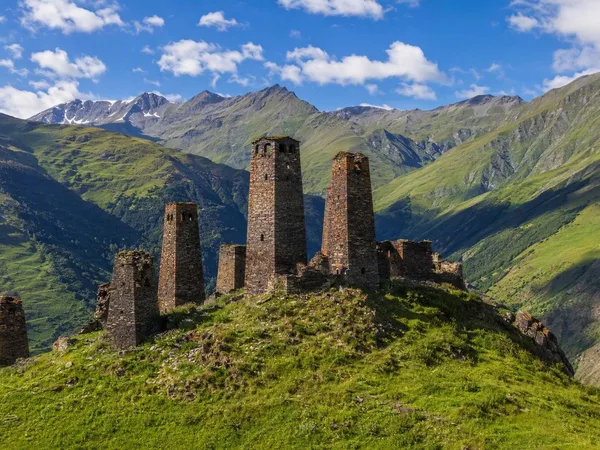
Tusheti
1 linked stories and routes
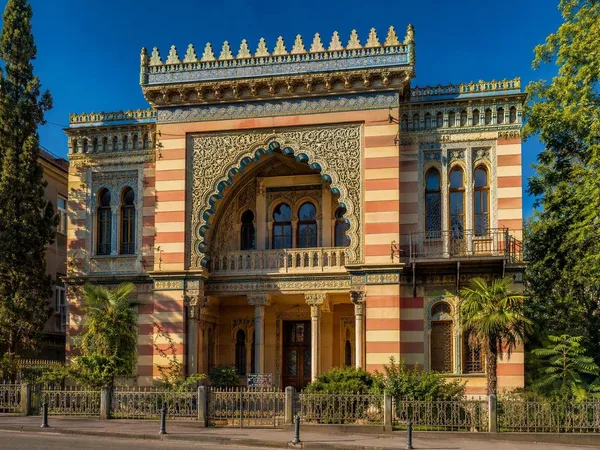
Sololaki, Tbilisi
1 linked stories and routes
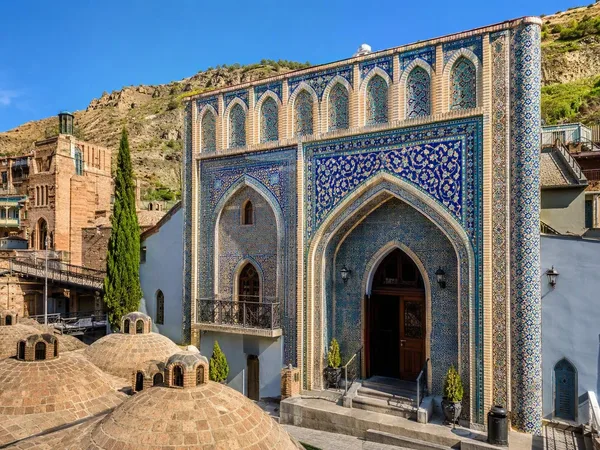
Abanotubani, Tbilisi
1 linked stories and routes
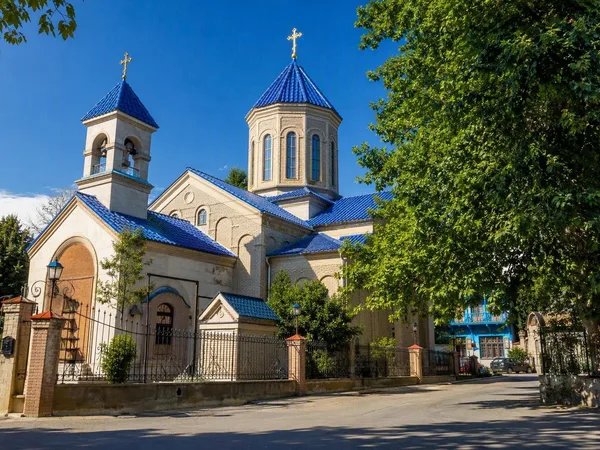
Vera, Tbilisi
1 linked stories and routes
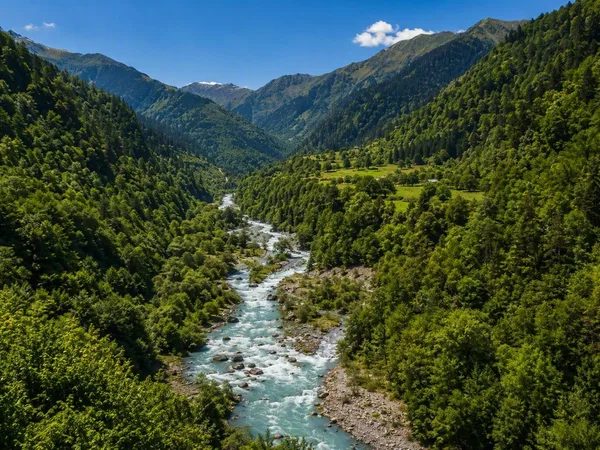
Pshavi
1 linked stories and routes
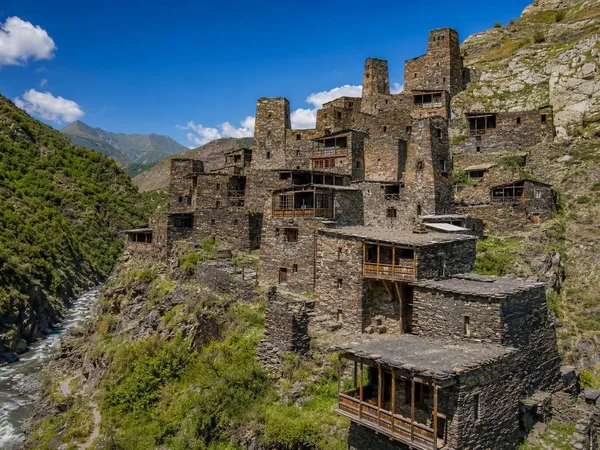
Khevsureti
1 linked stories and routes
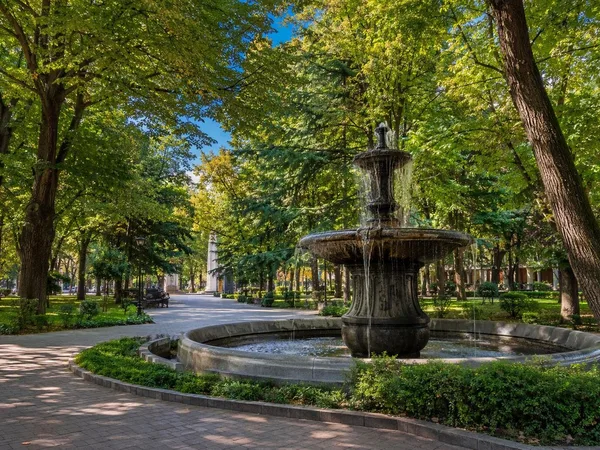
9 April Park
1 linked stories and routes
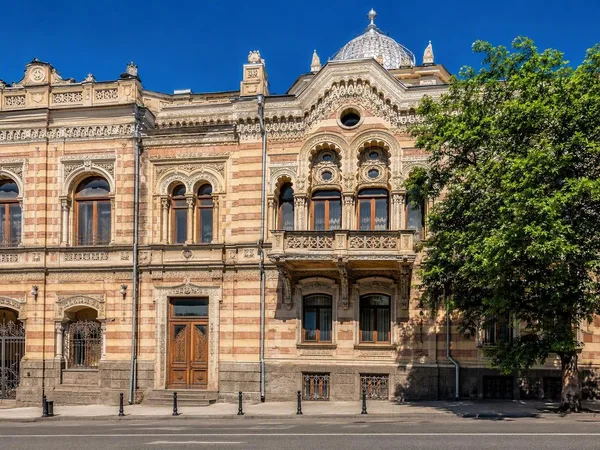
Orbeliantubani
1 linked stories and routes
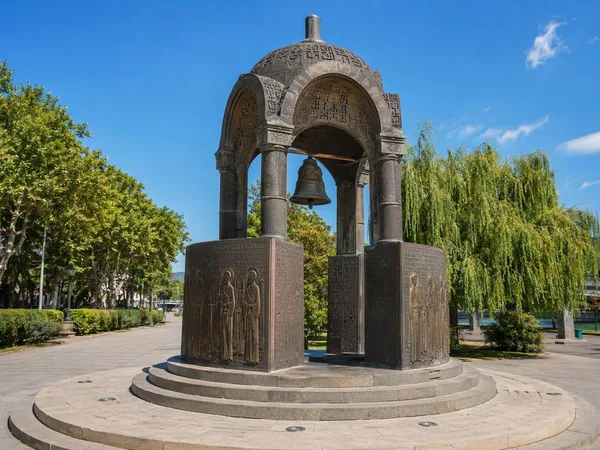
Dedaena Park
1 linked stories and routes