
Neighbourhood · Georgia
Orbeliantubani
Orbeliantubani is a historic central Tbilisi neighbourhood between 9 April and Giorgi Leonidze Gardens and the Mtkvari River. Named for the Orbeliani family in 1751, it combines aristocratic traces, 19th-century streetscape and market-era civic spaces.
Orientation
Orbeliantubani occupies the compact stretch from Atoneli Street down towards Mtkvari Street, between the 9 April and Giorgi Leonidze Gardens and the river. It is a neighbourhood rather than a single monument: use its streets and surviving buildings to read a layered piece of central Tbilisi.
King Teimuraz II granted these royal estates to commander Revaz Orbeliani in 1751. The district subsequently took the family name. The palace and church that once defined the estate are gone, but the name, street pattern and fragments of its boundary remain.
Walk the historic spine
Start around the gardens and work along Atoneli Street towards the river. This puts the principal architectural stops in a logical order.
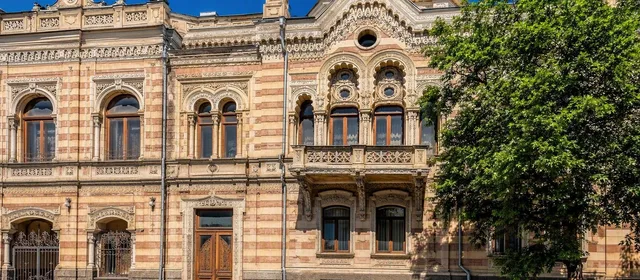
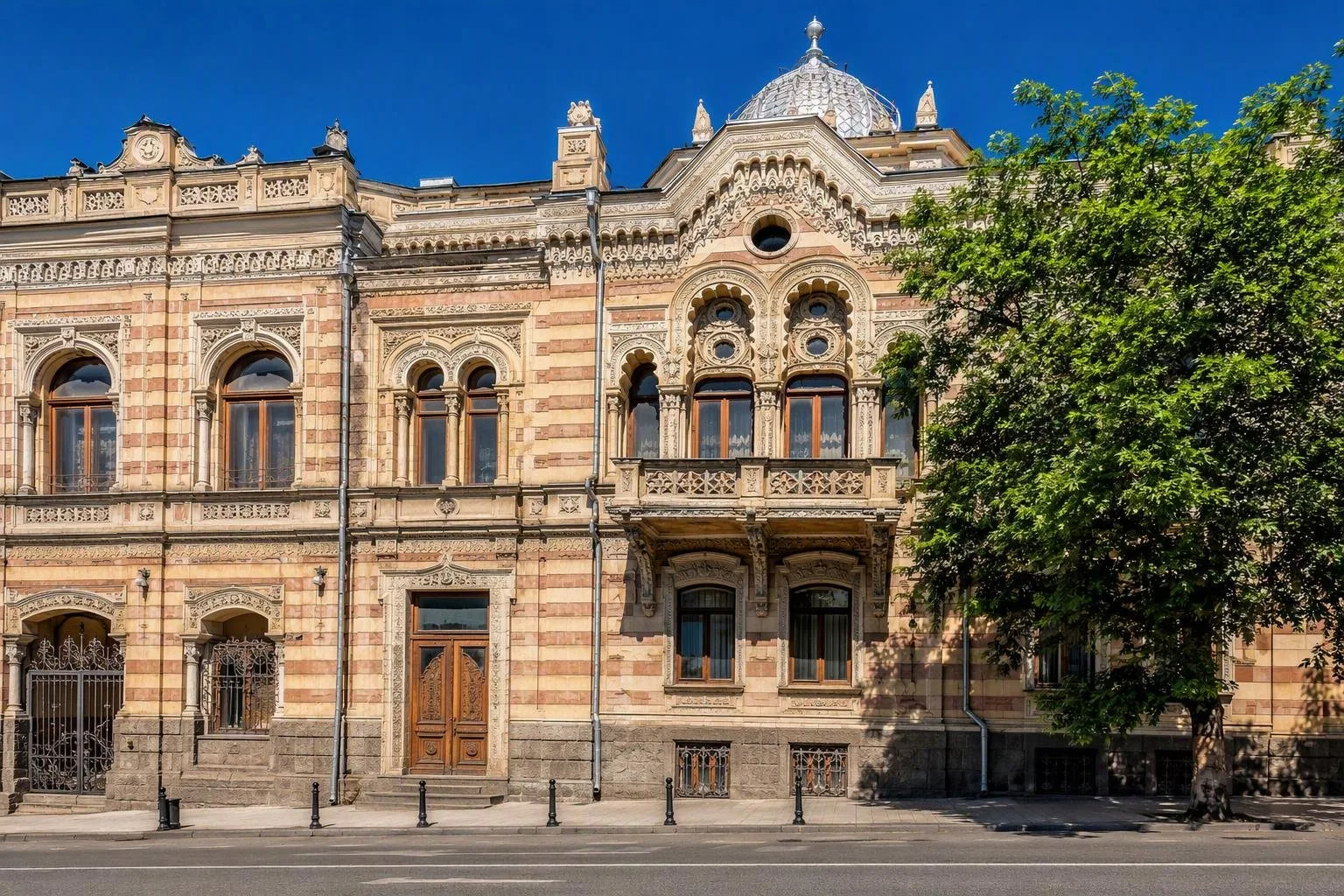
- Orbeliani Palace, Atoneli 25: the former family palace is an eclectic late-19th-century building set back from the street. It has housed the presidential administration since 2018; treat it primarily as an exterior stop unless public access is being offered.
- Atoneli 23: a former merchant property built in 1898, with a restored painted entrance hall and staircase.
- Atoneli 27: a three-storey modern-style former residence, now a school, noted for its metal interior staircase.
- Grand and London: the former Grand Hotel at No. 29 and Hotel de Londres at No. 31 preserve the street's late-19th-century hotel history. Both are residential buildings, so admire them from outside and respect residents.
River edge and Dry Bridge
Continue to Mtkvari Street for the sole surviving tower from the former Orbeliani enclosure, at No. 3. It is a small but useful marker of the district's earlier scale.
Nearby Dry Bridge is properly called Mshrali Khidi, or “Dry Bridge”. It was built in 1851 to connect the right bank to an island in the Mtkvari. When river engineering and a road replaced the channel beneath it in 1933, the bridge acquired its current name. The bridge is the natural river-end point for a walk through Orbeliantubani.
Squares, gardens and everyday use
At the district's western side, 9 April Garden records a more recent national history: it was named in 1991 for those killed during the 1989 independence demonstration. Its lower section is Giorgi Leonidze Garden.
Orbeliani Square sits close by, bounded by Atoneli, Tabukashvili, Vekua and Purtseladze streets. A produce market operated here in the 19th century; today the restored square has a garden, fountain, flower stalls, shops and cafés. It is a practical pause, not a substitute for the district walk.
Practical approach
Allow 45–90 minutes on foot, longer if you stop at the square or Dry Bridge. Pavements, crossings and the riverfront road can interrupt a direct line, so follow the streets rather than attempting shortcuts. This is an active administrative and residential area: keep entrances clear and do not expect access to private stairwells or courtyards.
From the magazine
Stories about Orbeliantubani
Editorial stories linked directly to Orbeliantubani.
No stories about Orbeliantubani have been published yet.
Routes from our editors
Travel through Orbeliantubani
Editorial routes connecting Orbeliantubani with other countries, cities and hotspots.
No routes through Orbeliantubani have been published yet.
More in Georgia
Related hotspots
Other cities, nature areas and places within Georgia.
Tbilisi
5 linked stories and routes
Chughureti, Tbilisi
2 linked stories and routes
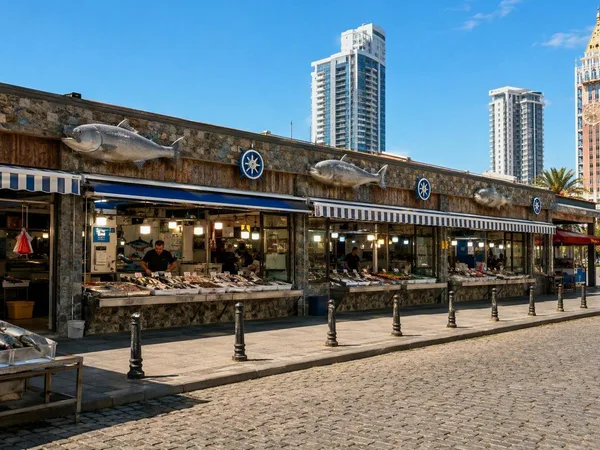
Batumi
1 linked stories and routes
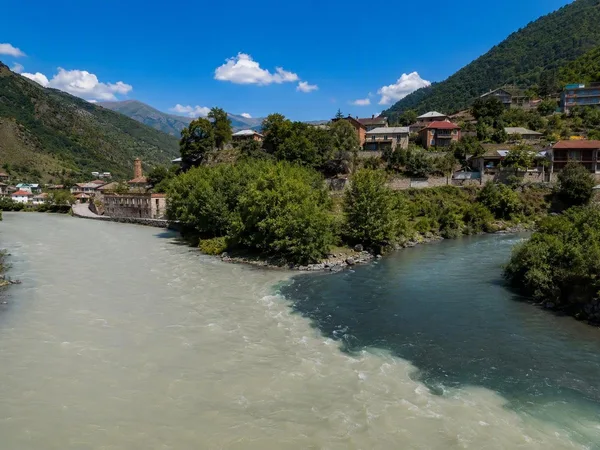
Mtiuleti
1 linked stories and routes
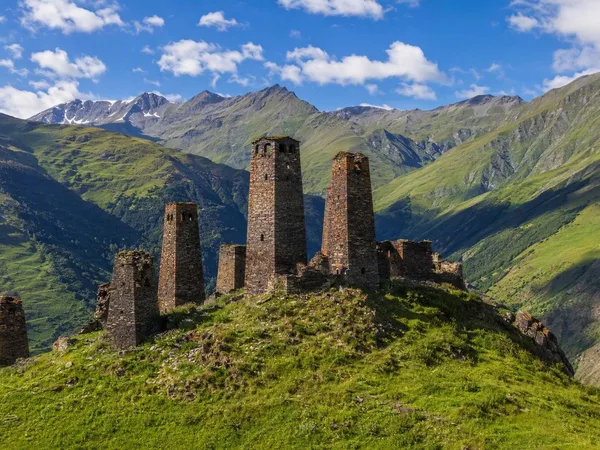
Tusheti
1 linked stories and routes
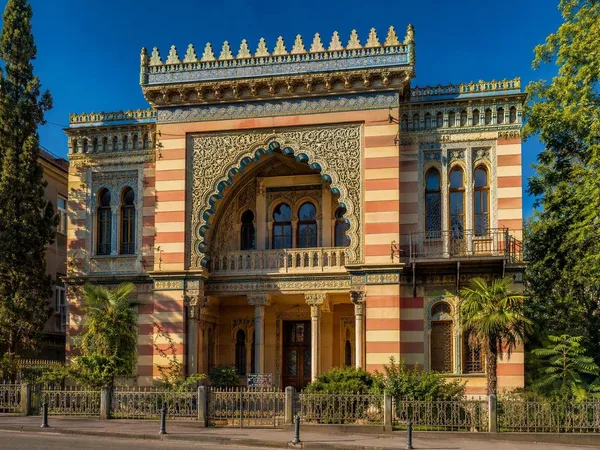
Sololaki, Tbilisi
1 linked stories and routes
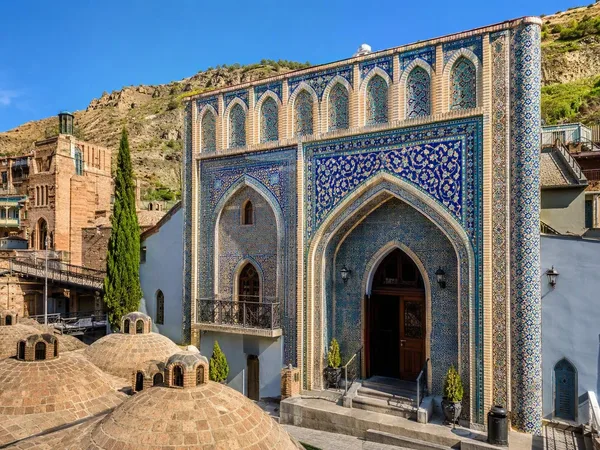
Abanotubani, Tbilisi
1 linked stories and routes
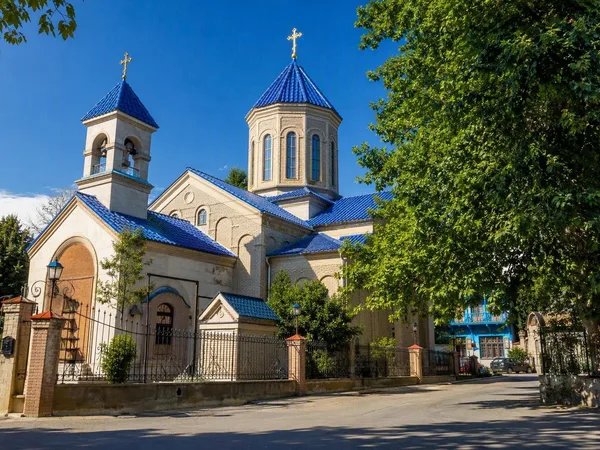
Vera, Tbilisi
1 linked stories and routes
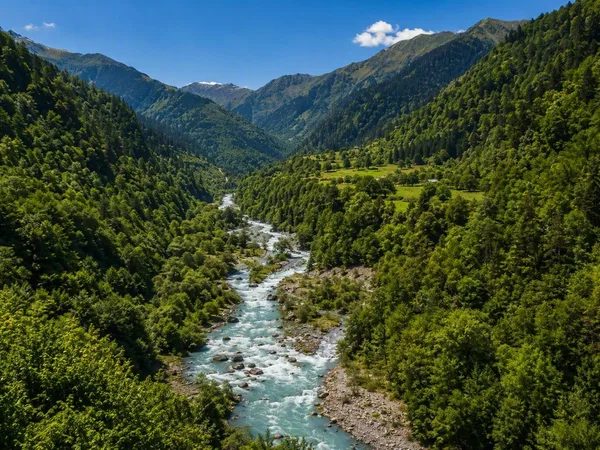
Pshavi
1 linked stories and routes
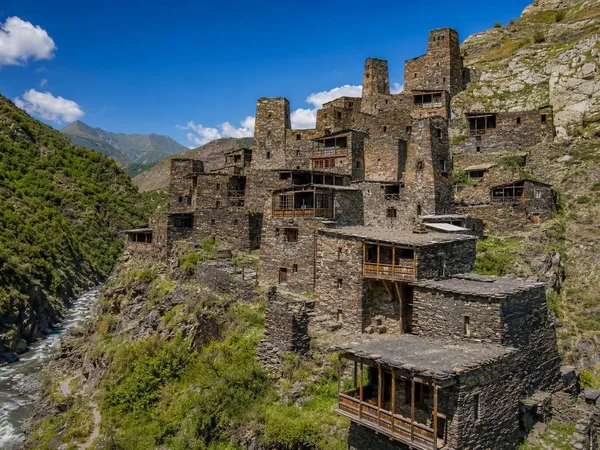
Khevsureti
1 linked stories and routes
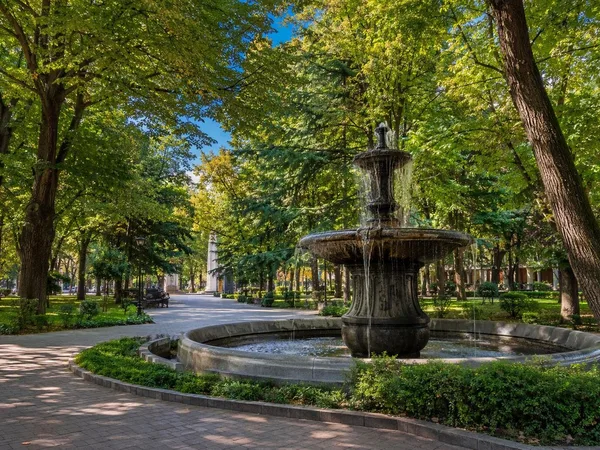
9 April Park
1 linked stories and routes
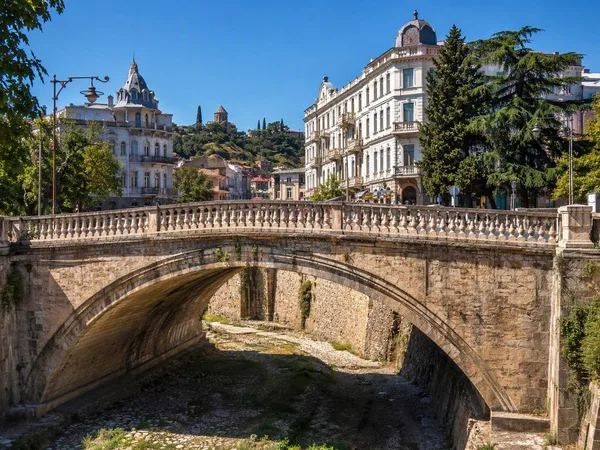
Dry Bridge
1 linked stories and routes
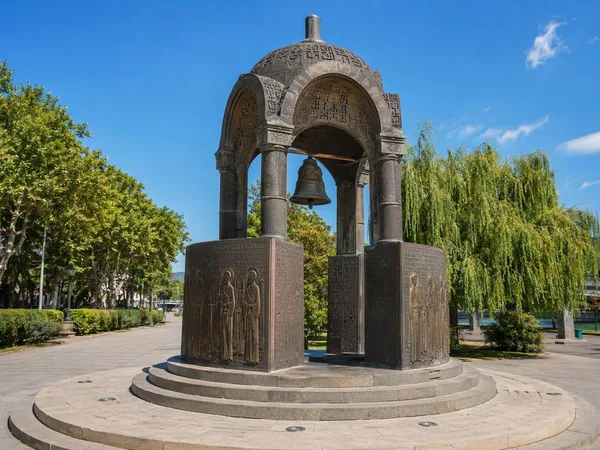
Dedaena Park
1 linked stories and routes