Under the Great Arches of Riga Central Market
Five curved roofs stand beside Riga’s Old Town, covering halls built for fish, meat, dairy, vegetables and prepared food. Their steel came from two German military airship hangars; beneath the arches today, vendors weigh cheese, slice smoked meat and lay out the day’s produce.
Five roofs at the edge of the old city
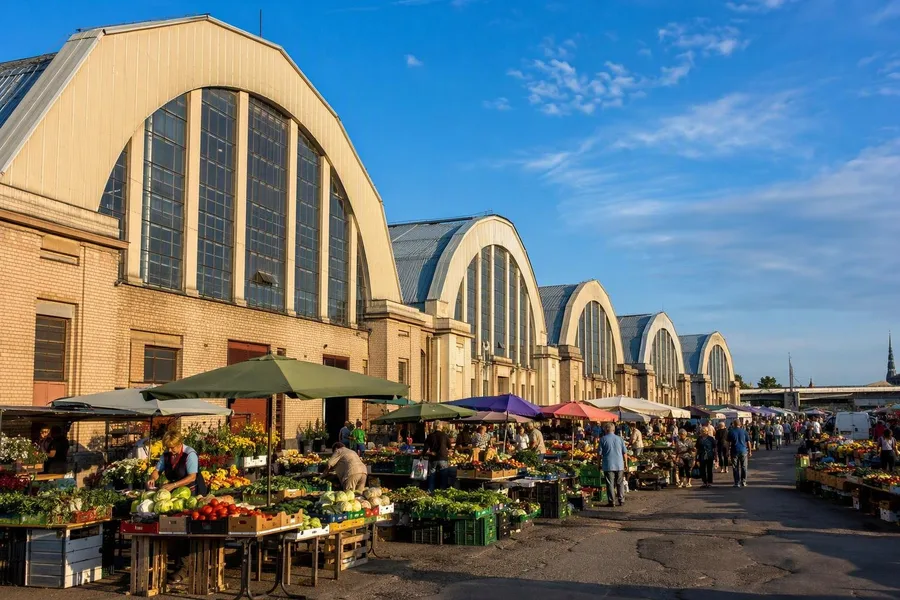 Riga Central Market’s five curved steel-and-brick pavilions stand beside the outdoor stalls.
Riga Central Market starts with its roofs. Five vast barrel vaults stand in a row, their curved steel frames set on brick walls and reinforced-concrete floors. The halls measure about 20.5 metres high and 35 metres wide, leaving broad open trading floors beneath the arches.
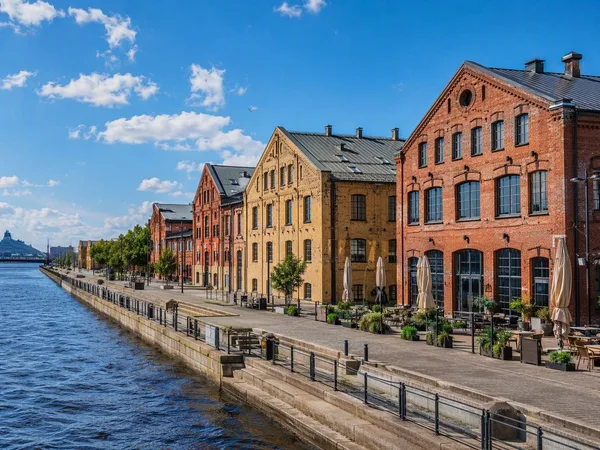
The market sits only a few hundred metres from the Old Town, but it belongs to a different part of Riga. The Daugava runs nearby; the international bus terminal and central railway station stand alongside the site. Beyond the outdoor stalls lie the red-brick warehouses of Spīķeri, a former storage district that now contains art, creative businesses and nightlife.
This was a practical place to build a food market. When construction began in 1924, goods could arrive by rail from the central station and by ship via the Daugava and city canal. The market still stands in that busy seam between the historic centre, the riverbank, transport routes and surrounding neighbourhoods.
From two airship sheds to five pavilions
The five halls did not begin as five hangars. Their steel structures came from two enormous German Imperial Navy airship sheds, Walhalla and Walther, built at Vaiņode in Courland in 1916. Airships flew reconnaissance and combat missions from that base during the First World War. Each original shed measured roughly 240 metres long, 47 metres wide and 38 metres high.
After the war, the base fell out of use. Riga had a pressing need of its own: the old Daugavmala market beside the Daugava had become too small for the growing city. The city council approved a covered central food market in December 1922 and acquired the Vaiņode structures before they were dismantled for scrap.
Workers took the steel apart and transported it to Riga. They did not reconstruct the sheds whole. Their original height would have made heating difficult and caused sharp temperature changes, so builders split the upper ironwork and curved trusses across five lower market pavilions. Brick walls, concrete foundations and floors supported the reused steel.
Food trading began in November 1930, when central heating and electric light marked the halls as modern market buildings. The conversion remains legible from the street and under the roof: brick anchors the buildings at ground level, while the steel spans keep the scale of their military origin.
Fish, curd and dark rye bread
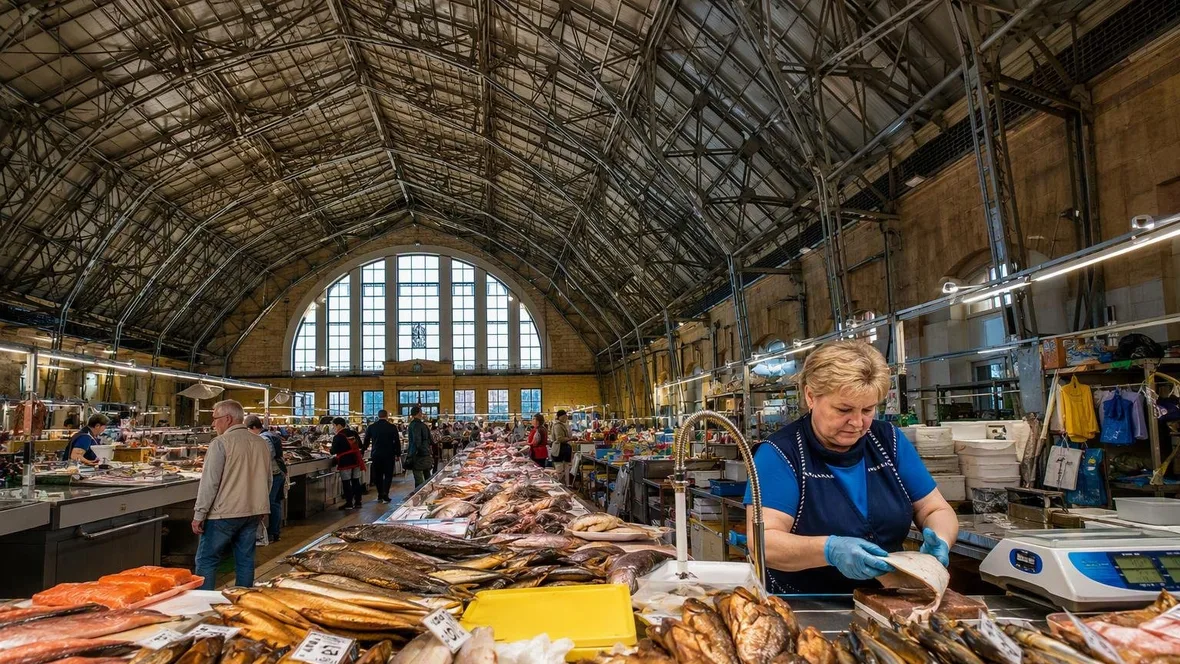
The market’s traditional plan gives a pavilion to each major food group: fish, meat, dairy, vegetables and gastronomy. That layout follows the practical business of buying food for home. The fish hall gathers fresh sea and freshwater fish with smoked, salted and marinated varieties. Herring comes in several forms, and smoked sprats remain closely associated with Riga.
The meat trade includes bacon, sausages and smoked cuts as well as fresh meat. Dairy counters traditionally sell butter, eggs, farm cheeses and biezpiens, a fresh curd used in Latvian sweet and savoury dishes. Some cheeses contain caraway seeds.
Preserved food fills the gaps between fresh seasons. Sauerkraut and other pickled vegetables remain on sale through the year; berries and wild mushrooms take a larger place when they are in season. Smoking, salting, pickling and fermenting extend the life of fish, meat and vegetables.
The gastronomy hall adds bread, pastries, delicatessen goods and food to eat on site. A dark rye loaf, smoked fish and cheese make a compact market meal. So does a pīrāgs, the small baked bun filled with bacon and onion.
Latvian staples share the market with other food traditions. An Uzbek section sells rice, dried fruit, nuts, tea and spices from open containers, often by weight. These are working counters rather than a display of regional specialities. Vendors weigh small quantities, cut meat or poultry to order, and often offer samples of cheese, honey, sauerkraut or smoked fish.
The trade continues outside
Beyond the pavilion doors, stalls loosen the neat division of the five halls. Seasonal fruit and vegetables appear beside flowers, plants, knitwear, handicrafts and household goods. The farmers’ night market carries some trade into the evening and early morning.
The outdoor market also makes the site’s location clear. On one side sit the dense streets of the old centre. On another are the railway and bus areas; nearby, the Daugava and the Spīķeri warehouses mark the older routes by which goods reached this part of Riga.
The pavilions do not currently operate in their full traditional arrangement. The fish and gastronomy halls are open, while the vegetable and dairy halls are closed for renovation and the meat hall is closed for technical reasons. Some traders and products may therefore be found elsewhere on the site, particularly in the outdoor area.
Practical details
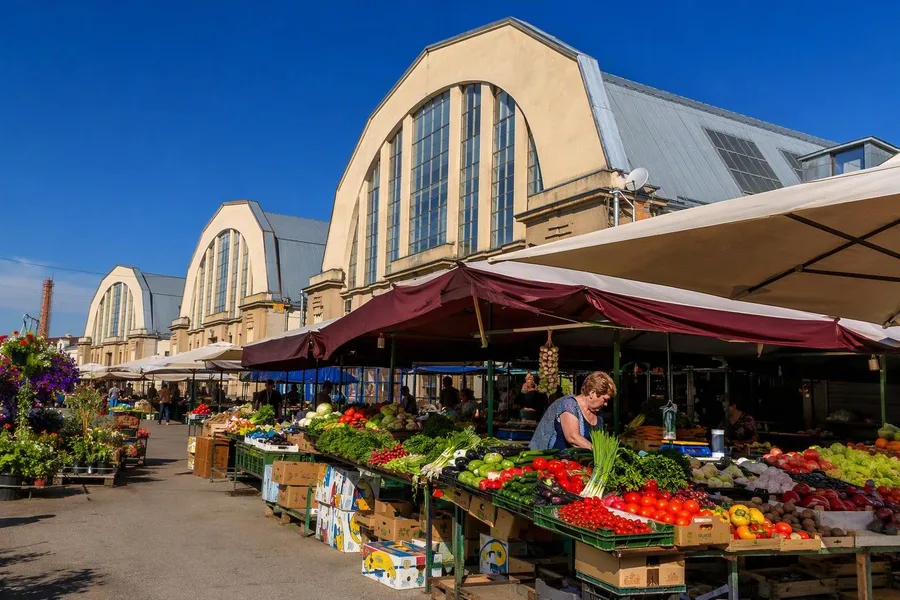 Outdoor market stalls operate at Riga Central Market on Nēģu iela 7.
The outdoor market opens daily from 07.00 to 18.00. The fish and gastronomy pavilions open Monday to Saturday from 07.30 to 18.00 and on Sunday from 07.30 to 17.00; all pavilions close on the first Monday of each month, though the outdoor market continues. Entry is free. Many stalls take cards, but cash is useful at smaller outdoor stands. The market address is Nēģu iela 7, a short walk from the central station and Old Town.
At the edge of the outdoor stalls, brick walls frame a wide entrance. Inside, a single steel arch rises above fish counters, bread and bags of groceries: iron from a 1916 airship shed, carrying the weight of Riga’s daily market.
Keep exploring
Places in this story
Europe
10 landen en gebieden

Asia
Germany
Latvia

Uzbekistan
Riga
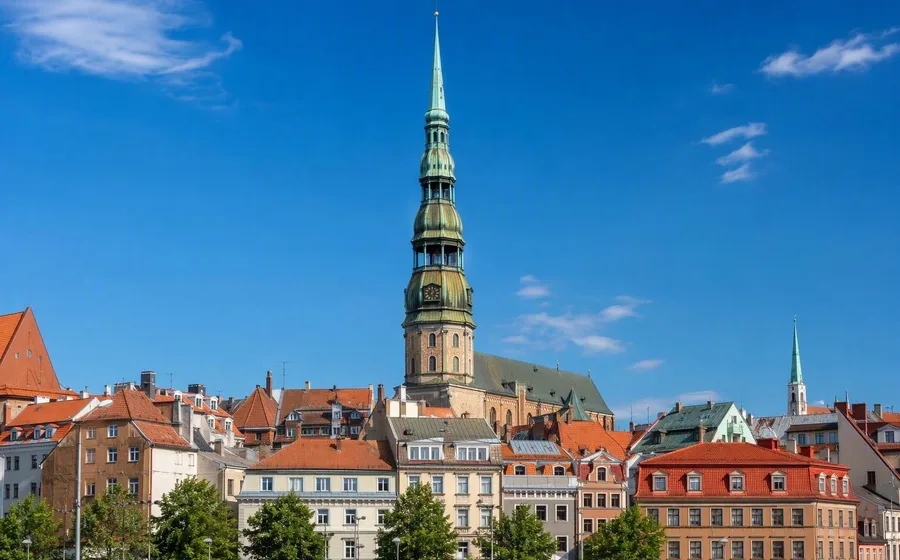
Vecrīga (Old Riga)
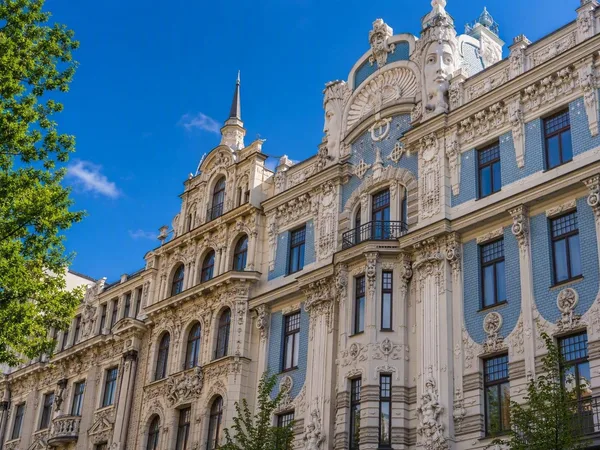
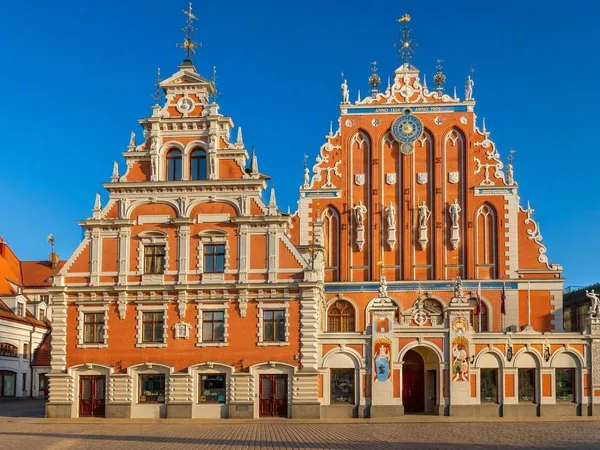
Vecrīga is Riga’s compact old town on the Daugava’s right bank. Its medieval street pattern, church towers, merchant buildings and riverfront form the city’s historic core.
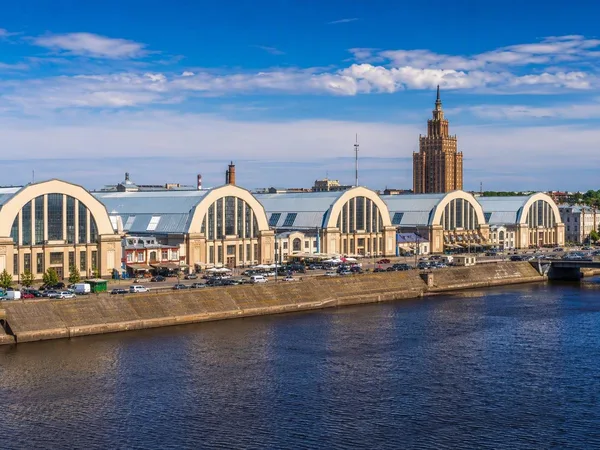
Riga Central Market
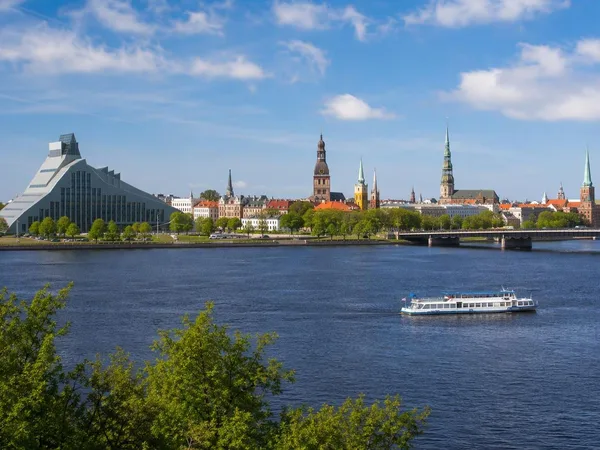
Daugava