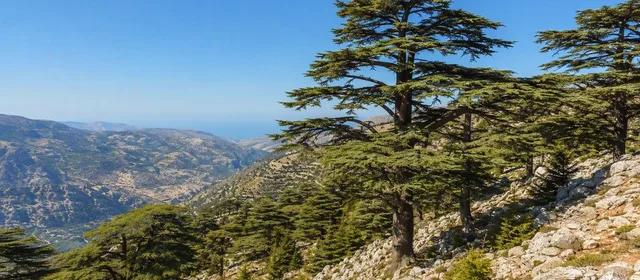
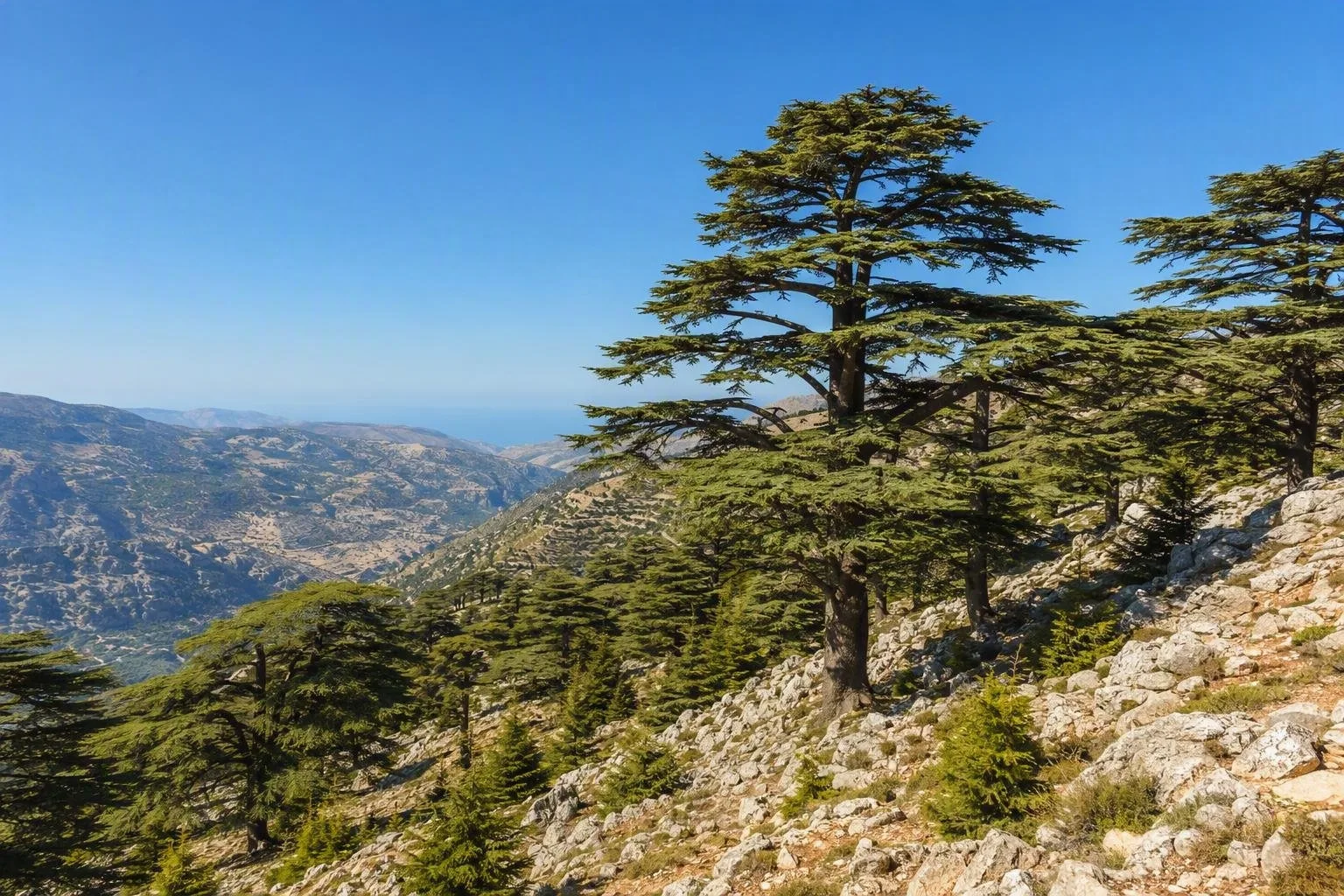
Lebanon packs the Mediterranean coast, high mountains and the Bekaa Valley into a small area. In Beirut, apartment blocks, old houses, galleries and cafés fill streets that lead down to the Corniche. Beyond the city, the Lebanon Mountains rise quickly above the coast. Cedar groves, stone villages and, in winter, snow sit a short drive from the sea. Arabic shares street signs with French and English, while churches and mosques stand close together in many neighbourhoods. At markets and family tables, cooks draw on vegetables from the coast, herbs and olives from the hills, and produce from the Bekaa Valley.
Beirut shows several sides of the country in a few districts. Walk Hamra for its bookshops, cafés and busy pavements, then head to the seafront or the rebuilt central area. North of the capital, the Qadisha Valley cuts through steep limestone country. Rock-cut chapels, monasteries and old footpaths line its slopes. The Cedars of God, nearby, hold some of Lebanon’s oldest surviving cedar trees.
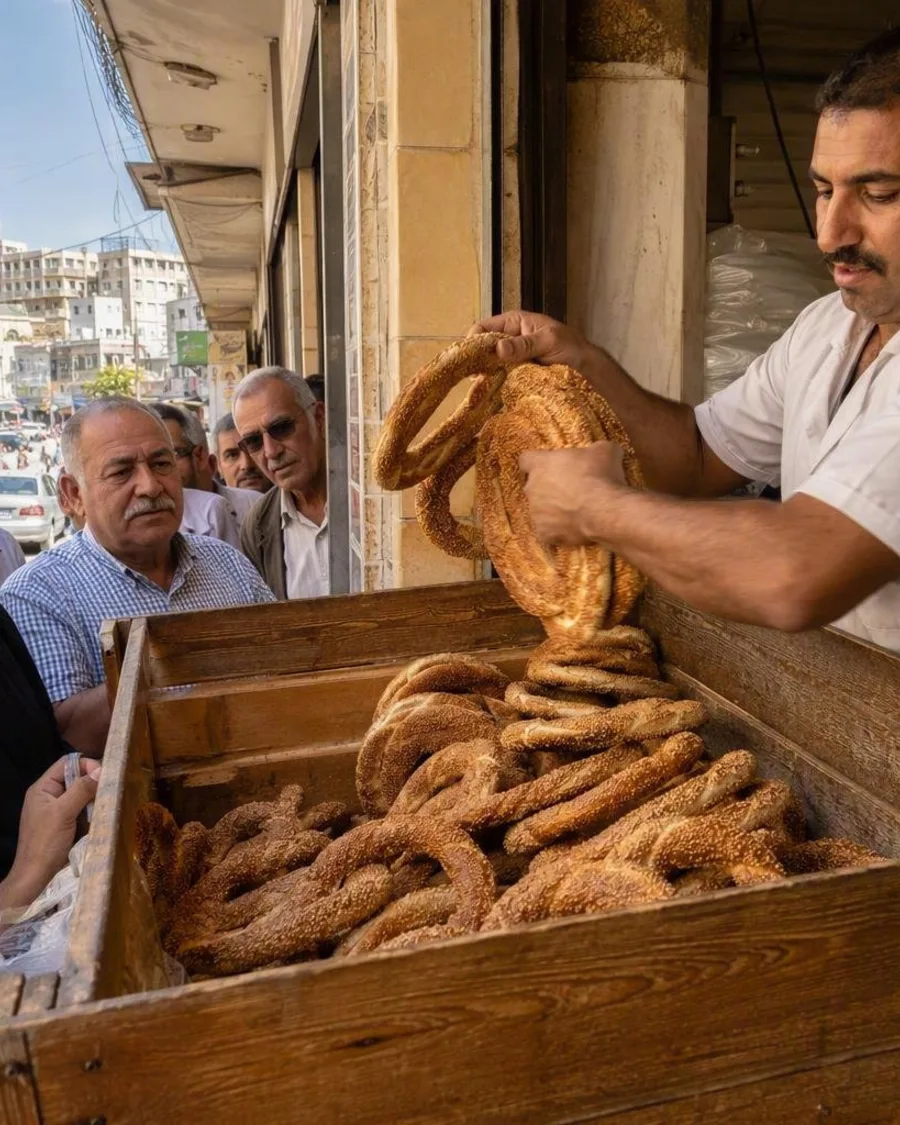
In the Bekaa Valley, vineyards and fields lie around Baalbek’s Roman temple complex. Its enormous columns and stone courts make a sharp contrast with the small towns and farms around it. Lebanese food brings these places together without much ceremony: hummus, tabbouleh, grilled meat, stuffed vine leaves and flatbread arrive in shared dishes. Order a mezze table, linger over lunch, and leave time for Beirut as well as the valleys and mountain towns beyond it.