City · Lebanon
Beirut
Beirut is Lebanon’s Mediterranean capital, spread from the central districts to the western seafront. Its best introduction is by neighbourhood: archaeology, contemporary art, everyday bakeries and the Corniche each belong to a different part of the city.
Get oriented
Beirut sits on a Mediterranean peninsula. Do not treat it as one continuous sightseeing centre: Downtown is the central landmark district; Achrafieh, Gemmayzeh and Mar Mikhael lie to the east; Hamra and Raouché are west of the centre. The Corniche links much of the waterfront, but the inland districts are better handled as separate stops.
Build each half-day around one area. Traffic, uneven pavements and steep streets make ambitious cross-city walks inefficient.
Start with the city’s layers
The National Museum of Beirut is the clearest foundation for the city and country: its archaeological collection runs from prehistory through later periods, with major sarcophagi, mosaics and a reconstructed Roman tomb among the highlights. Allow time rather than adding it as a quick stop.
For art and architecture, go to the Sursock Museum in Achrafieh, close to the Saint Nicolas Stairs and Gemmayzeh. The museum is free and normally opens Wednesday to Sunday; its galleries and facilities are wheelchair accessible.
In Downtown, combine Martyrs’ Square with the adjacent religious and civic architecture. Access around central streets and government buildings can change, so keep this part of the day flexible.
Eat at street level
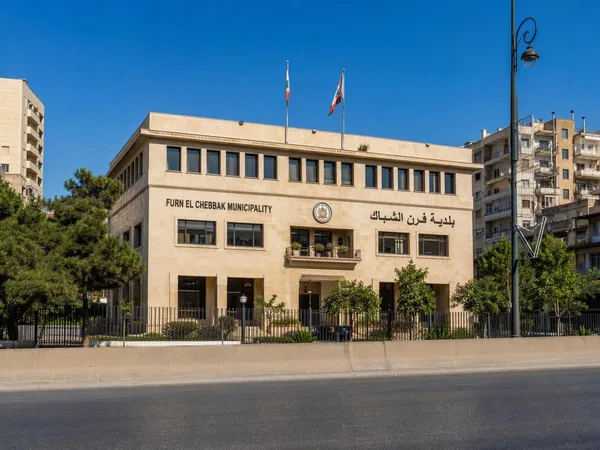
For breakfast, look for a furn: both oven and neighbourhood bakery. Order a hot manoushe—the singular of manakish—and take it folded in paper. Za’atar is the reference order; cheese, meat, egg and kishk are common alternatives. A half za’atar, half cheese round is a practical way to try two standards at once.
A furn is not a themed food stop. Dough is shaped, topped and baked beside the counter, then passed straight out to customers. In Hamra and Bourj Hammoud, it works well as a fast start before the streets get busy.
The sea route
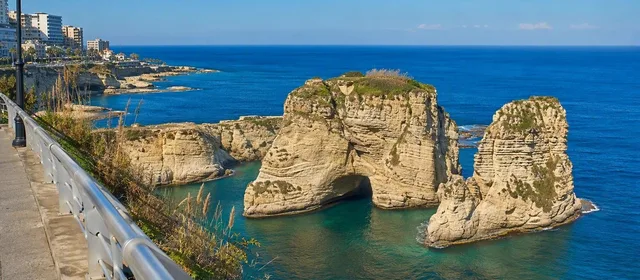
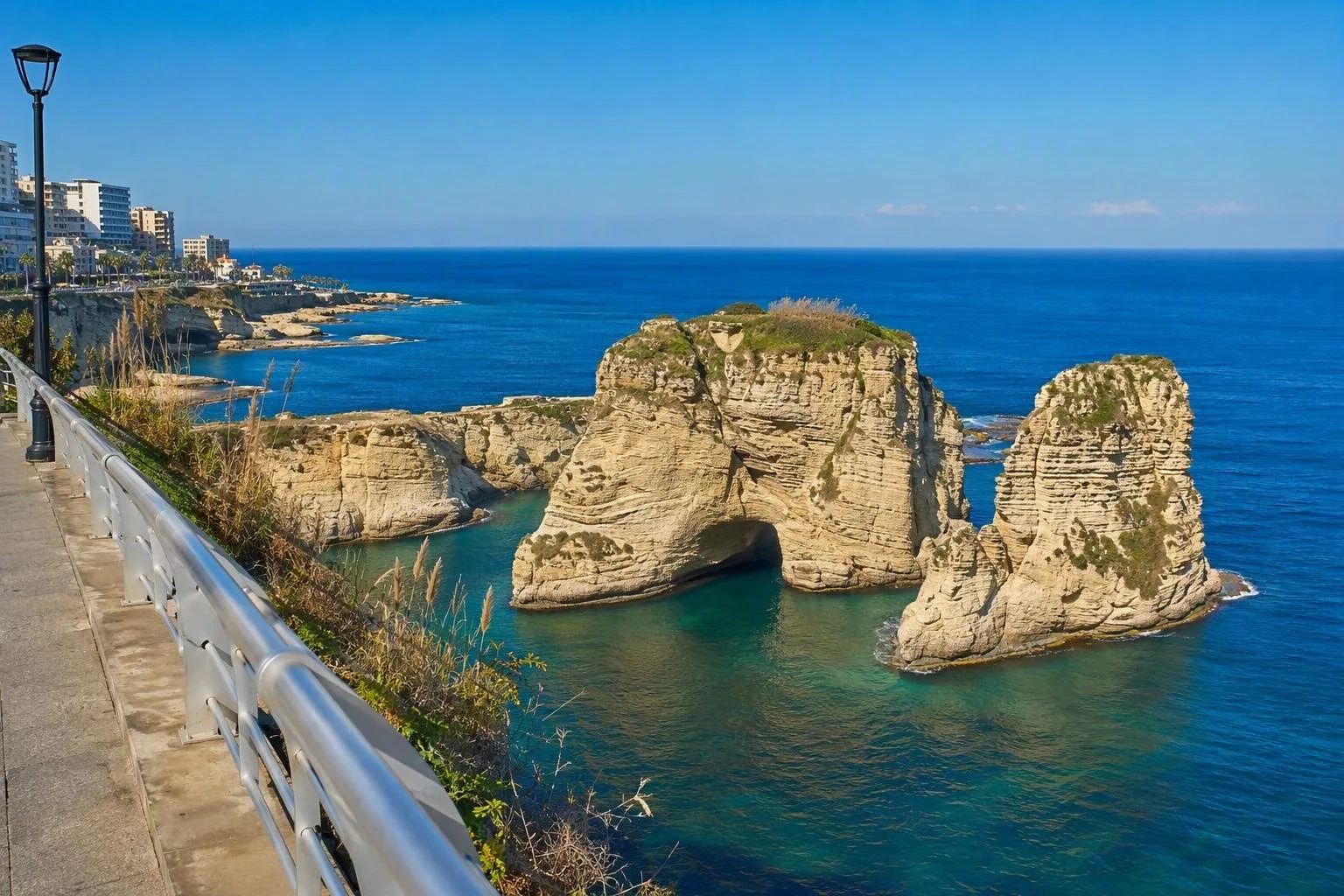
Walk a chosen section of the Corniche rather than forcing its full length. The key western stop is Raouché, where the Pigeon Rocks stand offshore from the cliff edge. The limestone formations, including a natural arch, are Beirut’s defining seafront landmark.
Late afternoon is the useful time for the Corniche; summer heat and limited shade make the middle of the day hard work. Keep clear of cliff edges and use established viewpoints.
Moving around and current conditions
Use walking within a single district; take a pre-arranged car or recognised ride service between the museum, eastern neighbourhoods and the western seafront. Confirm the destination, fare or pricing method, and payment currency before setting off. Keep your accommodation address and destination pins available offline.
Important: conditions in Lebanon can change rapidly. Review current official travel and security advice before travel and each day locally; avoid demonstrations, security facilities and restricted southern-suburb areas. Carry sufficient cash, as card acceptance and power supply can be unreliable.
From the magazine
Stories about Beirut
Editorial stories linked directly to Beirut.
No stories about Beirut have been published yet.
Routes from our editors
Travel through Beirut
Editorial routes connecting Beirut with other countries, cities and hotspots.
No routes through Beirut have been published yet.
More in Lebanon
Related hotspots
Other cities, nature areas and places within Lebanon.