
City · Iraq
Kirkuk
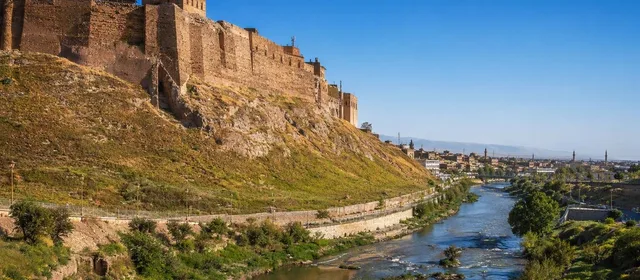
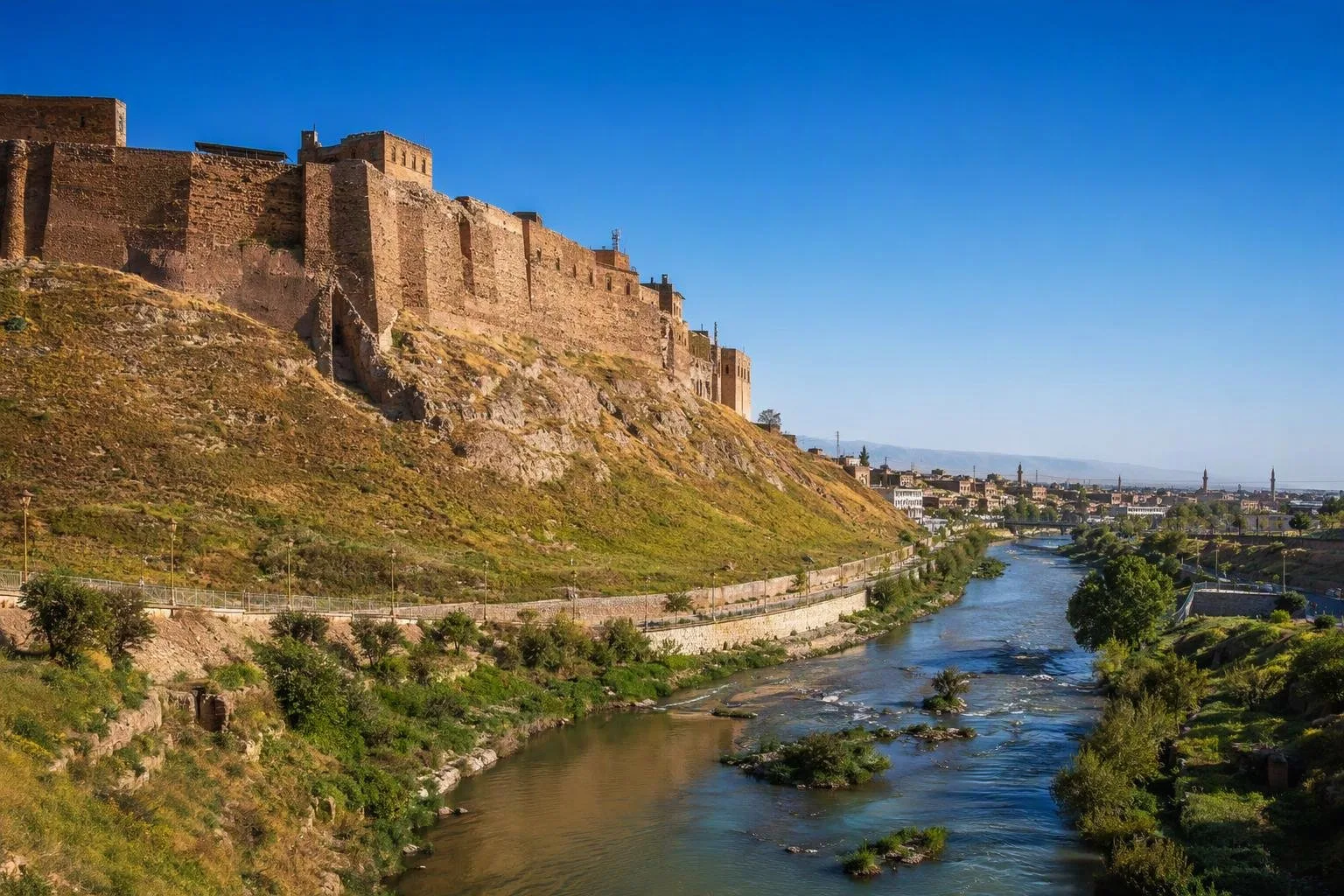
Kirkuk is the capital of Kirkuk Governorate in northern Iraq, built around an ancient citadel mound beside the Khasa River. Its historic core holds layers of Mesopotamian, Islamic, Christian and Ottoman-era heritage.
Orientation
Kirkuk is a major northern Iraqi city, roughly 233 km north of Baghdad. Its old centre gathers around Kirkuk Citadel, a raised archaeological tell beside the Khasa River valley. The city’s historic name, Arrapha, reflects its deep Mesopotamian past; its present-day identity has been shaped by Kurdish, Turkmen, Arab, Assyrian and other communities.
Kirkuk is also one of the Iraqi cities associated with the maqam tradition. Treat the city as a place of living, politically sensitive urban history rather than a conventional sightseeing stop.
Kirkuk Citadel
The citadel is the essential landmark: a large mound rising about 40 metres above the surrounding plain. Its origins are debated, but the site was established by at least the second millennium BCE and developed through Assyrian, Islamic, medieval and Ottoman periods. It has been on Iraq’s UNESCO Tentative List since 2021; that is not the same as World Heritage inscription.
Look for the surviving structures rather than expecting an intact old town. Much of the former residential fabric was demolished in the late 1990s.
- Bab al-Toub: the surviving historic gate, facing the Khasa valley.
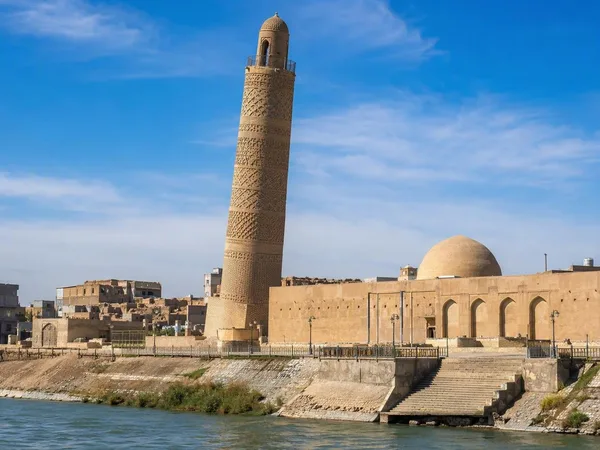
- Prophet Daniel Mosque: a shrine and mosque with a prominent brick minaret; local tradition associates it with Daniel’s tomb.
- Blue Dome: an octagonal, tile-decorated mausoleum dating to 1361.
- Umm al-Ahzan: the damaged remains of a 19th-century Chaldean church.
Reading the city
The citadel’s three historic quarters were al-Maidan in the north, al-Qal'a at the centre and al-Hammam in the south. Mosques, a Chaldean church, tombs, heritage houses and the Qaysariyah market record the city’s religious and commercial life in compact form.
Do not reduce this history to a single community or era. The surviving buildings are valuable precisely because they show overlapping traditions and uses. Religious buildings remain places of worship: dress modestly, avoid prayer times for visits, and ask before taking photographs.
Access and security
Important: current official travel advice advises against all travel to Kirkuk Governorate. Travel should not be undertaken for leisure. If an essential professional, family or heritage-related visit is unavoidable, arrange secure local support, transport and accommodation before arrival, carry photo identification, and allow time for checkpoints.
Conditions, road access and site access can change quickly. Do not enter fenced, damaged or unstable parts of the citadel, and do not photograph security facilities, checkpoints or personnel. Keep plans flexible and avoid demonstrations, political gatherings and large crowds.
From the magazine
Stories about Kirkuk
Editorial stories linked directly to Kirkuk.
No stories about Kirkuk have been published yet.
Routes from our editors
Travel through Kirkuk
Editorial routes connecting Kirkuk with other countries, cities and hotspots.
No routes through Kirkuk have been published yet.
More in Iraq
Related hotspots
Other cities, nature areas and places within Iraq.
Baghdad
2 linked stories and routes
Al-Karkh, Baghdad
2 linked stories and routes
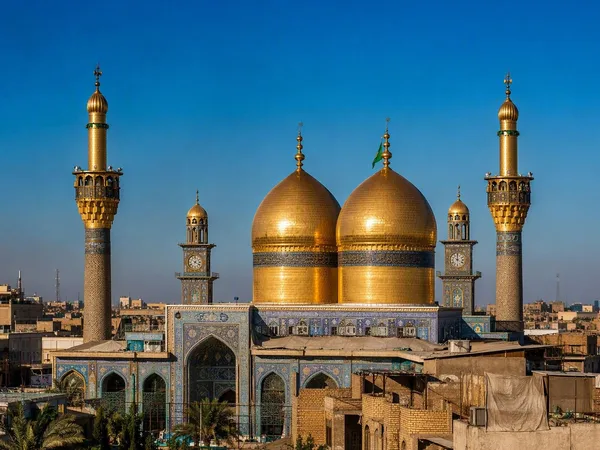
Kadhimiya, Baghdad
2 linked stories and routes
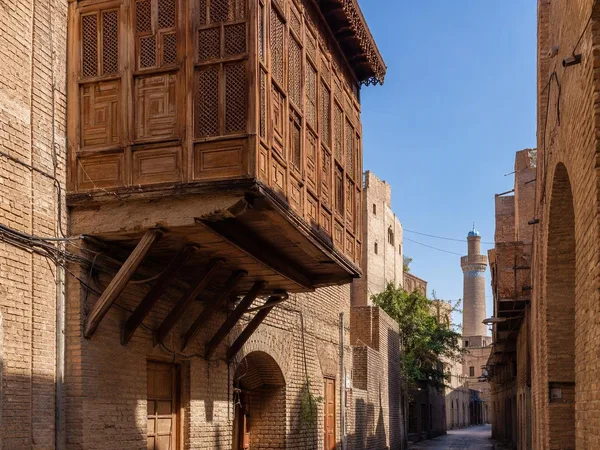
Old Rusafa
2 linked stories and routes
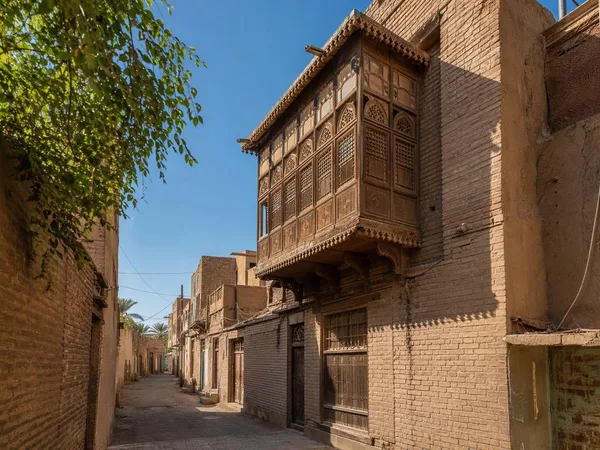
al-Azamiyya
1 linked stories and routes
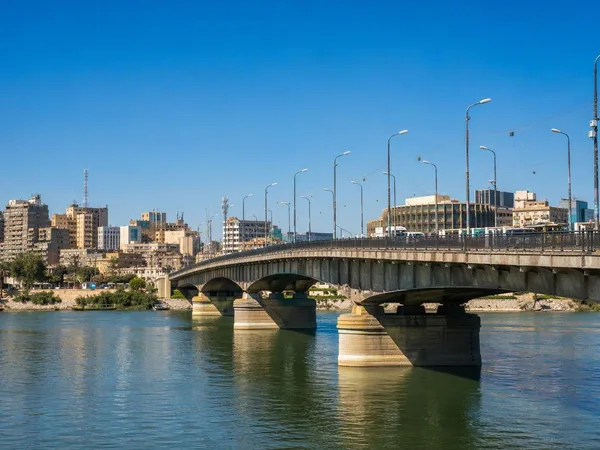
al-Sinek, Baghdad
1 linked stories and routes
Mosul
0 linked stories and routes