
City · Iraq
Baghdad
Baghdad is Iraq’s capital on the Tigris, where Abbasid, Ottoman and modern layers meet in a large, working metropolis. Its old Rusafa riverfront holds the city’s clearest concentration of literary life and historic architecture.
Read the city by the river
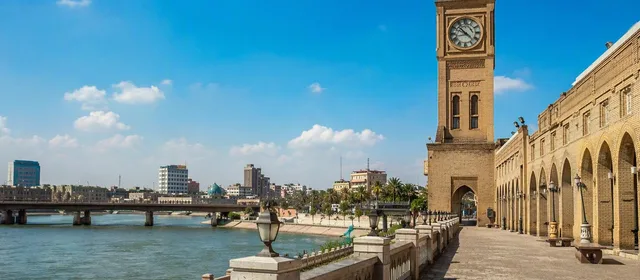
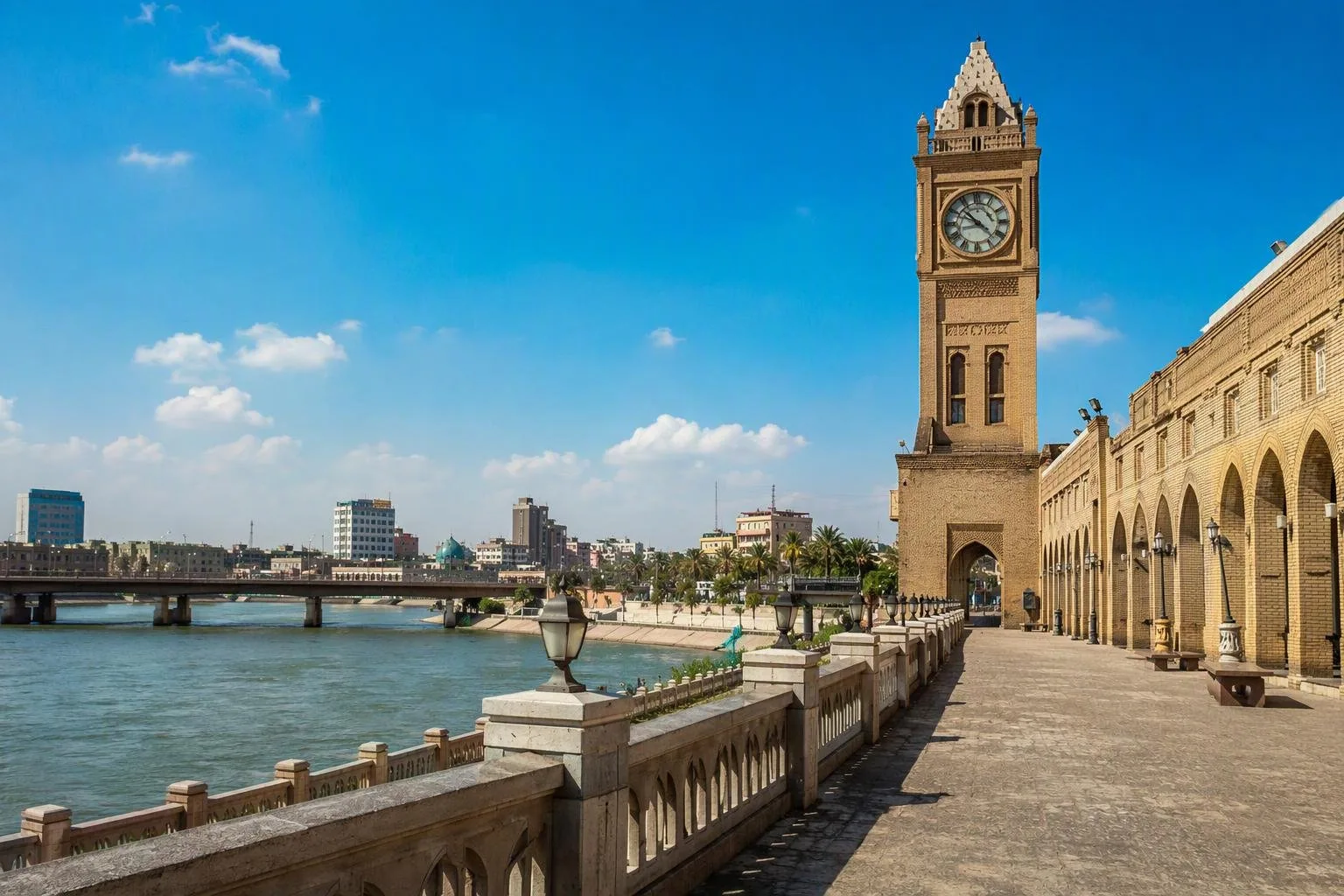
Baghdad spans both banks of the Tigris in central Iraq. Rusafa is the east-bank side and contains the compact historic quarter around Al-Mutanabbi Street; Karkh lies on the west bank. The river, bridges and long cross-city journeys shape the practical geography, so group visits by district rather than treating central sights as a short walk apart.
The modern city was founded in 762 as the Abbasid capital. Much of that original Round City has vanished, but the riverfront historic zone preserves a sequence of Abbasid and Ottoman-era monuments.
Historic Rusafa
Start around the Tigris-side corridor between the Al-Mustansiriya School and the Abbasid Palace. Al-Mustansiriya was founded in 1227 as a madrasa; its courtyard, rooms and iwans make it one of Baghdad’s essential surviving Abbasid buildings.
Continue to the Ottoman Qushla complex and its clock tower. The former barracks sit beside Al-Mutanabbi Street and form a useful landmark for the old city. Access to individual heritage buildings can be restricted or interrupted, so regard the streetscape and riverside setting as the dependable experience rather than building a day around interiors.
Books, tea and maqam
Al-Mutanabbi Street is Baghdad’s book district: browse bookshops and pavement sellers, then stop at Shabandar Café, the historic coffeehouse at the Qushla end. Friday morning is the most active time for the outdoor book market; arrive early and carry small Iraqi-dinar notes.
This is also the right setting to understand Iraqi maqam. The classical urban tradition joins Arabic poetry, vocal improvisation and a chalghi ensemble. Listen for the bright struck santur, bowed four-string jawzah, dumbak and daff; the lead qari’ trades phrases with the ensemble rather than singing over a passive accompaniment. Performances have traditionally belonged in coffeehouses, theatres and private gatherings, so do not assume a public concert is scheduled.
Food and climate
Order masgouf, fish cooked over an open fire, when it is available. Baghdad’s summers are intensely hot and dry; spring and autumn are the most manageable periods for walking. In summer, work outdoors early and keep riverfront or indoor stops for later.
Arrival and essential constraints
Baghdad International Airport is the main air gateway. Use pre-arranged, secure transport for airport transfers and cross-city movement; carry photographic identification because checkpoints occur.
Important: Baghdad’s security conditions, road access and airport routes can change with little notice. Avoid political gatherings, crowds and security or military sites, follow instructions at checkpoints, and keep movements flexible. During Ramadan, do not eat, drink or smoke in public during daylight hours.
From the magazine
Stories about Baghdad
Editorial stories linked directly to Baghdad.
No stories about Baghdad have been published yet.
Routes from our editors
Travel through Baghdad
Editorial routes connecting Baghdad with other countries, cities and hotspots.
No routes through Baghdad have been published yet.
More in Iraq
Related hotspots
Other cities, nature areas and places within Iraq.
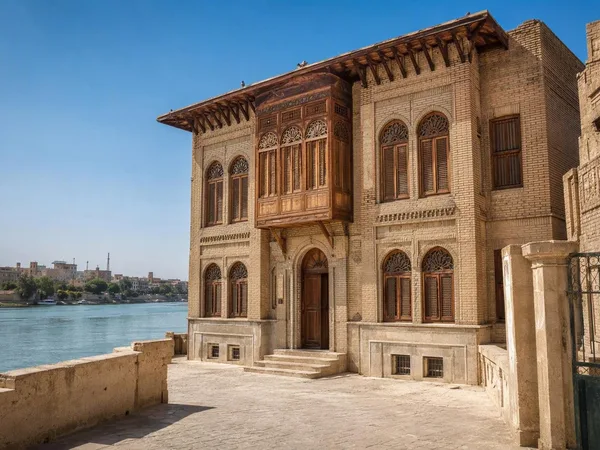
Al-Karkh, Baghdad
2 linked stories and routes
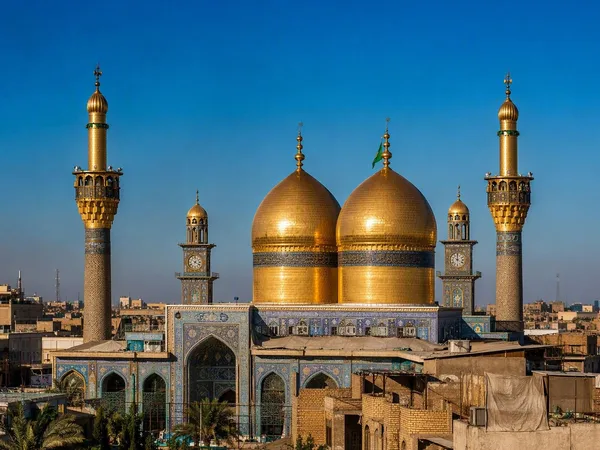
Kadhimiya, Baghdad
2 linked stories and routes
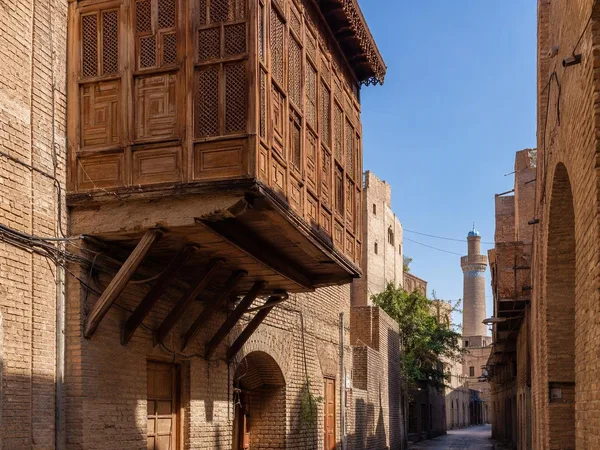
Old Rusafa
2 linked stories and routes
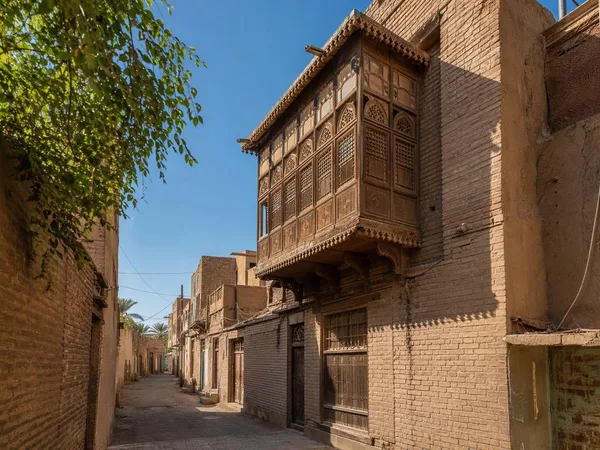
al-Azamiyya
1 linked stories and routes
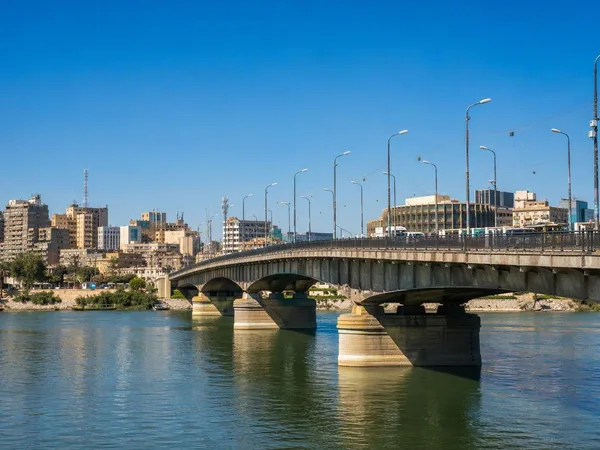
al-Sinek, Baghdad
1 linked stories and routes
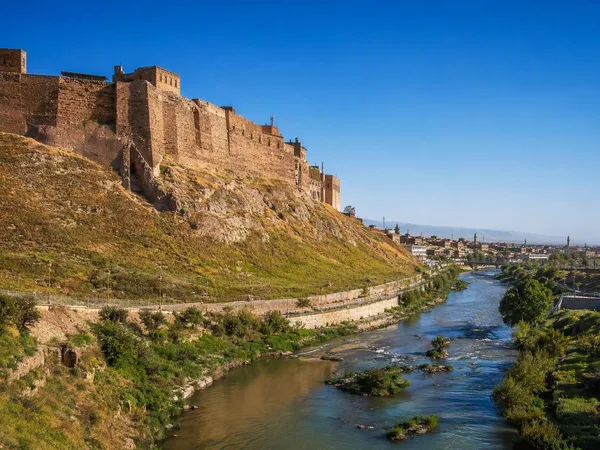
Kirkuk
0 linked stories and routes
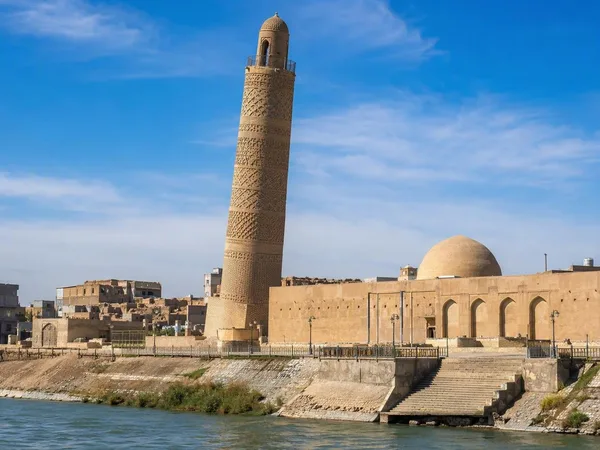
Mosul
0 linked stories and routes