
Neighbourhood · Iraq
al-Azamiyya
Al-Azamiyya is an old riverside neighbourhood on Baghdad’s east bank, north of the city centre. It is defined by the Abu Hanifa Mosque and surviving lanes of Ottoman-era courtyard houses with timber shanasheel.
Orientation
Al-Azamiyya lies on the eastern bank of the Tigris in northern Baghdad, opposite Kadhimiya. This is a lived-in urban neighbourhood, not a preserved open-air museum: its most revealing fabric survives in the older quarters around the mosque and the river-facing lanes.
The name refers to Abu Hanifa al-Nu'man, known as the Great Imam and founder of the Hanafi school of Sunni jurisprudence. His tomb made this part of Baghdad a religious and scholarly centre from the Abbasid period onward.
Read the old fabric
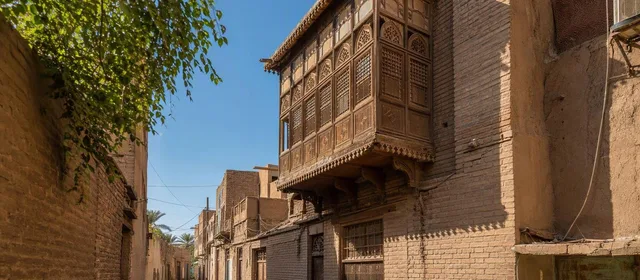
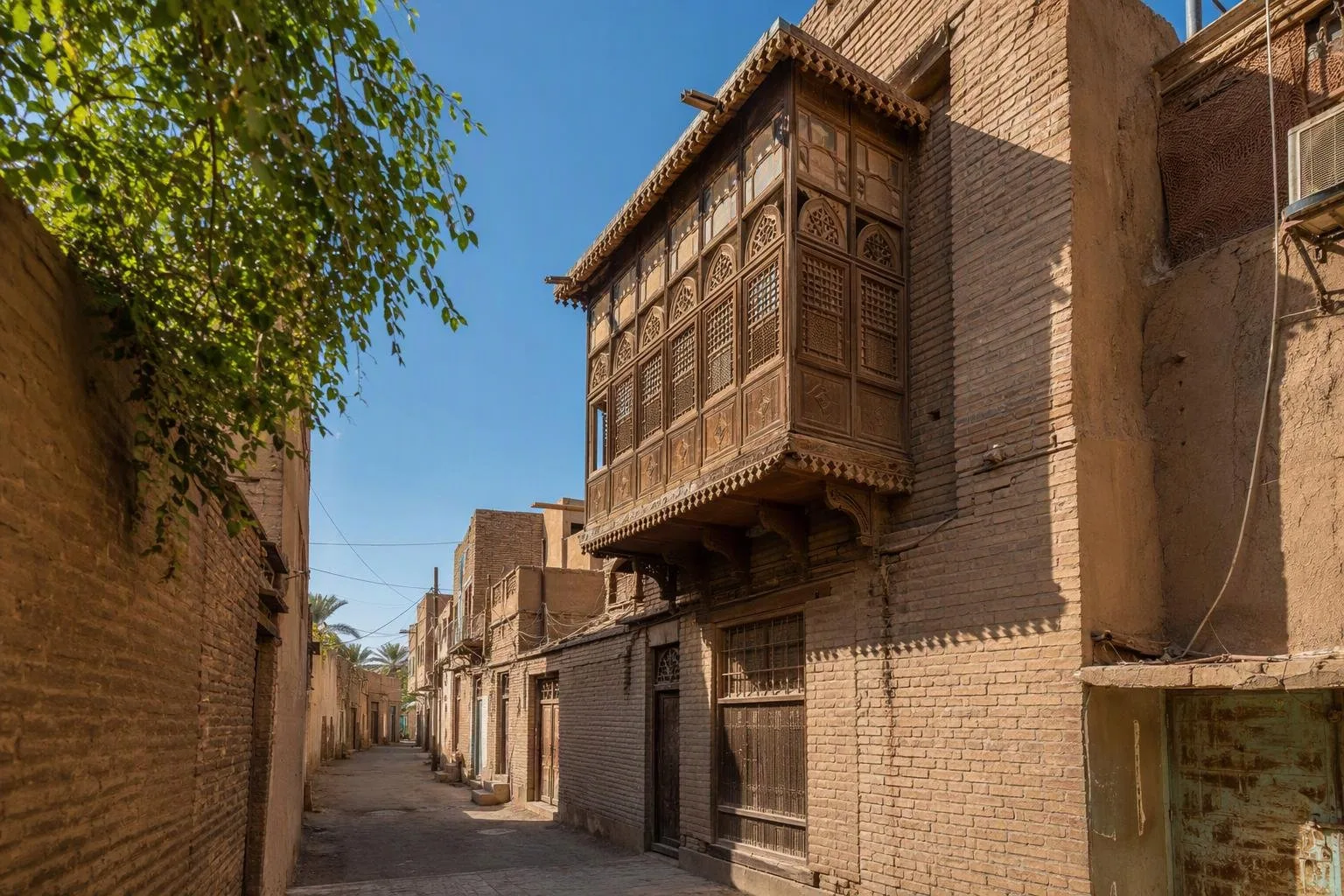
Look up in the older lanes for shanasheel: projecting timber bay windows enclosed by finely worked lattice screens. They gave upper rooms light, ventilation and a degree of privacy while extending over the street. Behind them are the inward-looking courtyard houses characteristic of historic Baghdad.
The strongest concentration of this fabric is associated with the old quarters of al-Jami, al-Nassa and Haiba Khatun, as well as lanes nearer the Tigris. Expect uneven survival:
- intact timber screens and restored façades sit beside altered or heavily weathered houses;
- many houses remain private homes, so view façades from the public street;
- narrow alleys are best treated as residential spaces, not as a photography set.
Abu Hanifa Mosque
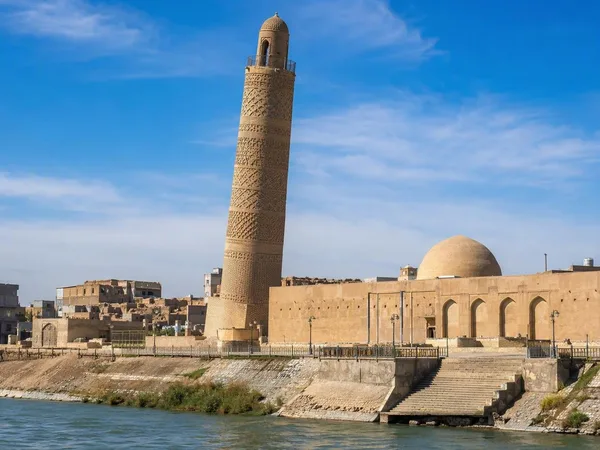
The Abu Hanifa Mosque, also called the Grand Imam Mosque, is al-Azamiyya’s main landmark. The complex stands around Abu Hanifa’s tomb and carries Abbasid, Seljuk and Ottoman layers: a mosque existed here by the late 10th century, while a shrine and teaching institution followed in the 11th century. Ottoman rebuilding and later repairs account for much of the complex seen today.
Start here to understand the district’s scale and purpose, then continue into the adjacent old streets. The mosque’s dome, minarets and clock tower make a practical visual reference point.
Visiting with care
Dress modestly for the mosque and remove shoes before entering prayer areas. Keep voices low, do not interrupt worship, and ask before photographing anyone or any interior space.
For the heritage lanes, walk rather than drive once you are close. The reward is in small architectural details—wood joinery, screened bays, brickwork and shaded passages—not a single formal route. Conditions of old houses vary substantially; do not enter abandoned, damaged or private buildings.
Across the river
The Al-Aimmah Bridge links al-Azamiyya with Kadhimiya on the west bank of the Tigris. It is a useful geographic marker, but al-Azamiyya’s essential experience remains on its own side of the river: the mosque precinct and the fragments of domestic Baghdad that still survive around it.
From the magazine
Stories about al-Azamiyya
Editorial stories linked directly to al-Azamiyya.
No stories about al-Azamiyya have been published yet.
Routes from our editors
Travel through al-Azamiyya
Editorial routes connecting al-Azamiyya with other countries, cities and hotspots.
No routes through al-Azamiyya have been published yet.
More in Iraq
Related hotspots
Other cities, nature areas and places within Iraq.
Baghdad
2 linked stories and routes
Al-Karkh, Baghdad
2 linked stories and routes
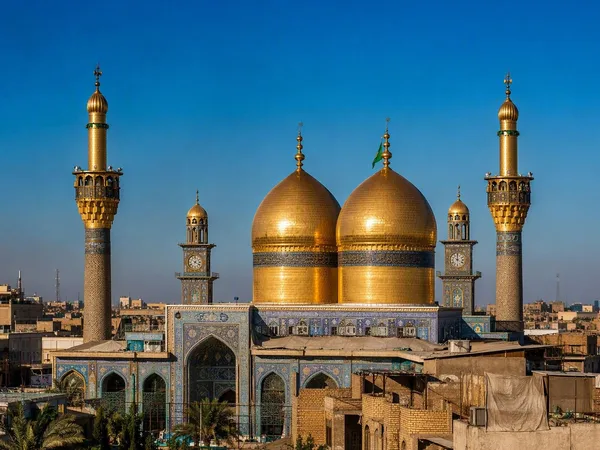
Kadhimiya, Baghdad
2 linked stories and routes
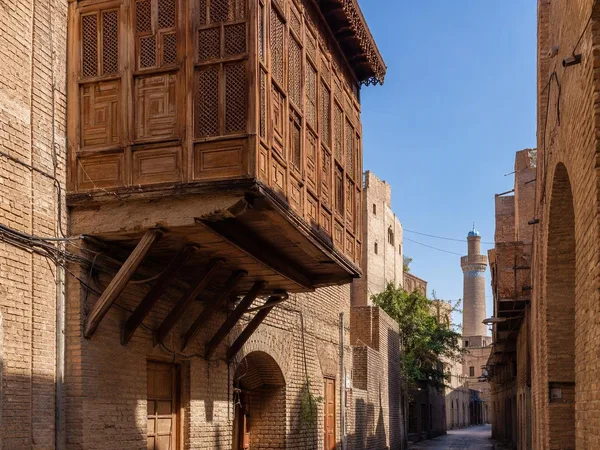
Old Rusafa
2 linked stories and routes
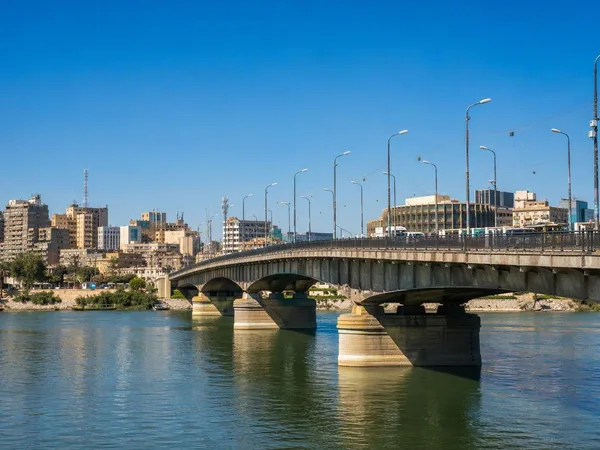
al-Sinek, Baghdad
1 linked stories and routes
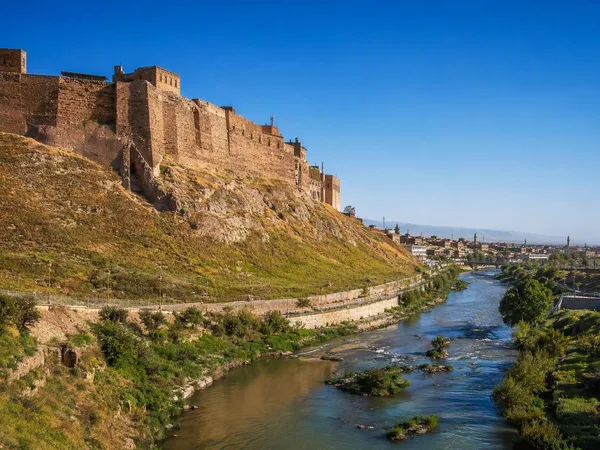
Kirkuk
0 linked stories and routes
Mosul
0 linked stories and routes