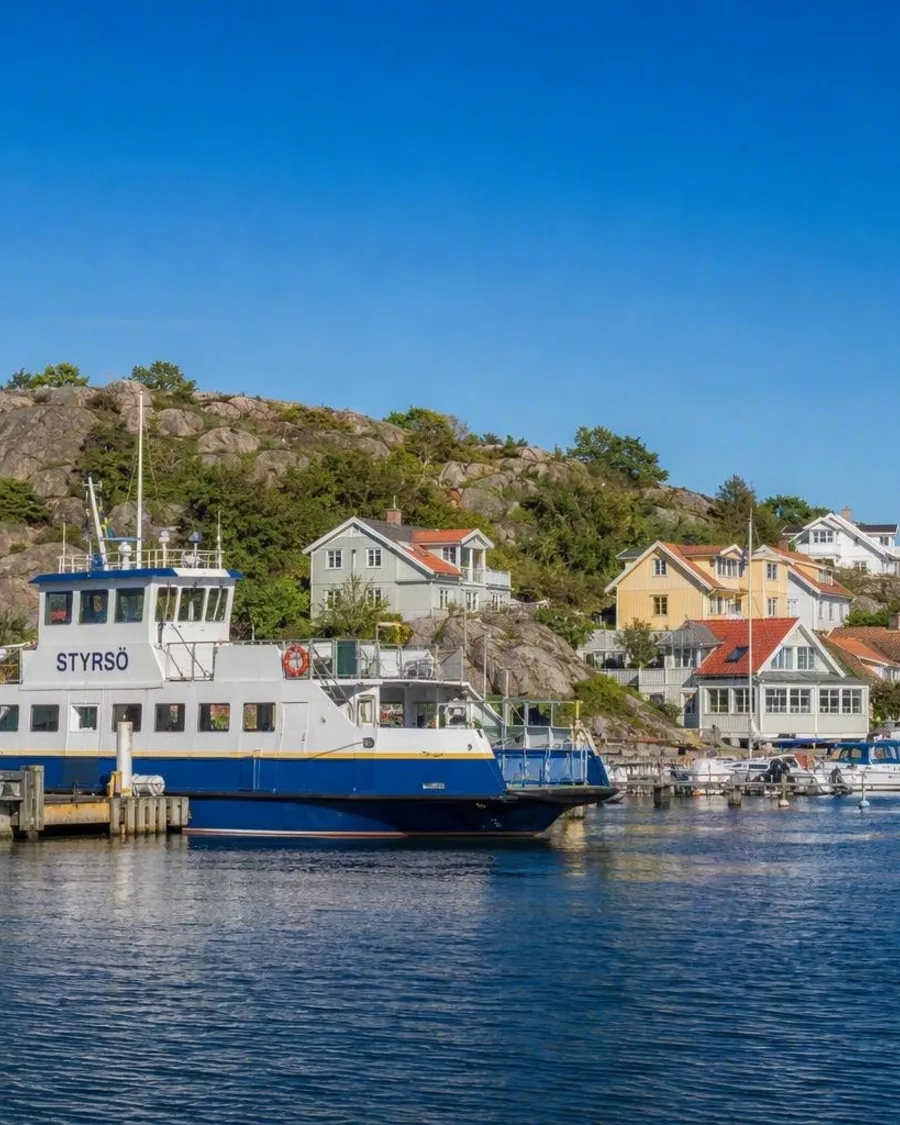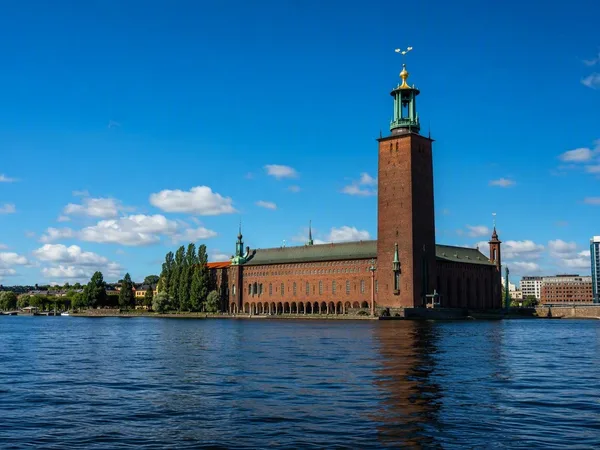
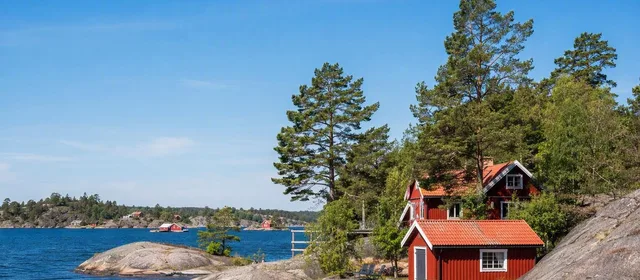
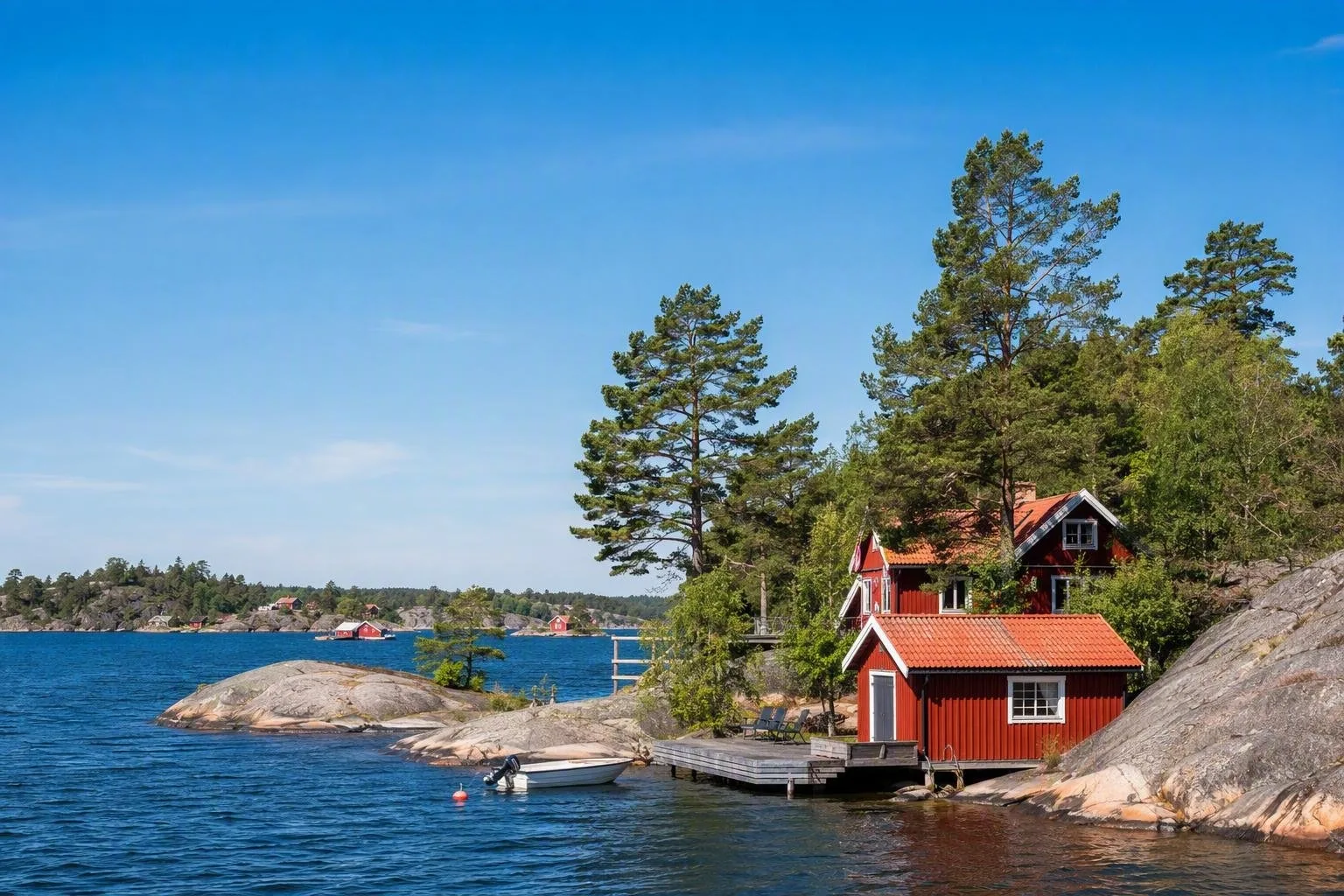
Stockholm makes a strong case for looking beyond the usual city break. Ferries leave central quays for granite islets lined with pine trees, red boathouses and small summer cottages. In Gamla Stan, narrow medieval streets lead to the Royal Palace and Stortorget; a few metro stops away, stations carry murals, mosaics and carved rock. People swim from city beaches in summer, then take the boat out to Vaxholm or farther into the archipelago. Water, woodland and public transport sit close together here in a way that shapes daily life.
The country changes quickly beyond the capital. Around Malmö and Lund, flat farmland meets sandy beaches and compact university towns. On Gotland, Visby’s medieval wall encloses cobbled streets, while limestone sea stacks stand along the coast. Cafés fill with people stopping for fika: coffee with a cardamom bun, a slice of cake or an open sandwich.
Far north, the roads stretch through forest before the land opens into mountains and tundra. Sápmi spans northern Sweden and neighbouring countries, where Sámi people maintain languages, crafts and reindeer-herding traditions. Kiruna grew around iron ore mining and has moved parts of its town centre as work continues below ground. Winter brings snow, long dark evenings and, at times, the northern lights. In summer, daylight lingers deep into the night. Take time for the ferries, the coffee breaks and the quieter towns, and Sweden becomes much more than its capital.