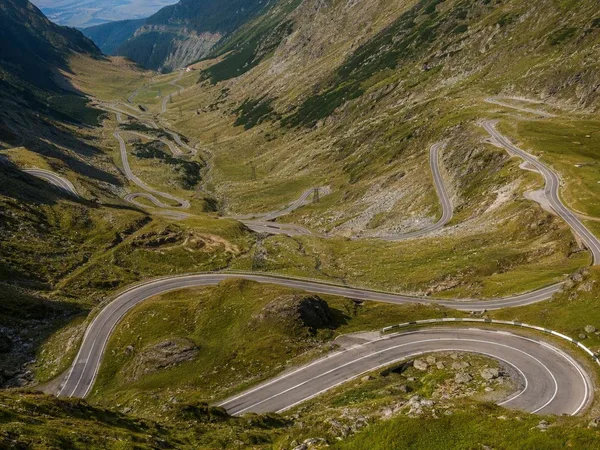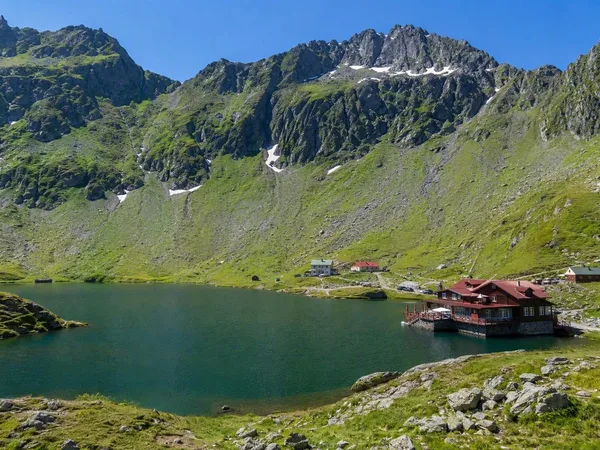
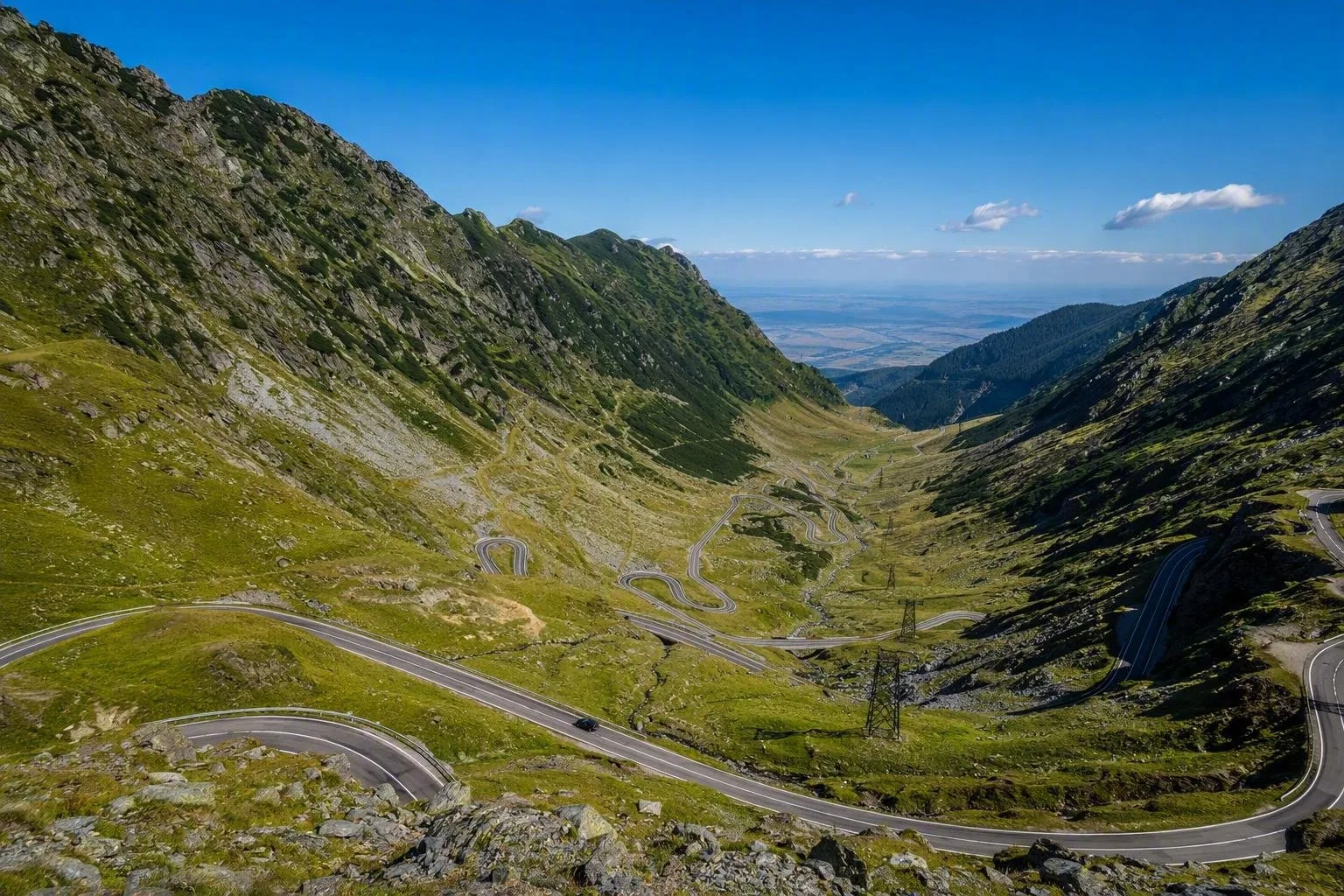
Romania is worth a closer look because the scenery and the street life change so sharply from one region to the next. Bucharest puts grand boulevards, faded villas and concrete apartment blocks side by side, each from a different period of the last century. North of the capital, the Carpathians cut across the country. The Transfăgărășan climbs through the Făgăraș Mountains, while shepherds still work high pastures nearby. In Brașov and Sibiu, fortified squares and merchant houses recall the Transylvanian Saxon communities that shaped these towns. A short drive away, wooden gates, hay barns and working farms fill many villages.
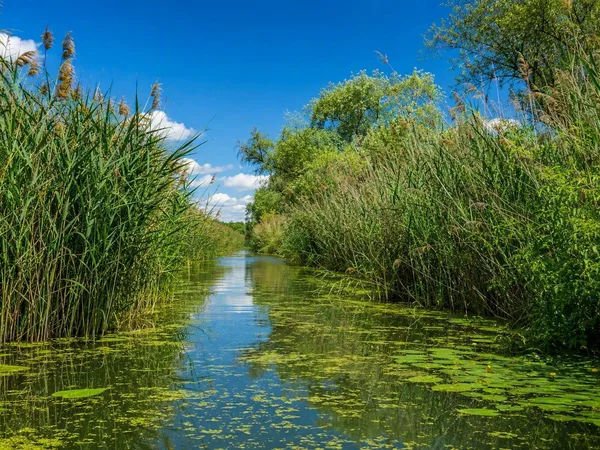
Other regions show a different Romania. At Voroneț and Moldovița in Bucovina, painted monasteries cover their outer walls with bright biblical scenes. In Maramureș, wooden churches rise above orchards and steep-roofed houses. Far to the east, the Danube breaks into reed-lined channels before it reaches the Black Sea. Pelicans, herons and fishing boats share the delta’s broad water and low banks.
Food gives the same mix of regional habits and neighbouring influences. Order a sour ciorbă, grilled mici, sarmale or mămăligă with cheese and stew. Vineyards in Dealu Mare and Cotnari supply local wines, and many rural households still make plum brandy. Come for the mountains or the old towns, then leave time for the smaller places between them.