
City · Estonia
Tartu
Tartu is Estonia’s second-largest city, set on the Emajõgi River in the south of the country. Its compact centre combines a historic university, museums and the birthplace of Estonia’s song-festival tradition.
Start in the historic centre
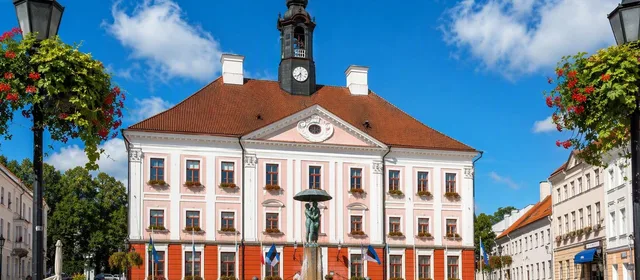
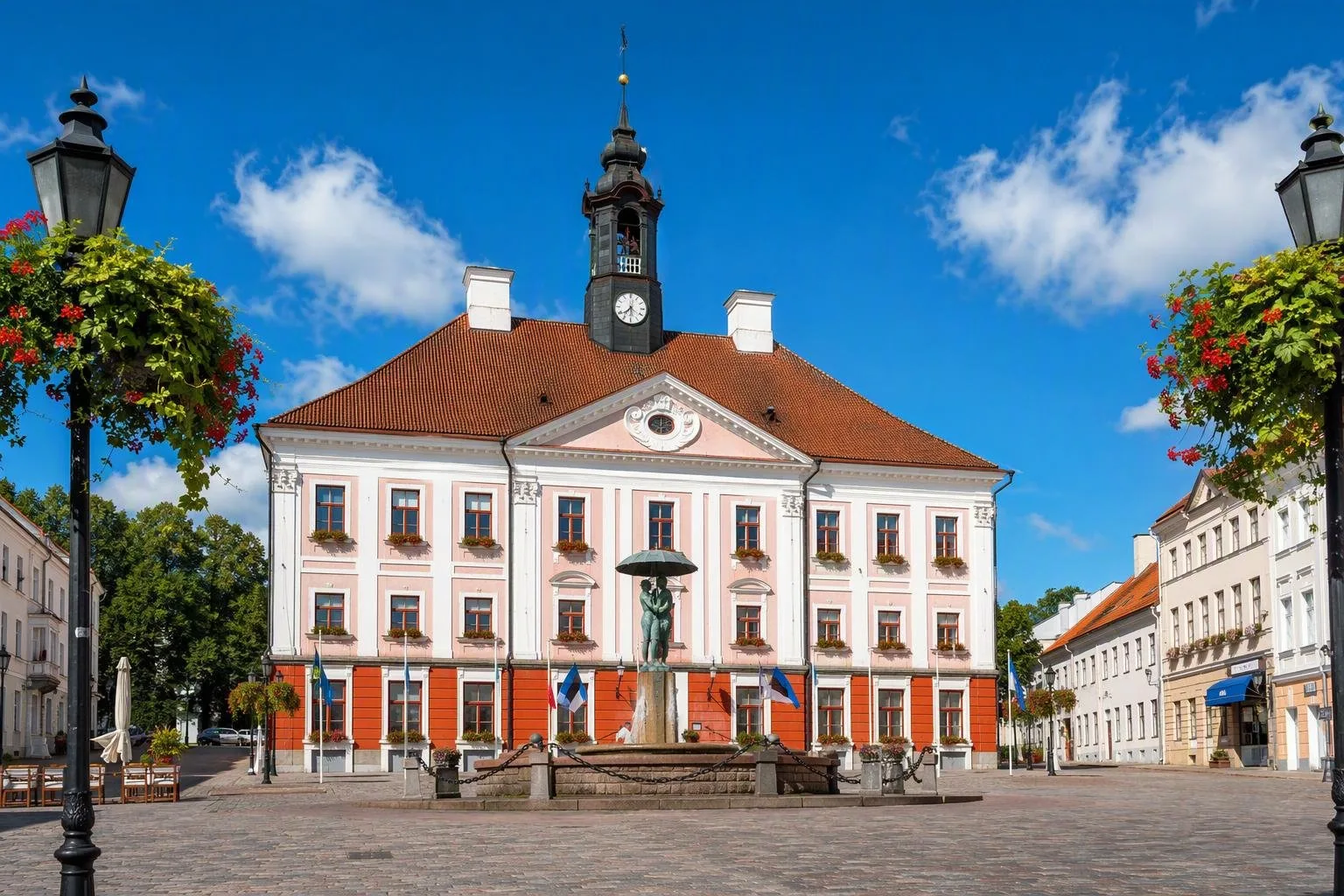
Tartu is a university city shaped by the Emajõgi River, which runs through its centre. Begin at Town Hall Square (Raekoja plats), the civic heart of the city. The late-18th-century Town Hall, the Kissing Students fountain and the nearby riverfront establish the geography quickly.
From the square, central sights are close together on foot. Cross the pedestrian Arch Bridge for river views, then head uphill towards Toome Hill. This compact layout makes Tartu well suited to a focused day on foot rather than a rush between districts.
University and Toome Hill
The University of Tartu was founded in 1632 and remains central to the city’s identity. Walk past its neoclassical main building on Ülikooli Street, then continue to Toome Hill Park.
The hill combines parkland, university history and major landmarks:
- Tartu Cathedral ruins, home to the University of Tartu Museum.
- Tartu Observatory, a key site in the university’s scientific history.
- Paths and bridges through a wooded rise above the old centre.
This is the strongest area for understanding why Tartu feels both academic and unusually green. Allow time to walk rather than treating the hill as a single museum stop.
Museums with a clear focus
Choose museums by subject instead of trying to cover everything. The Estonian National Museum at Raadi is the major choice for Estonian culture and the cultures of Finno-Ugric peoples; its long contemporary building is a destination in its own right. It sits beyond the central core, reached by bus, bike or a longer walk.
In the centre, the Tartu City Museum provides local historical context, while the Song Celebration Museum traces the cultural movement behind Estonia’s mass choral tradition. Families and hands-on science visitors should look at AHHAA Science Centre, near the bus station and riverfront. Its exhibitions and planetarium make it a practical indoor half-day.
The song-festival origin
Tartu hosted the first general Estonian Song Festival on 18–20 June 1869. Organised by the Vanemuine singing society under Johann Voldemar Jannsen, it brought choirs and brass bands together during Estonia’s national awakening.
The first festival is commemorated near St Peter’s Church, at the site of its main festivities. The song-and-dance celebration tradition that grew from it is recognised on UNESCO’s Representative List of Intangible Cultural Heritage. For the cultural thread in one short route, pair the memorial with the Song Celebration Museum and a performance at Vanemuine Theatre.
Getting around
Tartu is linked with Tallinn by regular rail and bus services; the bus station is close to the centre, while the railway station is roughly a kilometre west of Town Hall Square. Within town, walk the centre and use city buses or the public bike-share system for Raadi and outer districts.
Practical note: central museums generally keep separate opening days and ticketing. Build an itinerary around one large museum and the historic core, rather than assuming every venue can be combined in one afternoon.
From the magazine
Stories about Tartu
Editorial stories linked directly to Tartu.
No stories about Tartu have been published yet.
Routes from our editors
Travel through Tartu
Editorial routes connecting Tartu with other countries, cities and hotspots.
No routes through Tartu have been published yet.
More in Estonia
Related hotspots
Other cities, nature areas and places within Estonia.
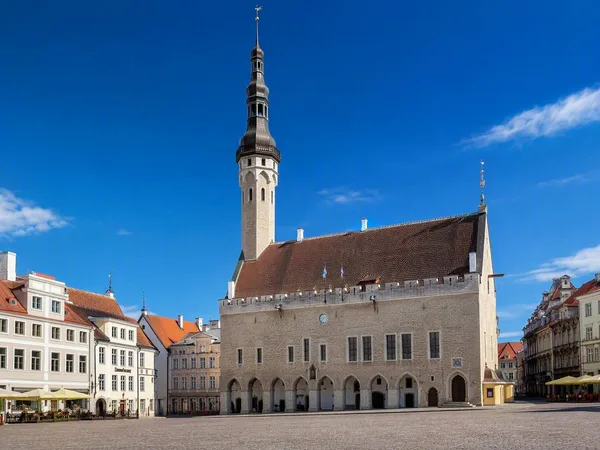
Tallinn
6 linked stories and routes
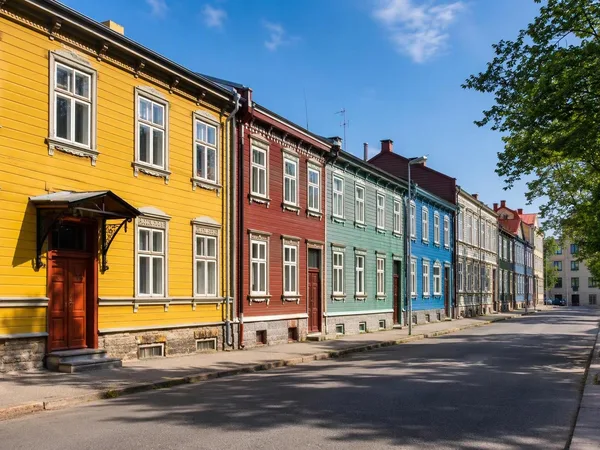
Kalamaja, Tallinn
3 linked stories and routes
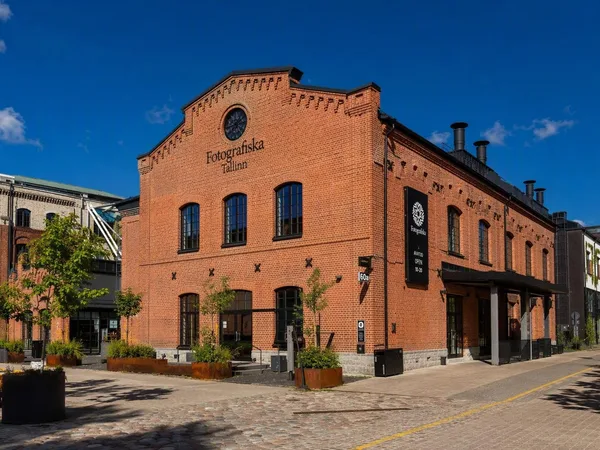
Telliskivi, Tallinn
3 linked stories and routes
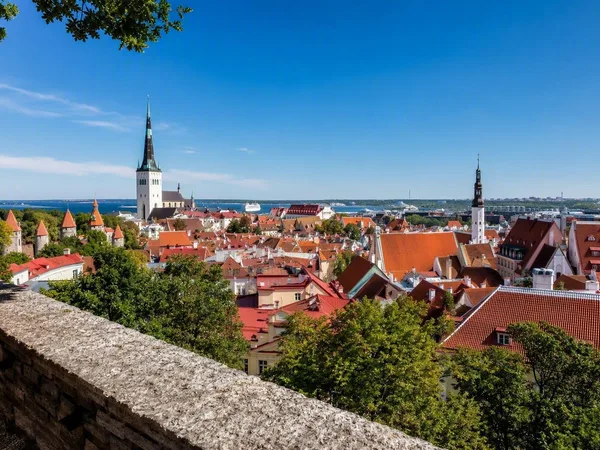
Toompea, Tallinn’s Upper Town
1 linked stories and routes
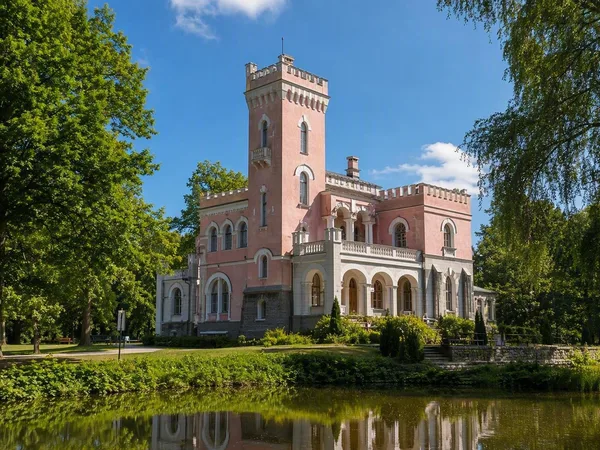
Nõmme
1 linked stories and routes
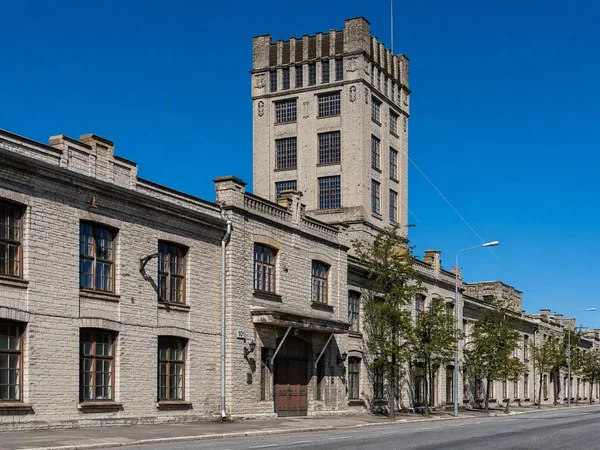
Kopli, Tallinn
1 linked stories and routes
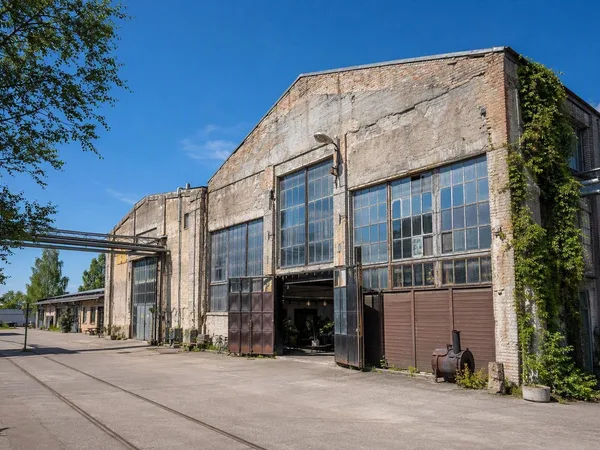
Põhjala Tehas
1 linked stories and routes
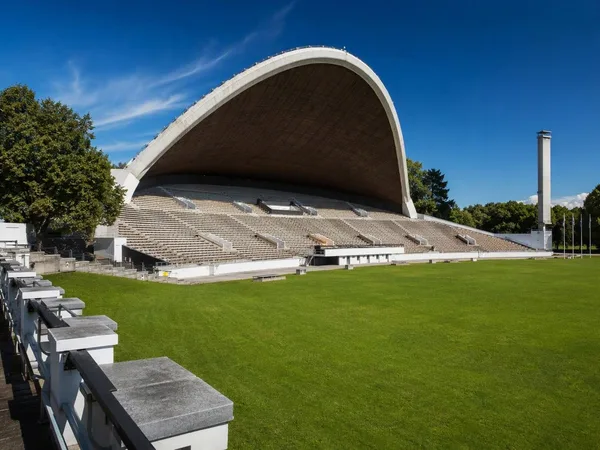
Lauluväljak
1 linked stories and routes