City · Turkmenistan
Ashgabat
Ashgabat is Turkmenistan’s capital, set between the Karakum Desert and the Kopet-Dag foothills. Its broad avenues, white-marble facades and formal monuments make it a sharply planned introduction to the country.
Read the city
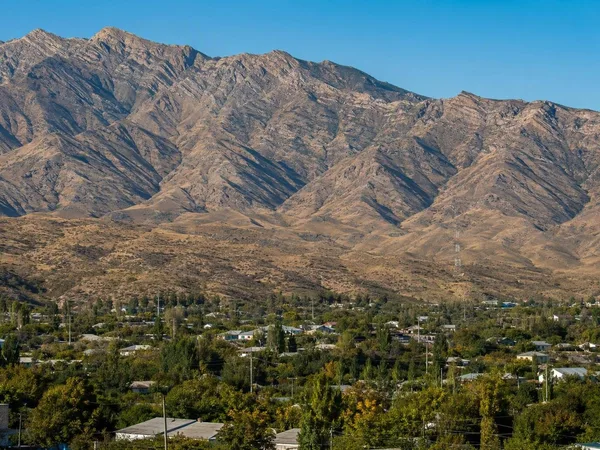
Ashgabat sits in an oasis at the northern foot of the Kopet-Dag range, with the Karakum Desert beginning to the north. Founded as a Russian military fort in 1881, it was extensively rebuilt after the 1948 earthquake and transformed again after independence.
The city is best understood as a series of monumental districts rather than a compact historic centre. Distances look short on a map but the avenues and parks are large; use a car or taxi between clusters and walk within each one.
Marble avenues and monuments
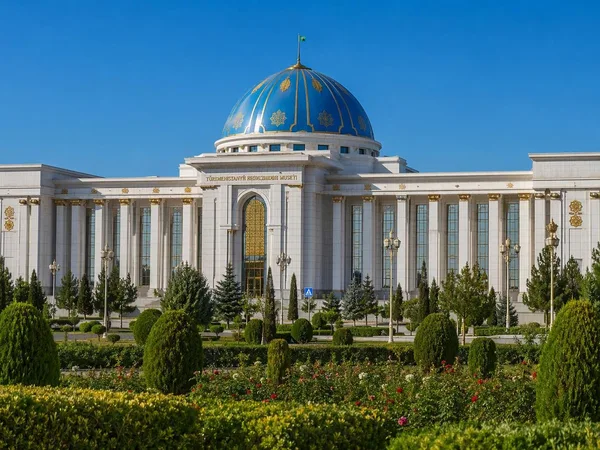
White marble is Ashgabat’s defining material. A 22-square-kilometre area recorded 543 marble-clad new buildings in 2013, giving the capital its unmistakably uniform, pale skyline.
Start with the formal ensembles around Independence Park and the Independence Monument, then follow the wide boulevards through landscaped grounds and fountains. The Neutrality Monument is another key landmark: a three-legged white structure associated with Turkmenistan’s policy of permanent neutrality.
Many major buildings are government premises rather than visitor attractions. Treat them as exterior landmarks and do not assume public entry.
Museums and design details
For a change of scale, visit the Turkmen Carpet Museum. Its collection shows the distinct geometric traditions of Turkmen weaving and includes an enormous handwoven carpet. It is the clearest place to examine the gul motifs that recur on carpets, civic decoration and the national flag.
The National Museum of Turkmenistan provides archaeological context before a visit to Nisa, with material from the Parthian site among its collections. Museum access, hours and photography rules can change, so have these stops incorporated into your local itinerary.
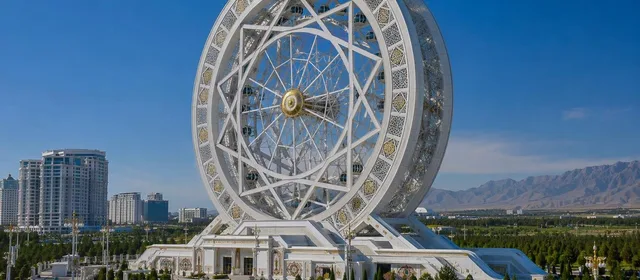
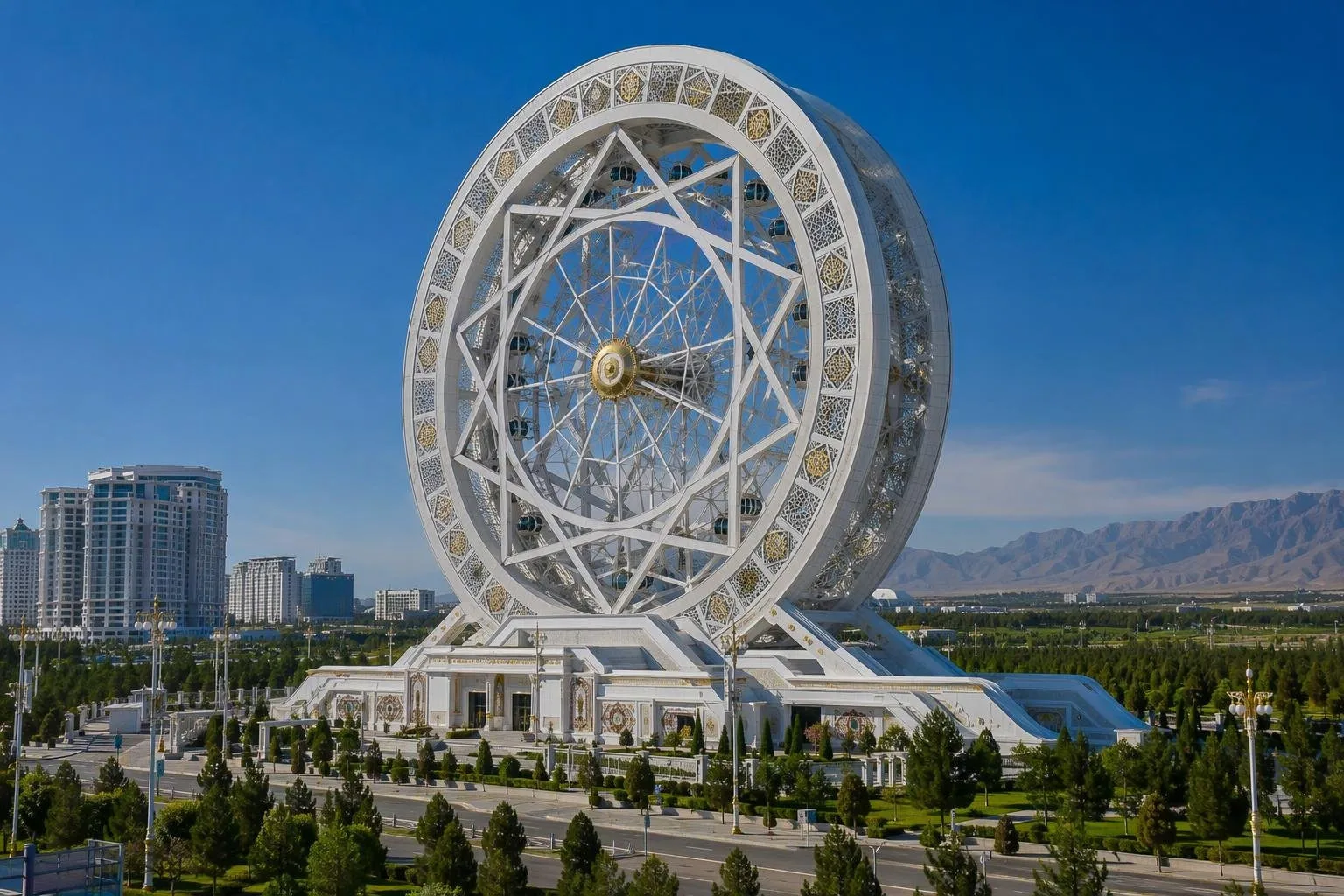
At the Alem Cultural and Entertainment Center, the Ferris wheel sits inside a glass-and-steel enclosure. The 47.6-metre wheel has 24 cabins and is one of the city’s most conspicuous modern structures.
Getting around and timing
Ashgabat International Airport is the country’s main air gateway. Within the city, use clearly marked licensed taxis or transport arranged by your hotel or guide; agree the fare before departure. Carry your passport and entry documents, as identity checks occur.
The dry summer heat is severe, so schedule outdoor monuments for early morning or late afternoon. Spring and autumn are more comfortable for moving between parks and plazas. The Kopet-Dag is most useful as a visual bearing: it anchors the southern skyline.
Essential rules
Photography needs restraint. It is illegal to photograph certain buildings and sensitive infrastructure. Do not photograph airports, police or military sites, embassies, government buildings or the presidential palace; ask before photographing any uncertain structure.
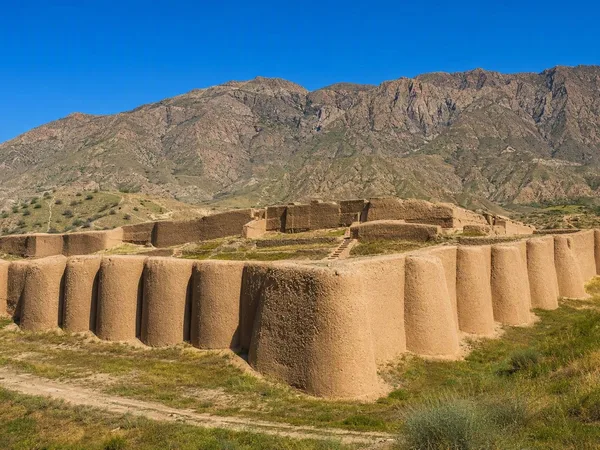
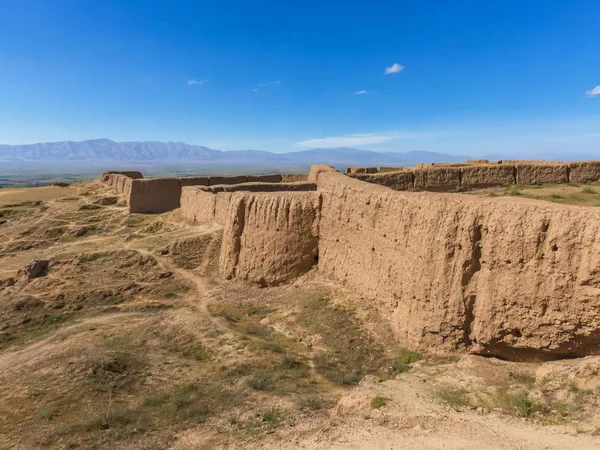
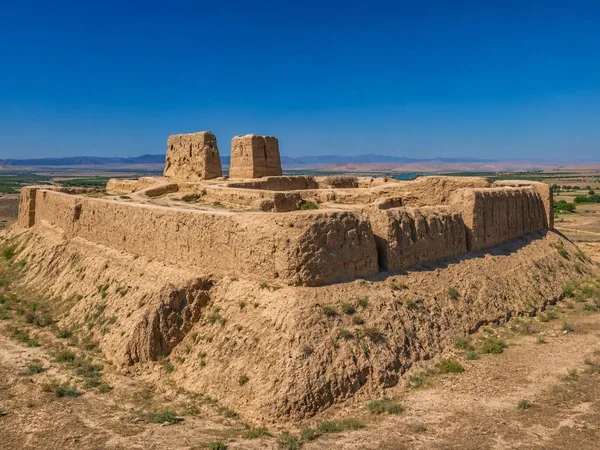
A visit to Old and New Nisa, near Bagyr west of the city, makes a strong half-day extension. The two eroded tells preserve a Parthian capital at the foot of the same mountain range; the city museums are the useful prelude, not a substitute for the site.
From the magazine
Stories about Ashgabat
Editorial stories linked directly to Ashgabat.
No stories about Ashgabat have been published yet.
Routes from our editors
Travel through Ashgabat
Editorial routes connecting Ashgabat with other countries, cities and hotspots.
No routes through Ashgabat have been published yet.
More in Turkmenistan
Related hotspots
Other cities, nature areas and places within Turkmenistan.