
Nature area · Philippines
Pasig River
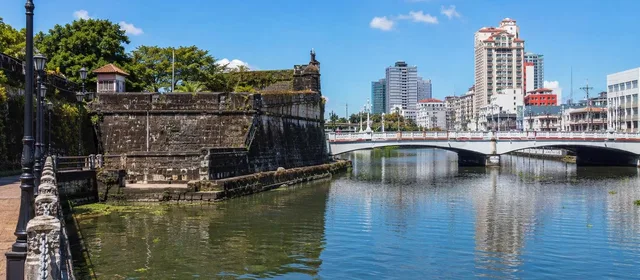
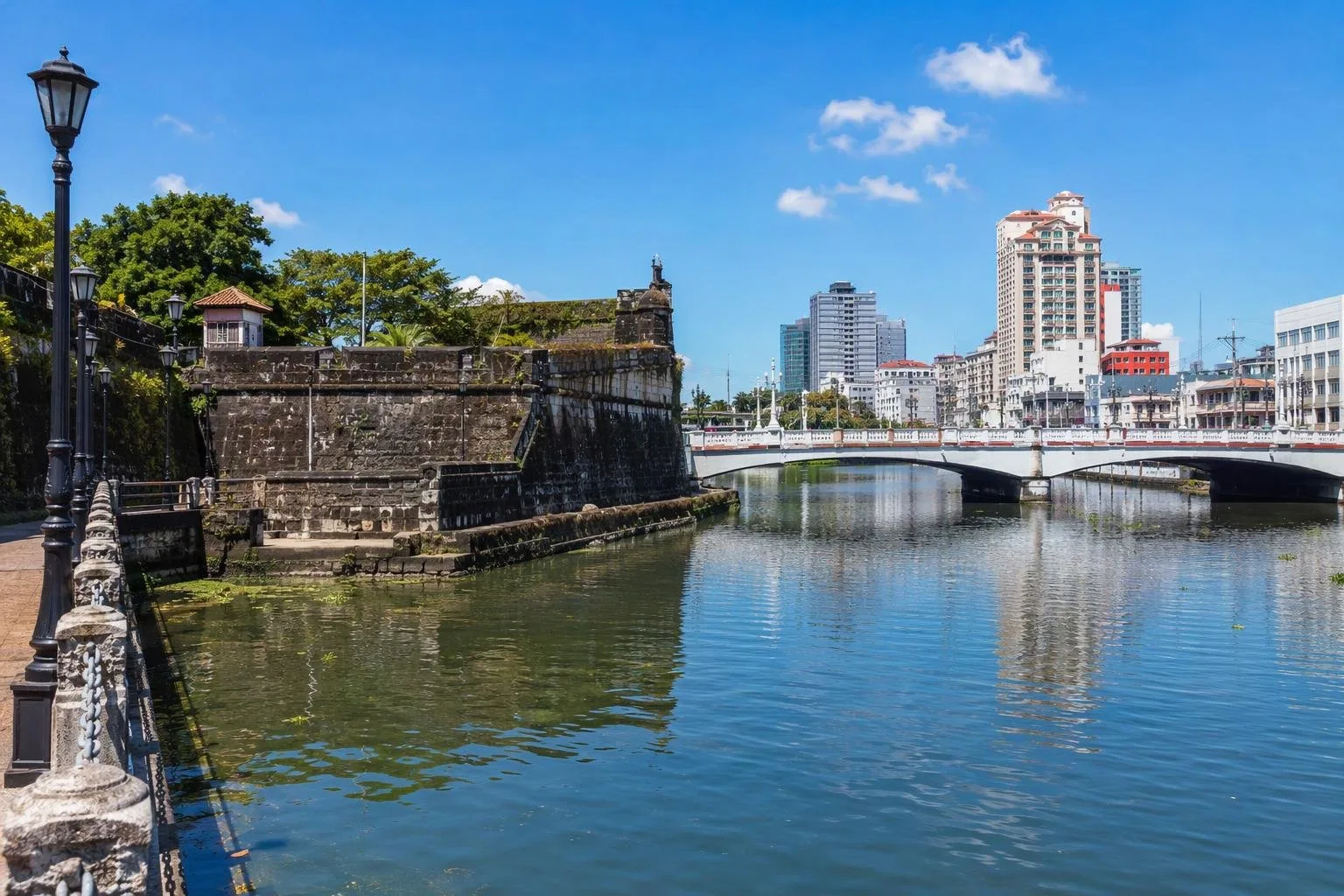
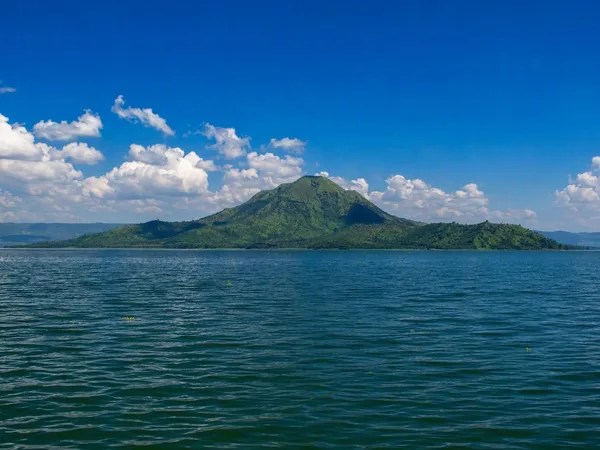
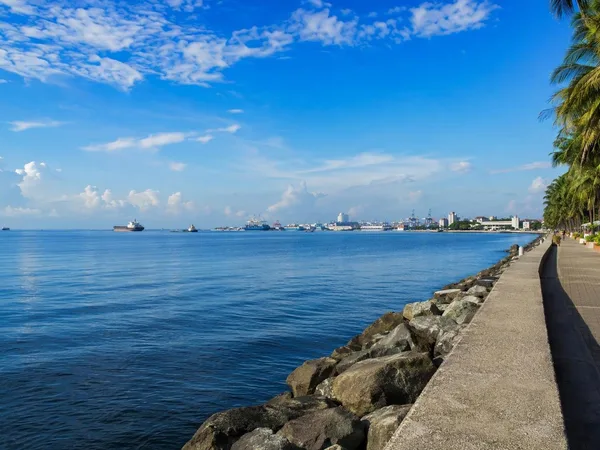
The Pasig River is Metro Manila’s historic waterway, linking Laguna de Bay to Manila Bay. Its most accessible heritage stretch runs between Intramuros, Jones Bridge and Escolta in central Manila.
The river at Manila’s old centre
The Pasig is a tidal urban river running from Laguna de Bay to Manila Bay. Near its mouth, it separates the walled city of Intramuros from the old commercial districts of Binondo and Escolta. This is the most useful section for a short riverside walk: bridges, fortifications, ferry landings and former trading streets sit within a compact area.
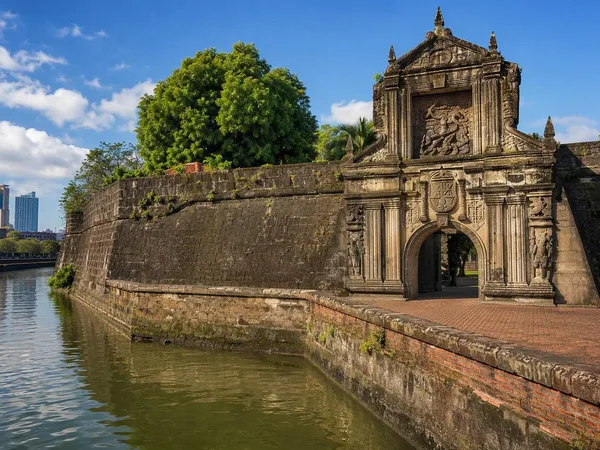
The river was the commercial artery of pre-colonial and Spanish Manila. Controlling its mouth meant controlling access between the bay, the river and the settlements inland. Cargo once passed the fort’s riverfront warehouses on its way into colonial Manila.
Walk the Intramuros bank
The Pasig River Esplanade has made the southern bank a practical pedestrian route. Start around the Manila Central Post Office or Jones Bridge, then follow the river west toward Plaza México, Maestranza Esplanade and Fort Santiago.
- Plaza México: A riverside square whose name recalls the Manila–Acapulco galleon connection.
- Maestranza Esplanade: The stretch beside Intramuros’ old walls, built for walking and cycling.
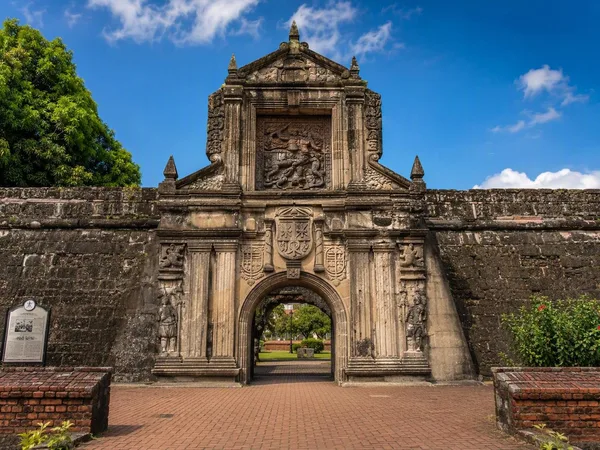
- Fort Santiago Riverwalk: A 305-metre riverwalk linking the esplanade to Fort Santiago. The Postigo Nuestra Señora de Soledad river gate provides a second entrance to the fort.
The route is strongest as an orientation walk rather than a waterfront escape: look across to the dense commercial buildings on the north bank, then turn inland for Fort Santiago and the rest of Intramuros.
Cross to Escolta and Binondo
Jones Bridge is the obvious crossing near the eastern end of the esplanade. On the north side, Escolta runs roughly parallel to the river. Its location began as a quay-side trading advantage and later made it one of Manila’s principal streets for banks, department stores, cinemas and offices.
Use the crossing to combine the river with two contrasting city walks. Go west and south for Intramuros’ fortifications; go north and east for Escolta’s surviving commercial architecture and onward into Binondo. The Escolta ferry landing is also close to Jones Bridge.
Take the ferry
The Pasig River Ferry is a working public route, not a sightseeing cruise. It connects Escolta with stations through Manila, Mandaluyong, Makati and Pasig City. Escolta is the western terminus; Guadalupe is useful for the MRT-3, while Quinta serves Quiapo.
Bring a valid ID for registration and arrive early: capacity is limited and departures can be disrupted by severe weather or river conditions. Photography is restricted when passing the Malacañang Palace area. The ferry operates in daytime, with no regular Sunday service.
Use the riverfront well
Walk the esplanade in daylight or early evening, when the river, bridge and fort walls are easiest to read. The waterway remains under rehabilitation and is not a swimming venue. Keep to the paved public paths, use designated crossings, and treat the ferry as transport with a view rather than a timed connection.
From the magazine
Stories about Pasig River
Editorial stories linked directly to Pasig River.
No stories about Pasig River have been published yet.
Routes from our editors
Travel through Pasig River
Editorial routes connecting Pasig River with other countries, cities and hotspots.
No routes through Pasig River have been published yet.
More in Philippines
Related hotspots
Other cities, nature areas and places within Philippines.
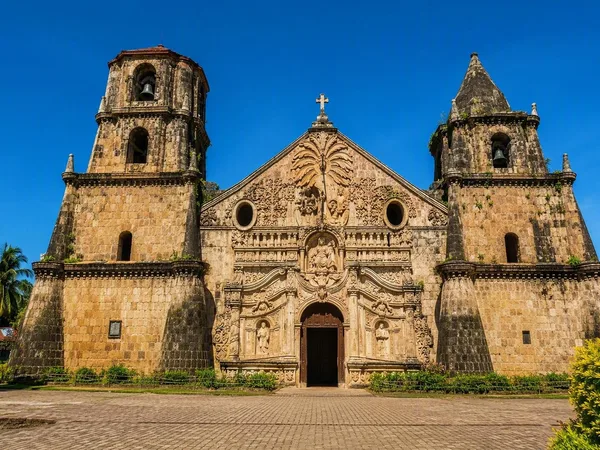
Iloilo Province
1 linked stories and routes
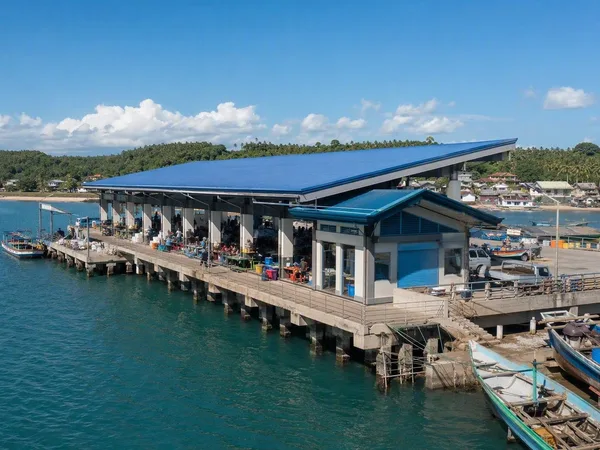
Concepcion, Iloilo
1 linked stories and routes

Nacpan Beach, El Nido
1 linked stories and routes
Laguna de Bay
1 linked stories and routes
Manila
1 linked stories and routes
Manila Bay
1 linked stories and routes
Intramuros
1 linked stories and routes
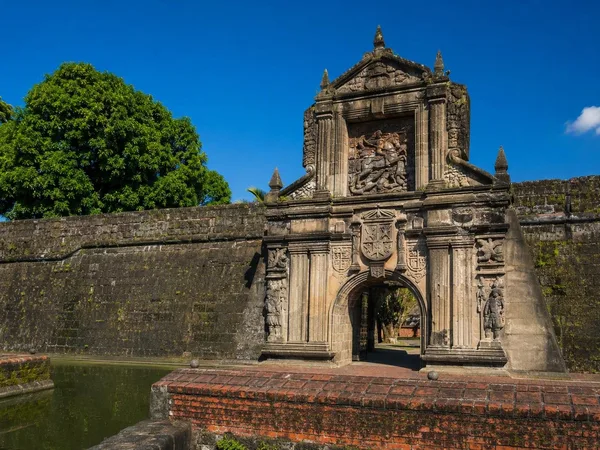
Fort Santiago
1 linked stories and routes
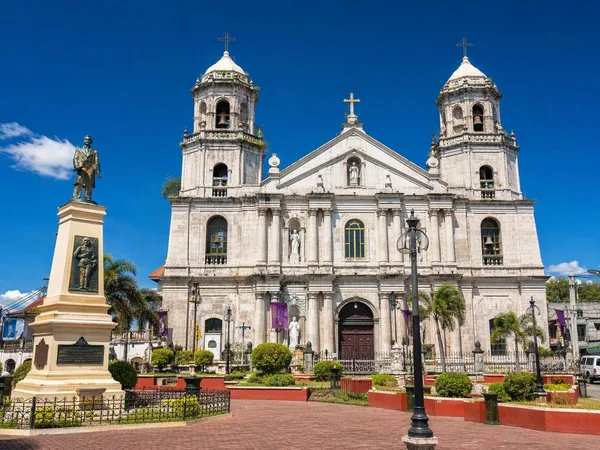
Tondo
1 linked stories and routes
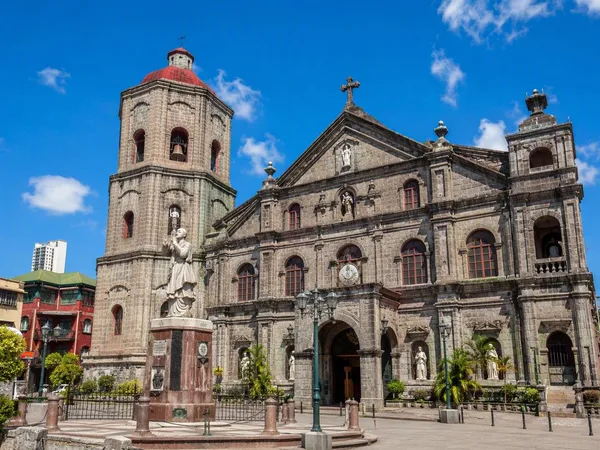
Binondo
1 linked stories and routes
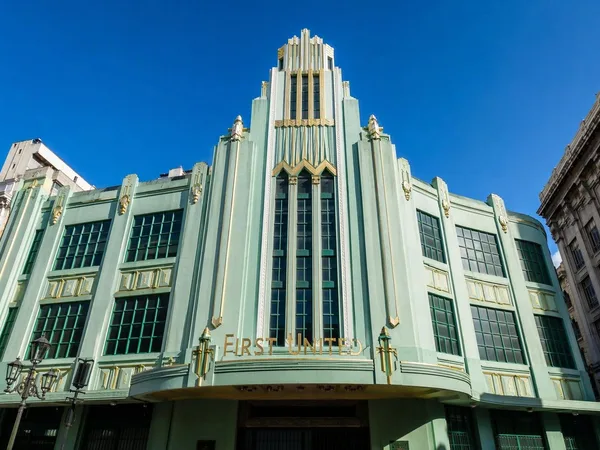
Escolta
1 linked stories and routes
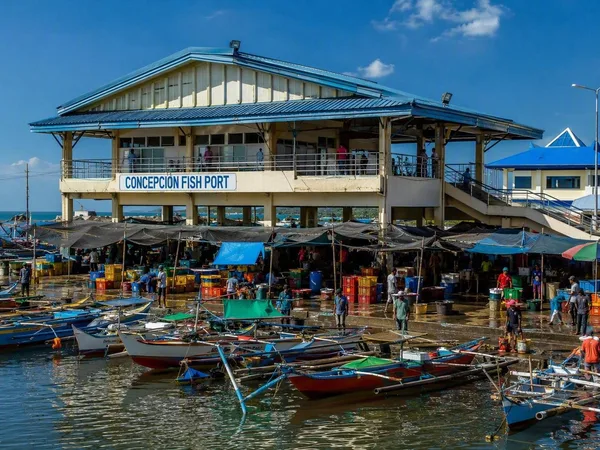
Concepcion, Iloilo
0 linked stories and routes