Philippines

Islands, terraces and living traditions

Philippines

More than 7,000 islands bring together coral lagoons, volcanic highlands and communities shaped by trade and migration.

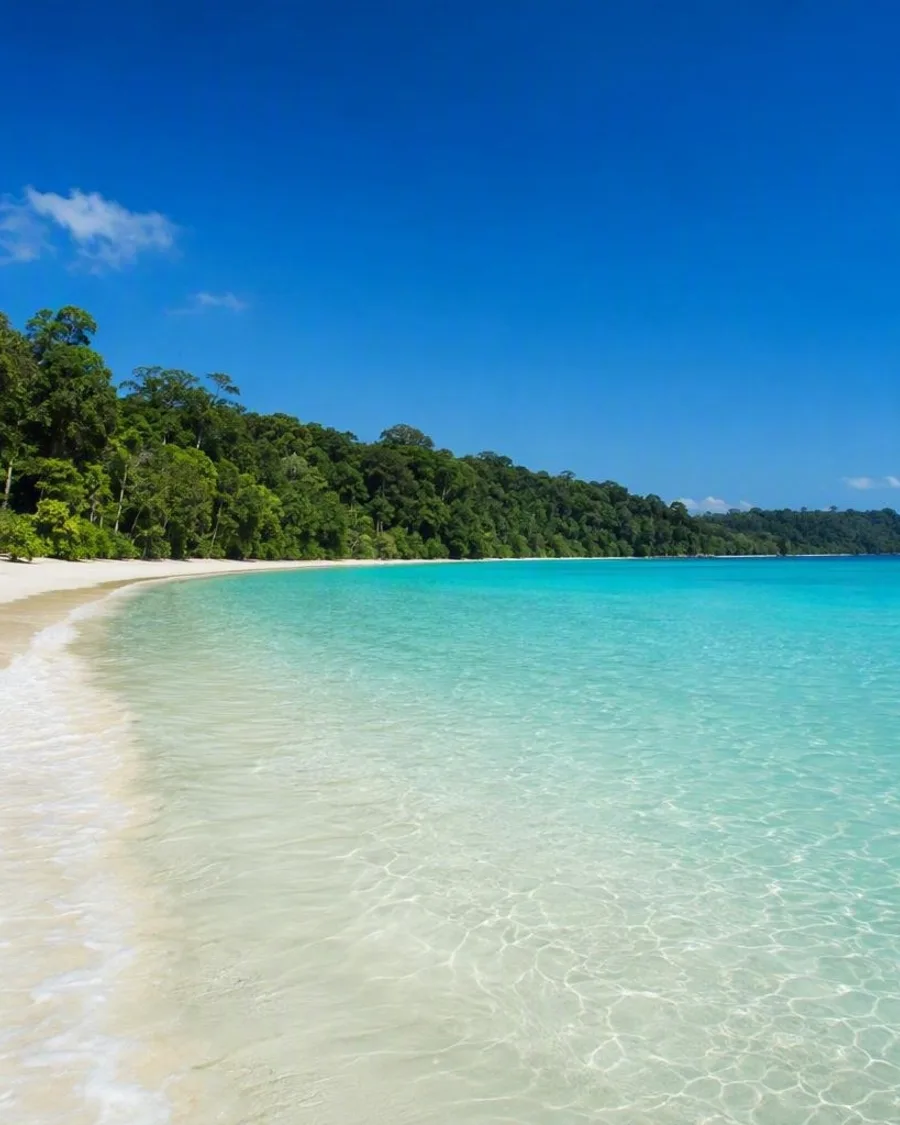
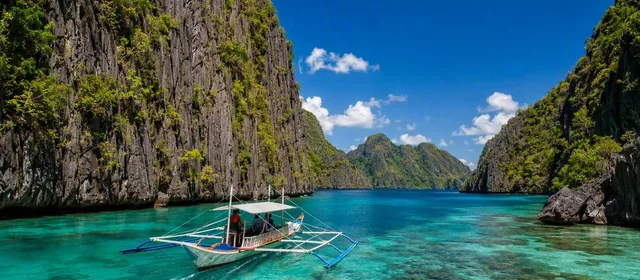
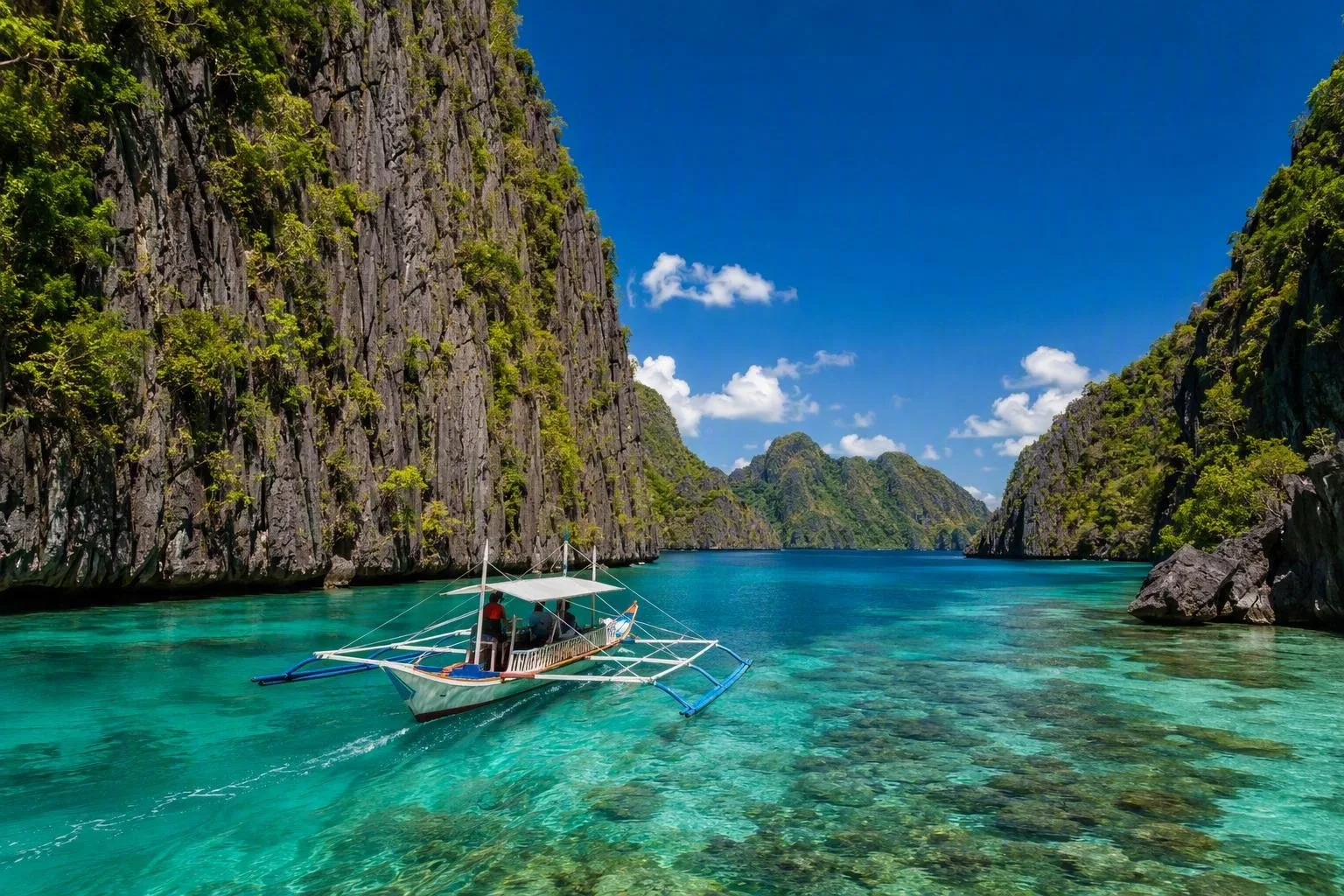
Palawan’s outrigger boats pass through clear lagoons beneath limestone cliffs. In northern Luzon, Ifugao farmers work rice terraces on steep mountain slopes. Manila runs on jeepneys, food stalls and basketball courts packed after school. The same country holds all three, yet water and mountains have long kept many communities apart. More than a hundred languages are spoken across the islands, and cooks use the fish, fruit, rice and vegetables closest to home.

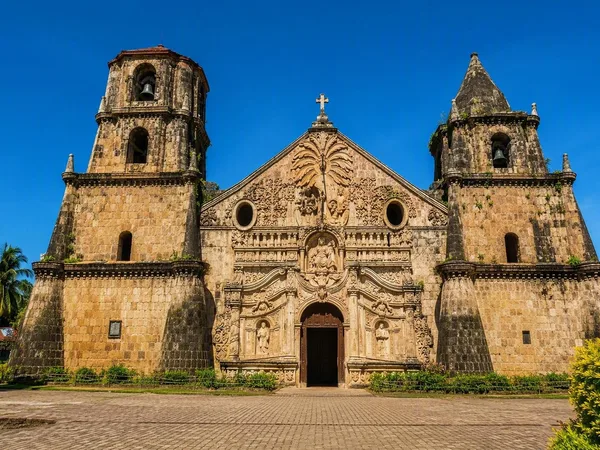
Trade, migration and colonial rule left clear traces in the streets. Manila’s Intramuros still has stone walls and churches from the Spanish period. In Vigan, houses built by Chinese-Filipino merchants line narrow streets. Cebu combines early colonial landmarks with one of the country’s busiest ports. In Mindanao, brasswork, woven textiles and mosques reflect Muslim communities and long links with the Malay world.

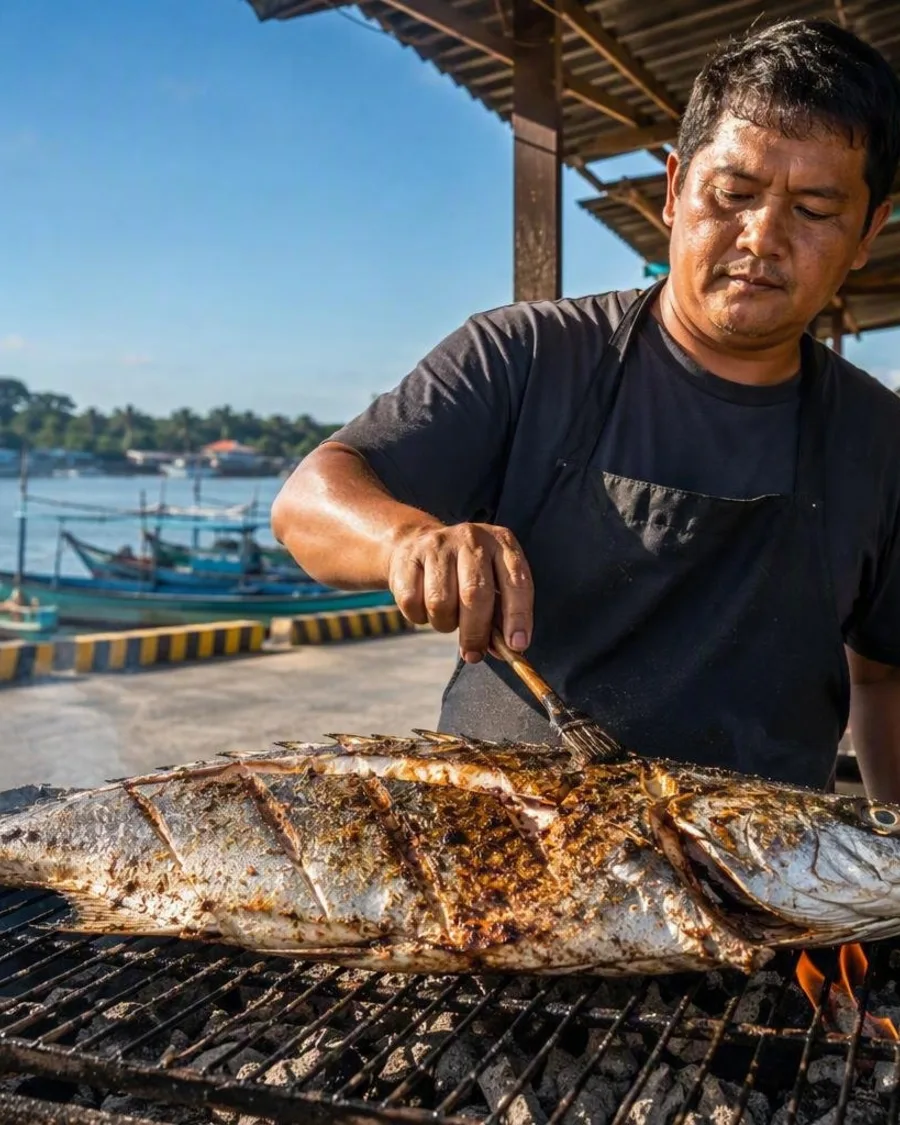
Food offers an easy way into these differences. Kinilaw pairs raw fish with vinegar and citrus. Adobo changes from province to province and from one family kitchen to the next. Before work and school, bakeries sell warm, soft pan de sal. The beaches draw plenty of attention, but markets, farms, neighbourhoods and kitchens reveal the country at a closer pace. Stay long enough to visit more than one island, then settle in for a meal and a conversation.

When to go

Best time to travel

Monthly values are indicative average maximum temperatures for Manila and the surrounding lowlands of Luzon. Temperatures and rainfall vary meaningfully between island groups, coasts, mountains and seasons. Monthly values are indicative average maximum temperatures for Manila and the surrounding lowlands of Luzon. Temperatures and rainfall vary meaningfully between island groups, coasts, mountains and seasons.

jan30.2°C feb31.1°C mar32.8°C apr34.3°C may34°C jun32.6°C jul31.5°C aug31.2°C sep31.5°C oct31.6°C nov31.3°C dec30.5°C

Weather in the capital

Practical Philippines

On every country page we show the current weather for the capital.

Manila
Morning27°Cdrizzle
Afternoon29°Cthunderstorm
Evening25°Cdrizzle
today30°C / 25°Chigh and low

Current forecast by Open-Meteo

Getting around

Flights cover long distances between island groups, while ferries connect many nearby islands. Buses and vans serve larger towns, and jeepneys and tricycles cover shorter local trips.

Paying locally

Cards are common in cities and larger resorts, but cash is useful at markets, small restaurants, on local transport and on less developed islands. Urban centres have the most ATMs.

Where to stay

Options range from city hotels and beach resorts to guesthouses and homestays. Rooms often fill around Christmas, Holy Week and major local festivals, so book ahead for those periods.

Before you leave

Worth knowing

A practical starting point for your trip. Check current conditions and local information before you leave.

01

Languages

Filipino and English are official languages. Cebuano, Ilocano, Hiligaynon, Waray and many other languages shape daily conversation in different regions.

02

Calling code

The international calling code is +63. When calling from abroad, drop the initial zero from a local area or mobile code.

03

Driving

Traffic keeps to the right, and drivers normally overtake on the left. Road markings and lane discipline vary between cities and rural areas.

04

Ferries

Passenger services range from small local boats to large overnight vessels. Routes and operators set their own schedules, and holiday sailings can sell out.

05

Domestic flights

Flights link the main island groups through hubs including Manila, Cebu, Clark and Davao. Smaller airports serve many provincial and island destinations.

06

Local transport

Jeepneys follow fixed or semi-fixed routes in many towns and cities. Tricycles cover short neighbourhood trips, while buses, vans and rail services operate on selected routes.

07

Tipping

Some restaurants and hotels add a service charge. Where they do not, a tip of about 5–10% is appreciated but not compulsory. Small change is also common for personal services.

08

Meals

People often eat three main meals and merienda, a morning or afternoon snack. Diners commonly share several dishes from the centre of the table with rice.

09

Mobile access

Prepaid SIM cards and data packages are widely available. SIM registration requires identification, and coverage can weaken on remote islands and in mountain areas.

10

Business hours

Banks generally open on weekdays. Many shopping centres open daily from late morning into the evening, while independent businesses often keep shorter local hours.

11

Measurements

The Philippines uses the metric system for distance, weight and temperature. People still use feet and inches for height, and screen sizes commonly appear in inches.

12

Polite address

People readily use titles such as Sir, Ma’am, Attorney and Doctor. In Tagalog-speaking areas, po adds respect, while Ate and Kuya can politely address older people outside the family.

Cities and hotspots

Places worth saving

From city to nature reserve: places with stories, facts and tips.