Province · Philippines
Iloilo Province
Iloilo occupies southeastern Panay in the Western Visayas, Philippines. It combines a southern route of historic churches with northern fishing towns, offshore islands and a food culture built on rice and seafood.
Know the province
Iloilo is a large, varied province rather than a single destination. Its administrative capital is Iloilo City, a separate highly urbanized city and the practical base for transport, hotels and restaurants. Beyond it, the province spreads across rice country, uplands, a long coastline and island groups off the north coast.
Use the city as a hub, then choose a direction. A single day is enough for one focused route; attempting the south-coast heritage towns and the northern islands together is inefficient.
Heritage route in the south
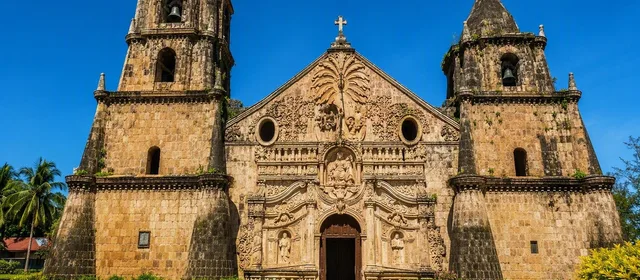
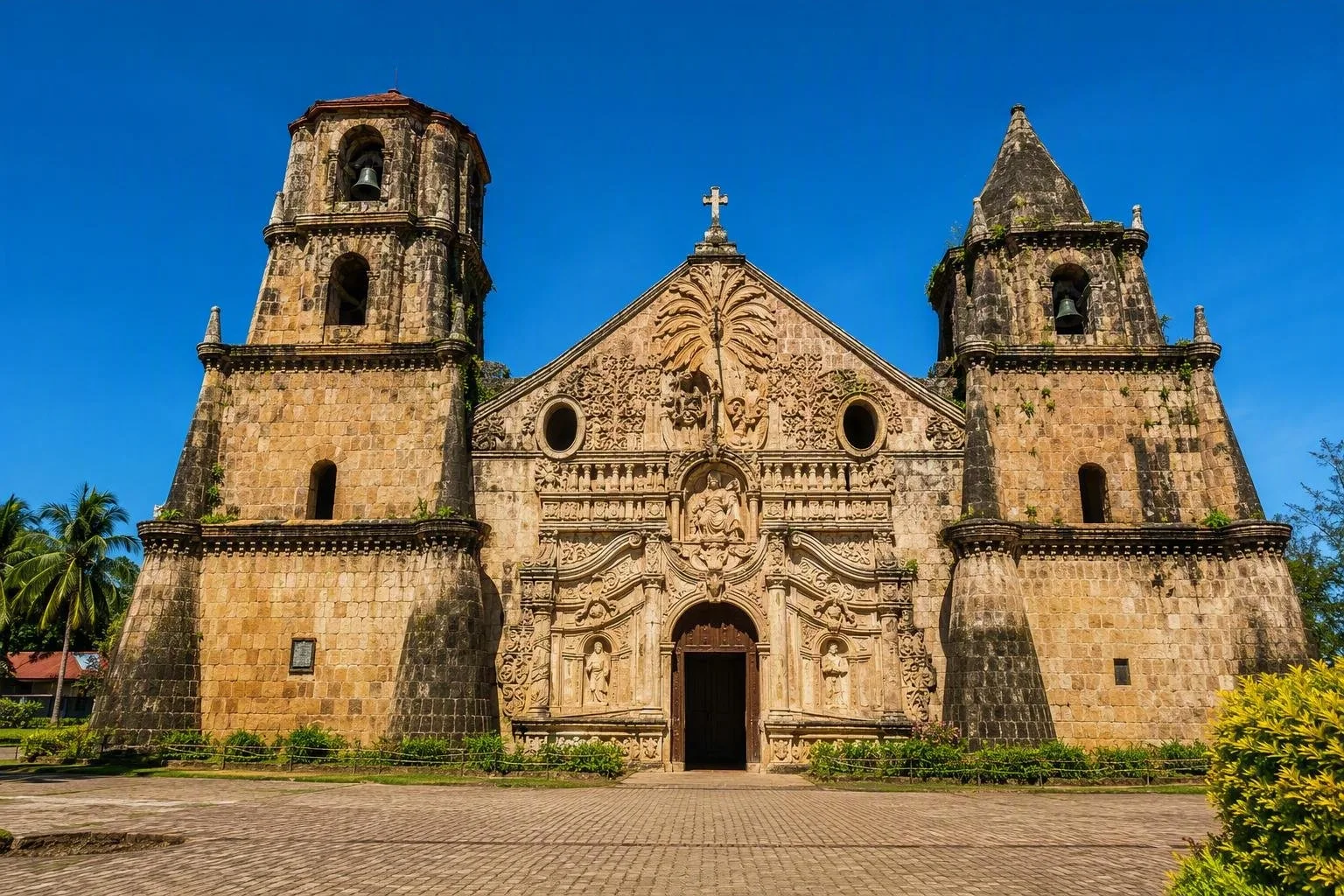
The essential historic stop is Miagao Church, the Church of Santo Tomas de Villanueva. Completed in 1797, it forms part of the UNESCO-listed Baroque Churches of the Philippines. Its deep-set, fortress-like mass is deliberate: the church was built for worship and defence.
Stand back to read the façade. Saint Christopher carries the Christ Child amid a distinctly local carved landscape of coconut, banana, papaya and guava motifs; unequal bell towers frame the composition.
- Getting there: Miagao lies about 40 km southwest of Iloilo City on the coastal road.
- Church etiquette: It is an active parish. Dress modestly, keep voices low and do not interrupt services.
- Build a route: Continue along the southern coast through Guimbal and San Joaquin rather than treating Miagao as an isolated photo stop.
Northern coast and islands
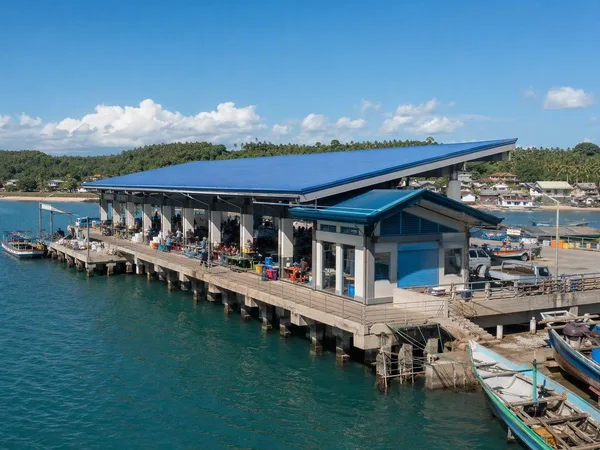
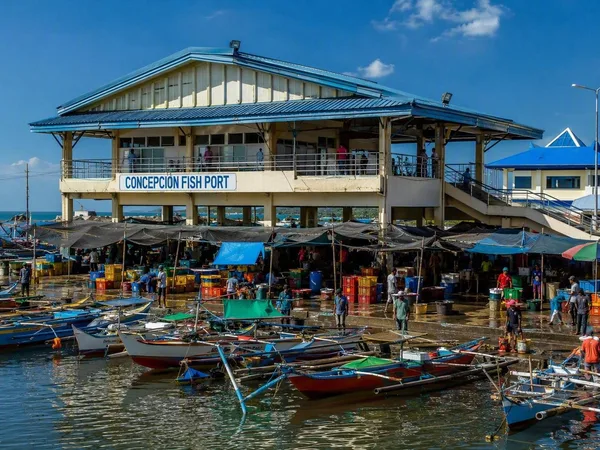
Concepcion and Carles are the departure areas for Iloilo’s northern seascape. The province’s official tourism profile points to the caves of the Gigantes islands, Sicogon and the profile of Pan de Azucar Island; these are separate excursions, not extensions of a city walk.
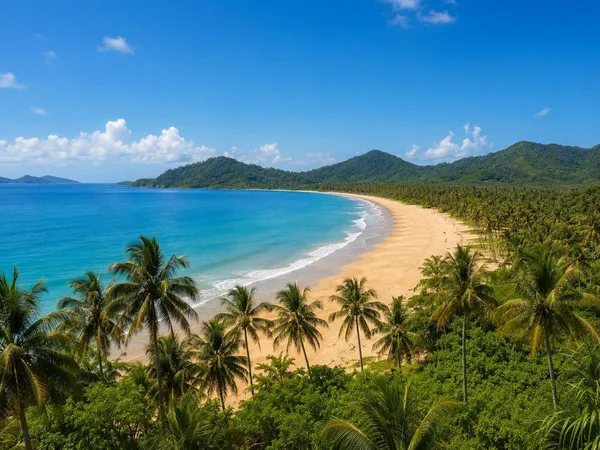
Islas de Gigantes is an island group in Carles with limestone formations, beaches and coves. Boat travel is central to the experience and conditions govern access. September can bring rough southwest-monsoon seas; Tangke Lagoon has been subject to a September closure for safety and ecological recovery. Treat weather and local boat instructions as decisive.
Pan de Azucar, off Concepcion, is more lightly developed. Its Mount Manaphag and coastal landscapes are real draws, but water, power, telecommunications and road provision can be limited. Go prepared for a basic island stay rather than resort-level convenience.
Eat from the coast and fields
Rice is the province’s major crop, while fish and marine products support communities on both the northern and southern coasts. That link is plain in markets and cooking stalls.
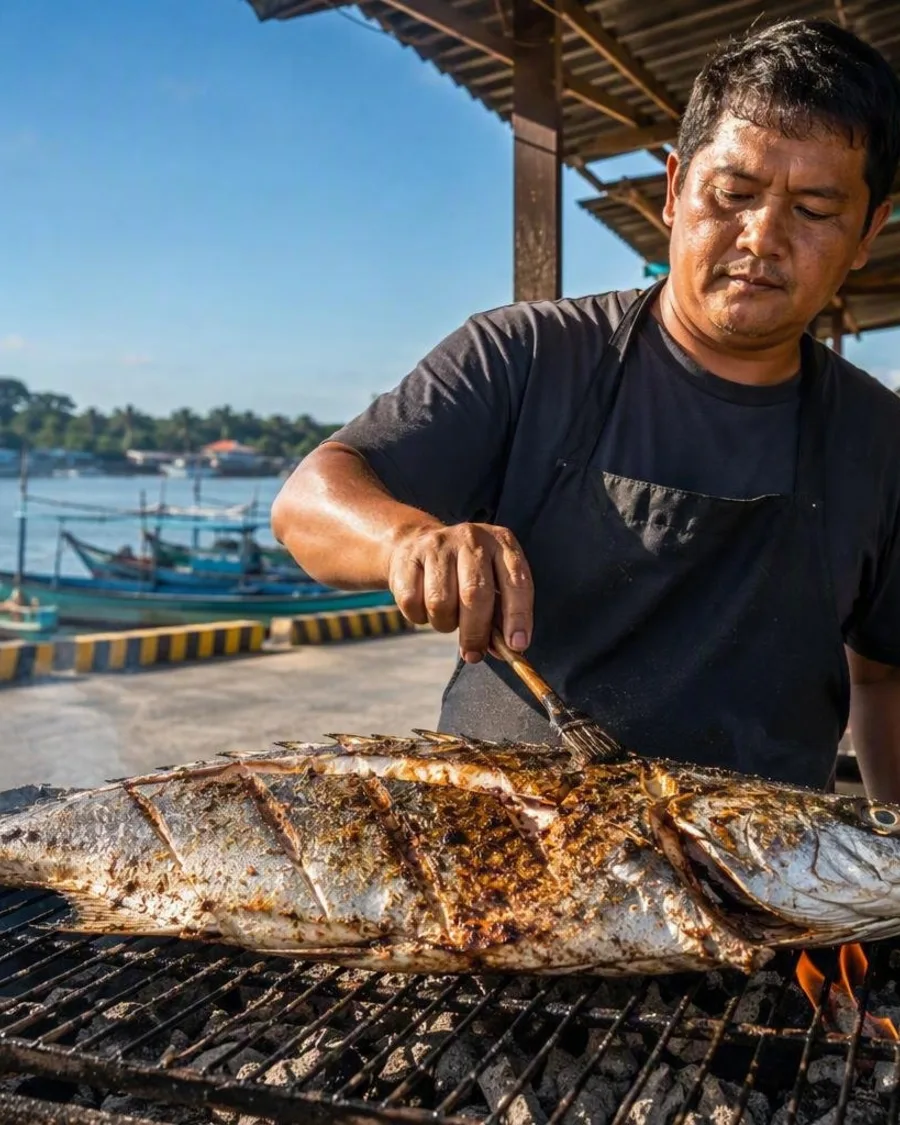
Look for bulad—salted, dried fish—fried for breakfast with garlic rice, egg, tomato and sharp local vinegar. Fresh seafood is equally direct in coastal towns: buy from a market where available, then ask a nearby paluto stall to grill, fry, stew or sour-braise it. In the city, seek out La Paz batchoy and pancit Molo as Iloilo standards, not interchangeable generic noodle soups.
Moving around
Public buses and jeepneys connect Iloilo City with major provincial towns, but island departures and upland detours require more time and less certainty. A private vehicle makes the southern heritage corridor straightforward; island trips depend on boat schedules and sea conditions.
Plan northern islands as overnight or early-start trips. Keep cash for small towns and docks, and avoid building a tight same-day connection around a boat crossing.
From the magazine
Stories about Iloilo Province
Editorial stories linked directly to Iloilo Province.
Routes from our editors
Travel through Iloilo Province
Editorial routes connecting Iloilo Province with other countries, cities and hotspots.
No routes through Iloilo Province have been published yet.
More in Philippines
Related hotspots
Other cities, nature areas and places within Philippines.