
Sight · Philippines
Fort Santiago
Fort Santiago is a 16th-century citadel at the Pasig River mouth in Intramuros, Manila. Its walls, prison spaces and Rizal Shrine trace the city’s colonial rule, wartime violence and struggle for independence.
What this fort is
Fort Santiago occupies the northwestern edge of Intramuros, where the Pasig River meets Manila Bay. The first Spanish fort of 1571 replaced an earlier palisaded settlement associated with Maynila. After that structure was destroyed in 1574, a stone fort was built between 1589 and 1592.
This was Manila’s strategic river-and-bay gateway: a military headquarters, storehouse and prison under successive Spanish, British, American and Japanese occupations. It was heavily damaged during the 1945 Battle of Manila, then restored and declared a Shrine of Freedom. Treat it as a site of remembrance as much as a piece of military architecture.
Read the layout
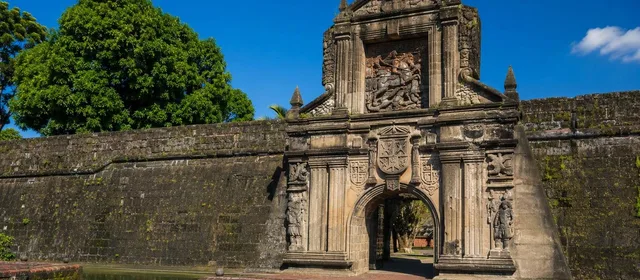
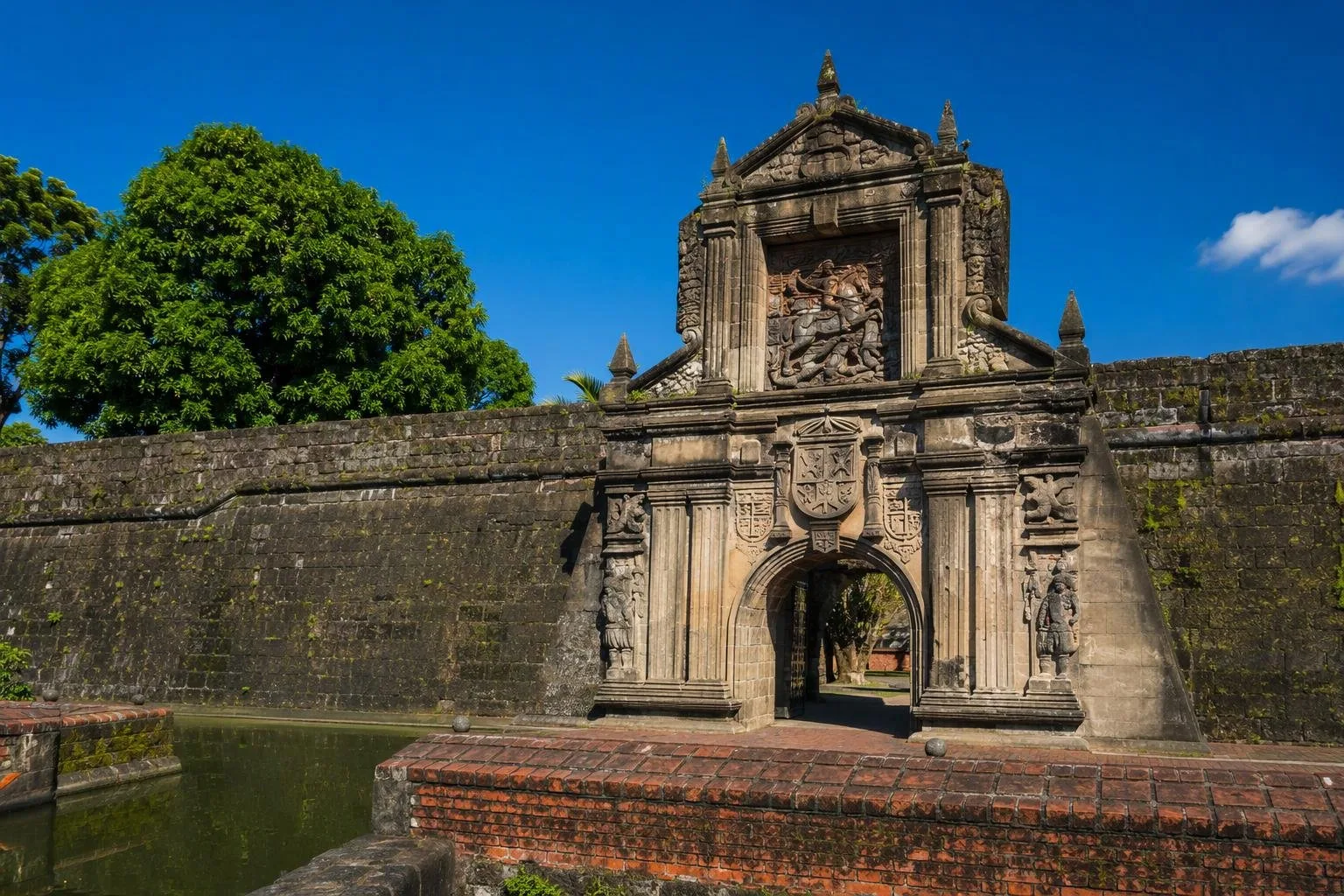
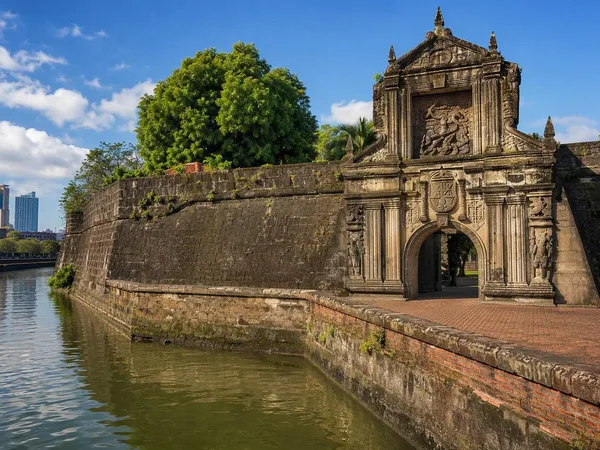
Enter from Plaza Moriones and pass through the reconstructed main gate. Its façade carries a relief of Santiago Matamoros, Saint James, the fort’s namesake. Beyond it, the grounds open into plazas, gardens, surviving walls and ruins rather than a single intact castle.
Key features include:
- Plaza de Armas, the fort’s central open space.
- The moat, once connected to both river and bay, which helped make the fort an island-like stronghold.
- Baluartillo de San Francisco Javier, a 1662 seafront defensive work whose chambers now house the visitor centre.
- Almacenes Reales, the remains of royal warehouses used for river-borne goods and supplies.
The river-facing walls make the original defensive logic clear. Pause here for views over the Pasig, but do not expect a pristine colonial complex: reconstruction and wartime destruction are part of what the site records.
Rizal and wartime memory
Fort Santiago is inseparable from José Rizal’s final imprisonment. He was held here for 56 days, from 3 November to 29 December 1896, before his execution at Bagumbayan, now Rizal Park. The rebuilt brick barracks contain the Museo ni Rizal, with his cell, personal effects and material on his final days. Bronze footprints mark the route associated with his last walk.
The fort was also used as a prison during the Japanese occupation. The former chambers at Baluartillo de San Francisco Javier and the Wall of Martyrs address this history directly. These are memorial spaces; keep the tone and pace respectful.
Visiting well
Allow time to walk the outdoor grounds and read the Rizal displays rather than treating the gate as the whole visit. The site combines paved paths with old stonework, steps and uneven surfaces; sturdy footwear is useful, especially after rain.
Start at the ticket booth and visitor centre near the entrance for current access information. Fort Santiago sits at the river end of Intramuros, making it a logical first or last stop in a walking circuit of the walled district. The exposed grounds are most comfortable early or later in the day; carry water and allow shade breaks.
From the magazine
Stories about Fort Santiago
Editorial stories linked directly to Fort Santiago.
No stories about Fort Santiago have been published yet.
Routes from our editors
Travel through Fort Santiago
Editorial routes connecting Fort Santiago with other countries, cities and hotspots.
No routes through Fort Santiago have been published yet.
More in Philippines
Related hotspots
Other cities, nature areas and places within Philippines.
Iloilo Province
1 linked stories and routes
Concepcion, Iloilo
1 linked stories and routes
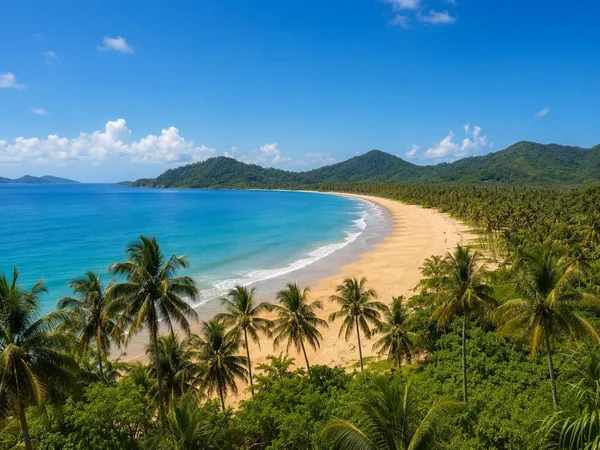
Nacpan Beach, El Nido
1 linked stories and routes
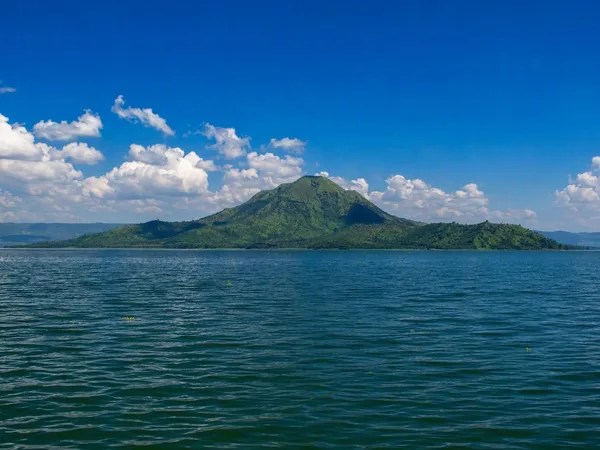
Laguna de Bay
1 linked stories and routes
Manila
1 linked stories and routes
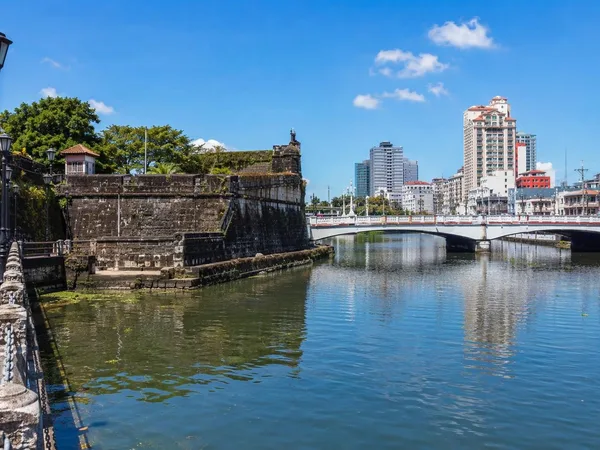
Pasig River
1 linked stories and routes
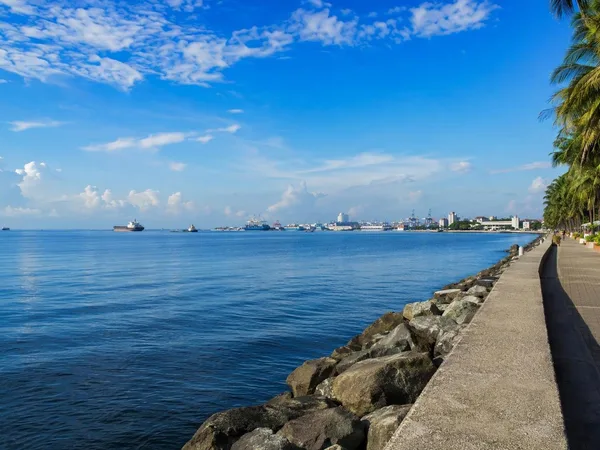
Manila Bay
1 linked stories and routes
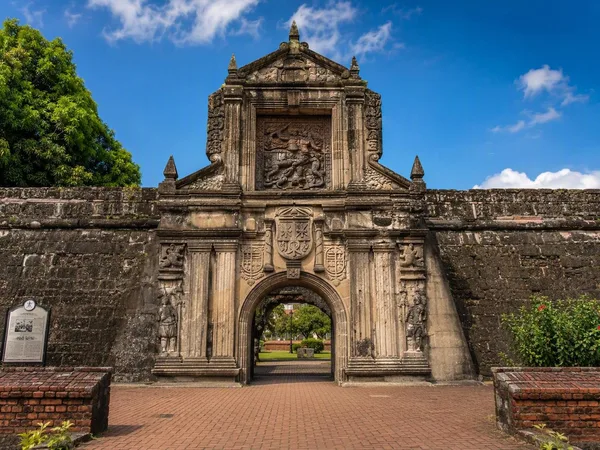
Intramuros
1 linked stories and routes
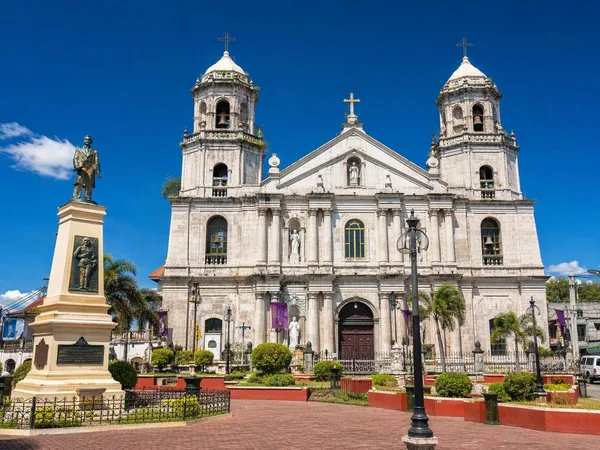
Tondo
1 linked stories and routes
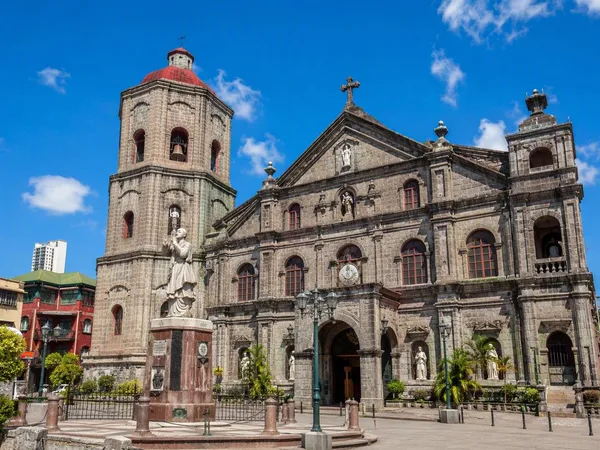
Binondo
1 linked stories and routes
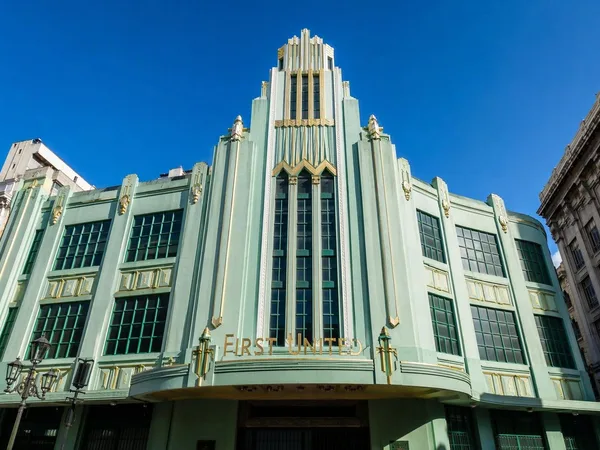
Escolta
1 linked stories and routes
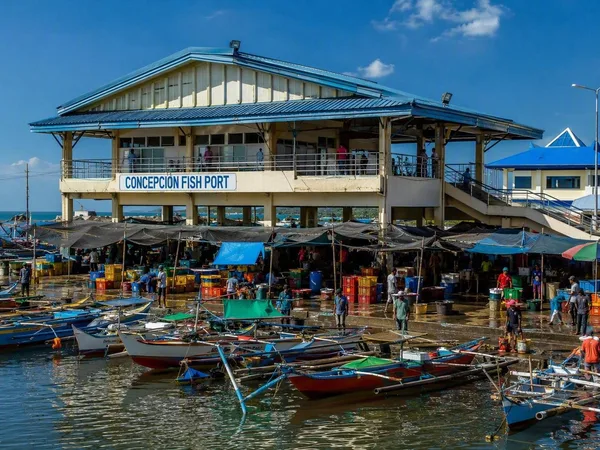
Concepcion, Iloilo
0 linked stories and routes