
Neighbourhood · Philippines
Binondo
Binondo is Manila’s historic Chinatown, immediately north of the Pasig River and opposite Intramuros. Founded in 1594 as a settlement for Chinese converts, it remains a compact district of worship, trade, specialist shops and Chinese-Filipino food.
Orientation
Binondo occupies the north bank of the Pasig River in central Manila. Jones Bridge is the clear southern approach from Intramuros; its restored classical lamps and sculptures make the crossing a useful starting point. The district is tight, walkable and commercially active rather than a preserved precinct: sidewalks narrow, vehicles press through the streets, and shops occupy much of the ground floor.
The key walking spine is Ongpin Street. It runs through the Chinatown core, with jewelry sellers, herbal shops, groceries, bakeries and restaurants. Escolta Street, nearer the river, adds a different layer: early-20th-century commercial buildings and the former banking-and-trading corridor.
Why Binondo matters
Spanish authorities established Binondo in 1594 across the river from the walled city for Chinese residents known as sangleys who had converted to Catholicism. Its location separated the community from Intramuros while keeping it close to Manila’s trading life. Over the centuries it developed into a Chinese-Filipino residential and commercial centre.
That history is still legible in the mix of Catholic, Buddhist and mercantile places. Foreign trading houses also operated here in the nineteenth century, and Escolta retains surviving commercial architecture from Manila’s later period as a business centre.
Key stops
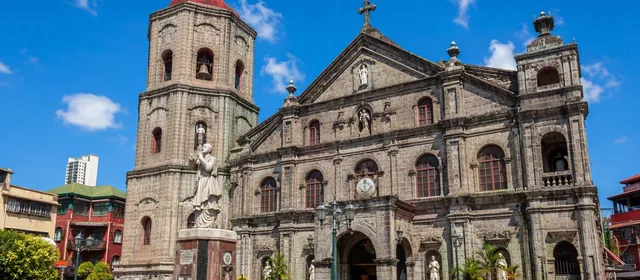
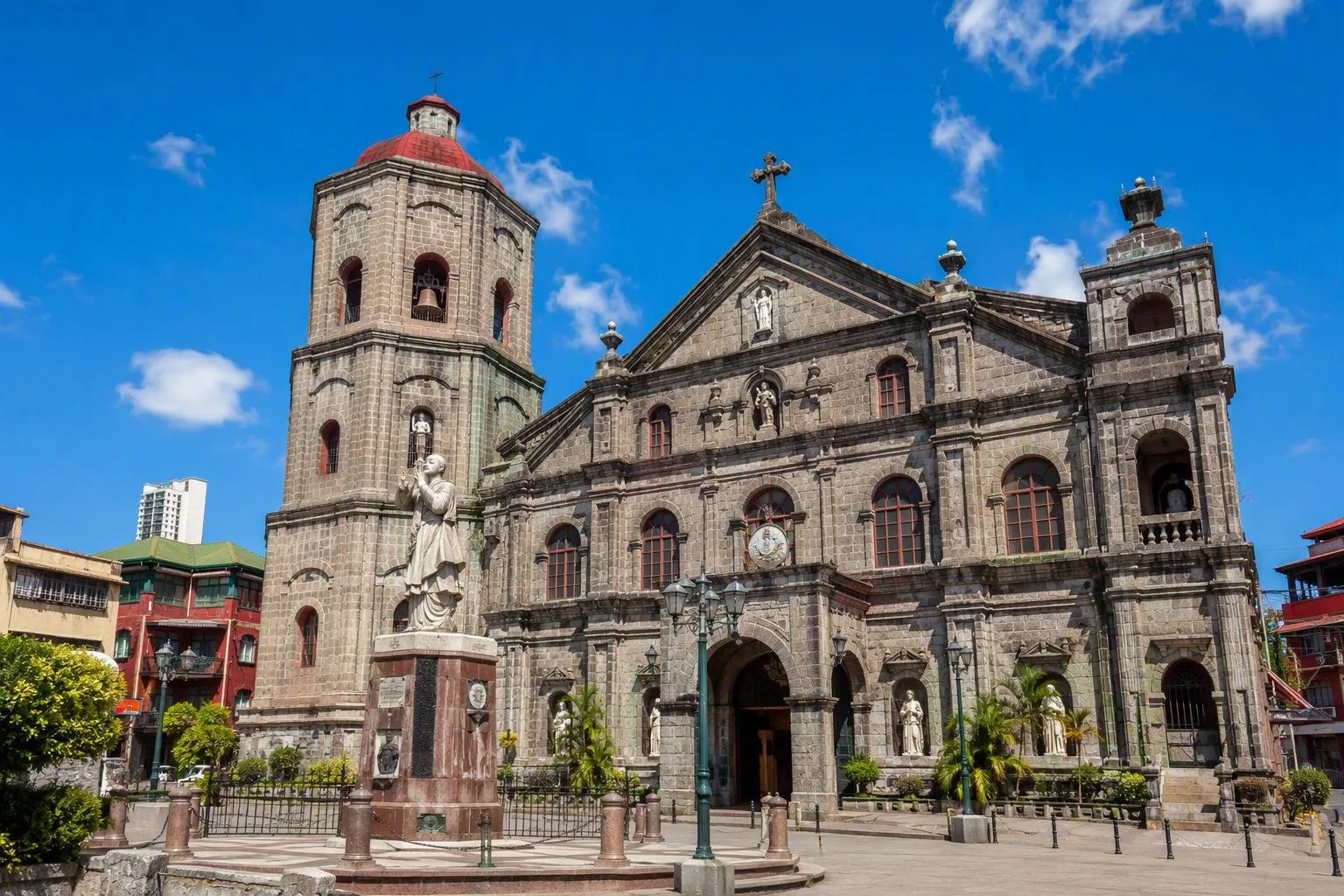
- Binondo Church: Formally the Minor Basilica and National Shrine of Saint Lorenzo Ruiz, this church was founded in 1596 for Chinese converts. Its granite front and octagonal bell tower are the district’s most recognizable historic landmark.
- Plaza San Lorenzo Ruiz: The small square in front of the church is a practical meeting point and pause between the river approach and Ongpin.
- Ongpin Street: Follow it for the dense retail streetscape that defines contemporary Chinatown. Look for Chinese-Filipino food, traditional baked goods, tea, herbs and gold shops.
- Seng Guan Temple: On Narra Street, this Buddhist temple provides a counterpoint to the basilica and reflects the district’s continuing Chinese religious life.
- Escolta: Walk back toward the Pasig for remaining period office buildings, including the 1928 Perez-Samanillo Building.
Eating and shopping
Treat Binondo as a working food-and-retail district, not a single attraction. Order a small number of dishes at each stop if sampling several places: dumplings, noodle soups, roast meats and hopia are characteristic choices. Ongpin’s bakeries and food shops are most rewarding on foot; keep purchases compact and carry cash for small transactions.
Moving through the district
Start at Jones Bridge, cross into Binondo, then walk north through Plaza San Lorenzo Ruiz and Ongpin before returning via Escolta. The route is short, but progress can be slow in crowded lanes. Wear shoes suited to uneven pavements and stay alert at street crossings. For a quieter look at the architecture, arrive earlier in the day; Chinese New Year brings major street celebrations and much heavier crowds.
From the magazine
Stories about Binondo
Editorial stories linked directly to Binondo.
No stories about Binondo have been published yet.
Routes from our editors
Travel through Binondo
Editorial routes connecting Binondo with other countries, cities and hotspots.
No routes through Binondo have been published yet.
More in Philippines
Related hotspots
Other cities, nature areas and places within Philippines.
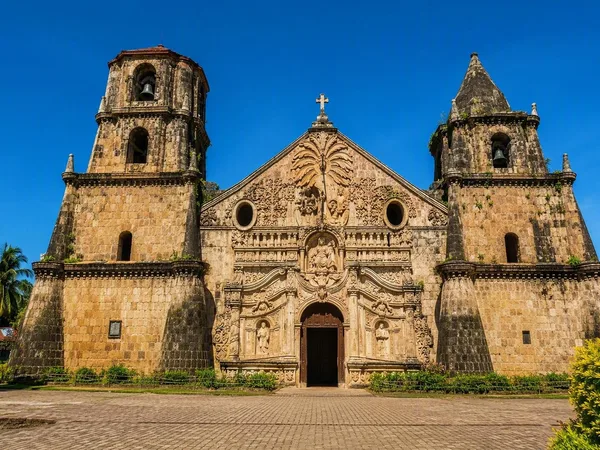
Iloilo Province
1 linked stories and routes
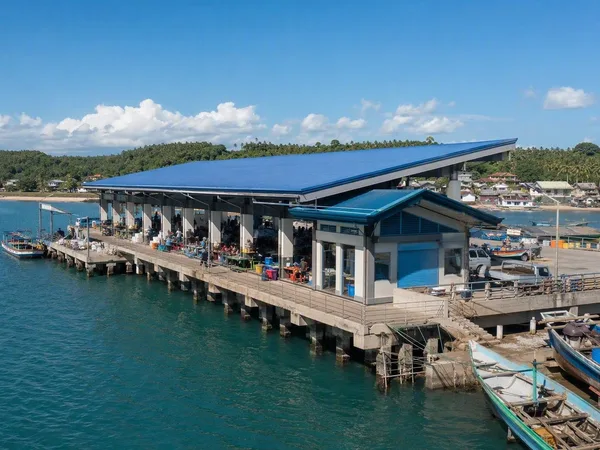
Concepcion, Iloilo
1 linked stories and routes

Nacpan Beach, El Nido
1 linked stories and routes

Laguna de Bay
1 linked stories and routes
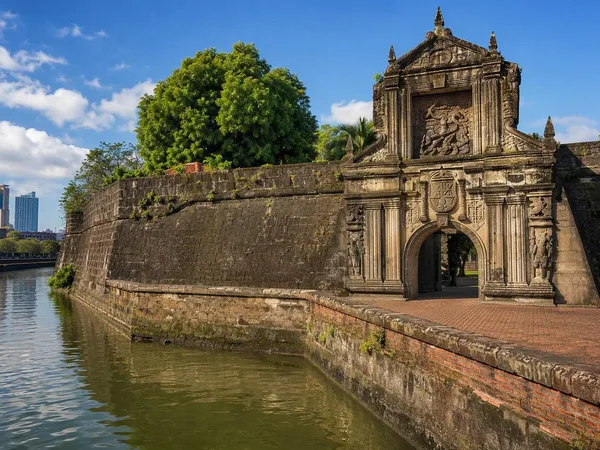
Manila
1 linked stories and routes
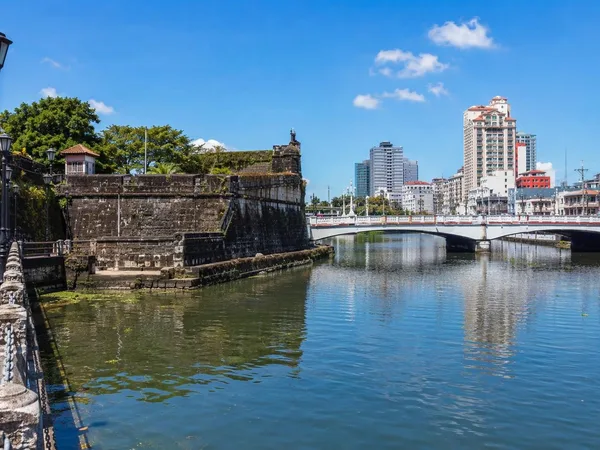
Pasig River
1 linked stories and routes
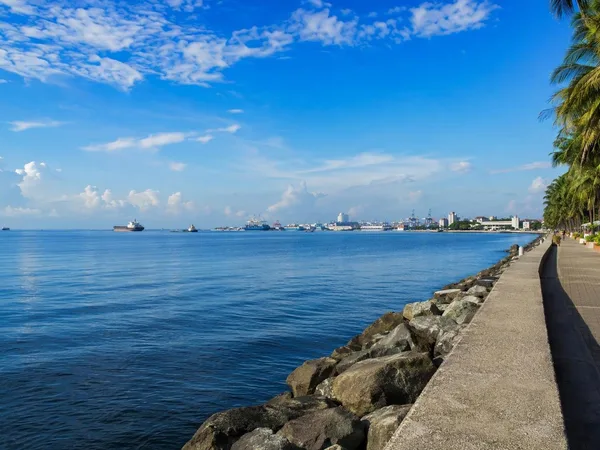
Manila Bay
1 linked stories and routes
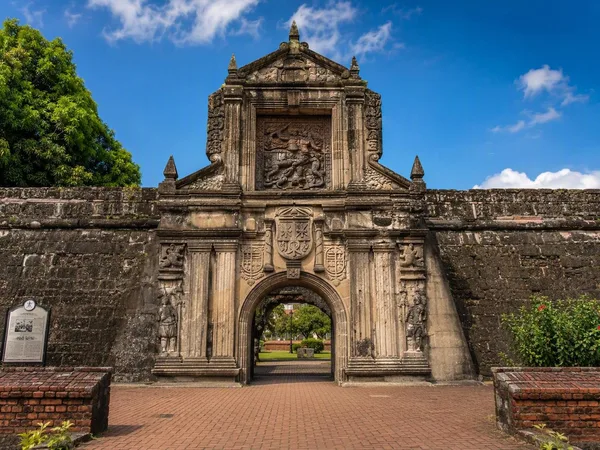
Intramuros
1 linked stories and routes
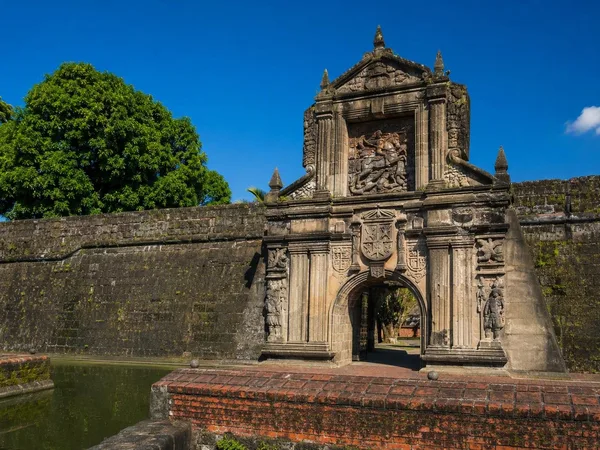
Fort Santiago
1 linked stories and routes
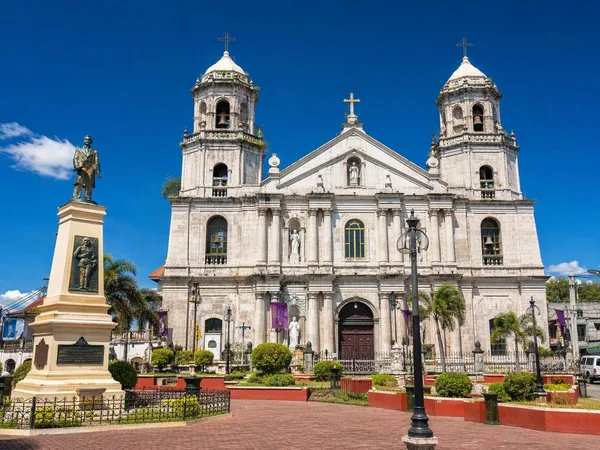
Tondo
1 linked stories and routes
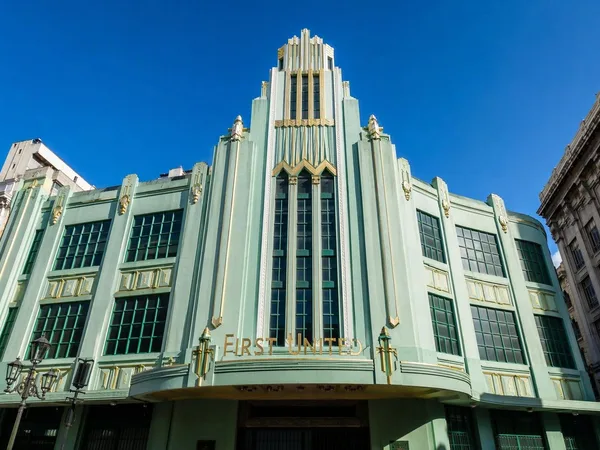
Escolta
1 linked stories and routes
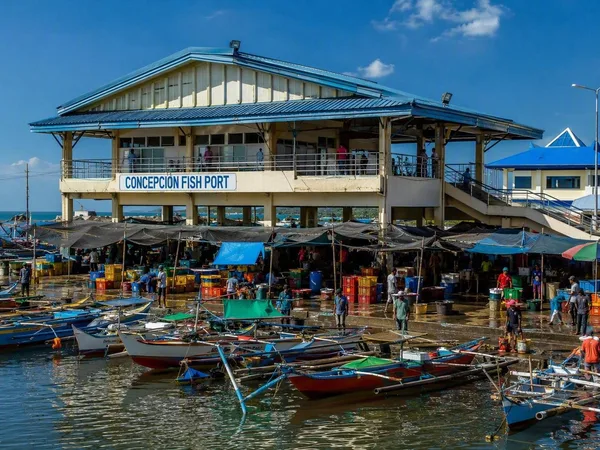
Concepcion, Iloilo
0 linked stories and routes