
City · North Korea
Pyongyang
Pyongyang is North Korea’s capital, spread across the Taedong River in the country’s west-central plain. Its broad post-war avenues, monumental riverfront and cold buckwheat noodles define the city’s public face.
City at a glance
Pyongyang is the capital of North Korea and a directly administered city on both banks of the Taedong River, roughly 48 km inland from Korea Bay. The modern city was extensively rebuilt after the Korean War, giving its central districts a planned layout of wide roads, large squares and monumental buildings.
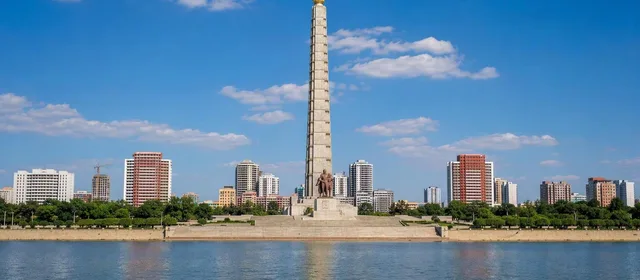
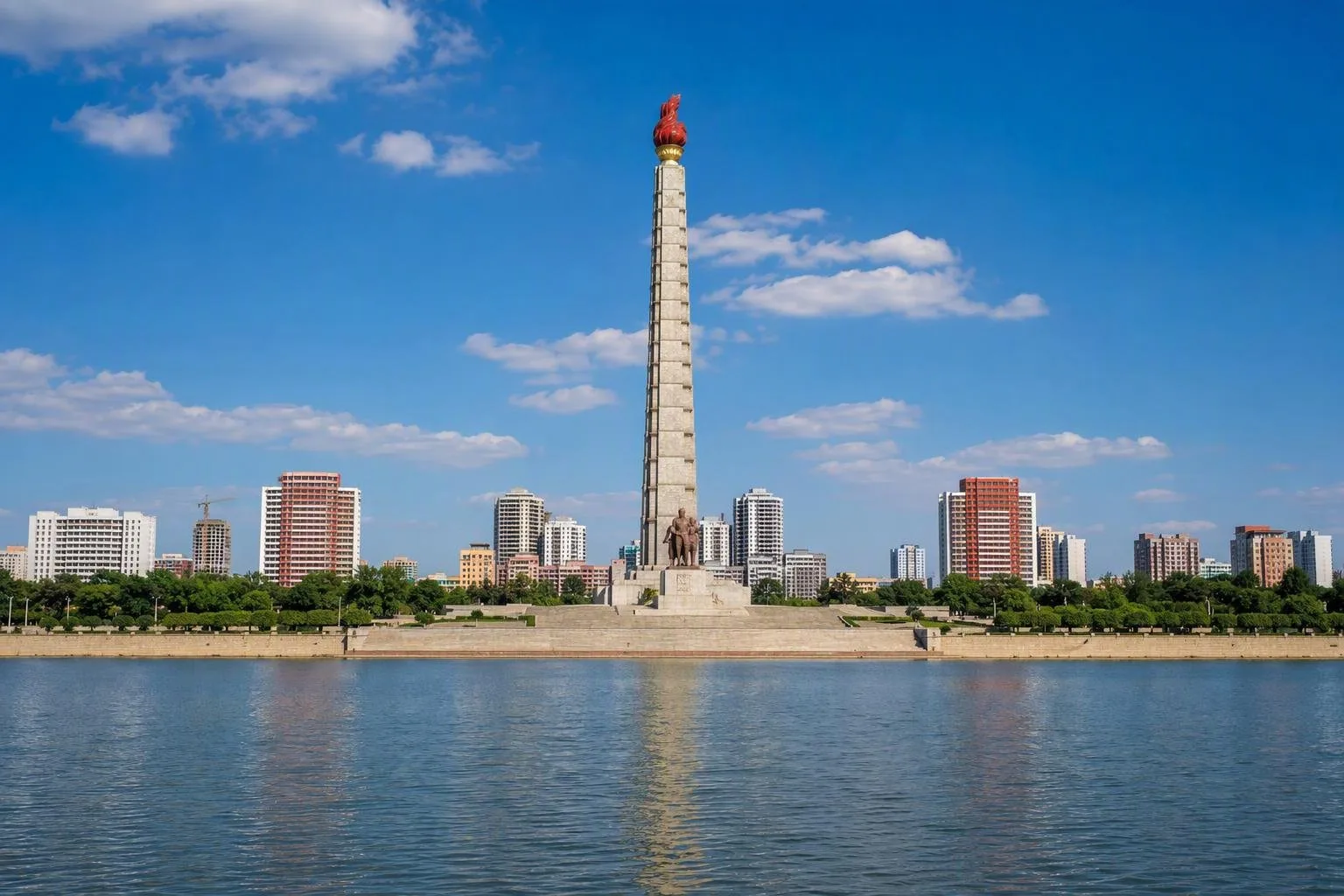
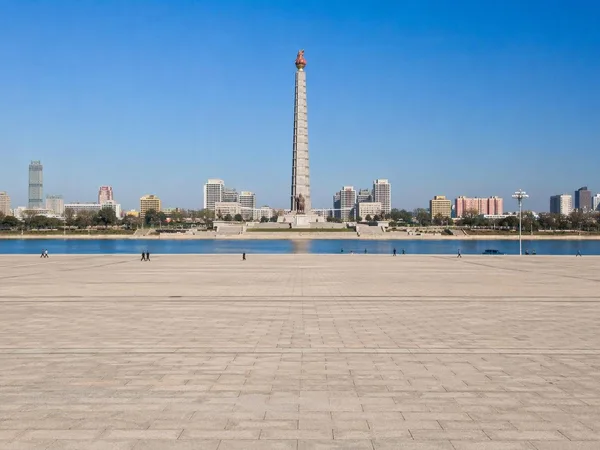
The river is the best orientation point. Kim Il-sung Square sits on the west bank; the Juche Tower stands opposite on the east bank. Moran Hill rises north of the central riverfront and preserves elements of the older city fabric.
The civic core
The key sights are political and ceremonial as much as architectural. Expect official interpretation and formal protocol.
- Kim Il-sung Square: the principal public square on the west bank, framed by major civic buildings.
- Juche Tower: a 170-metre granite tower completed in 1982, topped by a flame-shaped structure; it is the clearest landmark on the river skyline.
- Moran Hill: a park area with the Arch of Triumph, Chollima statue and reconstructed historic structures.
- Old Pyongyang: Taedong Gate, Ryongwang Pavilion and surviving gates and walls recall the city’s role as a Goguryeo capital between 427 and 668.
Pyongyang raengmyon
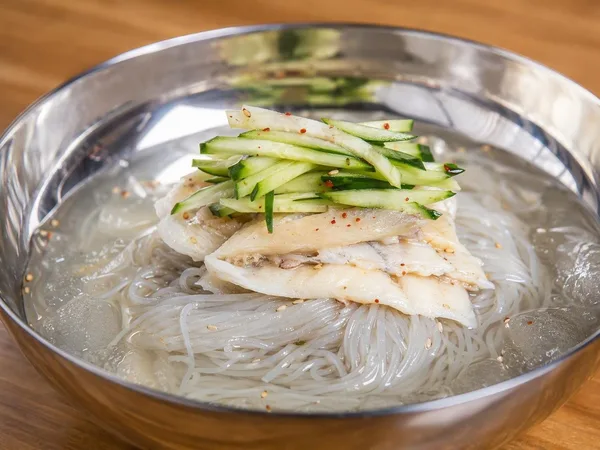
Order raengmyon, the city’s cold noodle dish, for the most specific local food experience. Soft buckwheat noodles arrive in a brass bowl beneath cold meat stock or watery radish-kimchi juice, with meat, kimchi, vegetables and fruit as toppings. The effect is mild, clean and deliberately restrained rather than chilli-heavy.
The dish is tied to hospitality and long life. It is traditionally shared before Jongwoldaeboreum, and served at weddings and birthdays. Pyongyang raengmyon entered UNESCO’s Representative List of Intangible Cultural Heritage in 2022.
Moving through the city
Pyongyang has metro, bus and trolleybus networks, but foreign visitors do not use the city as independent travellers. The metro is notable for its deep stations, chandeliers and mosaic decoration; a ride may be included in an authorised itinerary.
Sunan International Airport is the city’s international gateway. Rail and road routes also connect Pyongyang with other North Korean cities, but practical access and routing are arranged through authorised programmes.
Access and conduct
Foreign entry and tourism conditions can change abruptly. Visits require advance arrangements and are conducted on approved, escorted itineraries; do not assume that independent exploration, public transport use or unscheduled stops are possible.
Important: follow guide instructions exactly, particularly at monuments, museums and transport sites. Photography is regulated, and some subjects and locations are off limits. Obtain permission before taking photographs rather than relying on ordinary travel conventions.
From the magazine
Stories about Pyongyang
Editorial stories linked directly to Pyongyang.
No stories about Pyongyang have been published yet.
Routes from our editors
Travel through Pyongyang
Editorial routes connecting Pyongyang with other countries, cities and hotspots.
No routes through Pyongyang have been published yet.
More in North Korea
Related hotspots
Other cities, nature areas and places within North Korea.
Hamhung
1 linked stories and routes
Hamgyŏng
1 linked stories and routes
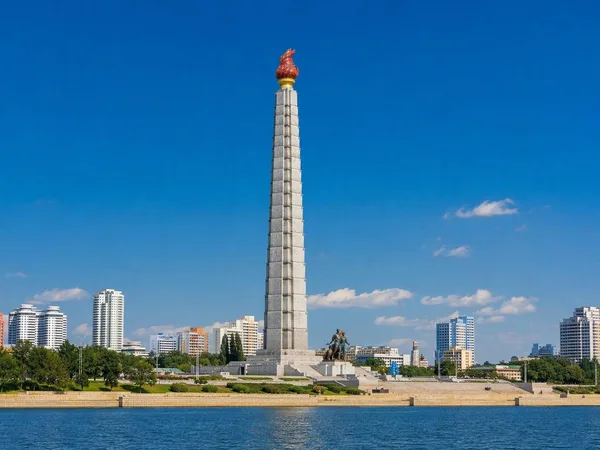
Juche Tower
1 linked stories and routes
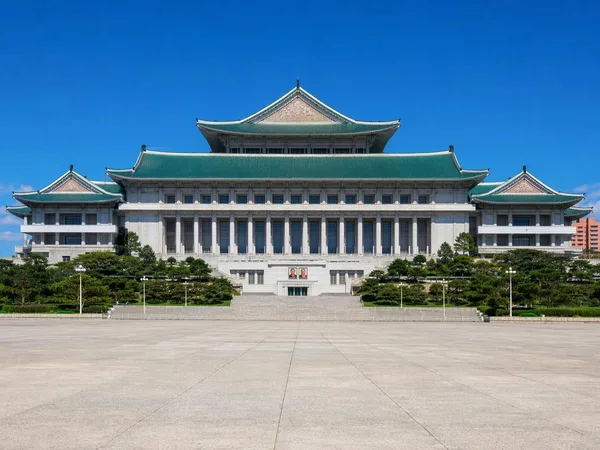
Grand People’s Study House
1 linked stories and routes
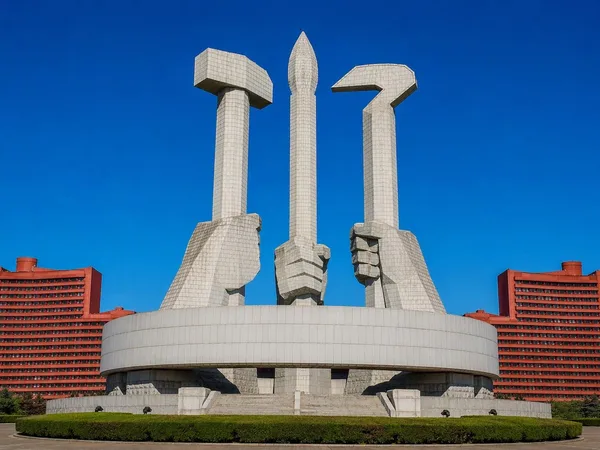
Monument to the Founding of the Workers’ Party
1 linked stories and routes
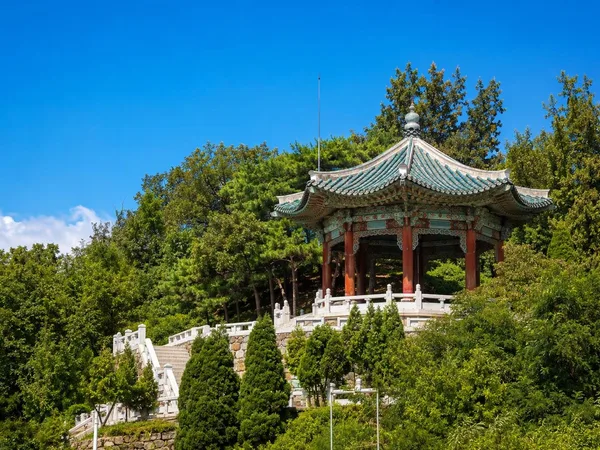
Moranbong
1 linked stories and routes
Kim Il Sung Square
1 linked stories and routes