
City · North Korea
Hamhung
Hamhung is the capital of South Hamgyong Province in east-central North Korea, a major industrial city whose post-war plan, monumental theatre and cold-noodle tradition define its character.
Orientation
Hamhung sits on the eastern side of North Korea and is the capital of South Hamgyong Province. It is a large industrial city, historically linked with the port of Hungnam, now part of the municipal area. Textile, chemical, machinery and food-processing industries have shaped its role since the twentieth century.
The city was heavily damaged in the Korean War. Its reconstruction in the 1950s involved East German planners and engineers, leaving a cityscape of broad axes, large civic spaces and planned residential districts rather than an intact old-town core.
Read the cityscape
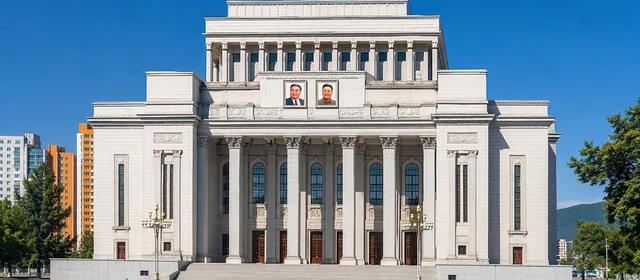
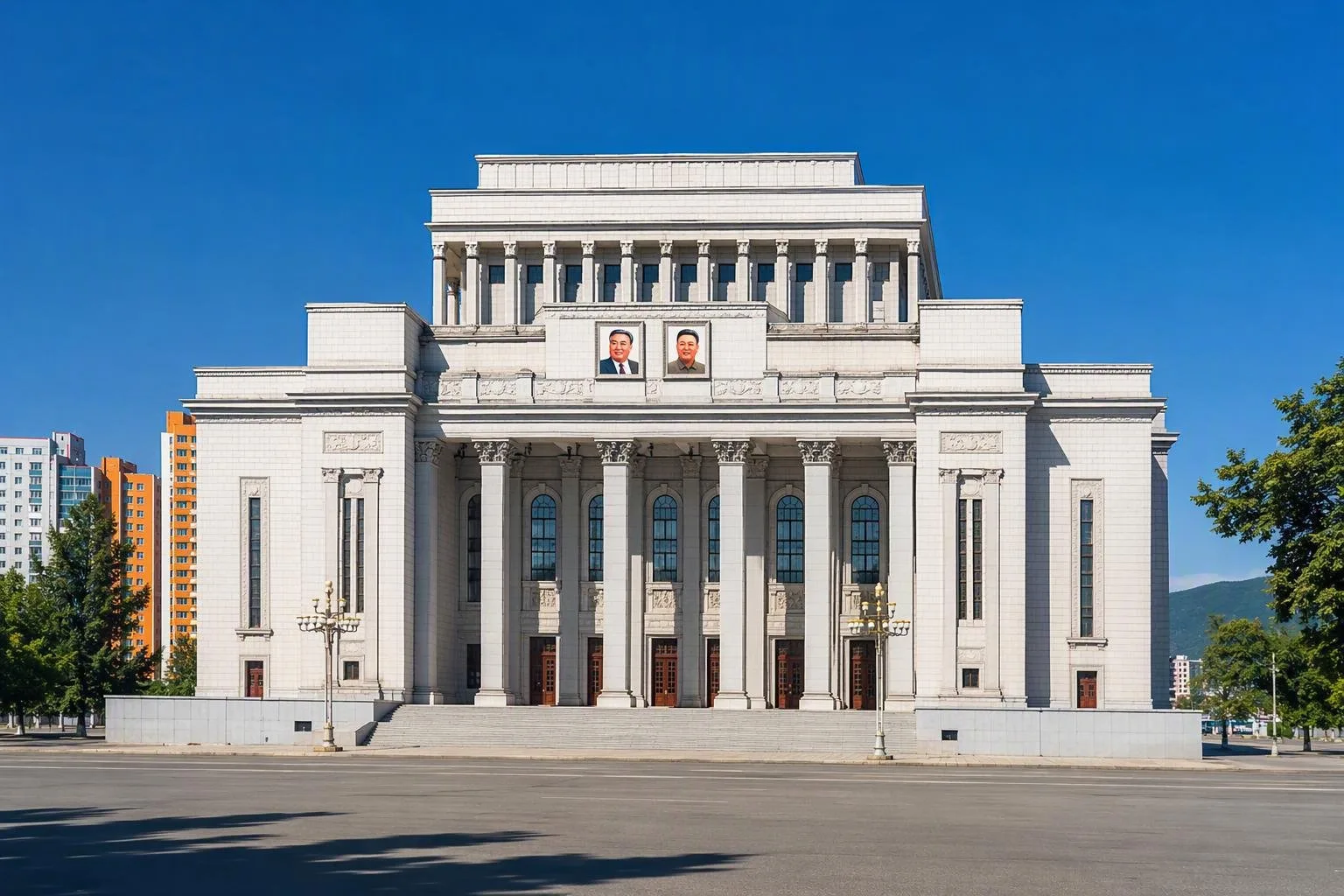
Start with the central square and Hamhung Grand Theatre, the country’s largest theatre building. Its huge, columned concrete front is Hamhung’s clearest civic landmark and works best as an exterior stop; interior access is tied to authorised performances.
For a higher-level view of the city’s form, Tonghung Hill rises at the northern edge of Hamhung. It holds surviving historic structures including Sonhwa Hall and Kumchon Pavilion, and shows the contrast between the plain, the rebuilt city and the surrounding slopes.
Expect an industrial urban landscape, not a conventional sightseeing circuit. The point is the relationship between reconstruction, public architecture and Hamhung’s working-city identity.
The noodle name
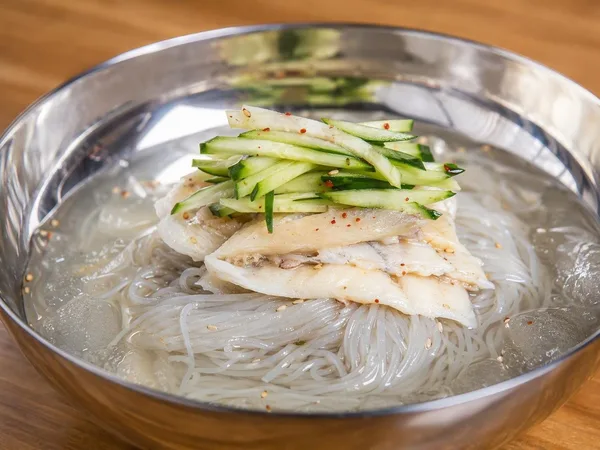
Hamhung is closely associated with Hamhung naengmyeon, one of Korea’s defining cold-noodle traditions. Its thin noodles are made chiefly from potato or sweet-potato starch, giving them a glossy, very elastic chew.
The best-known form is bibim-naengmyeon: noodles mixed with a hot red-pepper dressing. Hoe-naengmyeon adds seasoned raw fish, often skate or flatfish. The terms matter:
- Mul means a broth-led bowl.
- Bibim means noodles mixed with sauce.
- Hamhung-style noodles can be served either way; the city name does not mean every bowl must be spicy.
After the division of Korea and the Korean War, refugees carried these techniques south. Hamhung-style noodle houses remain an important part of northern Korean food heritage outside the city.
Access and rules
Hamhung is not a place for independent city travel. Foreign visitors in North Korea travel on approved itineraries, normally with an official guide, and movement beyond permitted locations requires clearance. Routes and entry conditions can change abruptly.
Treat photography as regulated: ask your guide before taking pictures and do not photograph officials, guarded buildings or other restricted subjects. Follow directions immediately at checkpoints and monuments. Carry cash rather than relying on cards, and do not assume international mobile service or internet access.
Government travel advice from several countries warns against travel because detention risks, restricted communications and consular help are serious constraints.
From the magazine
Stories about Hamhung
Editorial stories linked directly to Hamhung.
No stories about Hamhung have been published yet.
Routes from our editors
Travel through Hamhung
Editorial routes connecting Hamhung with other countries, cities and hotspots.
No routes through Hamhung have been published yet.
More in North Korea
Related hotspots
Other cities, nature areas and places within North Korea.
Pyongyang
2 linked stories and routes
Hamgyŏng
1 linked stories and routes
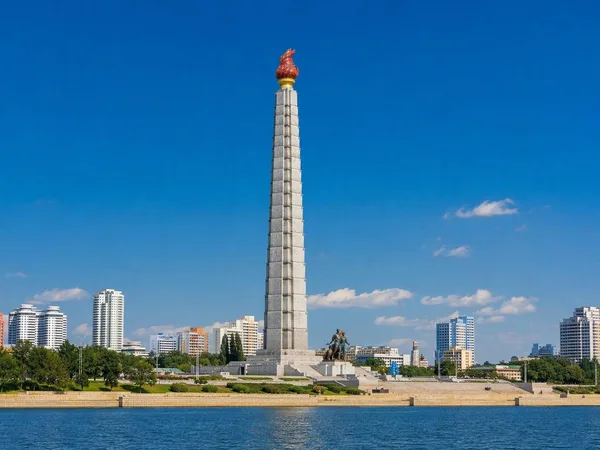
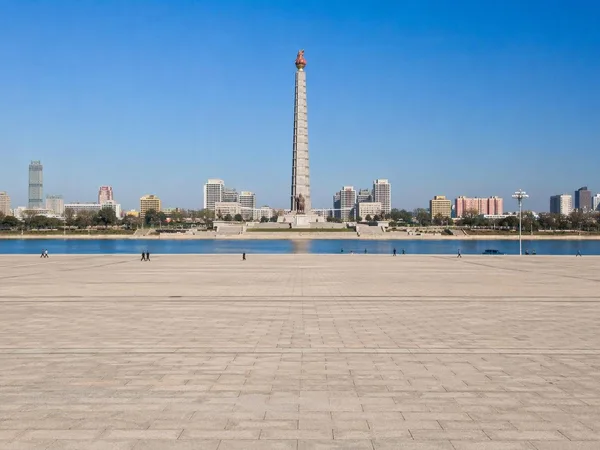
Juche Tower
1 linked stories and routes
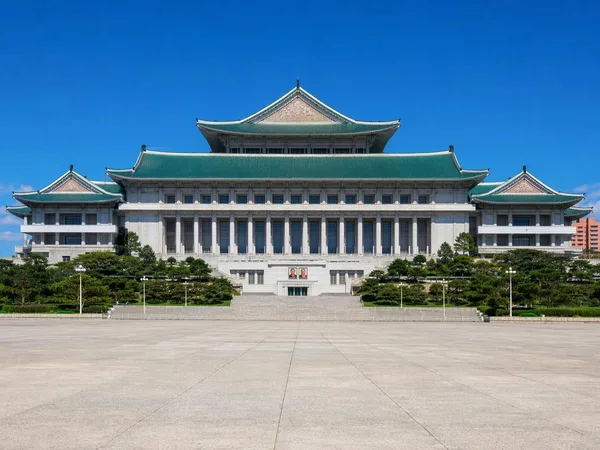
Grand People’s Study House
1 linked stories and routes
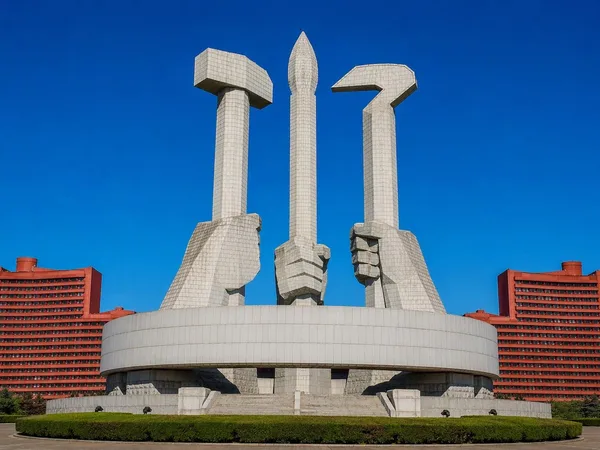
Monument to the Founding of the Workers’ Party
1 linked stories and routes
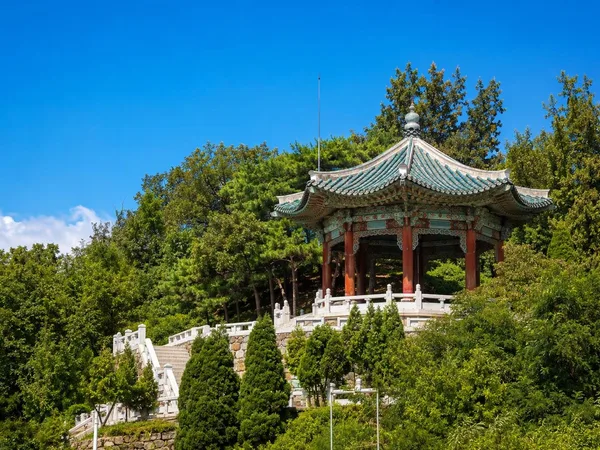
Moranbong
1 linked stories and routes
Kim Il Sung Square
1 linked stories and routes