
Region · North Korea
Hamgyŏng
Hamgyŏng is the historic northeastern region of North Korea, spanning the highlands and East Sea coast broadly associated with today’s Ryanggang, North Hamgyong and South Hamgyong. Its clearest cultural calling card is the firm, starch-based noodle tradition linked to Hamhung.
What Hamgyŏng means
Hamgyŏng is a historical region rather than a single current administrative province. The old province was divided into North and South Hamgyŏng in 1896; its wider cultural geography also reaches into present-day Ryanggang. Hamhung, on the eastern side, was its former provincial capital.
This is a large, mountainous northeast zone, shaped by highland farming and the East Sea coast. Read it as a regional identity: a useful frame for food, language and landscape, not a compact city-break destination.
The regional food signature
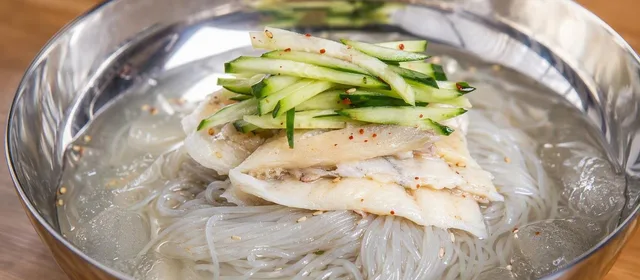
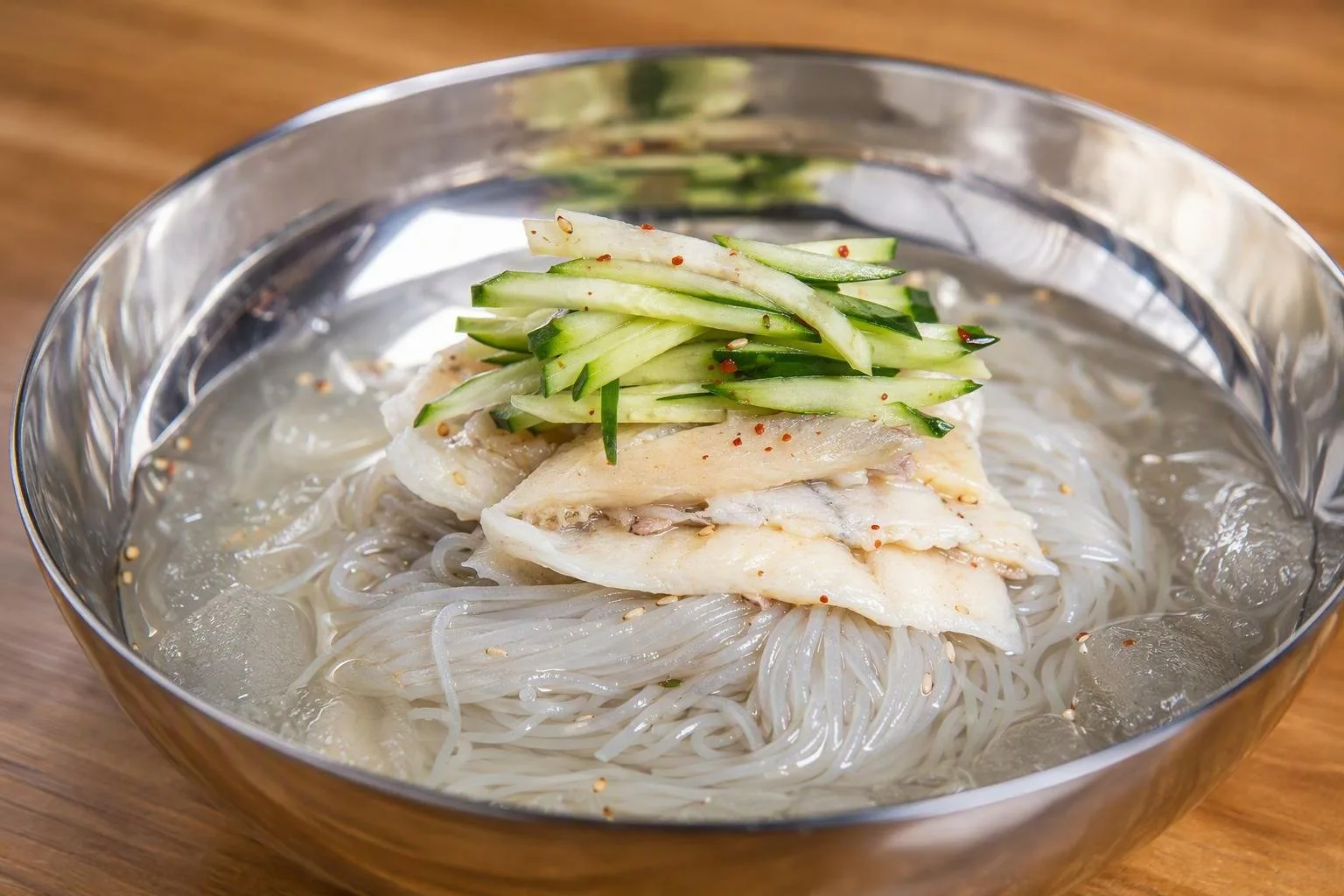
Hamgyŏng cooking draws on potatoes, oats, millet, beans and seafood. The most widely recognised dish is Hamhung-style cold noodles:
- very thin, elastic noodles made from potato starch, or sometimes sweet-potato starch;
- usually mixed with a spicy seasoning rather than served in a mild broth;
- often topped with seasoned flatfish, skate or pollack, plus cucumber and egg.
The contrast with Pyongyang naengmyeon is practical: expect a much chewier strand and stronger seasoning. In the Hamgyŏng tradition, starch noodles were a direct use of highland potato crops; coastal fish supplied the defining garnish.
Look beyond noodles for pollack preparations, fermented flatfish, squid, seaweed dishes and potato cakes. Recipes labelled “Hamgyŏng style” outside North Korea can differ in starch, fish and heat level, so read the menu rather than assuming one fixed version.
Hamhung as the reference point
Hamhung is the key place name behind the noodle tradition and remains the most useful geographic anchor for Hamgyŏng. Its position near the coast helps explain the pairing of inland starches with fish. The region’s culinary map also extends north along fishing grounds associated with pollack and other cold-water catch.
For a food-focused understanding, start with the noodle itself: the stretch and resistance of the starch, then the sharp, spicy dressing and the acidic fish topping. Scissors are normal at noodle restaurants; use them if the strands are difficult to manage.
Landscape and seasons
Hamgyŏng combines upland terrain with a long eastern coastline. The mountainous interior favoured hardy crops, while coastal settlements developed fish-based dishes. This geography matters more than a checklist of isolated sights: it explains why potatoes, grains and preserved seafood sit together in the same regional table.
Cold noodles are now often treated as warm-weather food, but northern Korean noodle traditions also have winter roots. Order by style, not season: choose a spicy mixed bowl when you want the Hamhung profile.
Travel reality
Hamgyŏng is not a self-guided travel region. Foreign travel in North Korea is tightly controlled, itineraries and permitted areas are determined locally, and access can change without notice. Treat Hamgyŏng first as a historical and culinary region; if travelling, confirm the exact permitted route and stops through an authorised operator before making plans.
From the magazine
Stories about Hamgyŏng
Editorial stories linked directly to Hamgyŏng.
No stories about Hamgyŏng have been published yet.
Routes from our editors
Travel through Hamgyŏng
Editorial routes connecting Hamgyŏng with other countries, cities and hotspots.
No routes through Hamgyŏng have been published yet.
More in North Korea
Related hotspots
Other cities, nature areas and places within North Korea.
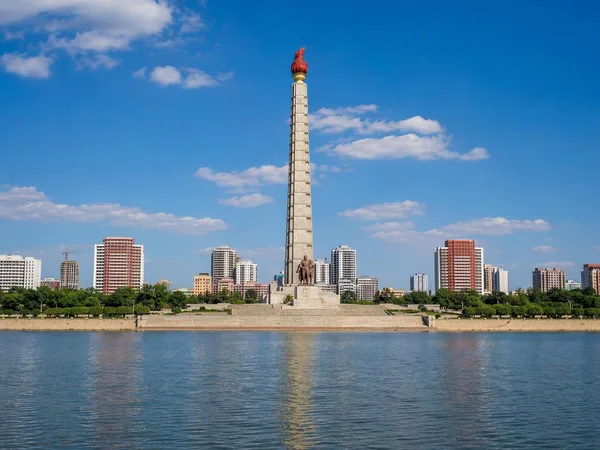
Pyongyang
2 linked stories and routes
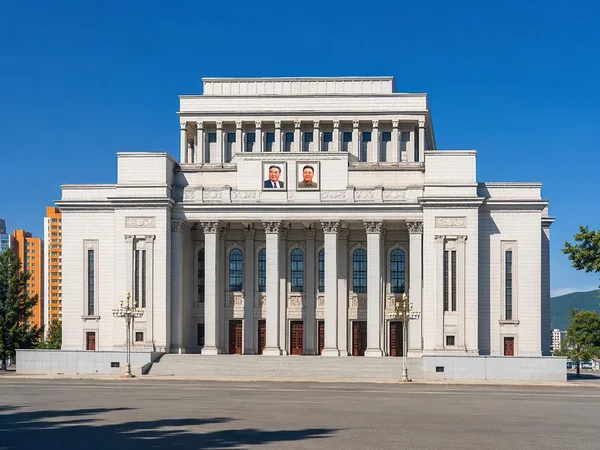
Hamhung
1 linked stories and routes
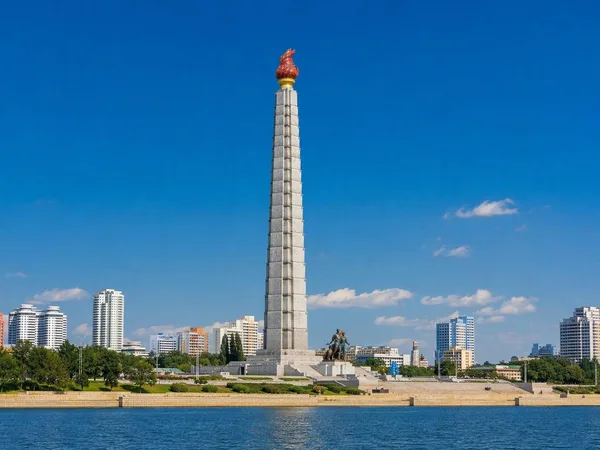
Juche Tower
1 linked stories and routes
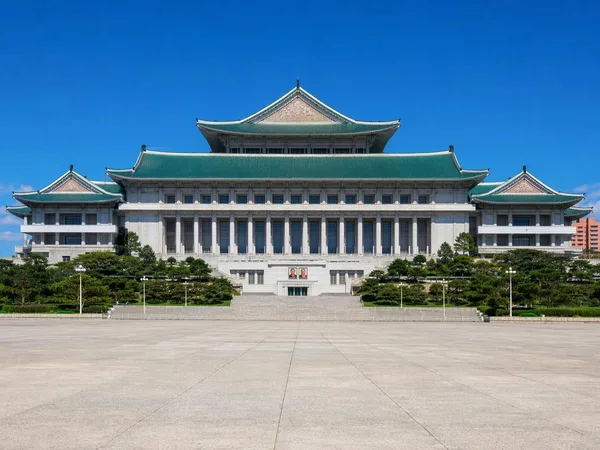
Grand People’s Study House
1 linked stories and routes
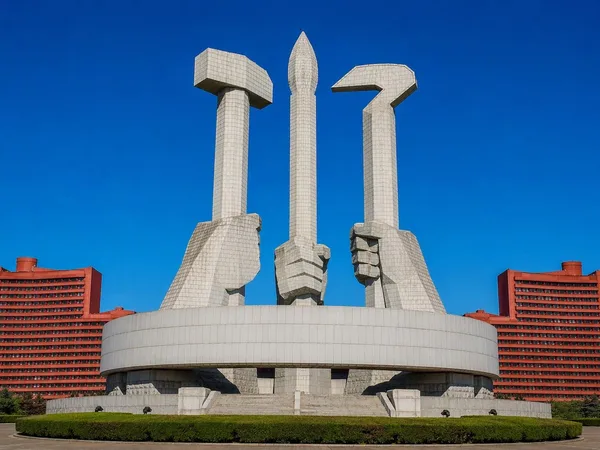
Monument to the Founding of the Workers’ Party
1 linked stories and routes
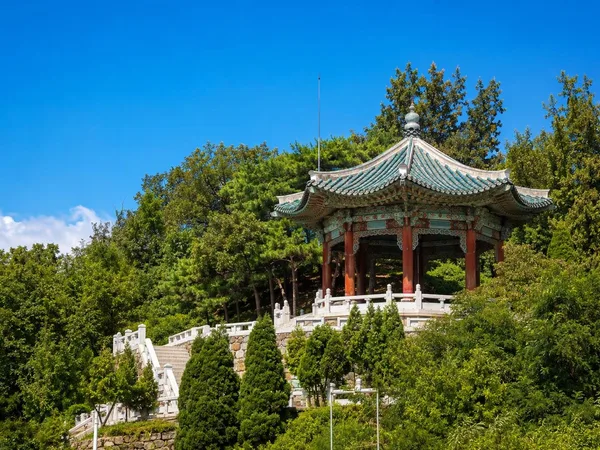
Moranbong
1 linked stories and routes
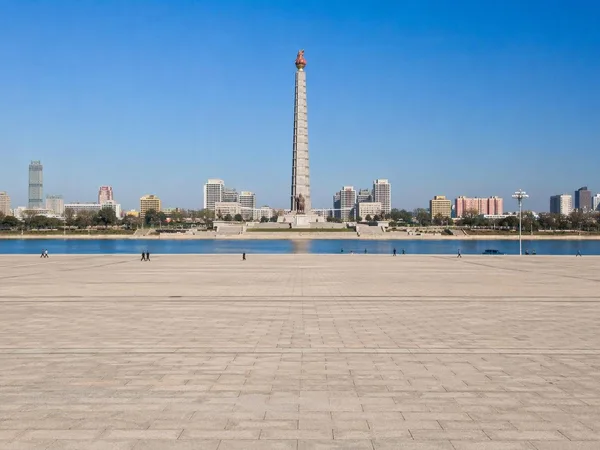
Kim Il Sung Square
1 linked stories and routes