Ruby Red, Jade Green: Myanmar’s Gemstones in Naypyidaw
The Myanmar Gems Museum in Naypyidaw puts rough mineral beside carved jade, jewellery and religious forms. Its cases follow Myanmar’s stones from the marble country of Mogok and the jade fields of Kachin into royal treasuries, pagoda gifts and trade.
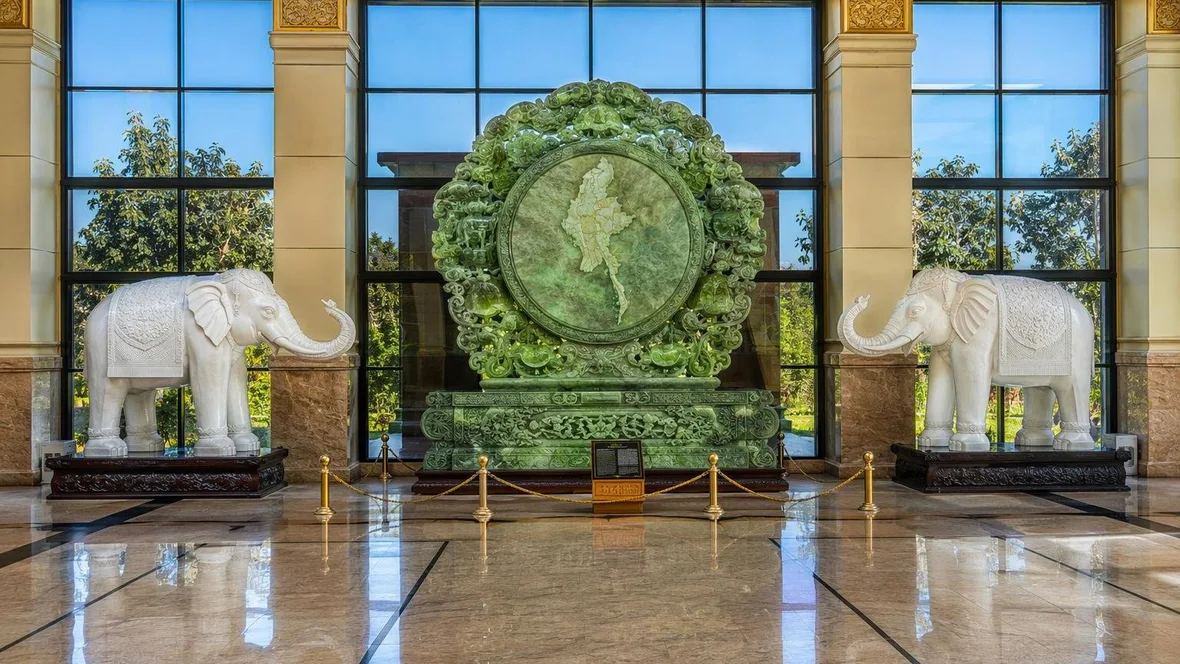
At the entrance to the Myanmar Gems Museum, two white elephants flank a jade ornament around a map of Myanmar. The object sets out the museum’s argument in a single piece of stone: jade is mineral wealth, but it also carries images of the nation, religious architecture and prestige.
The museum stands in Zabuthiri Township, near Thapyaygone, and opened on Union Day in 2009 after construction began the previous year. It is a specialised institution within Myanmar Gems Enterprise, separate from Naypyidaw’s National Museum. Its stated purpose is straightforward. Visitors and students of geology can examine gemstones, minerals, pearls and fossils in raw and worked forms.
That approach gives the collection more range than a display of finished jewellery. Cases contain rough jade and coloured stones, cut gems, ornaments, jade carving, pearls and fossils. The museum also uses jade for much larger objects: figures, benches, chairs, flowerpots, a clock, a bed and architectural surfaces appear among the displays. A jade copy of Naypyidaw’s Uppatasanti Pagoda turns the material into a miniature religious monument.
Mogok’s rubies begin in marble
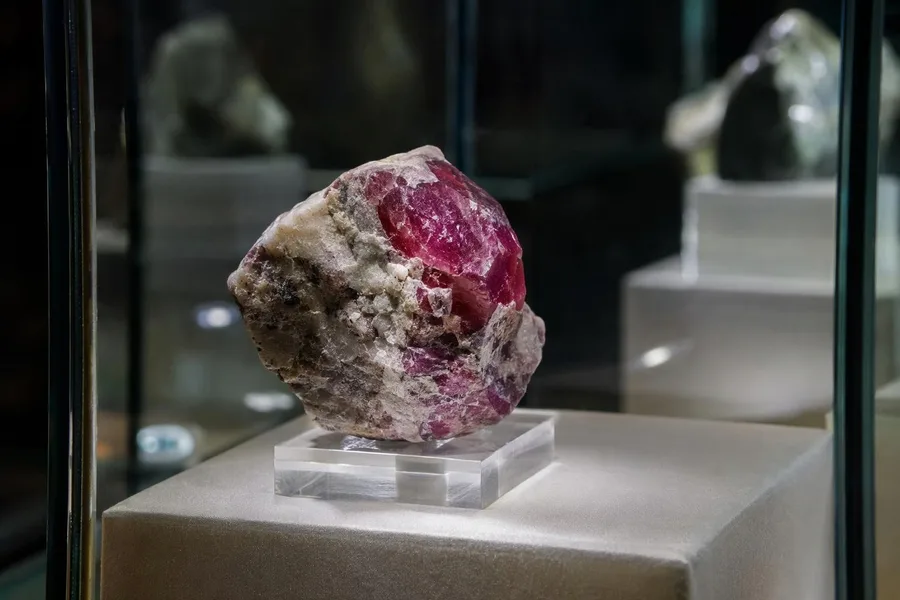 A rough ruby is illuminated behind glass at the Myanmar Gems Museum in Naypyidaw.
Rubies give the collection its most famous red. The museum identifies exceptional rough rubies and sapphires among its major objects, alongside claims for unusually large specimens. The published museum inventory does not give a weight, date of discovery or cut for each of these stones. Their rough state matters more than a superlative: they show the mineral before a cutter decides what it may become.
Myanmar’s classic ruby district is the Mogok Stone Tract. There, rubies and red or pink spinels formed in marble under heat and pressure. Weathering later released the durable crystals into gravel deposits known locally as byon. Mogok also yields sapphires, peridot, moonstone, tourmaline and zircon, though these stones do not all come from the same parent rock.
Chromium gives ruby its red and can produce strong fluorescence. The trade label “pigeon’s blood” became attached to intensely red material associated with Mogok, and fine Myanmar rubies became a benchmark in the international gem trade. A ruby in Naypyidaw therefore carries a specific geological history, not simply the generic glamour often attached to a red stone.
It also carries a history of power. In 1597, a Burmese king took the Mogok mines from a Shan ruler, and the crown later claimed valuable finds from miners. Rubies entered royal regalia, ceremonial objects and gifts because control over the mines gave rulers access to exceptionally scarce material.
British rule altered the business rather than ending the stone’s allure. After the annexation of Upper Burma in 1886, Burma Ruby Mines Ltd. began mechanised extraction in 1889, using water cannons and washing plants while promoting Mogok stones abroad. Floods, theft, competition from synthetic rubies and unstable prices contributed to the company’s departure in 1931. Local methods again became central to extraction.
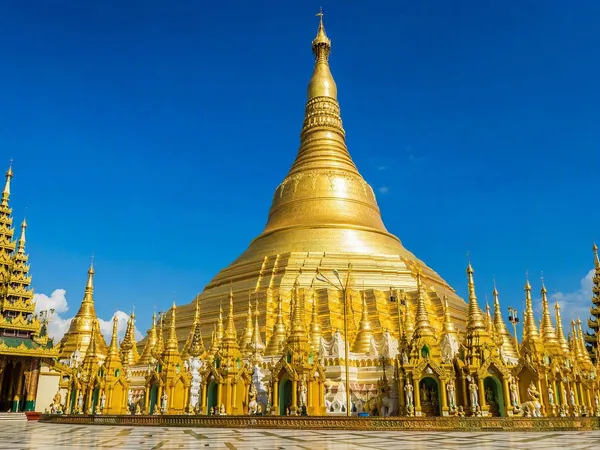
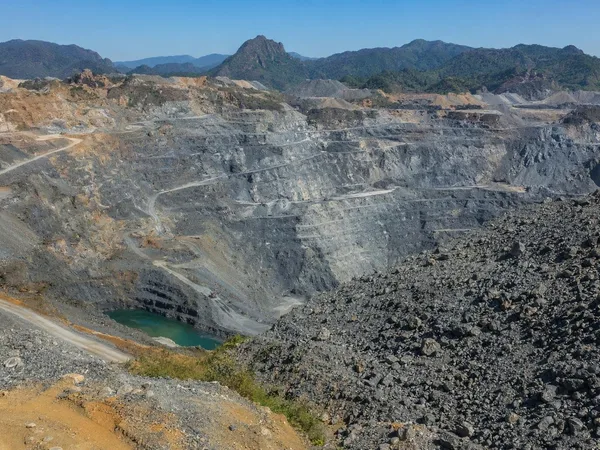
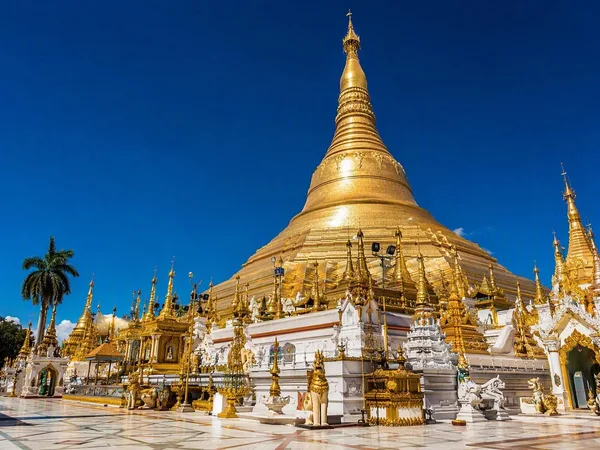
The museum keeps Mogok visible on its walls. One large mineral mosaic depicts Mogok alongside Hpakant, the principal jade region; another depicts the Shwedagon Pagoda. The pair places mine country beside a great religious landmark without pretending that the two have the same history.
Kachin jade travels across a border
Jade takes up more than a jewellery cabinet here. The museum shows raw blocks, carved figures and jewellery, then expands the material into furniture and decorative panels. One official Naypyidaw brochure notes a jade block weighing 69 kilograms.
The main material is jadeite, not nephrite, the stone long familiar in older Chinese jade traditions. Top-quality jadeite comes chiefly from the Hpakan area in Kachin State, while the museum identifies high-grade rough jade from Hkamti among its exhibits. Jadeite can be white, lavender, blue-green, black or orange-red. Chromium produces the clear green valued most highly in the trade.
A rough jade boulder keeps its secret well. A weathered outer skin can hide the colour and transparency inside, so traders may study small exposed areas or cut into the stone before judging it. That material uncertainty explains why a raw boulder and a polished carving can look like objects from different worlds.
For centuries, jadeite travelled from Kachin towards Yunnan. It became widely fashionable in China during the eighteenth century, and in 1788 King Bodawpaya sent jadeite as tribute to the Qianlong emperor. Chinese buyers applied older associations surrounding nephrite to this newer stone, while translucent, saturated green jadeite acquired the description “imperial jade.”
The finished objects in Naypyidaw sit within that cross-border history. Jadeite’s toughness suits beads, bangles, cabochons and detailed carving; polishing can reveal colour and translucency hidden by a rough surface. The collection does not reduce Kachin jade to a green luxury good. It shows the risky first assessment of a boulder and the skilled work that follows.
Stones enter courts and pagodas
Naypyidaw’s National Museum supplies a useful neighbouring chapter. It displays a full-scale reconstruction of the surviving Lion Throne and replicas of royal and non-royal regalia. These are not original crown jewels, but they show the courtly setting in which rubies belonged with goldwork, ceremonial dress and rank.
Precious materials also moved into Buddhist patronage. Myanmar’s kingdoms used wealth from jade, rubies, gold, silver and teak to support major religious institutions. Donors offered jewellery, betel boxes and images in gold, silver, ivory or jade. Giving a Buddha image held particularly high merit for lay Buddhists.
That practice gives the jade pagoda and religiously inflected objects in the Gems Museum a fuller context. A precious object could mark status, but its gift could also form an act of dana, or generosity, associated with merit. Pagoda collections commonly protected valuable images behind glass while keeping them visible for reverence. Museum vitrines serve a different purpose, yet the glass still frames objects whose materials once mattered in acts of devotion as well as display.
A case light on rough stone
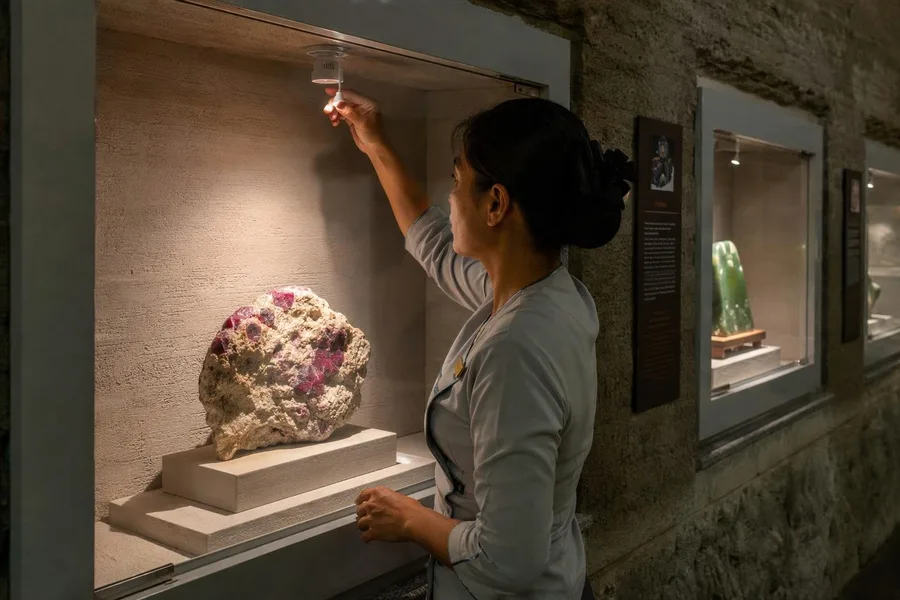 A staff member illuminates a rough mineral in a display case at Naypyidaw’s Myanmar Gems Museum.
Accounts of the upper gallery describe a subdued room with many cases standing close together. Staff have switched on individual case lights when visitors wanted to examine particular stones. The displays include rubies, sapphires, jade, pearls, amber, fossilised wood, gold and silverwork. Labels in Burmese and English have been recorded, although their coverage appears to vary from case to case.
The museum presents both natural and cultured pearls, including a specimen described as Myanmar’s largest pearl. Its stated highlights also include a large rough sapphire, high-quality rough jade and a prominent jade replica of the Uppatasanti Pagoda. On the ground floor, separate shops sell gems and souvenirs to Myanmar citizens; the museum distinguishes this retail area from the upstairs collection.
At a rough-stone vitrine, the electric light isolates a mineral behind glass. Before the object became jewellery, tribute, a religious gift or a carved pagoda, it lay in the ground as a piece of ruby-bearing marble country or a jade boulder with its colour still hidden.
Keep exploring
Places in this story
Asia
4 landen en gebieden
Myanmar
China
Naypyidaw
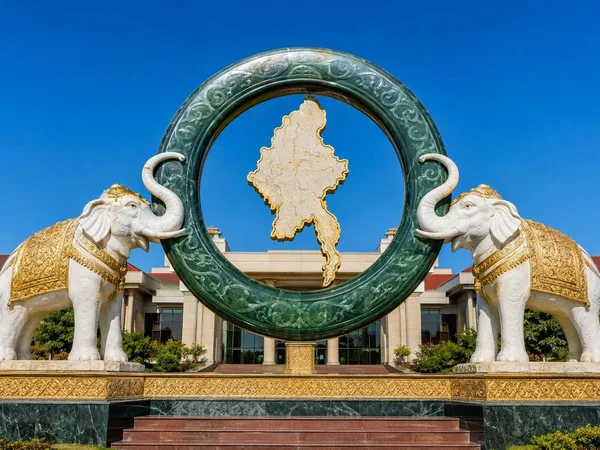
Myanmar Gems Museum, Naypyidaw
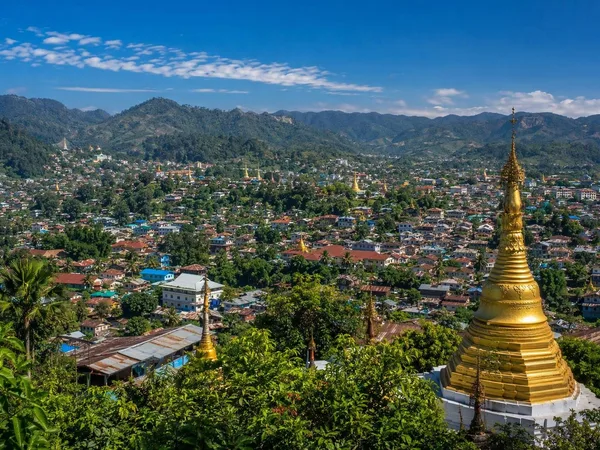
Mogok
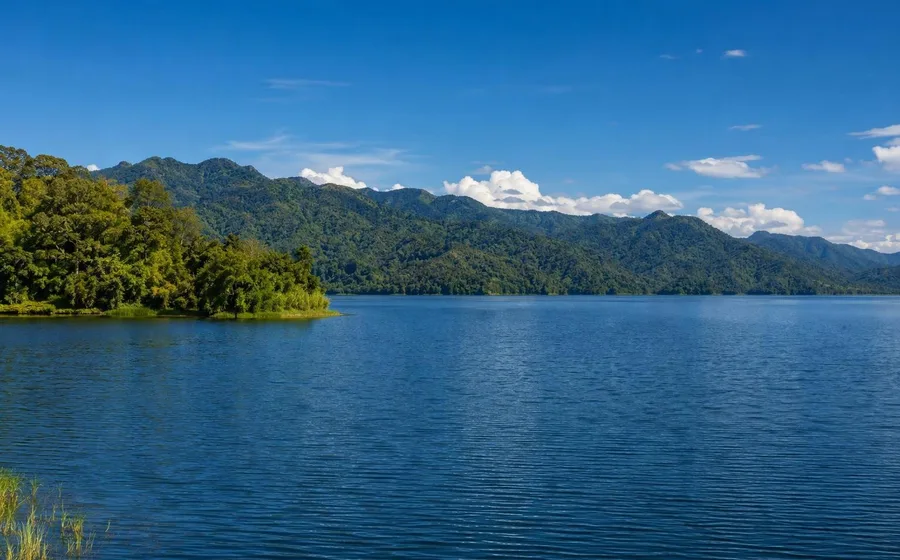
Kachin State
Kachin is Myanmar’s northernmost state, bordering China and India. Its vast terrain runs from the Ayeyarwady headwaters and Indawgyi Lake to Himalayan highlands, while Hpakant’s jadeite deposits have shaped its wider identity.
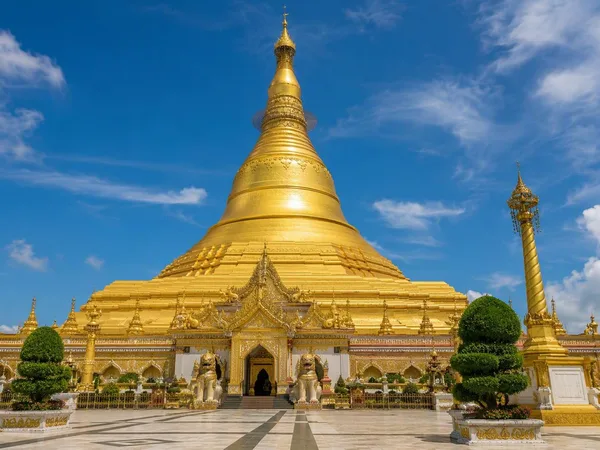
Uppatasanti Pagoda
Hpakant
Yangon