City · Myanmar
Naypyidaw
Naypyidaw is Myanmar’s purpose-built capital, laid out near Pyinmana in the country’s central basin. Its immense avenues, separated government zones and Uppatasanti Pagoda make it a city best understood by moving between widely spaced landmarks.
Read the layout
Naypyidaw became Myanmar’s capital in 2006 after the government moved its administrative centre from Yangon. Built on a new site near Pyinmana, it is a planned capital rather than a city that grew around a port, market or historic core.
The key fact is scale. Ministries, housing districts, hotels, convention facilities and parks sit in distinct zones, separated by broad roads and open land. There is no compact central district where the main sights, shops and offices are easily covered on foot. Treat the city as a series of stops, not a walking itinerary.
The monumental core
The government quarter is the clearest expression of the plan. The Parliament House stands within an 800-acre complex reached by a 20-lane highway. Its formal Burmese-style roofs and enormous setbacks are designed for ceremonial scale, not street life.
View official buildings from public areas and keep clear of controlled compounds. The value here is the urban landscape: long sightlines, very wide asphalt and the contrast between monumental buildings and the surrounding greenery.
For a more local commercial stop, head to Myoma Market, the city’s principal market area, rather than expecting continuous shopping streets around the government zone.
Uppatasanti Pagoda
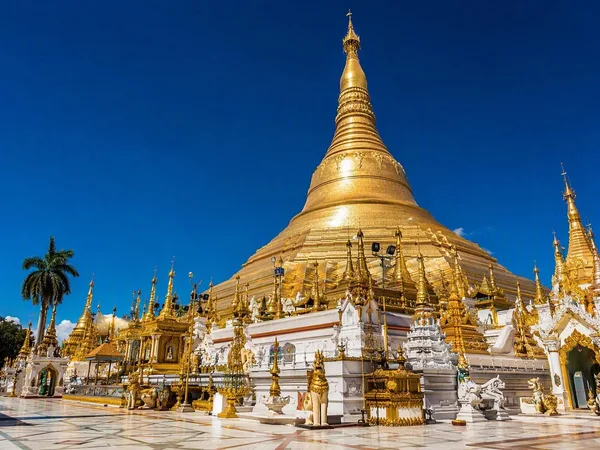
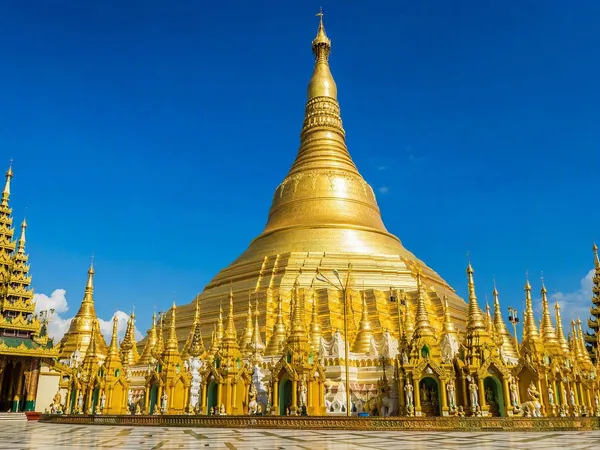
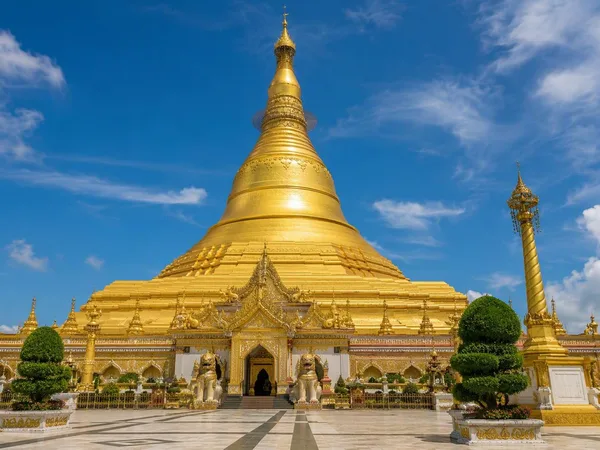
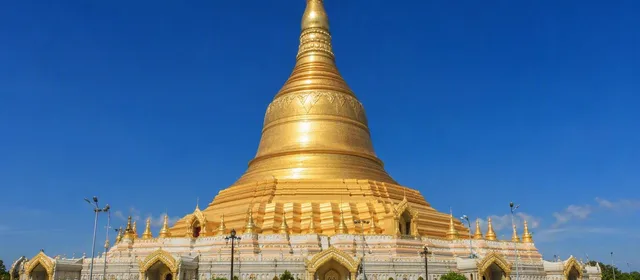
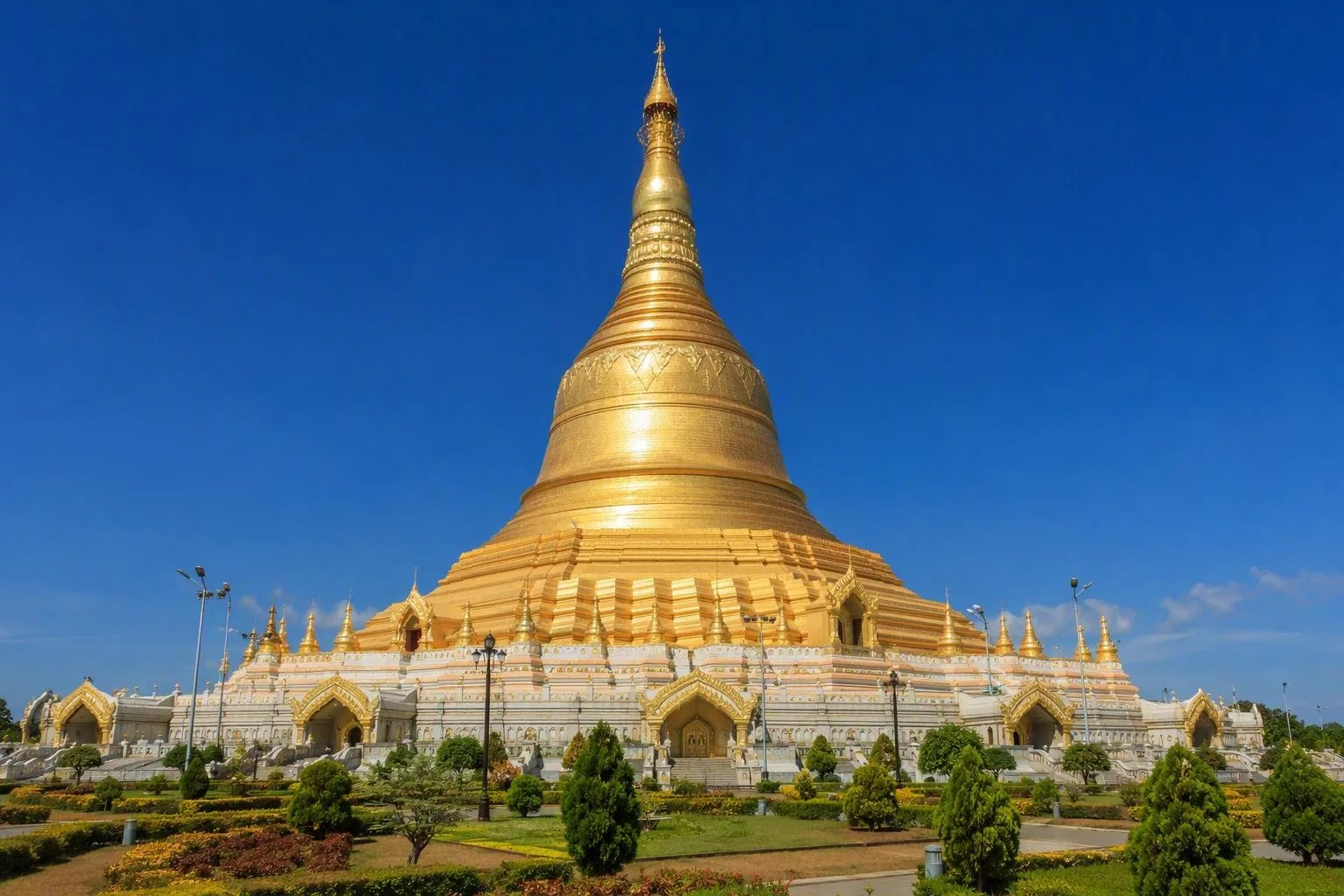
Uppatasanti Pagoda is Naypyidaw’s defining religious landmark. Completed in 2009, the gilded, bell-shaped stupa rises about 100 metres and deliberately echoes Yangon’s Shwedagon Pagoda while remaining slightly lower.
The pagoda is more than an exterior photograph. Its hollow interior contains four jade Buddha images, and the precinct includes shrines, gardens and religious buildings. Allow time to walk the grounds rather than treating it as a roadside stop.
As at other active Buddhist sites, dress modestly and remove footwear where required. Visit early or late in the day: the open paved grounds and the city’s broad roads offer little shade in the heat.
Museums, gardens and evening stops
The National Museum is a useful indoor counterpart to the capital’s architecture, with five buildings dedicated to Myanmar’s history and culture. The National Landmark Garden presents scaled-down models of sites from around the country; it is a direct expression of the capital’s national showcase role.
For an evening break, the Water Fountain Garden combines landscaped grounds, ponds and fountains. It is one of the city’s few deliberately pedestrian recreational spaces.
Getting around
Naypyidaw rewards a car, taxi or arranged driver. Distances between the pagoda, museum zone, government quarter, gardens and hotel areas are substantial, and walking between them is impractical.
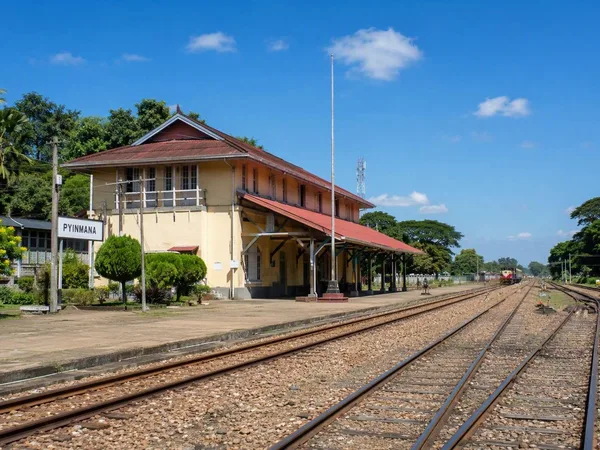
Pyinmana is the rail stop for the capital area. Road links connect Naypyidaw with Yangon and other major cities, while Naypyidaw airport handles air connections. Group sights by area and plan around the heat; transport time is part of every visit here.
From the magazine
Stories about Naypyidaw
Editorial stories linked directly to Naypyidaw.
No stories about Naypyidaw have been published yet.
Routes from our editors
Travel through Naypyidaw
Editorial routes connecting Naypyidaw with other countries, cities and hotspots.
No routes through Naypyidaw have been published yet.
More in Myanmar
Related hotspots
Other cities, nature areas and places within Myanmar.