Town · Myanmar
Pyinmana
Pyinmana is the older rail town beside Naypyidaw in central Myanmar. Its compact streets, market and station show the settled townscape that predates the purpose-built capital to its west.
Orientation
Pyinmana is a town in Myanmar’s Naypyidaw Union Territory, immediately east of the planned capital. It is not Naypyidaw’s ministry zone: it is the older, more compact settlement beside it. That distinction matters. Streets, shops and everyday services sit closer together here, whereas the capital spreads government, housing and commercial districts across long, open distances.
Use Pyinmana as the human-scale counterpoint to Naypyidaw’s monumental roads and separated precincts. The town lies on the Yangon–Mandalay railway corridor and has long been associated with forestry and sugarcane processing.
Start at the station and market
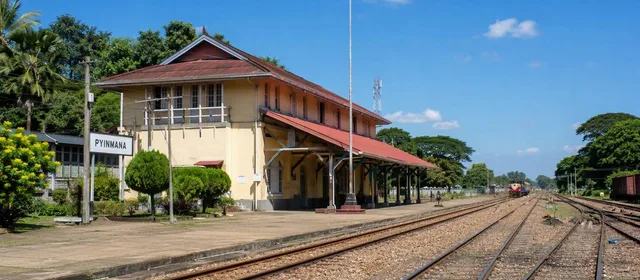
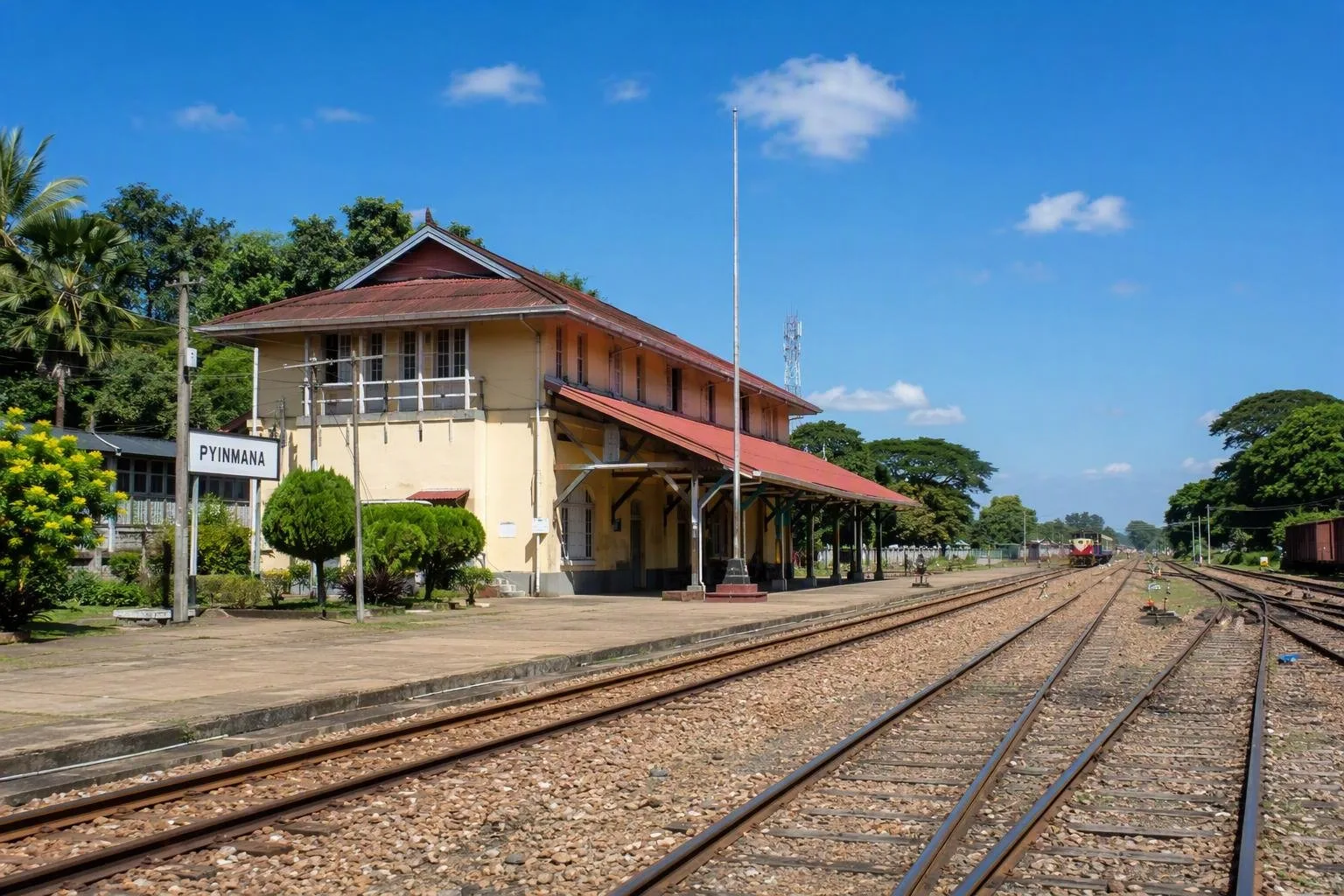
Pyinmana Railway Station is the clearest practical reference point. It sits close to the town’s commercial core and puts the railway’s role in the place’s layout plainly in view.
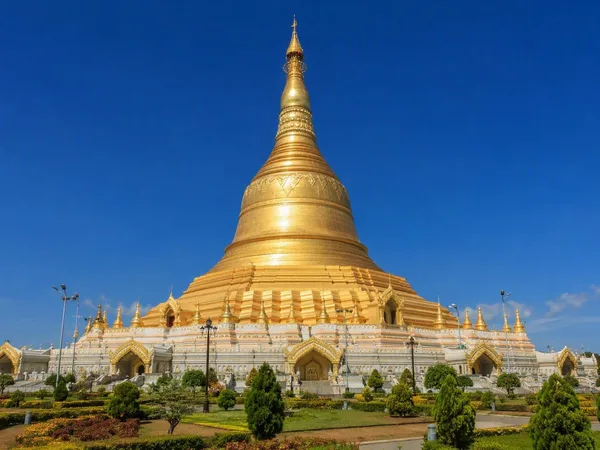
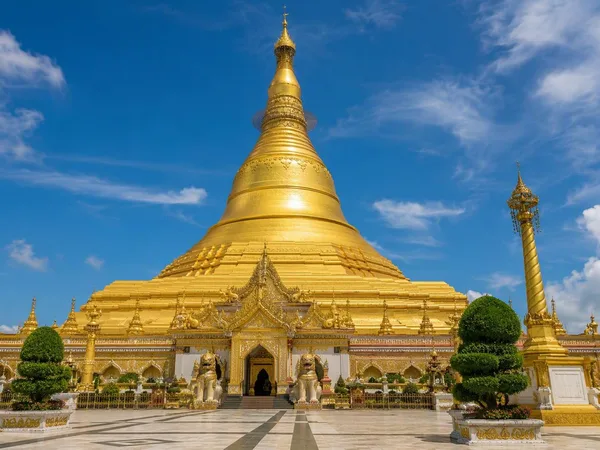
A short walk north is Myo Ma Market, useful for seeing the town at working scale rather than treating it as an extension of the capital. Nearby are local services and the Law Ka Mar Ya Zein Pagoda. Keep expectations precise: this is a functioning provincial town, not a concentrated monument district.
The town beside the new capital
Pyinmana became internationally familiar when Myanmar moved its administrative capital from Yangon to a newly built site west of town in November 2005. Naypyidaw was later publicly named in 2006. The move created an unusual urban pair: an established rail town beside a capital constructed around ministries, military facilities and purpose-built residential zones.
The contrast is most legible on the ground. In Pyinmana, short blocks and local commerce make orientation relatively direct. Beyond it, the capital’s wide roads and separated districts make motorised transport far more useful than walking between headline sites.
Historical context
Pyinmana was a base for nationalist forces led by Aung San during the Second World War. Its location on a major north–south transport route and in a forested central region helps explain its earlier strategic and economic role.
Do not mistake this history for a self-guided heritage circuit: the town’s value is its lived-in fabric and its relationship with Naypyidaw, rather than a cluster of formal visitor attractions.
Getting around
The station is the natural arrival point by rail. Within central Pyinmana, explore on foot around the station and market area. For Naypyidaw, arrange a car or taxi and allow for substantial distances between districts. Treat Pyinmana and the capital as adjacent but distinct places; a map that labels both simply as Naypyidaw can obscure that difference.
From the magazine
Stories about Pyinmana
Editorial stories linked directly to Pyinmana.
No stories about Pyinmana have been published yet.
Routes from our editors
Travel through Pyinmana
Editorial routes connecting Pyinmana with other countries, cities and hotspots.
No routes through Pyinmana have been published yet.
More in Myanmar
Related hotspots
Other cities, nature areas and places within Myanmar.