Region · Guyana
Essequibo Islands
The Essequibo Islands are a group of inhabited river islands near the mouth of Guyana’s Essequibo River, within Region 3. Leguan, Wakenaam, Fort Island and Hogg Island combine working agricultural landscapes with major Dutch-era heritage sites.
Orientation
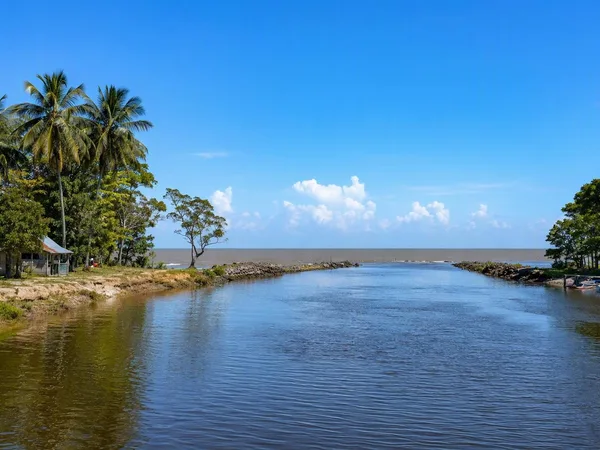
The Essequibo Islands sit in the broad lower reaches of the Essequibo River, west of Georgetown. This is a water-based destination: settlements, farms, stellings and heritage sites are spread across separate islands rather than clustered in one town.
For a first visit, use Parika as the mainland departure point and choose one island or a focused boat trip. Leguan and Wakenaam are the principal inhabited islands served from Parika; Fort Island is the essential heritage stop.
The historic core: Fort Island
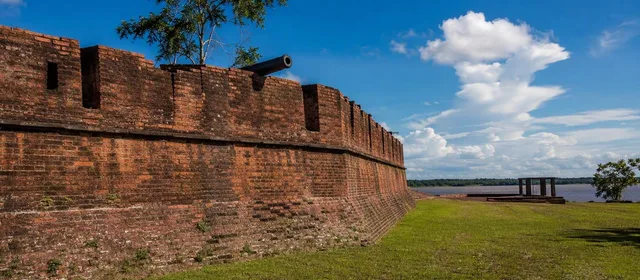
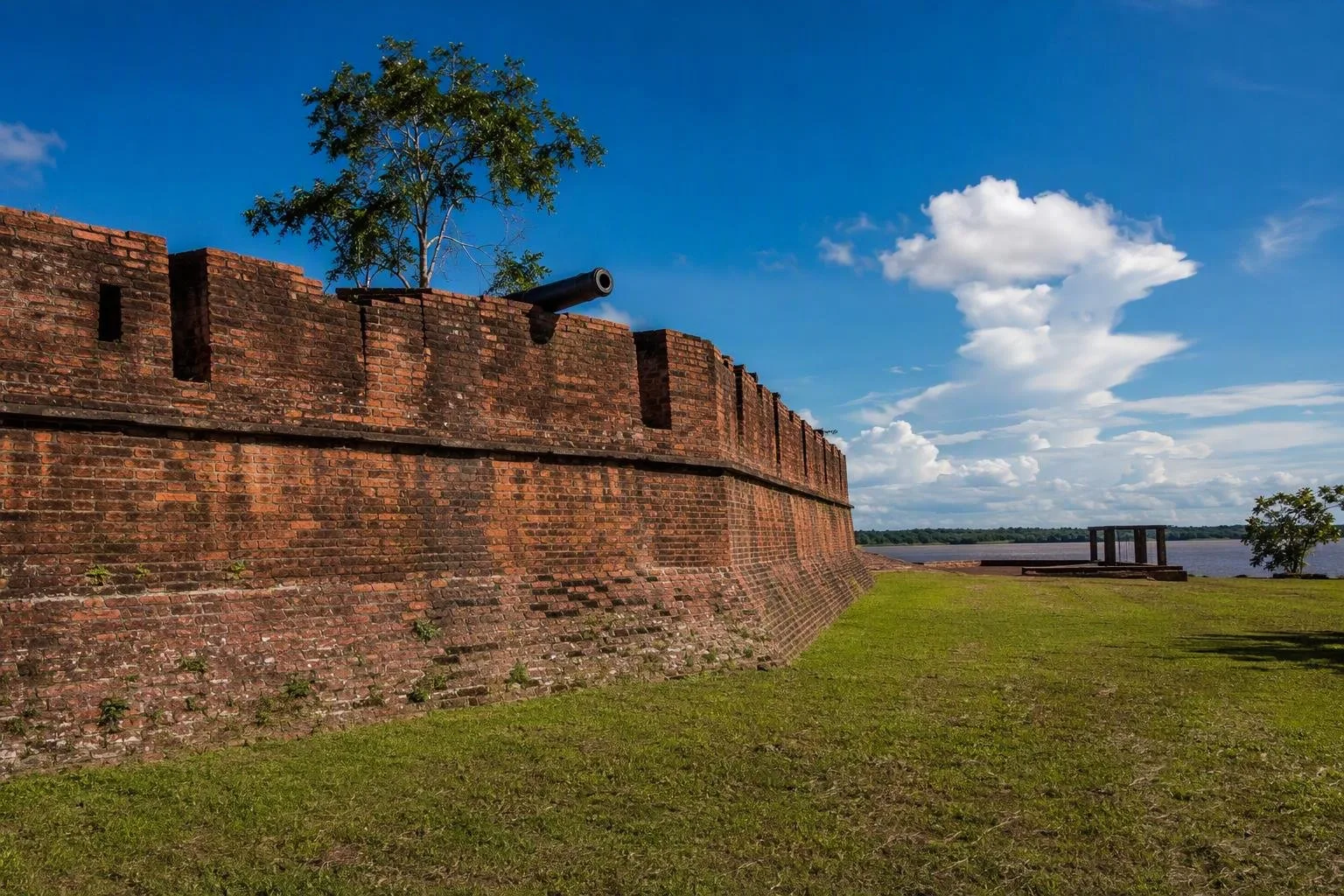
Fort Island preserves the clearest physical record of the Dutch colony of Essequibo. Fort Zeelandia, completed in 1744, is a brick fort with ramparts on the riverbank. It became the Dutch colonial capital in 1748 after Fort Kyk-Over-Al was abandoned.
Next to it stands the Dutch Heritage Museum, in the former Court of Policy and Church Building, completed around 1752. The single-storey brick building served as church, court and colonial prison at different points in its history; it now displays artefacts, maps and interpretation on Dutch, Indigenous and enslaved African histories.
Treat Fort Island as a historic-site visit, not a resort stop. Its two national monuments reward time spent looking closely at the fort’s plan, brickwork and river setting.
Leguan, Wakenaam and Hogg Island
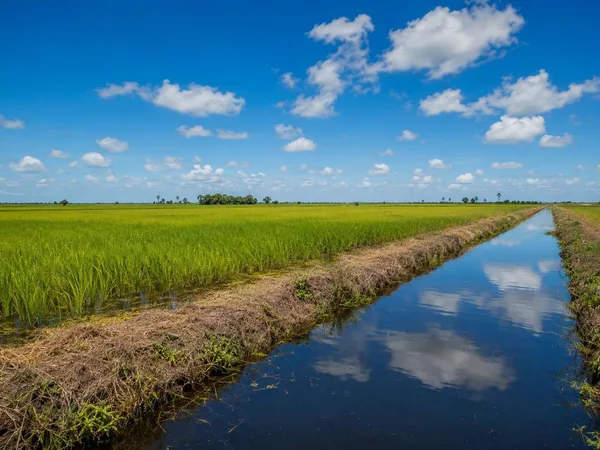
Leguan and Wakenaam are low, settled agricultural islands where everyday movement follows roads, drains and river landings. They are practical places for a slow circuit by local transport or bicycle rather than a checklist of formal attractions.
Look for these documented landmarks:
- St. Peter’s Anglican Church, Leguan — the present church was consecrated in 1855.
- Hog Island Windmill — an 18th-century Dutch windmill on the eastern side of Hogg Island.
- Fort Zeelandia and the Dutch Heritage Museum — both on Fort Island.
The value of the islands is the combination of working rural communities, river travel and surviving colonial infrastructure. Do not assume that services, food options or vehicle hire are equally available on every island.
Getting there and moving around
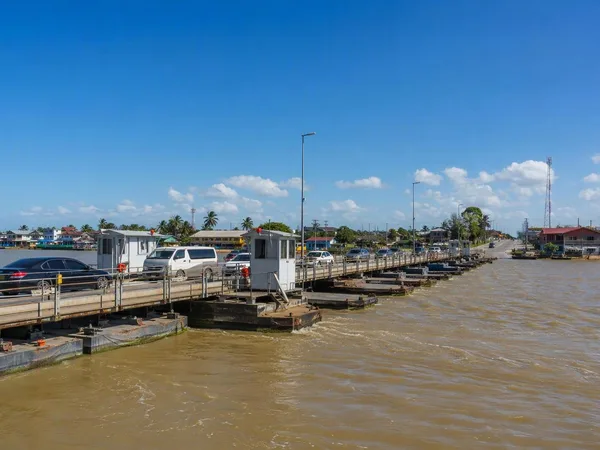
Travel begins at Parika Stelling. Public ferry links connect Parika with Leguan and Wakenaam, while speedboats also operate on river routes. Ferry reservations for these islands are available through the Transport and Harbours Department’s FerryPass system.
Important: sailing times are tide-dependent and can change without notice. Confirm the current departure before travelling and allow room for a missed connection. Once on an island, arrange local transport at the stelling or through your host before setting off; distances may be manageable, but crossings determine the day.
Practical approach
Bring cash, drinking water and sun protection. Start early, especially if you are returning to Parika the same day. Keep visits to churches, villages and private land respectful: these are lived-in communities, not an open-air museum. For Fort Island, plan the boat transport around the heritage visit rather than trying to combine several islands hurriedly.
From the magazine
Stories about Essequibo Islands
Editorial stories linked directly to Essequibo Islands.
No stories about Essequibo Islands have been published yet.
Routes from our editors
Travel through Essequibo Islands
Editorial routes connecting Essequibo Islands with other countries, cities and hotspots.
No routes through Essequibo Islands have been published yet.
More in Guyana
Related hotspots
Other cities, nature areas and places within Guyana.