
Neighbourhood · Argentina
San Telmo
San Telmo is a historic neighbourhood in southern central Buenos Aires, Argentina, centred on Plaza Dorrego, Calle Defensa and its nineteenth-century market. Come for the surviving urban fabric, antiques and the working visual language of filete porteño.
Orientation
San Telmo is part of Buenos Aires’ historic core, south of Plaza de Mayo. Its useful walking axis is Defensa Street, running through low-rise streets, former mansions, shops and cafés. Plaza Dorrego is the district’s centre; Mercado de San Telmo, at Defensa and Carlos Calvo, is a short walk southeast.
This is a compact neighbourhood for walking. Use Plaza Dorrego as the meeting point, then work outward along Defensa, Bolívar, Humberto 1º and Carlos Calvo. Cobblestones are uneven, so wear shoes with grip.
Read the streets
San Telmo is not a preserved set piece. Its old commercial and port-side character still explains the mix of markets, traditional bars, workshops, religious buildings and small retail premises.
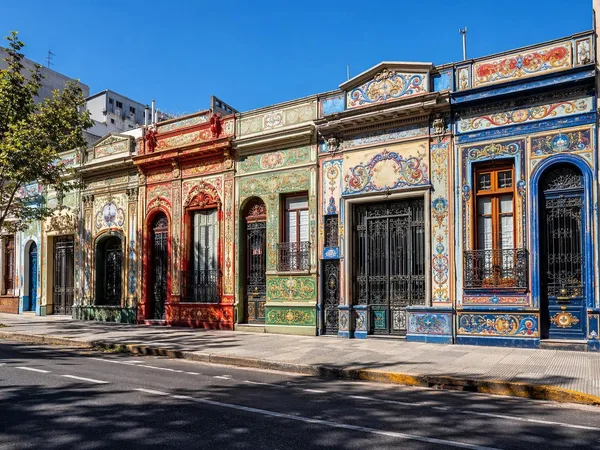
Look closely at shop signs, painted panels and façades for filete porteño: a Buenos Aires decorative painting tradition defined by saturated colour, scrolling ornament, shaded volume and stylised lettering. It developed with working vehicles and commercial signage, not as gallery art. Lettering may carry sayings, while flowers, ribbons, leaves and religious or popular imagery fill the frame.
Filete porteño was added to UNESCO’s Representative List of Intangible Cultural Heritage in 2015. Treat it as a living craft: it appears on contemporary signs and objects as well as on historic-looking surfaces.
Core stops
- Plaza Dorrego: a fully paved historic square framed by cafés and antiques shops. On Sundays it anchors the San Telmo antiques and crafts fair, which continues along Defensa and adjoining streets.
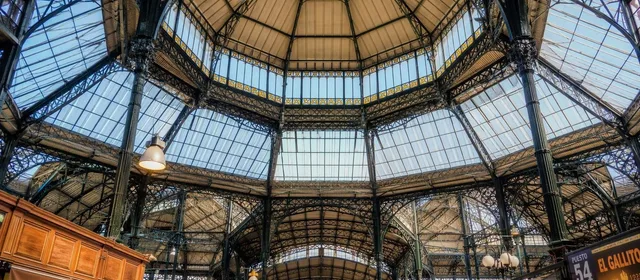
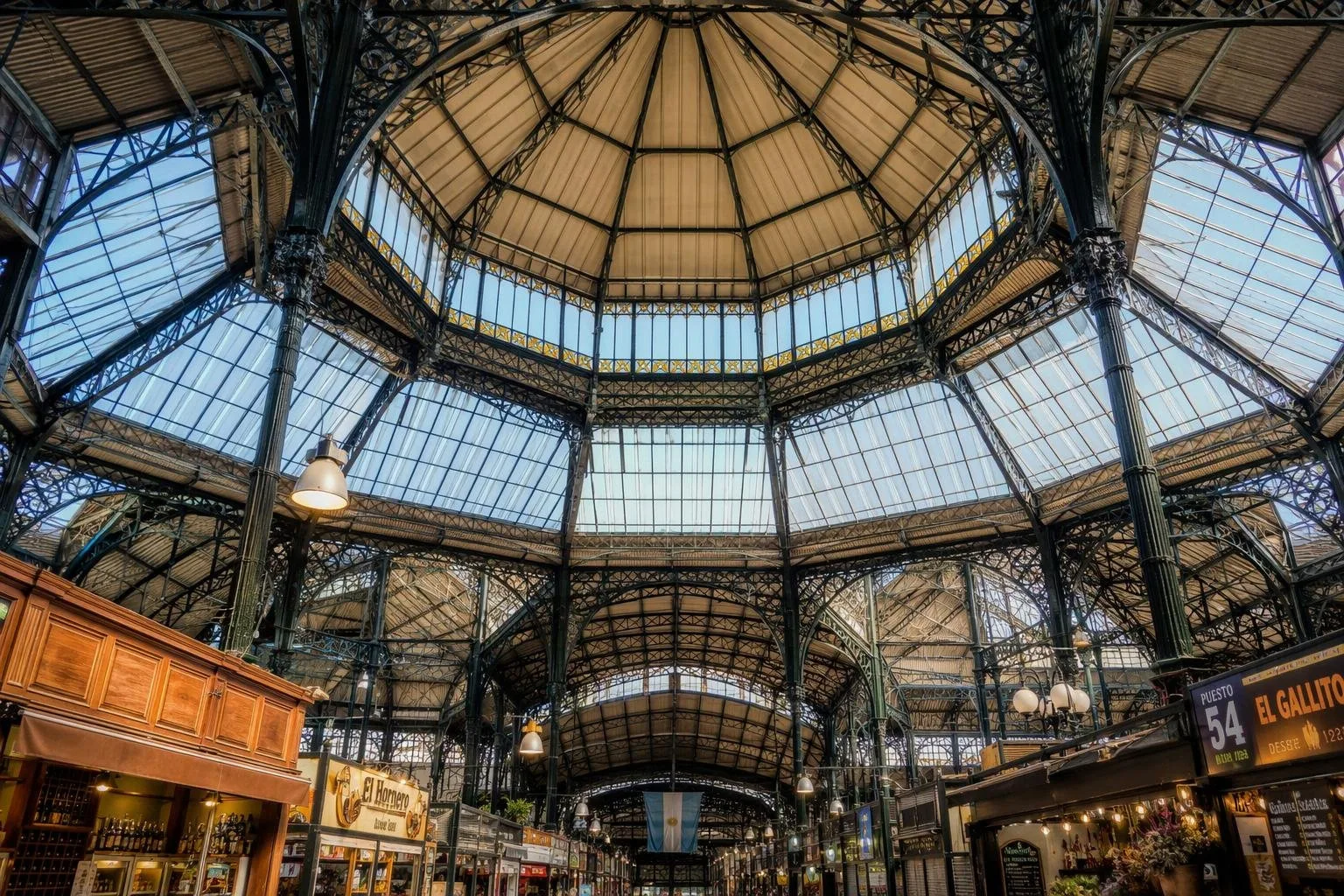
- Mercado de San Telmo: opened in 1897 as a food market for a growing immigrant population. Go inside to see the original metal columns, beams, arches, sheet-metal-and-glass roof and central dome; current stalls combine food, antiques, crafts and everyday shopping.
- Parroquia San Pedro González Telmo: at Humberto 1º 340. Construction began in 1735; the church and cloisters are a National Historic Monument. Fileteado works in the church add a distinctly porteño layer to its religious interior.
- La Filetería: Bolívar 1049 is a focused stop for contemporary filete porteño, with work made and displayed on site.
Timing and practical approach
Visit on a weekday or Saturday for a clearer view of the architecture and market interior. Choose Sunday for the fair, then expect crowded streets and a slower walk around Plaza Dorrego and Defensa.
The market is generally open daily, but individual vendors keep their own schedules. The parish is free to enter during its opening periods; behave as in an active place of worship. For a fileteado workshop or guided walk, arrange it in advance rather than assuming a drop-in place.
A focused half-day route
Start at Plaza Dorrego, walk along Defensa to Mercado de San Telmo, continue to Bolívar for La Filetería, then head to the parish on Humberto 1º. This sequence connects the neighbourhood’s commercial architecture, public square and painted craft without turning the visit into a checklist.
From the magazine
Stories about San Telmo
Editorial stories linked directly to San Telmo.
No stories about San Telmo have been published yet.
Routes from our editors
Travel through San Telmo
Editorial routes connecting San Telmo with other countries, cities and hotspots.
No routes through San Telmo have been published yet.
More in Argentina
Related hotspots
Other cities, nature areas and places within Argentina.
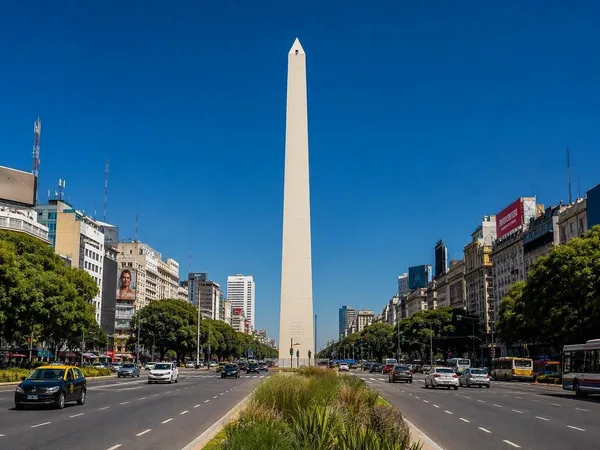
Buenos Aires
5 linked stories and routes
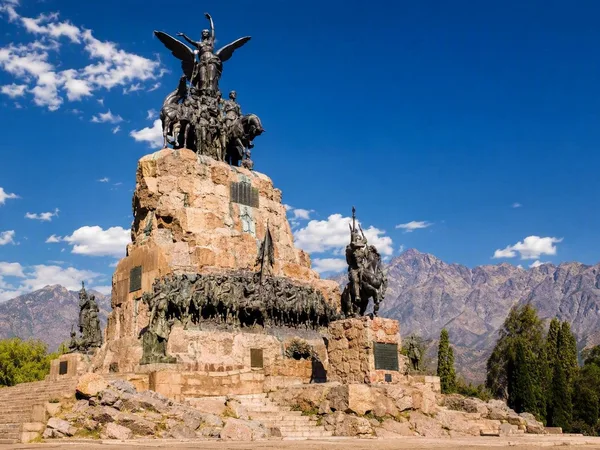
Mendoza
1 linked stories and routes

Iguazú Falls
1 linked stories and routes

Paraná Delta
1 linked stories and routes
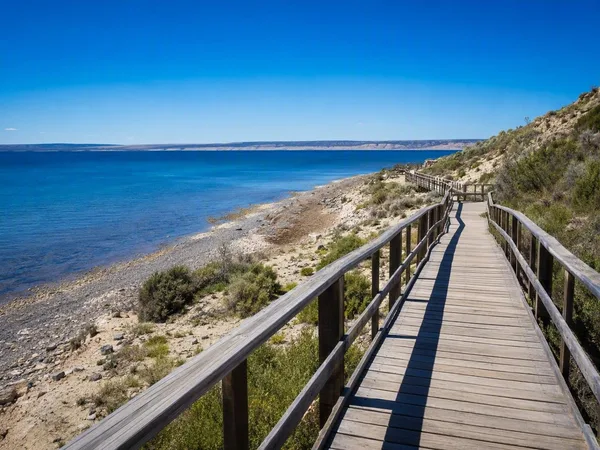
El Doradillo
1 linked stories and routes
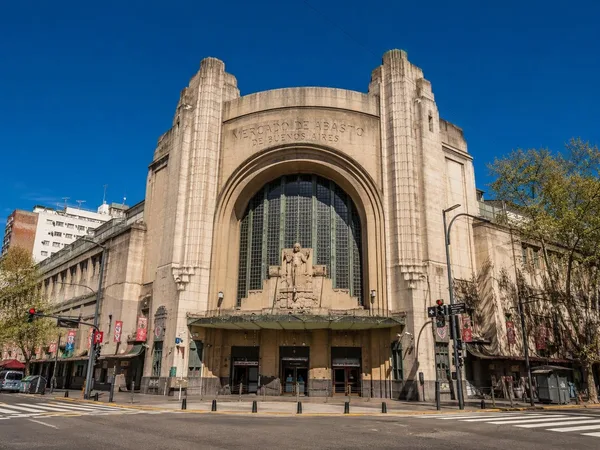
Abasto
1 linked stories and routes
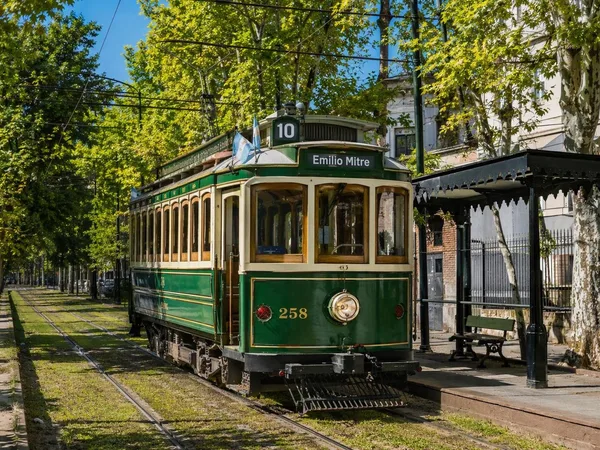
Caballito
1 linked stories and routes
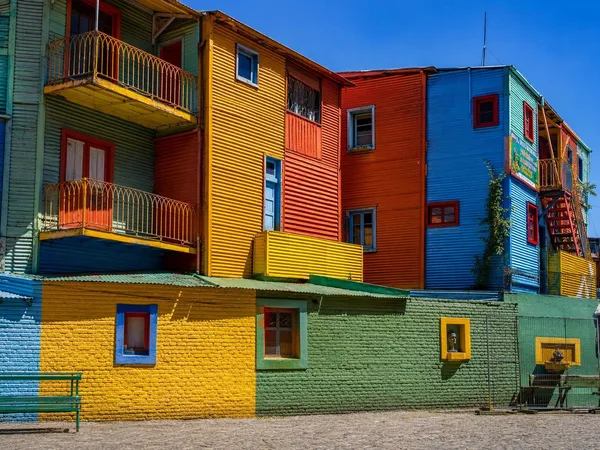
La Boca
1 linked stories and routes
Paseo del Filete, Abasto
1 linked stories and routes