
Neighbourhood · Argentina
Abasto
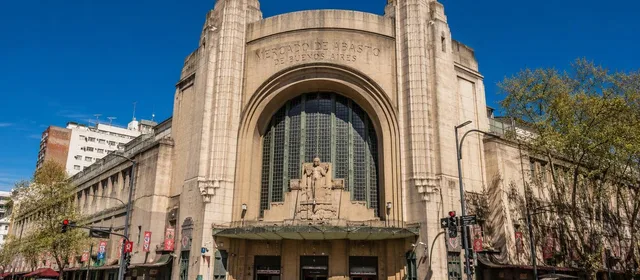
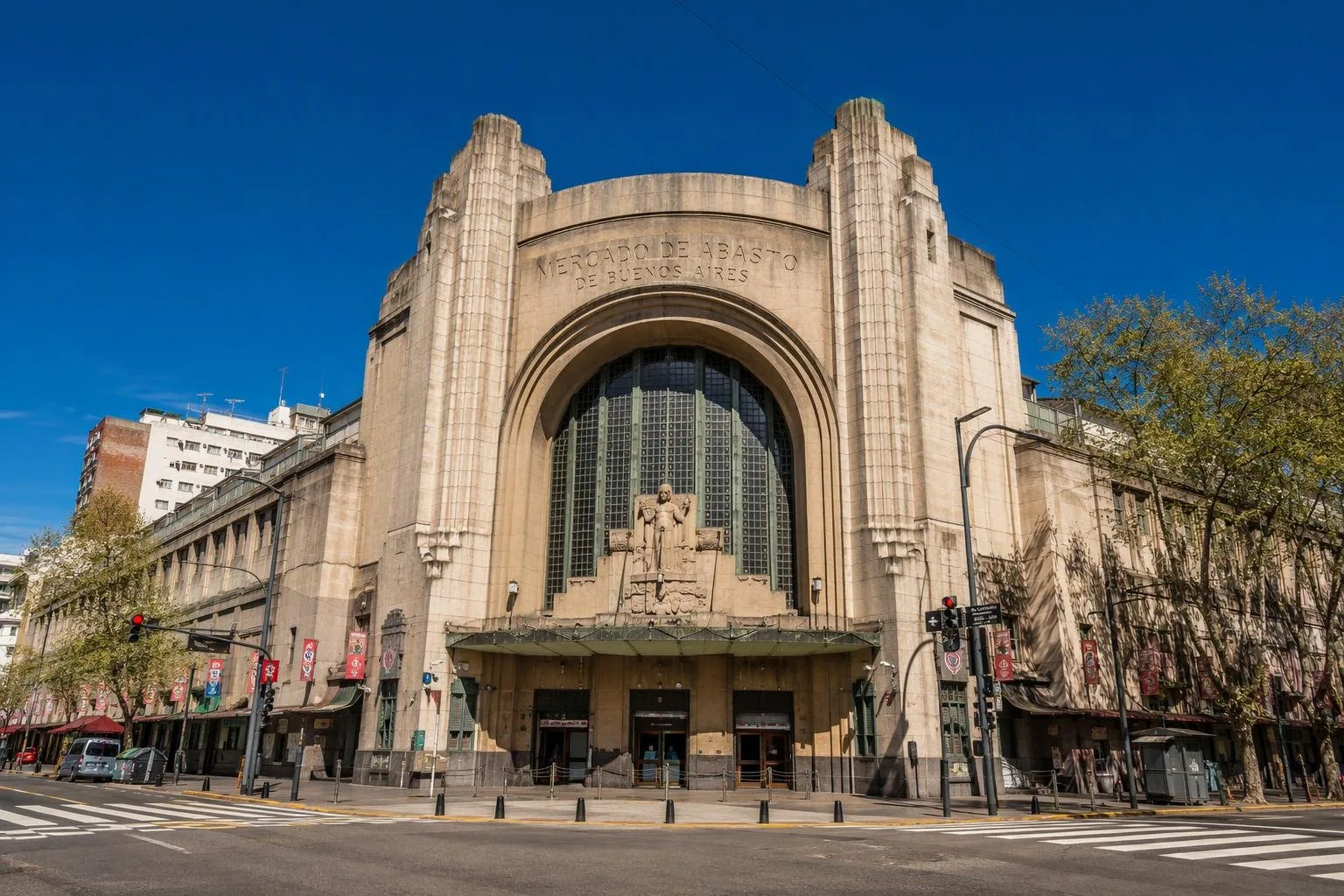
Abasto is the market-shaped cultural district in Buenos Aires’s Balvanera area, centred on the former Mercado de Abasto. Come for its landmark market building, Carlos Gardel connections and painted fileteado streets.
Orientation
Abasto is a named urban area rather than one of Buenos Aires’s official barrios. It sits within Balvanera, around Avenida Corrientes and the former Mercado de Abasto. The market made this part of the city a working district of produce sellers, carters, cafés and lodgings; its legacy still sets the tone.
The core is compact. Start at the old market at Avenida Corrientes 3247, then walk south-east towards the Gardel sites around Jean Jaurès. This is not a preserved historic quarter: commercial streets, housing, murals and tango references sit side by side.
The former market
The large former Mercado de Abasto is the district’s unmistakable physical landmark. Market activity began here in the 1890s; the present building was completed in 1934 and served as the city’s largest market until 1984. It reopened as Abasto Shopping in 1998.
Look at the exterior before going in. The scale and geometric massing explain why the building dominates the area far more than the retail use inside. It remains a useful orientation point as well as a practical stop for food, services and shelter from rain.
Gardel and the painted streets
Carlos Gardel grew up in the Abasto area, and the district’s tango identity is tied closely to him. Museo Casa Carlos Gardel, at Jean Jaurès 735, occupies the house where he lived with his mother from 1927 until his departure from Argentina in 1933. Its displays cover his life, recordings, films and final tour.
For a short outdoor circuit, combine the museum with:
- Paseo del Fileteado, around Jean Jaurès 700, where decorated façades put Buenos Aires’s ornamental painting style at street scale.
- Pasaje Zelaya, near Jean Jaurès, with multiple Gardel portraits created as a public-art intervention.
- The bronze Carlos Gardel Monument beside the shopping centre, at Carlos Gardel and Anchorena.
Filete porteño developed as a decorative art for vehicles before spreading to signs and other surfaces. Look for bright colour, scrolls, flowers, symmetry, shading and stylised lettering. It was added to UNESCO’s Representative List of Intangible Cultural Heritage in 2015.
Getting there and pacing the visit
The Carlos Gardel station on Subte Line B is the most direct rail arrival for the market and Pasaje Carlos Gardel. From there, the main Abasto sights are best covered on foot; Jean Jaurès is a short walk from the market.
Allow around two hours for the market exterior, the Gardel circuit and the fileteado façades. Add time for the museum. The street-art stops are public and free; the museum has separate admission and opening times. Start in daylight if the painted façades are the priority, then use the market building as the natural endpoint.
From the magazine
Stories about Abasto
Editorial stories linked directly to Abasto.
No stories about Abasto have been published yet.
Routes from our editors
Travel through Abasto
Editorial routes connecting Abasto with other countries, cities and hotspots.
No routes through Abasto have been published yet.
More in Argentina
Related hotspots
Other cities, nature areas and places within Argentina.
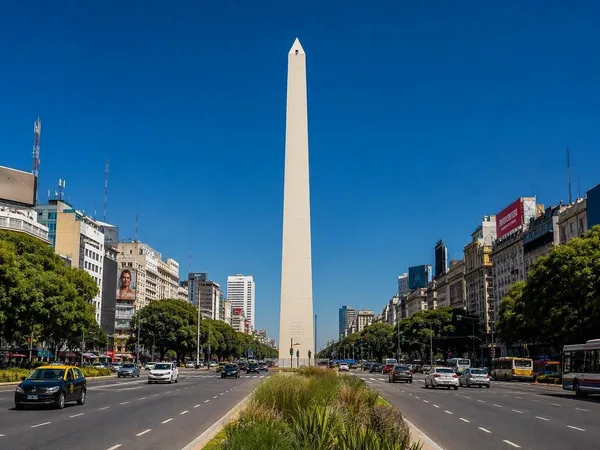
Buenos Aires
5 linked stories and routes
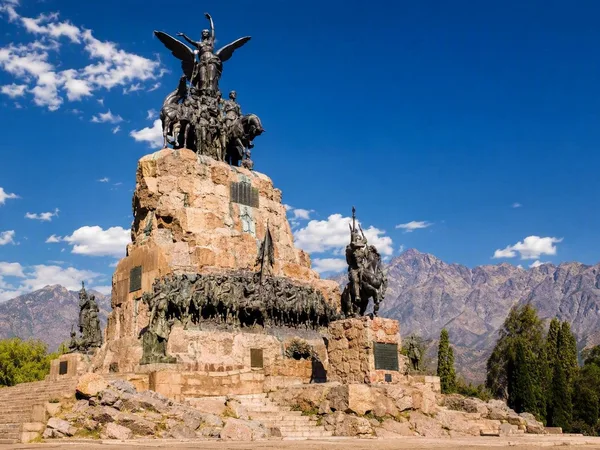
Mendoza
1 linked stories and routes

Iguazú Falls
1 linked stories and routes

Paraná Delta
1 linked stories and routes
El Doradillo
1 linked stories and routes
Caballito
1 linked stories and routes
La Boca
1 linked stories and routes
San Telmo
1 linked stories and routes
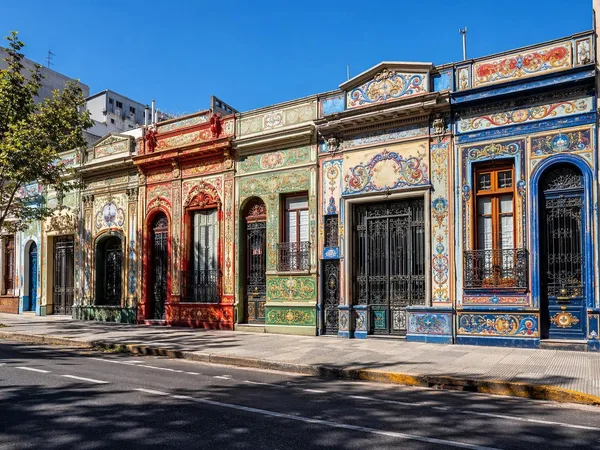
Paseo del Filete, Abasto
1 linked stories and routes