
Sight · Austria
Karl-Marx-Hof
Karl-Marx-Hof is Vienna’s defining municipal housing complex, stretching through Heiligenstadt in the 19th district. Built for Red Vienna, it remains a lived-in estate as well as a major work of interwar architecture.
What you are looking at
Karl-Marx-Hof is a vast Gemeindebau—a municipal housing estate—on Heiligenstädter Straße in Vienna’s Döbling district. Architect Karl Ehn designed it for the city; construction ran from 1927 to 1930 and the estate opened on 12 October 1930.
It was conceived as a practical alternative to overcrowded pre-war tenements. The original complex contained 1,382 flats for about 5,000 people; it now has 1,274 flats after later alterations and mergers. This is not an open-air museum: people live here, and the building’s entrances, stairwells and courtyards remain part of their home.
Read the architecture
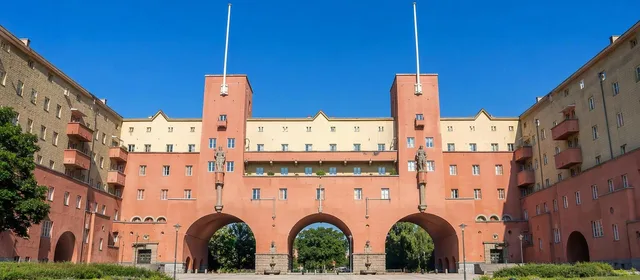
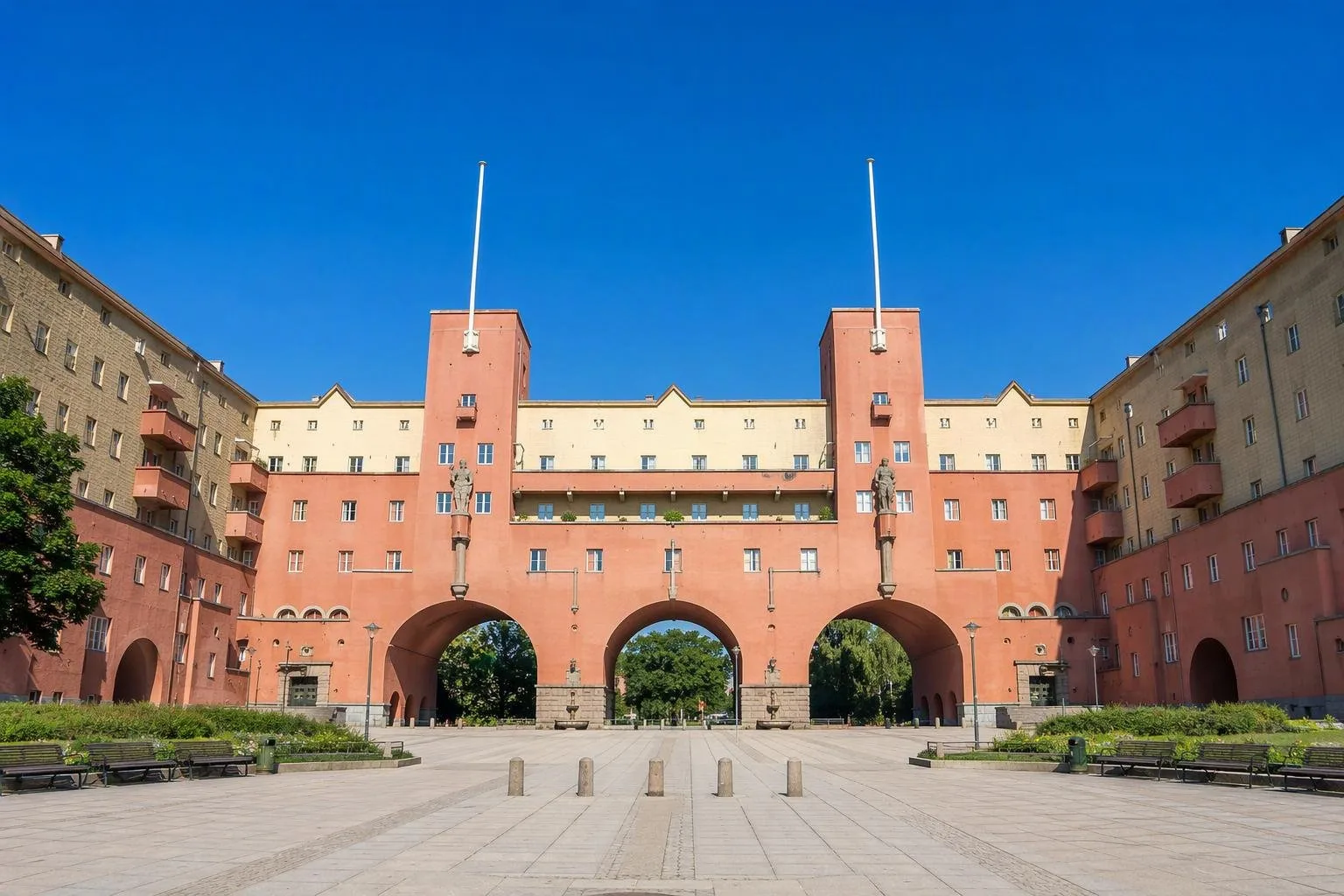
The site runs for nearly 1.2 kilometres between Heiligenstädter Straße and Boschstraße. Its long street frontage is unmistakable: red and ochre walls, small windows, loggias, massive gateways and a central ensemble of towers and flagpoles.
Head to 12.-Februar-Platz for the clearest view. Four large arches lead through the central tract toward the inner grounds. Look for the coloured ceramic figures above the arches and Otto Hofner’s Sower sculpture in the ceremonial courtyard.
The scale is deliberate, but so is the open ground. Only about 18% of the 156,027-square-metre site was built over. Gardens, paths, play areas and broad inner courtyards supplied light and air where older rental blocks often offered neither.
A housing programme with services
Karl-Marx-Hof was designed as more than flats. Its original facilities included two central laundries, baths, kindergartens, a dental clinic, a mother-and-child advice centre, a library, a youth centre, medical services, a pharmacy, post office and shops.
That mix explains the estate’s layout. Follow the public passages rather than treating the frontage as the whole story: the routes reveal the transition from formal street façade to planted residential courts. Keep to public areas and do not enter stairwells or disturb residents.
1934 and the Red Vienna story
The estate is a major symbol of Red Vienna, the interwar municipal programme that made public housing central to the city’s social policy. It also became a focal point of the February 1934 fighting. Defenders of the Republican Schutzbund held the complex against government forces; artillery was used during the battle.
After the defeat, the estate was renamed Biedermannhof and later Heiligenstädter Hof. Its original name returned after the Second World War. The name of 12.-Februar-Platz preserves the memory of the conflict.
Visit and orientation
Use U4 to Heiligenstadt, then walk about three minutes to the northern end of the estate. Tram D stops at Halteraugasse. The full length is considerable, so allow time to walk the public route rather than trying to see it from one point.
For the historical context, visit Waschsalon No. 2 at Halteraugasse 7. Its permanent exhibition occupies former bath rooms and the former water-reservoir level, presenting Red Vienna, municipal housing and working-class culture. Regular opening hours are Thursday 13:00–18:00 and Sunday 12:00–16:00; admission is charged.
From the magazine
Stories about Karl-Marx-Hof
Editorial stories linked directly to Karl-Marx-Hof.
No stories about Karl-Marx-Hof have been published yet.
Routes from our editors
Travel through Karl-Marx-Hof
Editorial routes connecting Karl-Marx-Hof with other countries, cities and hotspots.
No routes through Karl-Marx-Hof have been published yet.
More in Austria
Related hotspots
Other cities, nature areas and places within Austria.
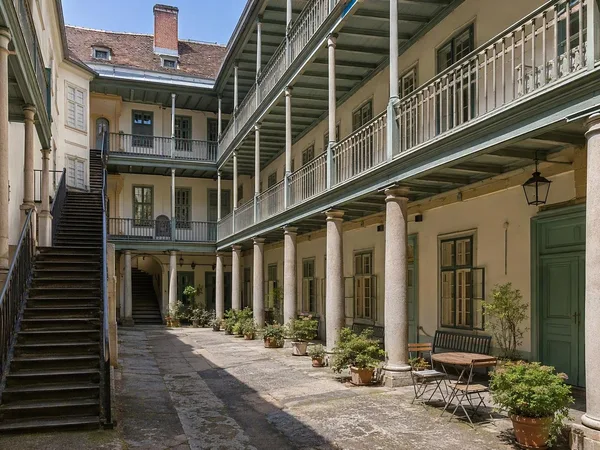
Neubau, Vienna’s 7th District
2 linked stories and routes
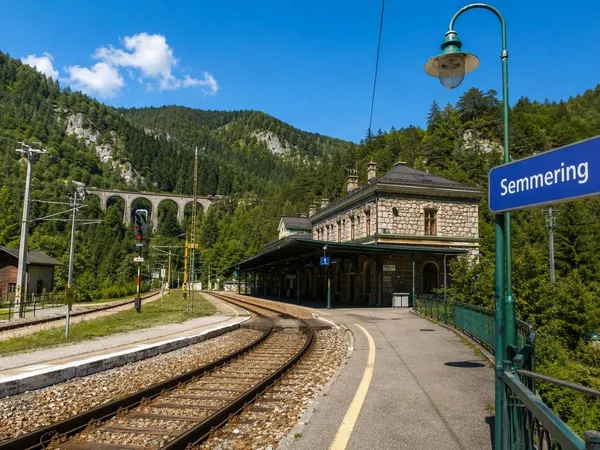
Semmering
1 linked stories and routes
Krimml Waterfalls
1 linked stories and routes
Grossglockner Hochalpenstrasse
1 linked stories and routes
Vienna
1 linked stories and routes
Vienna
1 linked stories and routes
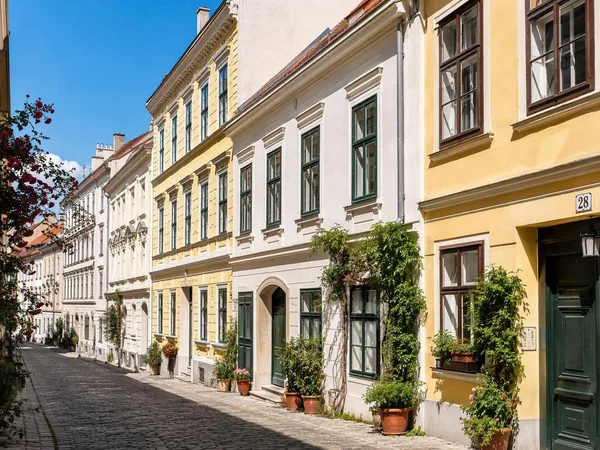
Spittelberg
1 linked stories and routes
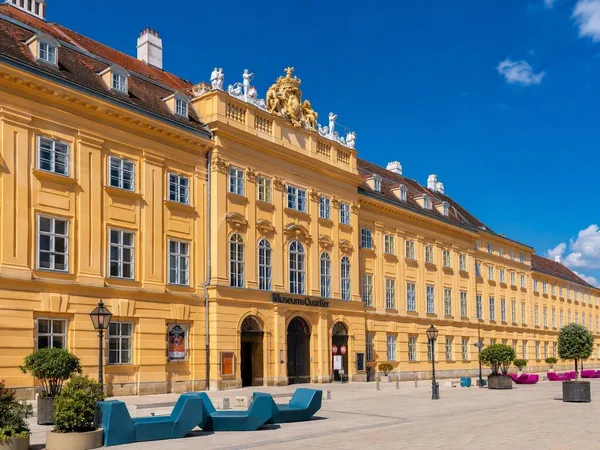
MuseumsQuartier, Vienna
1 linked stories and routes
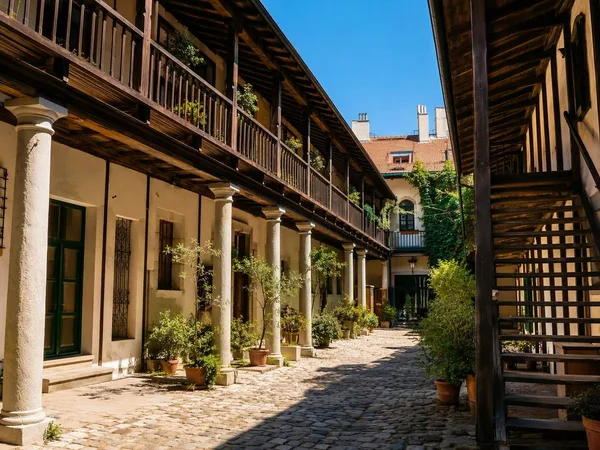
Amerlinghaus
1 linked stories and routes
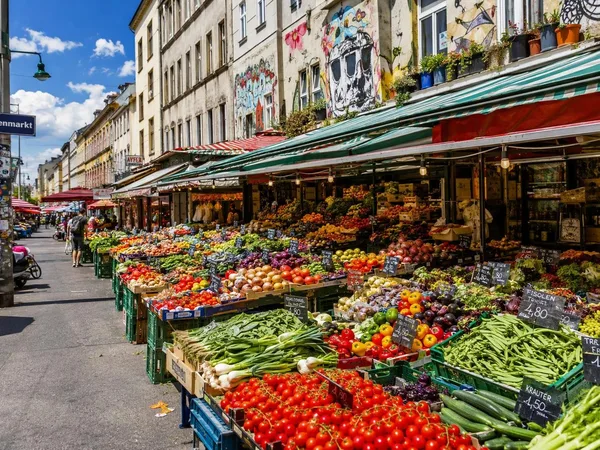
Ottakring, Vienna
1 linked stories and routes
Hernals, Vienna’s 17th District
1 linked stories and routes
Gürtel, Vienna
1 linked stories and routes
Josefstadt, Vienna’s 8th District
1 linked stories and routes
Vienna
0 linked stories and routes