Oman

Wadis, mountains and the Arabian Sea

Oman

Oman brings limestone mountains, working ports, desert settlements and the green monsoon landscapes of Dhofar into one long sweep of coast and interior.

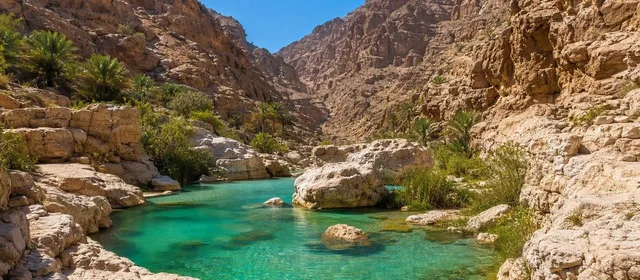
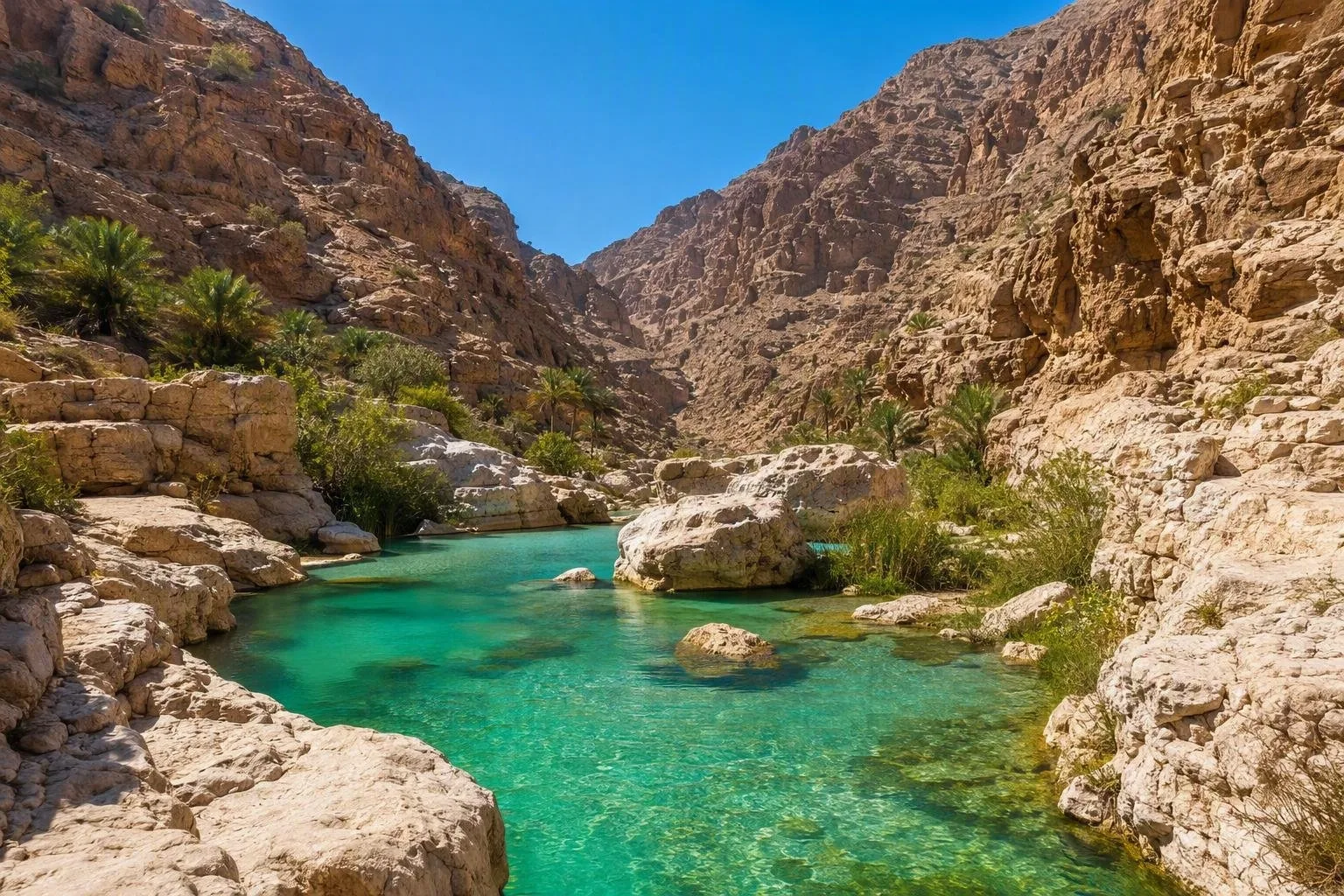
Oman is worth a closer look for the sharp changes in its landscape: fishing boats on the Muscat coast, bare Hajar ridges behind the city and water running through limestone gorges beyond the suburbs. Muscat keeps a low profile beside the Gulf of Oman, with white houses, mosques and government buildings set below the mountains. At Mutrah, people walk the corniche past the harbour and browse incense, cloth and silver in the covered souq. The Sultan Qaboos Grand Mosque adds another side of the capital, with carefully cut stone, gardens and an immense prayer hall. Roads from Muscat lead inland through dry wadis to date gardens, mud-brick villages and forts that guarded trading towns. At Wadi Shab, walkers follow a path between pale cliffs before swimming through clear pools. Nizwa’s round fort stands above a town known for its market, scholarship and date trade. Higher up, farmers on Jabal Akhdar tend terraces of pomegranates, roses and apricots in cooler air.

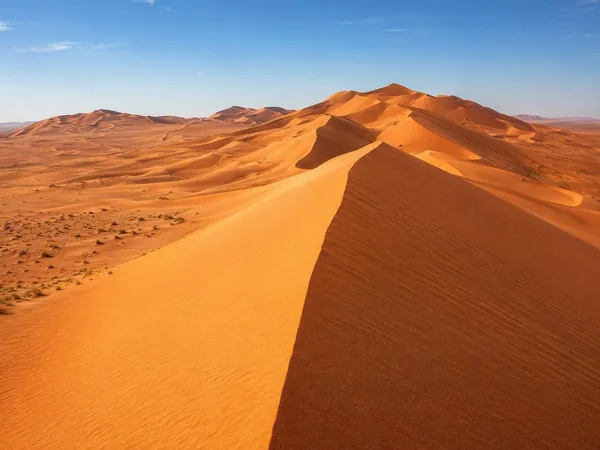
The coast gives Oman another character. In Sur, boatbuilders continue to make wooden dhows, and the old harbour recalls trade across the Arabian Sea. Omani families have long-standing ties with East Africa, which show in food, language and family history. Near Sharqiya Sands, villages sit beside long ridges of sand and communities retain Bedouin traditions.

Far south, Salalah changes with the summer khareef. Rain and mist cover the hills, and frankincense trees grow in the dry country beyond the city. Give Oman time beyond Muscat, whether you head for a mountain village, a coastal road or a quiet wadi.

When to go

Best time to travel

Monthly values are indicative average maximum temperatures for Muscat. Conditions vary meaningfully across Oman, especially in the Hajar Mountains, the interior desert and monsoon-influenced Dhofar. Monthly values are indicative average maximum temperatures for Muscat. Conditions vary meaningfully across Oman, especially in the Hajar Mountains, the interior desert and monsoon-influenced Dhofar.

jan26°C feb27°C mar31°C apr35°C may40°C jun40°C jul39°C aug36°C sep36°C oct35°C nov31°C dec27°C

Weather in the capital

Practical Oman

On every country page we show the current weather for the capital.

Muscat
Morning31°Cclear
Afternoon36°Cpartly cloudy
Evening31°Cclear
today36°C / 27°Chigh and low

Current forecast by Open-Meteo

Visa and entry

Entry requirements depend on nationality, purpose and length of stay. Check current requirements with the Royal Oman Police before travel.

Getting around

A rental car gives you the most freedom outside Muscat. Mwasalat runs buses in the capital and between major towns. Domestic flights connect Muscat with Salalah, Duqm and Khasab. Some mountain and desert routes require a four-wheel-drive vehicle.

Paying in Oman

Cards are accepted at most hotels, malls and larger restaurants. Carry rials for souqs, small cafés, taxis and rural shops. ATMs are common in towns, and one rial is divided into 1,000 baisa.

Where to stay

Muscat and Salalah offer the widest choice of hotels. Elsewhere, options include mountain resorts, village guesthouses, beach hotels and desert camps. Book ahead for winter weekends and Salalah’s khareef season.

Before you leave

Worth knowing

A practical starting point for your trip. Check current conditions and local information before you leave.

01

Official language

Arabic is the official language. English is widely used in hotels, restaurants, shops and transport services.

02

Calling code

Oman’s international calling code is +968.

03

Driving side

Traffic drives on the right. Road signs generally use both Arabic and English.

04

Road distances

Oman covers more ground than it first appears to on a map. Muscat to Nizwa takes about two hours by road, while Muscat to Salalah is a full day’s drive.

05

Buses and urban transport

Mwasalat runs intercity services and a limited urban bus network in Muscat. Services outside the main towns are sparse, and Oman has no passenger railway.

06

Taxis

Orange-and-white taxis are common. Many do not use meters, so agree the fare before you set off. App-based taxis also operate in Muscat.

07

Domestic flights

Flights connect Muscat with Salalah, Khasab and Duqm. They cut travel time to Dhofar and the Musandam Peninsula.

08

Weekend and opening hours

The weekend falls on Friday and Saturday. Government offices generally open from Sunday to Thursday. Shops and malls often open through the weekend, sometimes with shorter hours on Friday.

09

Tipping

Tipping is appreciated but not compulsory. Restaurants may add a service charge; otherwise, a small tip for good service is usual.

10

Meals and dining

Lunch is often the main meal, and many people eat dinner late. Rice, grilled meat or fish, dates and coffee are common at Omani tables.

11

Photography

Ask before photographing people. Check local rules before taking photos at mosques, government buildings, military sites and border areas.

12

Mobile connections

Omantel, Ooredoo and Vodafone run local mobile networks. Prepaid SIMs and eSIMs are available with identification. Coverage is strongest in towns and along major roads.

Cities and hotspots

Places worth saving

From city to nature reserve: places with stories, facts and tips.